school science hazardous waste

Hazardous Waste in Schools: Compliance and Safe Disposal 2025

Schools across the UK handle chemicals, electronics, and even medical supplies every day. That sounds routine, but what if you realised that even a single mistake with hazardous waste can lead to fines of tens of thousands of pounds or potentially put students and staff at risk. Most people focus on lessons and technology upgrades, but few realise just how crucial proper hazardous waste management has become for safety and compliance in education.

Table of Contents

Quick Summary

Takeaway Explanation
Understand waste types in schools Recognising chemical, electronic, and biological waste is essential for safe management and compliance.
Implement legal compliance measures Familiarise yourself with regulations governing hazardous waste to avoid penalties and ensure safety.
Prioritise safe storage practices Use proper segregation and containment measures to minimise risks associated with hazardous materials.
Choose a qualified waste disposal partner Select a disposal company with the necessary certifications and technical expertise for effective hazardous waste management.
Maintain ongoing staff training Regularly train staff in hazardous waste handling and updates on safety protocols to ensure compliance and safety.

Common Types of Hazardous Waste in Schools

Schools generate numerous types of hazardous waste that require careful management and specialised disposal strategies. Understanding these waste categories is crucial for maintaining safety and ensuring regulatory compliance across educational institutions in the United Kingdom.

Chemical Hazardous Waste in Educational Settings

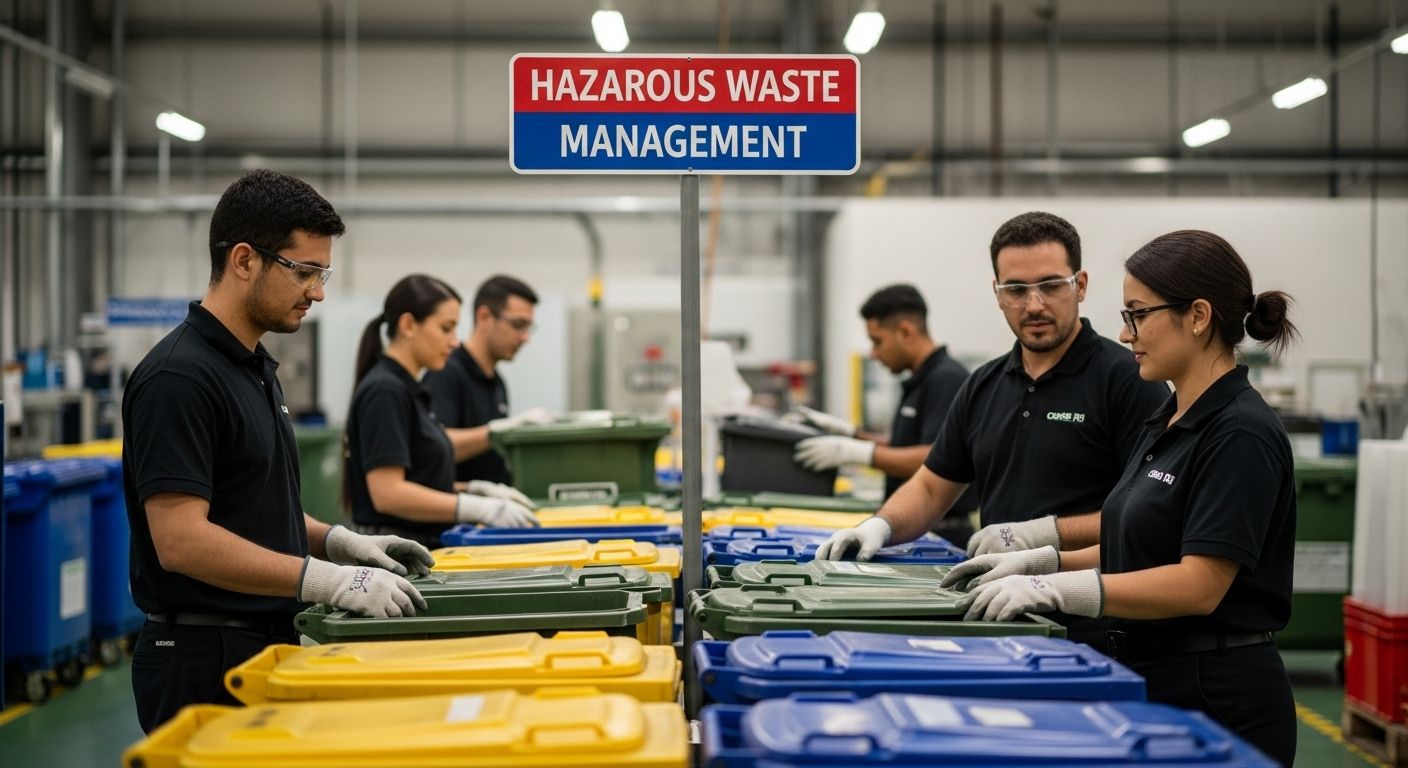
Science laboratories represent the primary source of hazardous chemical waste in schools. Chemistry, biology, and physics departments routinely handle substances that pose significant environmental and health risks. Our comprehensive hazardous waste disposal guide highlights the most common chemical waste types encountered in educational environments.

Typical chemical hazardous waste includes:

  • Corrosive Chemicals: Acids and bases used in scientific experiments, such as hydrochloric acid, sulfuric acid, and sodium hydroxide solutions
  • Toxic Substances: Mercury from broken thermometers, chemical reagents, and outdated laboratory chemicals
  • Flammable Liquids: Organic solvents like acetone, ethanol, and methanol used in scientific research and practical demonstrations

According to The Royal Society of Chemistry, proper chemical waste management is essential to prevent potential environmental contamination and protect student and staff health.

Electronic and Electrical Hazardous Waste

Modern educational institutions generate significant volumes of electronic waste (e-waste), which contains hazardous materials requiring specialised disposal. Computers, tablets, projectors, and scientific equipment often include toxic components such as lead, cadmium, and mercury.

Schools in Newcastle, Durham, and other North East educational institutions frequently replace technological equipment, generating substantial quantities of electronic hazardous waste. The Environment Agency recommends strict protocols for managing these materials to prevent environmental harm.

Key electronic waste categories include:

  • Computer Equipment: Monitors, CPUs, keyboards containing heavy metals
  • Scientific Instrumentation: Outdated laboratory electronic devices
  • Multimedia Equipment: Projectors, smartboards with complex electronic components

Biological and Medical Hazardous Waste

School medical rooms and science laboratories generate biological hazardous waste that demands careful handling. These waste types include contaminated materials, expired medical supplies, and biological specimens that pose infection risks.

Common biological hazardous waste in schools encompasses:

  • Medical Waste: Used bandages, contaminated medical gloves
  • Biological Specimens: Preserved biological samples in formaldehyde
  • Laboratory Biological Materials: Microbiology culture media, potentially infectious research materials

Effective hazardous waste management requires educational institutions to implement comprehensive segregation, storage, and disposal strategies. Schools must train staff, establish clear protocols, and partner with licensed waste management providers to ensure safe and compliant waste handling.

By understanding and systematically addressing these hazardous waste categories, schools can create safer learning environments while demonstrating environmental responsibility and regulatory adherence.

Infographic showing types of hazardous waste in schools

To highlight the differences between the primary categories of hazardous waste in schools, the table below summarises their sources, common examples, and potential risks.

Waste Category Typical Sources Common Examples Potential Risks
Chemical Science laboratories Corrosive acids/bases, mercury, flammable solvents Burns, poisoning, environmental harm
Electronic & Electrical IT rooms, labs Monitors, CPUs, scientific devices, projectors Toxic metal exposure, e-waste pollution
Biological & Medical Medical rooms, labs Used bandages, preserved specimens, culture media Infection, contamination, health hazard

UK educational institutions must navigate a complex landscape of legal requirements governing hazardous waste management. Understanding and implementing these obligations is crucial for maintaining safety, protecting the environment, and avoiding potential legal consequences.

Regulatory Framework for Hazardous Waste Compliance

Schools and educational facilities are subject to multiple legislative frameworks that dictate hazardous waste handling. The Health and Safety Executive outlines comprehensive guidelines under the Control of Substances Hazardous to Health (COSHH) Regulations 2002, which mandate rigorous risk assessment and management protocols.

Key legal obligations include:

  • Comprehensive Risk Assessment: Detailed documentation of all potential hazardous substances used within educational environments
  • Proper Storage Protocols: Secure containment of hazardous materials with appropriate labeling and segregation
  • Staff Training Requirements: Mandatory training programmes for personnel handling potentially dangerous substances

According to The Environment Agency, educational institutions must demonstrate a systematic approach to waste management that prioritises environmental protection and human safety.

Schools in the North East and across the United Kingdom must adhere to strict legal protocols when transferring and disposing of hazardous waste. Our comprehensive waste disposal guide provides essential insights into these complex regulations.

Specific legal requirements encompass:

  • Waste Consignment Notes: Mandatory documentation tracking the entire disposal process
  • Licensed Waste Carrier Agreements: Contractual obligations with certified waste management providers
  • Environmental Reporting: Regular reporting of waste volumes and disposal methods to regulatory authorities

Institutions failing to comply with these regulations face significant financial penalties. The Environment Agency can impose substantial fines for improper hazardous waste management, with penalties potentially reaching tens of thousands of pounds for serious breaches.

Institutional Responsibility and Liability

Educational facility administrators bear direct legal responsibility for hazardous waste management. This involves establishing robust internal systems that ensure consistent compliance with national environmental regulations.

Key institutional responsibilities include:

  • Designated Waste Management Coordinator: Appointing a responsible individual to oversee hazardous waste procedures
  • Regular Compliance Audits: Systematic internal reviews of waste management practices
  • Continuous Staff Education: Ongoing training programmes to maintain awareness of current regulations

The legal landscape surrounding hazardous waste management continues to evolve, with increasing emphasis on environmental sustainability and risk mitigation. Schools must remain proactive, adapting their waste management strategies to meet emerging regulatory standards and demonstrate their commitment to responsible environmental stewardship.

By understanding and implementing these comprehensive legal obligations, educational institutions can effectively manage hazardous waste while protecting their students, staff, and the broader community from potential environmental and health risks.

Safe Storage and Handling Best Practices

Safe storage and handling of hazardous waste in educational settings represent critical components of environmental protection and institutional safety. Implementing comprehensive strategies ensures the protection of students, staff, and the surrounding environment from potential risks associated with dangerous materials.


Chemical Storage and Containment Protocols

Proper chemical storage demands meticulous attention to detail and strict adherence to safety guidelines. Our comprehensive waste management guide highlights the critical importance of systematic chemical management in educational environments.

Key storage considerations include:

  • Segregation of Incompatible Substances: Preventing chemical interactions that could cause dangerous reactions
  • Temperature Controlled Storage: Maintaining appropriate environmental conditions for different chemical types
  • Secure Containment Systems: Using specialist chemical storage cabinets with robust locking mechanisms

According to the Health and Safety Executive, schools must implement rigorous storage protocols that minimise potential risks of chemical exposure or accidental spillage.

Personal Protective Equipment and Handling Procedures

Schools must establish comprehensive guidelines for personal protective equipment (PPE) and safe handling practices when managing hazardous waste. Staff and students involved in waste management require specialized training and appropriate protective gear.

Essential protective measures include:

  • Chemical Resistant Gloves: Preventing direct skin contact with hazardous substances
  • Eye Protection: Safety goggles or face shields to prevent chemical splashes
  • Protective Clothing: Specialised laboratory coats and aprons designed for chemical resistance

The Royal Society of Chemistry emphasises the importance of continuous training and awareness in maintaining safe handling practices.

Waste Segregation and Documentation Strategies

Effective hazardous waste management requires systematic segregation and comprehensive documentation. Schools in Newcastle, Durham, and across the North East must develop robust processes for categorising and tracking different waste types.

Critical documentation practices involve:

  • Detailed Waste Inventory: Maintaining accurate records of all hazardous materials
  • Colour Coded Containment: Using standardised colour systems for different waste categories
  • Regular Waste Audits: Conducting systematic reviews of waste management procedures

To consolidate the best practices for safe storage and handling, the table below summarises recommended measures, their purposes, and associated benefits.

Best Practice Purpose Main Benefit
Segregation of Incompatible Substances Prevent hazardous chemical reactions Reduces risk of accidents
Temperature Controlled Storage Safeguard sensitive chemicals Maintains chemical integrity
Secure Containment Systems Restrict access and avoid spills Enhances safety and compliance
Use of PPE (gloves, goggles, apparel) Protect staff and students from exposure Minimises injury and contamination
Colour Coded Waste Bins Correct waste segregation Simplifies disposal and tracking
Detailed Waste Inventory Track hazardous materials within the school Improves regulatory compliance
Regular Waste Audits Review and improve waste management procedures Identifies gaps; reduces legal risk

By implementing these comprehensive storage and handling best practices, educational institutions can significantly mitigate risks associated with hazardous waste. Proactive management demonstrates institutional commitment to safety, environmental responsibility, and regulatory compliance.

Continuous staff training, regular equipment maintenance, and staying updated with evolving safety guidelines are paramount in creating a secure environment for learning and scientific exploration.

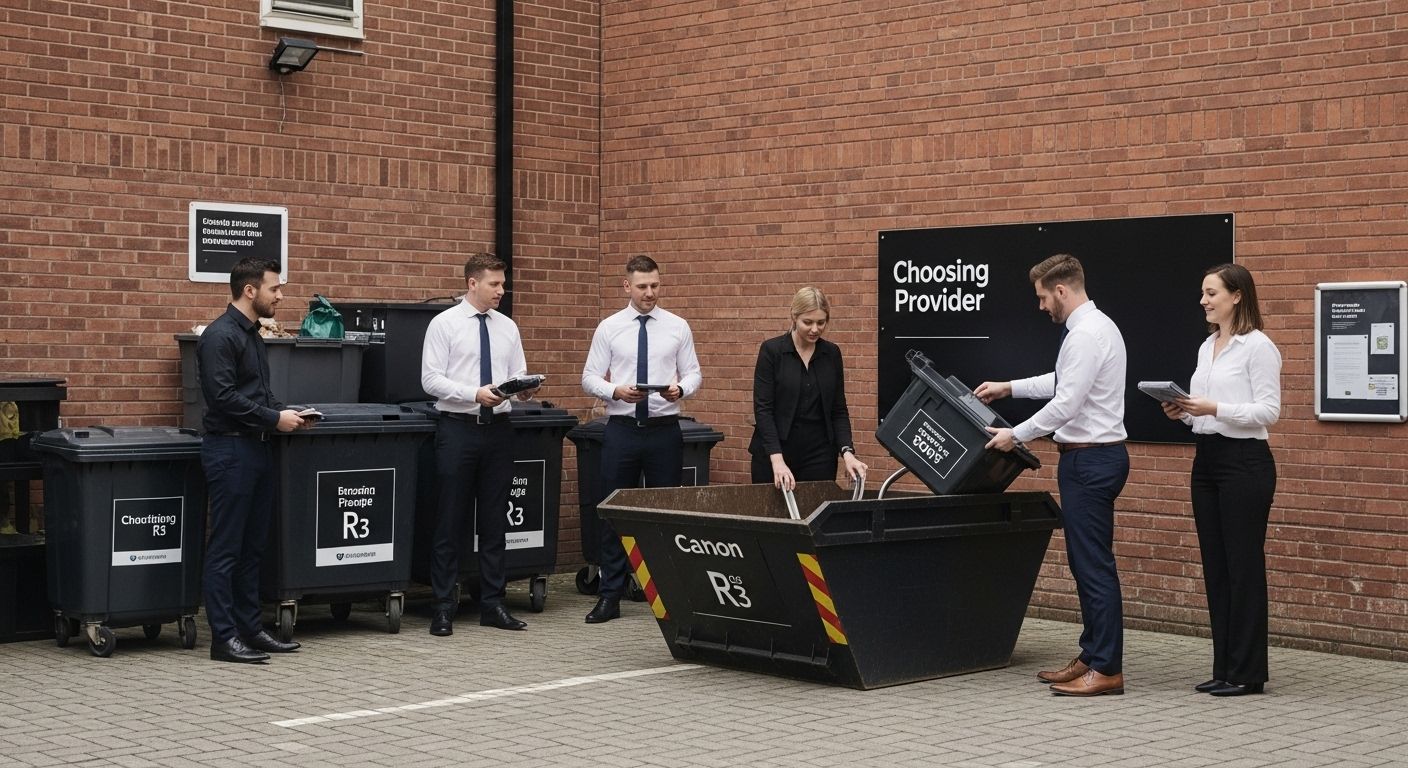
Choosing a Reliable Hazardous Waste Disposal Company

Selecting an appropriate hazardous waste disposal company represents a critical decision for educational institutions, directly impacting environmental safety, legal compliance, and institutional risk management. Schools must exercise rigorous due diligence when identifying a waste management partner capable of meeting their complex disposal requirements.

Certification and Regulatory Compliance

The foundation of selecting a reliable hazardous waste disposal company lies in verifying comprehensive regulatory credentials. Our detailed waste disposal guide emphasises the importance of examining a company’s environmental certifications and operational licenses.

Key certification considerations include:

  • Environment Agency Registration: Confirming official waste carrier license status
  • ISO 14001 Environmental Management Certification: Demonstrating systematic environmental responsibility
  • Waste Carriers License: Ensuring legal authorization for hazardous waste transportation

According to the Environment Agency, schools must verify a waste management provider’s credentials to guarantee legal and environmental compliance.

Technical Expertise and Specialisation

Educational institutions require waste disposal partners with specific expertise in managing complex scientific and institutional hazardous waste streams. Specialised knowledge becomes paramount when handling diverse waste types generated in school laboratories and facilities.

Critical technical competence indicators include:

  • Comprehensive Waste Stream Understanding: Ability to manage multiple hazardous waste categories
  • Advanced Disposal Technologies: Employing environmentally responsible treatment methods
  • Detailed Waste Tracking Systems: Providing transparent documentation and disposal reporting

The Health and Safety Executive recommends schools prioritise waste management companies demonstrating sophisticated technical capabilities and sector-specific experience.

Comprehensive Service Evaluation

Beyond technical capabilities, schools must assess a waste disposal company’s holistic service offering. This involves examining their operational reliability, environmental commitment, and overall institutional compatibility.

Evaluation criteria should encompass:

  • Responsive Customer Support: Immediate communication and problem resolution capabilities
  • Flexible Collection Scheduling: Accommodating educational institutional requirements
  • Competitive Pricing Structures: Offering transparent and reasonable disposal costs
  • Environmental Sustainability Credentials: Demonstrating commitment to responsible waste management

Schools in Newcastle, Durham, and across the North East should conduct thorough comparative assessments, requesting detailed service proposals and conducting site visits to potential waste management partners.

By implementing a comprehensive evaluation approach, educational institutions can select hazardous waste disposal partners who not only meet legal requirements but also demonstrate a genuine commitment to environmental protection and institutional safety.

Ultimately, the right waste disposal partner becomes an extension of the school’s environmental management strategy, providing expertise, reliability, and peace of mind in managing complex hazardous waste challenges.

school waste storage staff

Frequently Asked Questions

What types of hazardous waste are commonly found in schools?

Schools typically generate three main types of hazardous waste: chemical waste from science laboratories, electronic waste from outdated or broken electronic equipment, and biological waste from medical rooms or science experiments. Each category requires specific disposal and management strategies to ensure safety and compliance.

UK schools are required to comply with several regulations governing hazardous waste, including conducting comprehensive risk assessments, implementing proper storage protocols, and ensuring staff are trained in handling hazardous substances according to the Health and Safety Executive guidelines.

How can schools ensure safe storage and handling of hazardous waste?

To ensure safe storage and handling of hazardous waste, schools should implement best practices such as segregating incompatible substances, using secure containment systems, and maintaining a detailed inventory of hazardous materials. Additionally, staff training on personal protective equipment and safe handling procedures is crucial.

How should schools choose a reliable hazardous waste disposal company?

When choosing a hazardous waste disposal company, schools should verify certifications such as Environment Agency registration and ISO 14001 compliance, assess the company’s technical expertise in managing hazardous materials, and evaluate the service offered, including responsiveness and flexibility in scheduling waste collections.

Take Control of Hazardous Waste in Your School—Stay Compliant, Stay Safe

Is your school worried about the real risks of hazardous waste mismanagement, from hefty fines to student safety concerns? You need solutions that address the tough realities of complex legal duties, chemical storage requirements, and safe disposal. Many schools in the UK struggle to stay on top of regulations covering everything from electronic waste to laboratory chemicals. If the threat of penalties or harm keeps you awake, it is time to put those concerns to rest. Explore how the Waste Collection Network in UK for Businesses in 2025 meets all the needs highlighted in this article—offering professional management of hazardous, electronic, and medical waste in educational settings.

https://venturewaste.co.uk

Do not risk compliance failures or uncertain disposal procedures. Partner with experts who specialise in hazardous waste and understand every requirement set out by UK law. Visit Venture Waste Management to secure a reliable solution now. Book your school waste collection in three simple steps and safeguard both your students and your institution today.

waste management site

Site Waste Management Plans: Guide for UK Businesses 2025

Site waste is piling up across UK businesses, with financial penalties reaching up to £50,000 for each violation. Most think a simple recycling bin is enough to tick all the boxes. Yet a proper site waste management plan does far more than just satisfy regulators. It actually opens doors to reduced costs, a cleaner reputation, and even fresh income streams few have spotted.

Table of Contents

Quick Summary

Takeaway Explanation
Site waste management plans are essential. They help UK businesses comply with legal regulations and enhance operational efficiency.
Implement comprehensive waste assessments. Thorough evaluations of waste streams identify reduction opportunities and establish baseline measures for improvement.
Adopt waste reduction and segregation strategies. These strategies minimise environmental impact and lower operational costs by prioritising waste prevention and recycling.
Monitor progress regularly for improvement. Continuous tracking of waste metrics allows businesses to adapt their strategies and ensure compliance with evolving regulations.
Tailor approaches for different sectors. Recognising unique waste management needs in sectors like construction or healthcare leads to more effective plans and operational practices.

Why UK Businesses Need Site Waste Management Plans

Site waste management plans represent a critical strategic approach for UK businesses to systematically address their environmental responsibilities and operational efficiency. These comprehensive frameworks are no longer optional but essential mechanisms for organisations seeking to navigate complex regulatory landscapes while demonstrating corporate environmental stewardship.

In the United Kingdom, businesses face increasingly stringent waste management regulations that mandate structured approaches to waste disposal and resource management. The Environmental Protection Act 1990 and subsequent updates compel organisations to develop robust waste management strategies. Research from the Environment Agency indicates that businesses without comprehensive site waste management plans risk substantial financial penalties, potentially ranging from £1,000 to £50,000 per violation.

Moreover, the Waste (England and Wales) Regulations 2011 explicitly require businesses to apply the waste hierarchy principle, prioritising waste prevention, preparation for reuse, recycling, and other recovery methods before disposal. A well-structured site waste management plan enables organisations to demonstrate compliance and proactively manage their environmental impact.

Economic and Environmental Benefits

Beyond regulatory compliance, site waste management plans offer significant economic advantages. By implementing systematic waste reduction and recycling strategies, businesses can substantially reduce disposal costs. The U.S. Environmental Protection Agency highlights that structured waste management approaches can improve resource efficiency and reduce overall operational expenses.

Businesses in industrial regions like Newcastle, Manchester, and Birmingham can particularly benefit from these plans. For instance, manufacturing facilities can identify opportunities to repurpose waste materials, creating potential secondary revenue streams and reducing raw material procurement costs. This approach not only minimises environmental impact but also supports circular economy principles.

Moreover, companies with comprehensive waste management strategies often experience enhanced corporate reputation. Modern consumers and stakeholders increasingly value environmentally responsible businesses, making site waste management plans a strategic tool for brand positioning and stakeholder engagement. Learn more about optimising your waste management approach with our comprehensive guide.

By treating waste management as a strategic priority rather than a mere compliance requirement, UK businesses can transform potential environmental challenges into opportunities for innovation, cost reduction, and sustainable growth. Site waste management plans are not just documents but roadmaps towards more responsible and efficient organisational practices.

Key Elements of an Effective Site Waste Management Plan

Infographic outlining steps for effective site waste management plan

An effective site waste management plan is a comprehensive strategy that goes beyond mere compliance, serving as a strategic blueprint for sustainable business operations. Developing a robust framework requires careful consideration of multiple interconnected elements that address environmental, legal, and operational challenges.

Comprehensive Waste Assessment and Identification

The foundation of an effective site waste management plan begins with a thorough waste assessment. Research from the Environment Agency recommends businesses conduct detailed waste stream analyses to understand the precise nature and volume of waste generated. This involves categorising waste types, identifying potential reduction opportunities, and establishing baseline measurements.

Businesses must meticulously document various waste streams, including general waste, recyclable materials, hazardous substances, and industry-specific waste. The Better Buildings Partnership emphasizes the importance of creating a comprehensive inventory that considers waste generated across different operational stages, from initial procurement to final disposal.

Waste Reduction and Segregation Strategies

Implementing effective waste reduction and segregation strategies is crucial for minimising environmental impact and operational costs. The U.S. Environmental Protection Agency highlights the importance of applying the waste hierarchy principle: prioritising waste prevention, followed by reuse, recycling, recovery, and finally disposal.

Businesses in industrial regions like Newcastle, Manchester, and Birmingham can benefit from developing targeted waste segregation protocols. This might include dedicated recycling stations, clear signage, colour-coded waste containers, and staff training programmes. Explore our comprehensive waste management approach to understand how to implement these strategies effectively.

Monitoring, Reporting, and Continuous Improvement

A dynamic site waste management plan requires robust monitoring and continuous improvement mechanisms. According to the Federal Emergency Management Agency, businesses should establish clear systems for tracking waste generation, documenting waste removals, and regularly auditing waste management performance.

Key performance indicators might include total waste generated, recycling rates, waste reduction targets, and compliance with legal requirements. Regular reporting not only ensures regulatory adherence but also provides valuable insights for ongoing operational improvements. Businesses should create flexible frameworks that allow for periodic reviews and adaptations based on changing environmental regulations, technological advancements, and organisational needs.

By integrating these critical elements, UK businesses can transform their site waste management plans from mere compliance documents into strategic tools for environmental sustainability, cost reduction, and operational excellence.

To help summarise the most important components, the following table highlights key elements of an effective site waste management plan and their associated actions:

Key Element Description Example Actions
Waste Assessment Analyse and document all waste streams and volumes Baseline measurements, waste categorisation
Segregation Strategies Separate waste types and implement prevention and recycling steps Colour-coded bins, signage, staff training
Monitoring & Reporting Track waste generation, removal and compliance performance Regular audits, reporting KPIs, reviews
Continuous Improvement Adapt plan to changing regulations and operational needs Update strategies, implement new tech
Legal Compliance Fulfil national and local waste regulatory requirements Maintain records, use licensed carriers

Practical Steps for Different Business Sectors


Different business sectors require tailored approaches to site waste management, recognising that waste generation and disposal strategies vary significantly across industries. Understanding sector-specific challenges and opportunities is crucial for developing effective and efficient waste management plans.

Construction and Manufacturing Sectors

The construction and manufacturing industries generate substantial volumes of potentially recyclable and hazardous waste. Research from the US Environmental Protection Agency highlights the importance of implementing comprehensive waste management strategies specific to these sectors.

For construction businesses, practical steps include conducting pre-demolition audits, implementing strict material segregation protocols, and establishing on-site waste sorting stations. Contractors in cities like Newcastle, Manchester, and Birmingham should prioritise material reuse, ensuring that salvageable materials like metals, timber, and concrete are separated and redirected for recycling or repurposing.

Manufacturing facilities can benefit from implementing closed-loop waste management systems. This approach involves identifying waste streams that can be internally recycled or transformed into secondary raw materials, reducing overall waste generation and procurement costs. Learn more about optimising industrial waste processes to understand comprehensive waste reduction strategies.

Healthcare and Hospitality Sectors

Healthcare and hospitality sectors face unique waste management challenges requiring specialised approaches. A peer-reviewed study on ResearchGate emphasizes the critical importance of source separation and targeted waste reduction strategies.

In healthcare settings, waste management must address multiple categories including general waste, infectious materials, pharmaceutical waste, and potentially hazardous medical equipment. Practical steps include implementing colour-coded waste bins, providing comprehensive staff training on waste segregation, and establishing clear protocols for disposing of sensitive medical materials.

Hospitality businesses, including restaurants, hotels, and catering services, can focus on organic waste reduction. Strategies might include composting food waste, partnering with local agricultural initiatives, implementing portion control measures, and developing food donation programmes for unused edible items.

Retail and Office Environments

Retail and office environments, while generating less complex waste streams, still require structured waste management approaches. These sectors can focus on reducing paper waste, implementing comprehensive recycling programmes, and minimising single-use packaging and consumables.

Key strategies include digitising documents, establishing clear recycling guidelines, providing staff training on waste reduction, and selecting suppliers with sustainable packaging solutions. Office managers should consider implementing digital-first communication strategies, using electronic documents, and promoting a culture of waste consciousness among employees.

By recognising the unique waste management requirements of different business sectors, organisations can develop more targeted, effective site waste management plans that reduce environmental impact, lower disposal costs, and demonstrate corporate responsibility.

Below is a comparison table summarising practical sector-specific steps for effective site waste management in construction, manufacturing, healthcare, hospitality, and office/retail sectors:

Sector Waste Challenges Key Strategies & Actions
Construction High volume, mixed materials Pre-demolition audits, on-site segregation, material reuse
Manufacturing Industrial/process waste streams Closed-loop recycling, internal waste transformation
Healthcare Hazardous/medical waste Colour-coded bins, staff training, clear disposal protocols
Hospitality Organic & food waste Composting, portion control, food donations
Retail & Office Paper & packaging, general waste Digitisation, supplier selection, comprehensive recycling

Legal compliance in waste disposal represents a critical responsibility for UK businesses, encompassing complex regulatory frameworks that demand strategic understanding and proactive implementation. Navigating these legal requirements requires comprehensive knowledge of environmental regulations, waste management standards, and sustainable disposal practices.

The United Kingdom’s waste management legal landscape is structured through multiple legislative instruments, including the Environmental Protection Act 1990, Waste (England and Wales) Regulations 2011, and the Environmental Permitting Regulations. Research from the U.S. Environmental Protection Agency emphasizes the importance of understanding waste hierarchy principles, which prioritize waste prevention, preparation for reuse, recycling, and responsible disposal.

Businesses operating in industrial regions like Newcastle, Manchester, and Birmingham must ensure comprehensive documentation of waste streams, maintain accurate waste transfer notes, and demonstrate due diligence in waste management practices. Failure to comply can result in significant financial penalties, ranging from £1,000 to £50,000 per violation, and potential legal prosecution.

Sustainable Disposal and Environmental Responsibility

Sustainable waste disposal goes beyond mere legal compliance, representing a fundamental commitment to environmental stewardship. A government research report highlights the importance of developing comprehensive waste management strategies that minimise environmental impact and promote circular economy principles.

Key strategies for sustainable disposal include implementing waste reduction programmes, investing in recycling infrastructure, partnering with certified waste management providers, and continuously monitoring and reporting waste generation and disposal metrics. Businesses should prioritise waste streams that can be recycled, repurposed, or transformed into secondary raw materials, thereby reducing overall environmental footprint.

Practical Compliance Strategies

Implementing effective legal compliance and sustainable waste disposal requires a multifaceted approach. Businesses must develop robust internal policies, provide comprehensive staff training, and establish clear waste management protocols. Learn about our comprehensive waste compliance guide to understand the intricate details of legal waste management.

Practical steps include conducting regular waste audits, maintaining detailed records of waste generation and disposal, obtaining necessary environmental permits, and working with licensed waste carriers. Companies should also invest in technology and systems that enable precise tracking and reporting of waste streams, ensuring transparency and demonstrating commitment to environmental regulations.

By integrating legal compliance with sustainable disposal practices, UK businesses can transform waste management from a regulatory requirement into a strategic opportunity for environmental leadership and operational efficiency.

business waste disposal

Frequently Asked Questions

What is a Site Waste Management Plan (SWMP)?

A Site Waste Management Plan (SWMP) is a strategic document that outlines how a UK business will manage its waste throughout its operations. It includes comprehensive assessments, waste reduction strategies, monitoring procedures, and compliance with legal regulations.

Why do UK businesses need a SWMP?

UK businesses are required to have a SWMP to comply with environmental regulations. It helps avoid significant financial penalties, improves operational efficiency, reduces waste disposal costs, and enhances corporate reputation by demonstrating environmental responsibility.

What are the key elements of an effective SWMP?

An effective SWMP includes a thorough waste assessment, waste reduction and segregation strategies, monitoring and reporting frameworks, continuous improvement mechanisms, and adherence to legal compliance requirements.

How can different business sectors tailor their SWMPs?

Different sectors, such as construction, healthcare, and hospitality, can tailor their SWMPs by addressing their unique waste challenges, adopting sector-specific strategies for waste segregation, and focusing on the specific types of waste generated within their operations.

Transform Your Site Waste Management Plan Into Real Results

Implementing a site waste management plan can feel overwhelming, especially with the complexity of legal compliance and the risk of heavy fines for every misstep. The pressure to keep up with new regulations, monitor your waste streams, and meet efficiency targets is real. Many business leaders worry about missing something important that could put their reputation or finances at risk.

Discover how easy compliance and responsible waste handling can be when you partner with a trusted provider. Our Waste Collection Process in the UK for Businesses 2025 page shows exactly how we help businesses manage site waste efficiently, from initial assessment to final reporting.

https://venturewaste.co.uk

Move your waste strategies forward today. Visit Venture Waste Management for expert support in general and hazardous waste collection, confidential document destruction, and tailored recycling. Secure your compliance, save on operational costs, and create a cleaner business image. Don’t wait until a legal deadline approaches – book your complete waste solution now and turn complex regulations into a smooth process.

waste documentation office teamwork

Waste Documentation Requirements for UK Businesses 2025

Businesses across the UK face stricter waste documentation rules than ever before and the clock is ticking towards new 2025 requirements. You might think the real challenge is just storing a few extra documents or filling in more forms. Yet, the real surprise is that non-compliance can land your business with fines running into thousands of pounds and even reputational damage, all for missing a single waste transfer note. The paperwork is only the beginning and digital transformation and strict staff training have now become the difference between compliance and costly mistakes.

Table of Contents

Quick Summary

Takeaway Explanation
Understand waste documentation requirements UK businesses must comply with strict documentation laws governing waste handling and disposal.
Maintain accurate waste records Essential documents like waste transfer notes are required for at least two years to ensure traceability.
Implement digital documentation strategies Utilizing cloud-based systems and automated workflows reduces administrative burden and errors in waste management.
Conduct regular waste audits Periodic reviews identify inefficiencies and opportunities for improving waste management practices.
Provide comprehensive staff training Engaging staff in waste classification and compliance fosters a culture of environmental responsibility.

Understanding UK Waste Documentation Rules

In the complex landscape of waste management, UK businesses must navigate a stringent framework of documentation requirements to ensure legal compliance and environmental responsibility. These rules are designed to track waste from its point of origin through to final disposal, creating a transparent and accountable system that minimizes environmental risks and supports sustainable practices.

The UK’s waste documentation regulations are primarily governed by the Waste (England and Wales) Regulations 2011, which establish comprehensive guidelines for businesses handling waste. These regulations mandate detailed record-keeping and impose strict obligations on waste producers, carriers, and disposal facilities. Under these rules, businesses must maintain accurate written records of all waste transfers, ensuring traceability and accountability throughout the waste management process.

According to government waste management guidelines, businesses are required to generate and maintain several critical documents. These include waste transfer notes, consignment notes for hazardous waste, and comprehensive waste description documentation. Each document must contain specific details such as the type and quantity of waste, its source, transportation details, and final disposal method. The primary objective is to create a robust audit trail that enables environmental regulators to track waste movements and ensure proper handling.

Key Documentation Requirements for Businesses

Businesses operating in the UK must prepare and retain specific waste documentation for at least two years. The essential documents include:

  • Waste Transfer Notes: A mandatory document for every waste transfer, detailing the waste type, quantity, and parties involved in the transfer.
  • Hazardous Waste Consignment Notes: Specialized documentation required for tracking potentially dangerous or harmful waste materials.
  • Waste Description and Composition Records: Comprehensive documents outlining the precise nature and components of the waste being managed.

The documentation process is not merely a bureaucratic exercise but a critical mechanism for environmental protection. By maintaining meticulous records, businesses contribute to a circular economy approach, enabling better tracking, recycling, and responsible disposal of waste materials. Explore our comprehensive guide on waste management processes to understand how proper documentation supports sustainable business practices.

Non-compliance with these documentation requirements can result in significant legal and financial consequences. Environmental regulators conduct periodic audits and can impose substantial fines for incomplete or inaccurate waste records. Moreover, businesses that fail to maintain proper documentation may face reputational damage and potential restrictions on their waste management activities.

For businesses in cities like Newcastle, Manchester, and Leeds, understanding and implementing these waste documentation rules is not optional but a legal necessity. Each organization must develop robust internal systems to capture, record, and maintain accurate waste management documentation, demonstrating their commitment to environmental stewardship and regulatory compliance.

Essential Records and How to Maintain Them

Maintaining accurate and comprehensive waste documentation is a critical responsibility for UK businesses, requiring systematic record-keeping and meticulous attention to detail. The evolving regulatory landscape demands that organisations develop robust documentation strategies that go beyond mere compliance and contribute to environmental sustainability.

Comprehensive Waste Record Categories

Businesses must maintain several essential categories of waste records to meet legal requirements. According to the UK government’s Sustainability Reporting Guidance, organisations need to document waste by specific destinations and categories. These comprehensive records should include:

  • Waste Origin Documentation: Detailed logs identifying the precise source of waste within the organisation, including department, production line, or specific operational area.
  • Waste Composition Records: Precise descriptions of waste materials, categorizing them by type such as municipal waste, industrial waste, recyclable materials, and hazardous substances.
  • Transportation and Transfer Documentation: Complete records tracking waste movement, including carrier details, transportation routes, and transfer timestamps.

To help organise the types of documentation required, here is a summary table outlining key waste record categories, their purpose, and minimum retention periods:

Waste Record Category Purpose Minimum Retention Period
Waste Origin Documentation Identifies source within organisation 2 years
Waste Composition Records Describes type and components of waste 2 years
Waste Transfer Notes Tracks each non-hazardous waste transfer 2 years
Hazardous Waste Consignment Notes Tracks hazardous waste and disposal route 3 years
Transportation Documentation Tracks carrier details, routes, and timings 2 years
Recycling and Waste Stream Records Details separation and recycling efforts 2 years

Digital Documentation and Compliance Strategies

With the Simpler Recycling reforms effective from 31 March 2025, businesses must adapt their documentation practices to meet stringent new requirements. The Environment Agency mandates specific waste separation and detailed record-keeping for different waste streams, including dry recyclables, food waste, and residual materials.

Effective digital documentation strategies involve:

  • Implementing cloud-based waste tracking systems
  • Using standardized digital templates for waste transfer notes
  • Integrating real-time reporting mechanisms
  • Ensuring secure, long-term digital archival of waste records

Explore our comprehensive guide on waste management processes to understand advanced documentation techniques that streamline compliance and environmental reporting.

Record Retention and Audit Preparedness

Businesses must retain waste documentation for a minimum of two years, with some specialized records potentially requiring longer preservation periods. This archival approach supports potential environmental audits, internal reviews, and demonstrates an organisation’s commitment to transparent waste management.

For businesses operating in urban centres like Newcastle, Manchester, and Leeds, developing a systematic approach to waste record maintenance is crucial. This involves creating standardized internal protocols, training staff on documentation requirements, and establishing regular review processes to ensure ongoing compliance.

Non-compliance can result in significant financial penalties and reputational damage. Micro-firms have until 31 March 2027 to fully implement these documentation requirements, providing a transitional period for smaller organisations to adapt their waste management systems.

Ultimately, effective waste documentation is more than a regulatory requirement—it represents a strategic approach to environmental responsibility, resource management, and sustainable business practices. By investing in comprehensive record-keeping systems, UK businesses can transform waste documentation from a bureaucratic necessity into a valuable tool for operational improvement and environmental stewardship.

Navigating the complex landscape of waste management requires UK businesses to understand and comply with specific legal obligations for different waste types. The regulatory framework demands meticulous attention to classification, handling, and documentation of various waste streams, each with unique requirements and environmental considerations.

Hazardous Waste Management Regulations

Hazardous waste represents a critical category with stringent documentation and handling requirements. According to the Waste duty of care: code of practice, businesses must follow comprehensive guidelines for consigning and tracking hazardous materials. This includes:

  • Detailed consignment notes for every hazardous waste transfer
  • Specific packaging and labeling requirements
  • Mandatory use of authorized waste carriers
  • Comprehensive tracking from point of origin to final disposal

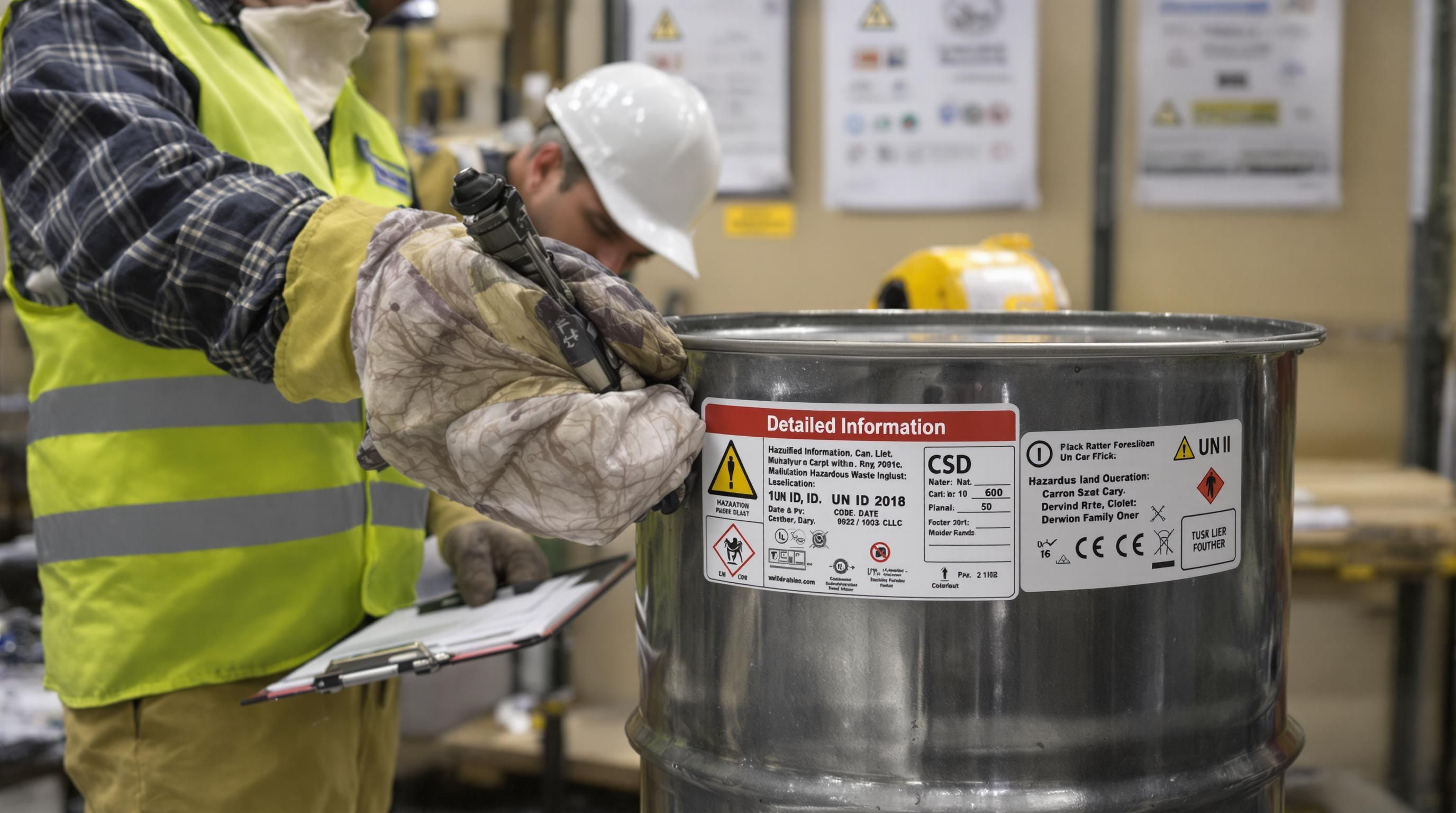
Businesses must maintain extremely precise records for hazardous waste, including chemical composition, potential environmental impacts, and specific disposal methodologies. The legal penalties for improper handling can be substantial, making thorough documentation critical.

Steps for hazardous waste documentation in the UK

Recyclable Waste Separation Requirements

The Separation of Waste (England) Regulations 2025 introduces significant changes to waste management protocols. From 31 March 2025, businesses must implement strict waste separation practices. The key requirements include:

  • Separate collection of dry recyclable materials (plastic, metal, glass, paper, and card)
  • Mandatory food waste segregation
  • Clear documentation of waste stream separation
  • Detailed reporting on recycling efforts

Below is a comparison table outlining the main requirements for hazardous waste and recyclable waste to help clarify compliance obligations:

Waste Type Key Documentation Handling & Separation Compliance Deadline
Hazardous Waste Consignment Notes Special packaging, labelled, tracked Ongoing (current law)
Recyclable Waste Separation Records, Reporting Separated by material (plastic, card, etc); food waste segregated 31 March 2025 (2027 for micro-firms)

Learn more about our comprehensive waste management approach to ensure full compliance with these new regulations. Micro-firms have been granted additional time, with compliance deadlines extended to 31 March 2027, providing smaller businesses with a transitional period to adapt their waste management systems.

Industry-Specific Waste Handling Obligations

Different industries face unique waste management challenges that require specialized approaches. Sectors such as healthcare, manufacturing, and hospitality must develop tailored waste documentation strategies that address their specific waste types. This involves:

  • Understanding sector-specific regulatory requirements
  • Developing industry-tailored waste management protocols
  • Implementing specialized tracking and disposal systems
  • Conducting regular internal audits and compliance checks

For businesses in cities like Newcastle, Manchester, and Leeds, understanding potential waste disposal fines becomes crucial. Non-compliance can result in significant financial penalties and reputational damage.

The evolving regulatory landscape demands a proactive approach to waste management. Businesses must view waste documentation not as a bureaucratic burden, but as an opportunity to demonstrate environmental responsibility and operational excellence. By investing in comprehensive waste management systems, organisations can transform their approach from mere compliance to genuine environmental stewardship.

Ultimately, meeting legal obligations for different waste types requires a holistic approach. It demands continuous education, robust internal systems, and a commitment to environmental sustainability that goes beyond basic regulatory requirements.

Best Practices for Streamlined Waste Management

Streamlining waste management has become a critical priority for UK businesses seeking to balance regulatory compliance with operational efficiency. The evolving landscape of environmental regulations demands a proactive and strategic approach that goes beyond mere documentation to create comprehensive, sustainable waste management systems.

Digital Transformation in Waste Documentation

Technology plays a pivotal role in modernizing waste management practices. According to the US Environmental Protection Agency’s Sustainable Materials Management guidelines, businesses should leverage digital solutions to enhance waste tracking and reporting. This involves:

  • Implementing cloud-based waste management platforms
  • Utilizing real-time tracking and reporting systems
  • Developing automated documentation workflows
  • Creating integrated digital repositories for waste records

Digital transformation enables businesses to move beyond traditional paper-based systems, reducing administrative burden and minimizing the risk of human error. Advanced software solutions can provide instant insights into waste streams, helping organisations make data-driven decisions about waste reduction and recycling strategies.

Comprehensive Staff Training and Engagement

Effective waste management is not solely a technological challenge but also a human one. Developing robust training programmes is essential for ensuring consistent compliance and creating a culture of environmental responsibility. Key training components should include:

  • Detailed workshops on waste classification and documentation
  • Practical sessions on waste segregation techniques
  • Understanding legal obligations and potential consequences of non-compliance
  • Developing skills in digital waste management systems

Learn strategies to optimize your waste management approach that can simultaneously reduce costs and improve environmental performance. Engaging staff across all levels creates a collaborative approach to waste management that extends beyond mere regulatory compliance.

Continuous Improvement and Waste Auditing

Regular waste audits represent a critical best practice for businesses seeking to streamline their waste management processes. These comprehensive reviews involve:

  • Detailed analysis of current waste generation patterns
  • Identification of potential reduction and recycling opportunities
  • Assessment of existing documentation and reporting systems
  • Benchmarking against industry best practices

Businesses in urban centres like Newcastle, Manchester, and Leeds can benefit significantly from systematic waste auditing. By conducting periodic reviews, organisations can continuously refine their waste management strategies, identifying inefficiencies and implementing targeted improvements.

The most successful waste management approaches view documentation and compliance not as administrative burdens but as strategic opportunities for operational excellence. By integrating advanced technologies, investing in staff training, and maintaining a commitment to continuous improvement, UK businesses can transform their waste management from a regulatory requirement to a competitive advantage.

waste management compliance facility

Ultimately, streamlined waste management requires a holistic approach that balances technological innovation, staff engagement, and a genuine commitment to environmental sustainability. As regulatory landscapes continue to evolve, businesses that proactively adapt their waste management strategies will be best positioned to succeed in an increasingly environmentally conscious business environment.

Frequently Asked Questions

What are the essential waste documentation requirements for UK businesses?

Businesses in the UK must maintain accurate waste transfer notes, hazardous waste consignment notes, and waste description records for at least two years to comply with legal obligations.

What are the consequences of non-compliance with waste documentation regulations?

Non-compliance can result in substantial fines, reputational damage, and potential restrictions on waste management activities for businesses.

How can businesses effectively manage waste documentation?

Businesses can streamline waste documentation by implementing digital systems for tracking, utilizing standardised templates, and conducting regular audits to ensure compliance and operational efficiency.

What specific requirements apply to hazardous waste documentation?

Hazardous waste documentation requires detailed consignment notes, accurate labelling, and tracking from the point of origin to disposal, along with compliance with specific packaging and handling regulations.

Take the Stress Out of Waste Documentation Compliance

Are you worried about meeting the strict waste documentation rules arriving in 2025? Whether you are challenged by tracking endless transfer notes or concerned about costly fines for missing paperwork, you are not alone. The latest requirements put accurate record-keeping and digital compliance at the heart of your business responsibilities. If the thought of audits and new digital practices feels overwhelming, it is time to seek support that simplifies the process.

Discover how our business waste collection process can keep your documentation on track

https://venturewaste.co.uk

Let Venture Waste show you exactly how easy compliance can be. Our team manages paperwork, digital records and regulatory requirements across general, hazardous and confidential waste. Get started now with a smooth booking process, reliable service and expert guidance by visiting Venture Waste Management. Secure peace of mind and confidently meet your 2025 documentation obligations today.

skip hire construction

What Is a Skip Hire? Complete Guide for UK Businesses 2025

Skip hire is everywhere you look in the UK and it is the silent engine behind construction sites, office clearances, and commercial refits. Skip hire firms handle millions of tonnes of business waste each year, making them a backbone of British waste management. What most people do not realise is that using the wrong skip or dodging permit rules could land your company with hefty fines and unexpected hurdles.

Table of Contents

Quick Summary

Takeaway Explanation
Understand skip hire services for waste management Skip hire provides businesses a practical solution for disposing of large waste volumes efficiently.
Know the legal requirements for placing skips Businesses must obtain permits for skips on public roads to comply with regulations and ensure safety.
Choose the right skip size for your waste Selecting the appropriate skip size based on waste type optimizes collection and disposal processes.
Evaluate waste management providers carefully Consider factors like compliance, reliability, and environmental credentials when choosing a skip hire provider.
Recognize the benefits of skip hire for your business Utilising skip hire can lead to cost savings, improved safety, and better environmental compliance for businesses.

Understanding What Is a Skip Hire Service

A skip hire service represents a critical waste management solution for businesses across the United Kingdom, providing a convenient and efficient method for disposing of large volumes of waste materials. At its core, a skip hire service involves renting a large, robust metal container that can be delivered to a specific location, allowing businesses to collect and remove substantial quantities of waste quickly and systematically.

The Fundamental Mechanics of Skip Hire

Skip hire services operate on a straightforward principle of providing businesses with a temporary waste collection container. These containers come in various sizes, typically ranging from 2 to 40 cubic yards, enabling organisations to select the most appropriate option based on their specific waste disposal requirements. Our comprehensive skip hire guide provides detailed insights into selecting the right skip size for different business needs.

The process begins with a business contacting a waste management provider to arrange skip delivery. According to the Health and Safety Executive, workplace transport accidents are prevalent in waste management, emphasising the importance of selecting a professional and safety-conscious skip hire service. Once delivered, businesses can load the skip with their waste materials, which are then collected and transported to appropriate waste processing or disposal facilities.

Businesses must navigate specific legal requirements when utilising skip hire services, particularly when placing skips on public highways. The Traffic Management Act 2004 mandates that local authorities can impose charges for skip occupation of public spaces. Organisations must obtain a skip licence or permit from their local council when positioning a skip on a public road. This requirement ensures compliance with safety regulations, including proper markings, safety lights, and traffic cones to prevent potential accidents and minimise public disruption.

Skip hire services cater to a wide range of business sectors, from construction and demolition to retail, manufacturing, and healthcare. The versatility of these services allows organisations to manage various waste types efficiently, including construction debris, office clearance materials, renovation waste, and general commercial refuse. By providing a centralised waste collection solution, skip hire services help businesses streamline their waste management processes, reduce environmental impact, and maintain compliance with waste disposal regulations.

Understanding the nuances of skip hire is crucial for businesses seeking efficient and responsible waste management solutions. From selecting the appropriate skip size to navigating legal requirements and ensuring safe waste disposal, businesses must approach skip hire with careful consideration and strategic planning.

Skip hire process overview for UK businesses

Types of Waste Suitable for Skip Hire

Skip hire services provide businesses with a versatile solution for managing diverse waste streams, accommodating a wide range of materials across multiple industry sectors. Understanding the acceptable waste types is crucial for efficient and compliant waste disposal.

Construction and Demolition Waste Management

Construction and demolition projects generate substantial volumes of waste materials that are particularly well-suited for skip hire. According to ETM Recycling, commonly accepted construction waste includes bricks, concrete, tiles, plaster, stones, wood, metals, and rubble. These materials represent the primary waste streams for renovation, building, and infrastructure projects across the United Kingdom.

Businesses in the construction sector can efficiently manage their waste by segregating materials and utilising appropriately sized skips. Our comprehensive skip hire options guide provides detailed insights into selecting the most suitable skip for different project requirements.

General Commercial and Industrial Waste

Beyond construction, skip hire services cater to a broad spectrum of commercial and industrial waste disposal needs. HIPPO waste management highlights that acceptable waste streams include general household and garden waste, pallets, and mixed commercial refuse. Manufacturing facilities, retail establishments, and office complexes can leverage skip hire services to manage their waste efficiently.

However, businesses must exercise caution and adhere to strict guidelines regarding prohibited materials. Hazardous waste items are strictly forbidden in standard skip hire services. These restricted materials typically include:

  • Asbestos
  • Clinical or medical waste
  • Batteries
  • Electronic equipment (fridges, computers, monitors)
  • Compressed gas canisters
  • Chemical substances
  • Paint and liquid waste
  • Tyres
  • Fluorescent tubes

Specialised Waste Handling Considerations

Different industries require nuanced approaches to waste management. Cambridge City Council provides insights into specialised waste categories, highlighting the importance of proper waste segregation. Businesses can access specific skips designed for unique waste streams, including:

  • Green waste
  • Hardcore and inert materials
  • Metal waste
  • Upholstered seating
  • Wood waste

Professional waste management providers offer guidance on appropriate waste disposal methods, ensuring businesses remain compliant with environmental regulations and minimise their ecological footprint. By understanding the types of waste suitable for skip hire and the associated restrictions, organisations can develop more sustainable and efficient waste management strategies.

Navigating the complexities of waste disposal requires careful planning, attention to detail, and a commitment to responsible environmental practices. Skip hire services offer businesses a flexible and practical solution for managing their waste disposal needs across various sectors and project scales.

To help clarify what materials can and cannot be disposed of in a skip via standard hire services, the table below summarizes accepted and prohibited waste types mentioned above:

Waste Type Accepted in Standard Skip Hire? Notes
Bricks, Concrete, Rubble Yes Common in construction and demolition projects
Wood, Metals, Tiles, Plaster Yes Standard, non-hazardous forms only
General Household/Garden Waste Yes Includes furniture, garden trimmings, pallets
Green Waste Yes (with correct skip) May require separate skip
Hardcore/Inert Materials Yes (with correct skip) May require separate skip
Asbestos No Prohibited hazardous material
Clinical or Medical Waste No Strictly prohibited
Batteries No Must use specialist disposal
Electronic Equipment No Includes fridges, computers, monitors, etc
Gas Canisters, Chemicals, Paint No All forms strictly forbidden unless arranged with provider
Tyres, Fluorescent Tubes No Not allowed in standard skip hire

Benefits of Skip Hire for UK Businesses

Skip hire services offer substantial strategic advantages for UK businesses seeking efficient and responsible waste management solutions. These services provide more than simple waste disposal, delivering comprehensive benefits that impact operational effectiveness, environmental sustainability, and financial performance.

Cost-Effective Waste Management

Businesses can significantly reduce waste management expenses through professional skip hire services. By consolidating waste collection and transportation into a single, streamlined process, organisations eliminate multiple handling costs associated with fragmented waste disposal methods. Our comprehensive skip hire guide demonstrates how businesses can optimise their waste management budgets through strategic skip utilisation.

The Economic and Social Research Council highlights that efficient waste management can reduce operational costs by up to 25% for medium-sized enterprises. Skip hire services enable businesses to centralise waste collection, minimise transportation expenses, and reduce the administrative burden of managing multiple waste disposal contractors.

Environmental and Regulatory Compliance

Skip hire services play a crucial role in supporting businesses’ environmental sustainability objectives. According to the Waste and Resources Action Programme (WRAP), professional skip hire providers ensure proper waste segregation and recycling, helping businesses meet increasingly stringent environmental regulations.

By partnering with certified waste management providers, businesses can:

  • Reduce landfill contributions
  • Enhance waste recycling rates
  • Demonstrate corporate environmental responsibility
  • Comply with UK waste management legislation
  • Minimise potential regulatory penalties

Operational Efficiency and Safety

Professional skip hire services contribute significantly to workplace safety and operational efficiency. The Health and Safety Executive emphasises that structured waste management reduces workplace accidents and improves overall site organisation.

Businesses benefit from skip hire services through:

  • Centralised waste collection points
  • Reduced manual handling of waste materials
  • Improved workplace safety protocols
  • Simplified waste management tracking
  • Minimised risk of injury during waste disposal

Skip hire represents more than a waste disposal solution it is a strategic approach to managing business resources. By integrating professional skip hire services, organisations can transform waste management from a logistical challenge into a value-added business practice.

The multifaceted benefits of skip hire extend beyond immediate waste disposal needs. From financial savings and environmental stewardship to enhanced operational safety, these services provide UK businesses with a comprehensive solution for managing their waste streams efficiently and responsibly.

The following table summarises the major benefits of skip hire services for UK businesses as discussed above:

Key Benefit How Skip Hire Delivers This Benefit
Cost Savings Reduces handling and transport costs, streamlines processes
Waste Management Efficiency Centralises collection, minimises contractor coordination
Environmental Sustainability Promotes recycling, reduces landfill, supports compliance
Regulatory Compliance Ensures adherence to UK laws and reduces risk of fines
Improved Workplace Safety Minimises manual handling, reduces accident risks
Simplified Tracking & Reporting Eases monitoring and regulatory paperwork
Flexibility for Multiple Sectors Serves construction, retail, healthcare, industrial, and more

Choosing the Right Skip Hire Provider

Selecting an appropriate skip hire provider is a critical decision for UK businesses, requiring careful evaluation of multiple factors beyond simple cost considerations. The right waste management partner can significantly impact operational efficiency, environmental compliance, and overall business sustainability.

Key Evaluation Criteria

Businesses must conduct comprehensive assessments when selecting a skip hire provider. Our detailed skip hire guide recommends examining several crucial elements during the selection process. According to the Sustainability Exchange, cost should not be the sole determining factor in choosing a waste management service.

Critical evaluation criteria include:

  • Regulatory compliance certifications
  • Range of skip sizes and waste management capabilities
  • Environmental credentials and recycling rates
  • Reliability and punctuality of service
  • Transparent pricing structures
  • Local operational coverage
  • Customer support and responsiveness

Compliance and Environmental Responsibility

The UK government’s waste management guidelines emphasize the importance of selecting providers who demonstrate robust environmental credentials. Businesses should prioritise skip hire providers that:

  • Hold current waste carrier licences
  • Provide comprehensive waste transfer documentation
  • Demonstrate high recycling and waste diversion rates
  • Maintain transparent waste processing practices
  • Comply with current environmental regulations
  • Offer detailed waste stream tracking

Strategic Selection Process

Developing a strategic approach to skip hire provider selection requires collaborative input. The Sustainability Exchange recommends involving multiple organisational stakeholders, including purchasing officers, waste management specialists, and environmental compliance teams.

Key steps in the selection process include:

  • Conducting comprehensive market research
  • Requesting detailed service proposals
  • Checking provider references and past performance
  • Evaluating waste management reporting capabilities
  • Assessing flexibility in service provision
  • Understanding contract terms and conditions

Businesses must recognise that skip hire providers are more than transactional service vendors they are strategic partners in achieving waste management objectives. The right provider will offer not just waste removal but comprehensive solutions that support organisational sustainability goals.

By implementing a thorough, methodical selection process, businesses can identify skip hire providers that align with their operational requirements, environmental commitments, and long-term waste management strategies. The investment in careful provider selection will yield significant operational and environmental benefits for UK businesses across various industries.

skip hire office business

Frequently Asked Questions

What is skip hire?

Skip hire refers to a service that allows businesses to rent large metal containers (skips) for the temporary collection and disposal of waste materials. It is a convenient solution for managing substantial volumes of waste generated during construction, renovation, or general commercial activities.

What types of waste can be disposed of in a skip?

Generally, skips can accommodate construction debris, general commercial waste, and garden waste. However, hazardous materials such as asbestos, batteries, and electronic equipment are prohibited in standard skip hire services.

Do I need a permit for placing a skip on the road?

Yes, if you plan to place a skip on a public highway, you will need to obtain a skip licence from your local council to ensure compliance with legal regulations and safety measures.

How do I choose the right skip size for my needs?

Choosing the appropriate skip size depends on the volume and type of waste you need to dispose of. Skips are available in various sizes ranging from 2 to 40 cubic yards, and it’s essential to select one that fits the scale of your project to optimise the collection and disposal process.

Ready to Simplify Your Business Waste Management?

Feeling overwhelmed by legal requirements, skip sizes, or disposal regulations? Many UK businesses struggle with finding a compliant and straightforward skip hire service, which can create delays, uncertainty, and the risk of costly mistakes. As highlighted in our guide, the consequences of poor skip placement or choosing the wrong provider can undermine your waste management goals and put your operations at risk.

https://venturewaste.co.uk

Turn confusion into clarity with Venture Waste Management. We offer skip hire and waste solutions that are fully compliant, environmentally responsible, and tailored for UK businesses. With our three-step booking process, you can arrange safe collection, manage all types of commercial waste, and rest assured your business stays on the right side of the law. Take advantage of our network, regulatory expertise and commitment to quality service. Visit the Venture Waste Management homepage to explore our flexible skip hire and waste collection options and take the first step towards hassle-free waste compliance. Act now to protect your business and achieve sustainable waste management.

waste segregation tips

Waste Segregation Tips for UK Businesses: 2025 Guide

UK businesses are about to face a wave of new rules on waste segregation that will directly impact day-to-day operations. You might think sorting rubbish is just about ticking a compliance box, but the numbers tell a different story. From 31 March 2025 every company must separate waste into set categories or risk fines that can reach thousands of pounds. This is forcing organisations to look far beyond simple recycling bins and rethink their approach entirely.

Table of Contents

Quick Summary

Takeaway Explanation
Understand waste categories early Identifying dry recyclables, food waste, hazardous, and non-recyclable waste is crucial for compliance.
Implement clear segregation systems Use labelled bins to separate waste types and conduct comprehensive waste audits to improve practices.
Train staff on waste management Ensuring employees are educated on proper waste segregation is essential for effective compliance and sustainability.
Stay updated on legal requirements Businesses must monitor evolving regulations concerning waste disposal and ensure adherence to avoid penalties.
Explore innovative waste solutions Advanced technologies in waste treatment can significantly enhance efficiency and environmental responsibility in managing hazardous waste.

Understanding Waste Types in UK Workplaces

Effective waste management begins with comprehensive understanding of waste classifications. Businesses across the United Kingdom face increasingly stringent regulations that demand precise waste segregation strategies. As of 31 March 2025, organisations will be required to implement robust waste categorisation systems that go beyond traditional disposal methods.

Categories of Workplace Waste

Workplace waste is not a uniform entity but a complex landscape of different materials requiring specific handling protocols. Our comprehensive guide to waste management practices outlines several critical waste categories that businesses must recognise and manage responsibly.

According to UK government environmental guidelines, workplace waste can be broadly categorised into several key types:

  • Dry Recyclable Materials: Includes paper, cardboard, plastic, metal, and glass that can be processed and reused
  • Food Waste: Organic materials from kitchens, cafeterias, and food preparation areas
  • Non-Recyclable Waste: Materials that cannot be recycled and must be disposed of responsibly
  • Hazardous Waste: Potentially dangerous materials requiring specialised disposal techniques

Here is a summary of the main workplace waste categories and their descriptions for easy reference:

Waste Category Examples/Features Handling Requirement
Dry Recyclable Materials Paper, cardboard, plastic, metal, glass Must be sorted and sent for recycling
Food Waste Kitchen and cafeteria organic waste Collected separately for composting/anaerobic digestion
Non-Recyclable Waste Items that cannot be recycled (e.g. certain plastics, contaminated materials) Requires landfill or energy recovery, not recycling
Hazardous Waste Chemicals, clinical waste, solvents, batteries, electronics Specialist disposal and strict controls

Regulatory Compliance and Waste Segregation

The NHS’s Health Technical Memorandum provides crucial insights into waste management standards. Businesses must understand that waste segregation is not merely an environmental courtesy but a legal requirement. Improper waste handling can result in significant financial penalties and environmental damage.

For instance, healthcare facilities must pay particular attention to clinical waste streams. Construction sites must differentiate between inert materials, contaminated waste, and recyclable components. Offices need robust systems to manage electronic waste, paper documents, and general office refuse.

Companies operating in regions like Newcastle, Durham, and Sunderland must develop tailored waste management strategies that reflect both local regulations and industry-specific requirements. Each sector presents unique challenges in waste segregation and disposal.

Key considerations for effective waste management include:

  • Conducting comprehensive waste audits
  • Training staff in proper waste identification
  • Investing in appropriate segregation infrastructure
  • Maintaining detailed documentation of waste streams
  • Partnering with certified waste management providers

By 2025, businesses will be expected to demonstrate not just compliance, but a proactive approach to waste reduction and responsible environmental stewardship. Understanding waste types is the foundational step towards creating a sustainable, compliant workplace waste management system.

Practical Waste Segregation Tips for Businesses

Implementing effective waste segregation strategies requires a systematic and comprehensive approach. Businesses across the United Kingdom must develop robust protocols that not only comply with environmental regulations but also contribute to sustainable waste management practices.

Establishing Effective Waste Segregation Systems

Our comprehensive guide to waste reduction strategies emphasises the importance of creating a structured waste management plan. According to UK environmental guidelines, businesses must implement clear segregation protocols that separate waste into distinct categories.

Key steps for creating an effective waste segregation system include:

  • Conduct a Comprehensive Waste Audit: Analyse current waste generation patterns and identify opportunities for improved segregation
  • Invest in Appropriate Containment: Use clearly labeled, color-coded bins for different waste types
  • Develop Clear Staff Training Programmes: Ensure all employees understand proper waste segregation techniques

The Business of Recycling organisation recommends strategic placement of waste containers to maximise effective segregation. This includes positioning recycling stations in high-traffic areas and near waste generation points.

Technical Considerations for Waste Management

Businesses must pay close attention to specific technical aspects of waste segregation. Environmental regulations mandate secure storage and proper containment of different waste streams.

Special considerations apply to various industry sectors:

  • Manufacturing facilities must separate industrial waste from recyclable materials
  • Healthcare providers need specialized containment for clinical and hazardous waste
  • Office environments require distinct systems for electronic waste, paper documents, and general refuse

In regions like Newcastle, Durham, and Sunderland, businesses must develop localised waste management strategies that reflect both regional guidelines and industry-specific requirements.

Practical implementation involves several critical steps:

  • Install clear signage explaining waste segregation requirements
  • Provide dedicated training sessions for staff
  • Implement regular waste management audits
  • Partner with certified waste management providers
  • Maintain detailed documentation of waste streams

The following table summarises the critical steps required to implement an effective waste segregation system in the workplace:

Step Description
Conduct Waste Audit Assess waste types, sources, and volumes
Invest in Containment Implement labelled, colour-coded bins for each waste stream
Staff Training Educate staff on segregation procedures and why they’re important
Install Signage Use clear instructions at waste stations
Partner with Providers Work with certified waste management specialists
Regular Audits and Documentation Schedule ongoing checks and maintain records of waste streams

By 2025, businesses will be expected to demonstrate not just compliance, but a proactive approach to waste reduction. Effective waste segregation is more than a regulatory requirement it is a critical component of environmental responsibility and sustainable business practices.

Infographic of UK business waste categories and sorting process

Waste disposal compliance represents a critical legal responsibility for businesses across the United Kingdom. The regulatory landscape continues to evolve, with increasingly stringent requirements designed to minimise environmental impact and promote sustainable waste management practices.

Understanding Regulatory Frameworks

Our comprehensive guide to waste management compliance highlights the complex legal obligations businesses must navigate. According to GOV.UK waste management guidelines, businesses have a fundamental duty of care to ensure proper waste handling and disposal.

Key legal requirements include:

  • Maintaining accurate waste transfer documentation
  • Ensuring waste is transferred only to licensed waste carriers
  • Implementing appropriate waste tracking and recording systems
  • Demonstrating responsible waste management practices

The Health and Safety Executive (HSE) emphasises that businesses must comply with multiple legislative frameworks, including the Health and Safety at Work Act 1974 and the Waste Regulations 2011.

Sector-Specific Compliance Obligations

Different industry sectors face unique waste disposal compliance challenges. Manufacturing facilities in Newcastle, construction companies in Durham, and healthcare providers in Sunderland must develop tailored approaches that meet specific regulatory requirements.

Critical compliance considerations include:

  • Hazardous waste management protocols
  • Specific disposal requirements for electronic and industrial waste
  • Documentation and reporting standards for waste streams
  • Environmental impact assessment procedures

Businesses must remain vigilant about evolving regulations. The Environmental Protection Agency guidelines recommend a hierarchical approach to waste management that prioritises prevention, reuse, and recycling before disposal.

Practical steps for maintaining legal compliance include:

  • Conducting regular internal waste management audits
  • Providing comprehensive staff training on waste regulations
  • Establishing robust record-keeping systems
  • Partnering with certified waste management professionals
  • Staying informed about legislative updates

Non-compliance can result in significant financial penalties, potential legal action, and reputational damage. By 2025, businesses will be expected to demonstrate not just minimal compliance, but a proactive and strategic approach to waste management that aligns with environmental sustainability goals.

Effective waste disposal compliance is more than a legal obligation it represents a fundamental commitment to environmental responsibility and sustainable business practices.

Innovative Solutions for Hazardous and Special Waste

Businesses in the United Kingdom face increasingly complex challenges when managing hazardous and special waste. As environmental regulations become more stringent, innovative solutions are crucial for responsible waste management that protects both human health and ecological systems.

Advanced Waste Treatment Technologies

Our comprehensive guide to hazardous material disposal highlights emerging technologies transforming waste management strategies. According to the U.S. Department of Energy, cutting-edge technologies are revolutionising hazardous waste treatment.

Emergent technologies for hazardous waste management include:

  • Supercritical Water Oxidation: Destroys hazardous chemicals using high-temperature, high-pressure water environments
  • Microwave-Assisted Destruction: Efficiently breaks down chlorinated hydrocarbons
  • Paramagnetic Metal Separation: Enables precise extraction of hazardous metal contaminants

The Environmental Protection Agency emphasises the importance of recycling and reclaiming hazardous materials wherever possible, reducing environmental impact and resource consumption.

Sector-Specific Hazardous Waste Management

Different industries in regions like Newcastle, Durham, and Sunderland require tailored approaches to hazardous waste management. Manufacturing, healthcare, and chemical sectors face unique challenges that demand specialised solutions.

Key strategies for managing hazardous waste include:

  • Implementing advanced filtration and neutralisation technologies
  • Developing closed-loop recycling systems
  • Investing in employee training for safe handling
  • Utilising real-time monitoring and tracking systems
  • Partnering with specialised waste management providers

The American Society of Civil Engineers recommends a proactive approach focusing on waste reduction, resource recovery, and sustainable manufacturing processes.

Businesses must prioritise:

  • Comprehensive risk assessments
  • Regular technology upgrades
  • Continuous staff education
  • Transparent reporting mechanisms
  • Investment in research and development

By 2025, innovative waste management will be more than a regulatory requirement it will be a fundamental aspect of corporate environmental responsibility. Companies that embrace advanced technologies and sustainable practices will not only comply with regulations but also demonstrate leadership in environmental stewardship.

The future of hazardous waste management lies in prevention, technological innovation, and a holistic approach to resource conservation and environmental protection.

hazardous waste management

Frequently Asked Questions

What are the main categories of workplace waste in the UK?

Workplace waste can be broadly categorised into four types: dry recyclable materials (e.g., paper, plastic, metal), food waste, non-recyclable waste, and hazardous waste. Understanding these categories is essential for compliance with upcoming regulations.

How can businesses implement effective waste segregation systems?

Businesses can implement effective waste segregation systems by conducting waste audits, using clearly labelled and colour-coded bins, and training staff on proper waste handling procedures to ensure compliance with regulations.

What are the penalties for non-compliance with waste segregation regulations in the UK?

From 31 March 2025, UK businesses failing to comply with waste segregation regulations risk facing substantial fines, which can amount to thousands of pounds, in addition to potential legal liabilities.

Why is staff training important for waste management in businesses?

Staff training is crucial for effective waste management as it educates employees on proper segregation techniques, ensuring that waste is disposed of correctly and in accordance with legal requirements, thereby reducing the risk of non-compliance.

Ready to Master Waste Segregation Before 2025?

Is your business prepared for the strict waste segregation rules coming into force in March 2025? Many companies are struggling with confusion over the right waste categories, staff training, and the constant pressure to prove compliance. If you are concerned about avoiding fines or simply want a reliable way to stay ahead of evolving regulations, practical support is within your reach. Discover what makes a truly compliant waste system by exploring our Waste Collection Process in the UK for Businesses 2025 and see how a structured approach transforms compliance headaches into routine efficiency.

https://venturewaste.co.uk

Take the next step towards worry-free waste management. Visit Venture Waste Management to experience tailored solutions for general waste, hazardous materials, and confidential destruction. Secure your business against costly mistakes by booking a collection or browsing our easy three-step process today. With new rules fast approaching, now is the best time to future-proof your waste strategy.

Office workers recycling cardboard boxes near informative recycling posters

Cardboard Recycling Guide 2025: Essential Tips for UK Businesses

Cardboard might seem like just another bit of everyday rubbish for most UK businesses. But did you know that over 12 million tonnes of cardboard and paper are used in the UK each year? Most of it ends up as waste. The real surprise is that recycling it properly can actually save your business money and even boost your reputation at the same time.

Table of Contents

Quick Summary

Takeaway Explanation
Understand cardboard types for compliance Knowing the different cardboard types aids in proper recycling and compliance with regulations.
Prepare cardboard correctly for recycling Cleaning, sorting, and flattening cardboard enhances recycling efficiency and reduces contamination risks.
Implement closed-loop recycling systems Closed-loop recycling minimises waste by reusing materials within the supply chain, fostering sustainability.
Maintain documentation for compliance tracking Rigorous tracking of recycling processes ensures adherence to regulations and helps monitor environmental impact.
Leverage recycling for business benefits Cardboard recycling can lower disposal costs and enhance corporate reputation while engaging employees in sustainability efforts.

Understanding Cardboard Types and Compliance

Cardboard recycling represents a critical component of sustainable waste management for UK businesses. Understanding the nuanced landscape of cardboard types and regulatory compliance is essential for organisations aiming to minimise environmental impact and meet legal requirements.

Classification of Cardboard Materials

Below is a summary table comparing key features of the three main types of corrugated cardboard mentioned, which will help businesses determine the right handling and recycling practices for each.

Type of Cardboard Structure Typical Uses Recyclability Considerations
Single-wall One fluted layer between two liner boards Light packaging, parcels Most recyclable, common in offices
Double-wall Two fluted layers, three liners Heavy-duty shipping, equipment packaging Requires more space, still recyclable
Triple-wall Three fluted layers, four liner boards Industrial containers, bulky/heavy consignments Bulky but fully recyclable

Single-wall cardboard represents the most common type, typically used in packaging for lighter products. These materials feature a single layer of fluted paper sandwiched between two flat liner boards. Double-wall and triple-wall variants offer increased structural integrity, making them suitable for heavier industrial applications such as shipping containers and equipment packaging.

Comparison of single, double, and triple-wall cardboard types for recycling

Regulatory Compliance and Recycling Standards

Businesses must navigate a complex regulatory environment when managing cardboard waste. The UK’s waste management regulations mandate specific protocols for cardboard disposal and recycling. Companies are required to demonstrate responsible waste handling, which includes proper segregation, collection, and documentation of cardboard recycling processes.

The primary objective is to ensure that cardboard waste is processed through approved recycling channels, minimising environmental contamination and promoting circular economy principles. This involves understanding local council guidelines, working with certified waste management providers, and maintaining accurate records of waste stream management.

Best Practices for Cardboard Waste Management

Effective cardboard recycling requires a strategic approach. Businesses should implement comprehensive waste sorting systems that separate clean, dry cardboard from contaminated materials. Contamination with food residues, oils, or non-paper materials can render entire batches unrecyclable, increasing waste management costs and environmental impact.

Professional waste audits can help organisations identify inefficiencies in their current cardboard disposal practices. Venture Waste’s comprehensive waste management solutions offer businesses tailored strategies for optimising their cardboard recycling processes, ensuring regulatory compliance and sustainable waste management.

By understanding cardboard types, staying informed about regulatory requirements, and implementing robust recycling protocols, UK businesses can contribute significantly to environmental sustainability while potentially reducing waste management expenditures.

How to Prepare Cardboard for Recycling

Effective cardboard recycling begins with proper preparation. For UK businesses, understanding the precise steps to ready cardboard waste for recycling can significantly improve waste management efficiency and environmental sustainability.

Cleaning and Sorting Cardboard Waste

Below is a step-by-step table summarising the key actions businesses should take when preparing cardboard for recycling to ensure efficiency and compliance.

Step Action Description
1. Remove contaminants Take off all tape, labels, staples, and plastic packaging from cardboard
2. Segregate contaminated Separate greasy/food-stained cardboard from clean, dry materials
3. Set up sorting stations Create dedicated areas for employees to sort cardboard by type and condition
4. Train staff Educate team on sorting and contamination prevention best practices

Preparing cardboard for recycling requires meticulous attention to cleanliness and contamination prevention. According to Recycle Smart MA, businesses must carefully remove all non-cardboard elements before recycling. This includes completely removing tape, labels, staples, and any plastic packaging materials that might compromise the recycling process.

Food contamination represents a critical concern in cardboard recycling. Greasy or food-stained cardboard cannot be recycled and must be separated from clean materials. Implementing dedicated sorting stations within workplace environments helps employees quickly identify and segregate different types of cardboard waste. Training staff on these critical sorting principles ensures more effective waste management practices.

Workers cleaning and sorting cardboard boxes near instructional signage

Flattening and Volume Reduction

Space efficiency is paramount when preparing cardboard for recycling. Businesses should establish a protocol for systematically breaking down and flattening cardboard boxes. This approach not only reduces storage requirements but also optimises collection and transportation processes. Flattened cardboard occupies significantly less space, allowing for more efficient waste management and potentially reducing overall waste collection costs.

Industrial cardboard compactors can be an excellent investment for businesses generating substantial cardboard waste. These machines compress cardboard into compact bales, making storage and transportation more streamlined. Venture Waste’s comprehensive waste management solutions can provide tailored advice on implementing such efficiency-improving technologies.

Documentation and Compliance Tracking

Beyond physical preparation, businesses must maintain rigorous documentation of their cardboard recycling processes. This involves creating clear tracking systems that record waste volumes, recycling rates, and compliance with environmental regulations. Detailed documentation not only ensures regulatory adherence but also helps businesses monitor their environmental impact and identify areas for potential waste reduction.

Regular waste audits can help organisations refine their cardboard recycling strategies. These assessments provide insights into current practices, highlight potential improvements, and demonstrate a commitment to sustainable waste management. By developing a systematic approach to cardboard preparation and recycling, UK businesses can contribute meaningfully to environmental conservation while potentially reducing waste management expenses.

Secure and Sustainable Disposal Solutions

Cardboard disposal requires a strategic approach that balances environmental responsibility with secure waste management practices. UK businesses must develop comprehensive solutions that minimise environmental impact while ensuring efficient waste processing.

Closed-Loop Recycling Strategies

The concept of closed-loop recycling represents a transformative approach to cardboard waste management. According to research on closed-loop box reuse, businesses can significantly reduce waste by implementing systems that repeatedly use packaging materials within their supply chain. This approach not only minimises waste but also reduces the demand for new raw materials.

Implementing a closed-loop system involves careful tracking of cardboard materials, establishing partnerships with local recycling facilities, and creating internal processes that prioritise material reuse. Companies can develop innovative strategies such as returnable packaging programmes, where boxes are collected, inspected, and reused multiple times before being recycled.

Environmental Compliance and Waste Management

UK businesses must navigate complex environmental regulations governing cardboard disposal. The UK government’s guidance on preventing pollution emphasises the critical importance of responsible waste management. This includes controlling waste run-off, ensuring proper disposal methods, and maintaining comprehensive documentation of waste processing activities.

Local collaboration plays a crucial role in sustainable disposal. Many successful organisations partner with local recycling partners to create efficient waste management ecosystems. Venture Waste’s comprehensive waste management solutions can help businesses develop tailored strategies that meet both environmental and regulatory requirements.

Innovative Disposal and Reduction Techniques

Proactive businesses are exploring innovative approaches to cardboard waste management. Inspiration can be drawn from initiatives like Hampshire County Council’s sustainability programme, which focuses on reducing packaging waste through strategic selection of box sizes and reuse programmes.

Advanced techniques include investing in cardboard compaction technologies, developing digital tracking systems for waste management, and creating internal training programmes that promote waste reduction. By treating cardboard waste as a valuable resource rather than a disposable material, businesses can dramatically reduce their environmental footprint while potentially generating cost savings.

The future of cardboard disposal lies in integrated, intelligent approaches that combine technological innovation, regulatory compliance, and a genuine commitment to environmental sustainability. UK businesses that embrace these principles will not only meet legal requirements but also position themselves as responsible corporate citizens in an increasingly environmentally conscious marketplace.

Benefits of Recycling for UK Businesses

Cardboard recycling offers UK businesses far more than a simple waste management solution. It represents a strategic approach to environmental responsibility, cost management, and corporate reputation enhancement that can deliver tangible benefits across multiple business dimensions.

Financial and Operational Advantages

Recycling cardboard provides significant financial incentives for businesses. According to QCR Recycling, organisations can save money on disposal costs, create potential new revenue streams, and optimize valuable workspace by implementing efficient recycling programmes. By reducing waste volumes sent to landfills, businesses can lower waste management expenses and potentially generate income from selling recyclable materials.

Small and medium enterprises can particularly benefit from strategic recycling approaches. Venture Waste’s guide on waste reduction highlights how systematic cardboard recycling can transform waste from a cost centre into a potential revenue opportunity. Advanced waste management techniques, such as cardboard compaction and segregation, can further enhance operational efficiency and reduce overall waste management expenditures.

Environmental and Regulatory Compliance

Cardboard recycling plays a crucial role in helping businesses meet increasingly stringent environmental regulations. According to Zest Recycling, implementing comprehensive recycling programmes helps organisations stay compliant with legal obligations while contributing to broader net zero ambitions.

By demonstrating a commitment to sustainable practices, businesses can enhance their environmental performance and position themselves as responsible corporate citizens. This approach not only mitigates potential regulatory risks but also appeals to environmentally conscious consumers and stakeholders who increasingly value sustainable business practices.

Reputation and Employee Engagement

For a quick overview, here’s a summary table highlighting the main benefits cardboard recycling offers UK businesses across financial, environmental, and cultural dimensions.

Benefit Type Specific Advantages
Financial Lower disposal costs, potential revenue from recyclables, optimised workspace
Environmental Supports net zero goals, reduces landfill waste, enhances regulatory compliance
Reputational Improves corporate image, appeals to sustainability-minded clients and customers
Employee Culture Boosts morale, fosters responsibility, attracts and retains environmentally-focused staff

Beyond financial and regulatory benefits, cardboard recycling significantly impacts a company’s reputation and internal culture. JB Recycling emphasizes that effective recycling programmes can boost employee morale and create a sense of collective environmental responsibility.

Modern employees and consumers are increasingly attuned to environmental issues. By implementing robust recycling strategies, businesses can demonstrate their commitment to sustainability, potentially attracting and retaining talent who value environmentally responsible employers. This approach transforms waste management from a mundane operational task into a powerful tool for brand differentiation and positive corporate messaging.

Ultimately, cardboard recycling represents more than a waste management strategy. It is a comprehensive approach to business sustainability that delivers financial, environmental, and reputational benefits. UK businesses that recognize and embrace this holistic perspective will be well-positioned to thrive in an increasingly environmentally conscious marketplace.

Frequently Asked Questions

What types of cardboard are recyclable in the UK?

Most types of cardboard, including single-wall, double-wall, and triple-wall cardboard, are recyclable. It’s essential to sort and clean the cardboard properly to ensure it can be processed efficiently.

How should businesses prepare cardboard for recycling?

Businesses should remove any contaminants such as tape, labels, and staples, segregate clean cardboard from food-stained materials, and flatten the boxes to save space. Proper preparation enhances recycling efficiency.

What are closed-loop recycling strategies?

Closed-loop recycling involves reusing cardboard packaging within a supply chain, reducing waste and the need for new raw materials. This can include returnable packaging programmes and partnerships with recycling facilities.

How can recycling cardboard benefit my business?

Recycling cardboard can lower disposal costs, generate potential revenue from recyclable materials, enhance corporate reputation, and demonstrate environmental commitment, all of which can improve employee engagement and attract environmentally-conscious clients.

Transform Cardboard Recycling from a Burden into a Business Advantage

Struggling to keep on top of cardboard recycling, compliance requirements and rising disposal costs? Many UK businesses face the same obstacles highlighted in our guide, such as sorting clean materials, managing bulky waste and navigating strict recycling standards. The good news is that with the right partner, these challenges can turn into real savings and a stronger reputation.

Discover how our baler solutions streamline your cardboard management

https://venturewaste.co.uk

Ready to make your business cardboard recycling efficient, compliant and cost-effective? Get tailored advice and seamless collection services by visiting Venture Waste Management. See how our waste collection process simplifies your journey from waste to sustainability. Act now and gain a head start on regulatory changes for 2025—let us help your business lead on environmental responsibility.

on-site off-site shredding

On-Site vs Off-Site Shredding: UK Business Guide 2025

Choosing how to destroy confidential documents is a decision UK businesses cannot ignore. The stakes are high when you consider that GDPR breaches can cost up to £17.5 million or 4 percent of global turnover. Most assume the cheapest shredding service is the safest option, but that logic could leave companies dangerously exposed to fines and reputational damage. There is more to the right shredding solution than just saving money.

Table of Contents

Quick Summary

Takeaway Explanation
On-site shredding offers superior security. Immediate destruction at your premises ensures higher security and transparency in document handling.
Off-site shredding can reduce costs. Suitable for large volumes, off-site services utilize advanced facilities, making them more economical.
Compliance is crucial for document destruction. Adhering to GDPR and industry-specific regulations is essential to avoid legal penalties and ensure data integrity.
Evaluate your specific business needs. Assess document volume, sensitivity, and operational capacity to select the most fitting shredding method for your organisation.
Consider long-term risks and benefits. Balance immediate costs against potential risks like data breaches and regulatory fines for a comprehensive decision.

Key Differences Between On-Site and Off-Site Shredding

Navigating the complex landscape of document destruction requires businesses to understand the critical distinctions between on-site and off-site shredding methods. While both approaches aim to secure sensitive information, they differ significantly in execution, security protocols, and operational implications.

Security and Chain of Custody

On-site shredding provides an immediate and transparent destruction process where documents are destroyed directly at your business premises. Research from the Information Security Forum indicates that on-site shredding offers the highest level of security, as documents never leave your controlled environment. Businesses witness the entire destruction process, eliminating potential risks of document interception or mishandling during transportation.

Conversely, off-site shredding involves collecting documents and transporting them to a centralised facility for destruction. While reputable providers maintain strict security protocols, the additional steps create potential vulnerabilities. Gartner’s Data Protection Report suggests that each transfer point represents a potential security risk, making the chain of custody more complex compared to on-site methods.

Operational Efficiency and Cost Considerations

Off-site shredding often proves more cost-effective for organisations with large document volumes. Specialised industrial shredding equipment at dedicated facilities can process substantial quantities more efficiently than on-site alternatives. These facilities invest in advanced technology that smaller businesses might find prohibitively expensive to purchase and maintain.

On-site shredding, while potentially more expensive, offers unparalleled convenience and immediate destruction. Companies handling extremely sensitive information such as legal firms, healthcare providers, and financial institutions often prefer this method to maintain complete control over their confidential materials. Learn more about our secure document destruction services.

The choice between on-site and off-site shredding ultimately depends on your specific business requirements, including document volume, sensitivity of information, budget constraints, and regulatory compliance needs. Each method offers distinct advantages, and businesses must carefully evaluate their unique circumstances to select the most appropriate document destruction strategy.

By understanding these key differences, organisations can make informed decisions that protect their sensitive information while optimising operational efficiency and maintaining rigorous security standards.

To help visualise the differences, the following table compares key aspects of on-site and off-site shredding, as discussed above.

Feature On-Site Shredding Off-Site Shredding
Destruction Location At your business premises Centralised facility
Security Level Highest (never leaves premises) High, but chain of custody more complex
Document Handling Immediate, can be witnessed Multiple transfer stages before destruction
Cost Higher, premium service Lower, especially for large volumes
Operational Efficiency Convenient for sensitive materials Efficient for processing substantial quantities
Best For Highly sensitive/confidential information High-volume, routine confidential waste
Regulatory Compliance Simple to verify, easy certification Requires robust tracking and documentation

Security and Compliance for UK Businesses

Comparison of UK shredding compliance requirements

In the rapidly evolving digital landscape, UK businesses face stringent regulatory requirements for document destruction and data protection. Understanding the legal framework surrounding confidential waste management is crucial for maintaining compliance and avoiding potential legal repercussions.

The UK’s data protection landscape is primarily governed by the General Data Protection Regulation (GDPR) and the Data Protection Act 2018. Information Commissioner’s Office (ICO) guidelines emphasise that businesses must implement robust document destruction processes to protect sensitive information. Failure to do so can result in significant financial penalties, with fines potentially reaching up to £17.5 million or 4% of annual global turnover.

Key compliance requirements include:

  • Ensuring complete and irretrievable destruction of confidential documents
  • Maintaining a verifiable chain of custody
  • Providing detailed destruction certificates
  • Protecting personal and corporate sensitive information

Industry-Specific Compliance Challenges

Different sectors face unique compliance challenges that impact document destruction strategies. The National Cyber Security Centre highlights that industries such as healthcare, financial services, and legal sectors must adhere to additional regulatory standards beyond standard data protection requirements.

Healthcare providers must comply with strict patient confidentiality regulations, while financial institutions need to protect sensitive financial records. Legal firms face particularly rigorous requirements for maintaining client confidentiality. Check out our comprehensive guide to confidential document shredding to understand the nuanced compliance needs across various industries.

Beyond legal compliance, businesses must consider the broader implications of document destruction. This involves not just meeting regulatory requirements, but also protecting corporate reputation, preventing potential data breaches, and maintaining client trust. The most effective approach combines robust security protocols with a comprehensive understanding of sector-specific regulatory requirements.

Ultimately, businesses must view document destruction as a critical component of their overall data protection strategy. By implementing thorough and compliant shredding processes, organisations can mitigate risks, protect sensitive information, and demonstrate their commitment to data security and regulatory adherence.

Cost Comparison and Operational Impact

Businesses must carefully evaluate the financial and operational implications of document destruction strategies. The choice between on-site and off-site shredding involves nuanced considerations that extend beyond simple cost calculations.

Direct Financial Considerations

Research from Government Business reveals that the cost of document destruction varies significantly based on volume, frequency, and method. On-site shredding typically commands a premium price due to the personalised service and immediate destruction. Companies might expect to pay between £50-£150 per collection, depending on the volume of documents and complexity of the service.

Off-site shredding often presents a more economical solution for businesses with substantial document volumes. Russell Richardson’s comparative analysis indicates that off-site methods can reduce destruction costs by up to 30% for organisations processing large quantities of confidential materials. The economies of scale at centralised facilities allow providers to offer more competitive pricing structures.

Operational Efficiency and Resource Allocation

Beyond direct financial costs, businesses must consider the operational impact of their chosen shredding method. On-site shredding requires minimal internal resource allocation but comes with a higher per-unit cost. Staff can witness the destruction process, providing immediate verification and peace of mind.

Conversely, off-site shredding demands more logistical planning. Documents must be securely collected, transported, and tracked through multiple handling stages. While potentially more complex, this method allows internal teams to focus on core business activities rather than document destruction. Discover our efficient document management solutions to streamline your confidential waste processes.

The total cost of document destruction extends beyond immediate financial outlay. Businesses must factor in potential risks such as data breaches, compliance penalties, and reputational damage. A seemingly cost-effective solution that compromises security can result in significantly higher long-term expenses.

Small to medium enterprises might find off-site shredding more attractive due to lower upfront costs, while organisations handling extremely sensitive information may prioritise the immediate security of on-site destruction. The optimal approach depends on specific business requirements, document volumes, sensitivity of information, and budgetary constraints.

Ultimately, the most cost-effective document destruction strategy balances financial efficiency with robust security protocols. Businesses should conduct a comprehensive assessment of their unique operational needs, weighing the financial implications against potential risks and compliance requirements.

The following table summarises the cost and operational impacts of on-site and off-site shredding for UK businesses.

Consideration On-Site Shredding Off-Site Shredding
Typical Cost Range £50–£150 per collection Typically up to 30% lower
Best Suited For Highly sensitive data, legal, healthcare Large document volumes
Internal Resource Use Minimal (staff can witness) More planning/logistics needed
Risk of Security Breach Very Low Low to Moderate (during transport)
Compliance Verification Immediate, easy to audit Requires formal documentation
Long-Term Cost Risk Lower (due to security) Potential risk if chain of custody fails

Choosing the Right Shredding Solution for Your Needs

Selecting the appropriate document destruction strategy is a critical decision that requires careful evaluation of your organisation’s unique requirements. The complexity of this choice extends beyond simple cost considerations, demanding a comprehensive approach to information security and operational efficiency.

Assessing Your Business Specific Needs

Recorra’s industry analysis suggests businesses should conduct a thorough internal audit before selecting a shredding solution. Key factors to consider include document volume, sensitivity of information, regulatory compliance requirements, and available internal resources.

For organisations handling highly confidential materials such as legal documents, medical records, or financial statements, on-site shredding often provides the most secure option. Shred-it Ireland emphasizes that immediate destruction minimises potential data exposure risks and provides real-time verification of document elimination.

Strategic Considerations for Different Business Scales

Small businesses with limited document volumes might find off-site shredding more economical, while larger enterprises with consistent confidential waste generation could benefit from dedicated on-site services. Learn about our tailored confidential waste solutions to understand how different approaches can be customised to your specific operational needs.

Industry-specific regulations play a crucial role in determining the most appropriate shredding method. Healthcare providers, financial institutions, and legal firms often require more stringent destruction protocols compared to other sectors. Gilmore Services highlights that compliance is not just about destroying documents, but ensuring the entire process meets regulatory standards.

Consider additional factors such as environmental impact, chain of custody documentation, and the potential need for destruction certificates. Some businesses might require detailed reporting for internal audits or regulatory compliance, which can influence the choice between on-site and off-site solutions.

business shredding compliance

Ultimately, the right shredding solution is one that balances security, cost-effectiveness, operational convenience, and regulatory compliance. Businesses should not view document destruction as a standalone service, but as an integral part of their overall information management and risk mitigation strategy. Consulting with professional waste management experts can provide tailored insights specific to your organisational needs and help you make an informed decision.

Frequently Asked Questions

What is the difference between on-site and off-site shredding?

On-site shredding involves destroying documents at your premises, providing immediate security and transparency, while off-site shredding collects documents and transports them to a secure facility for destruction, which can be more cost-effective for larger volumes.

How do I choose the best shredding option for my business?

Assess your document volume, sensitivity, regulatory compliance requirements, and available internal resources. On-site shredding may be better for highly confidential materials, while off-site can suit higher volumes of routine documents.

What are the security implications of off-site shredding?

Off-site shredding introduces additional handling and transportation steps, which can pose security risks. It’s essential to ensure the shredding provider has strict security protocols and a reliable chain of custody to mitigate these risks.

How can I ensure compliance with data protection regulations during shredding?

Ensure that your shredding method provides complete, irretrievable destruction of documents, maintains a verifiable chain of custody, and issues destruction certificates. Familiarise yourself with GDPR and industry-specific compliance requirements relevant to your sector.

Secure Your Documents and Stay Compliant with Venture Waste

If navigating the differences between on-site and off-site shredding has left you concerned about data security or worried about costly GDPR penalties, you are not alone. Protecting confidential business information and choosing the safest, most reliable document destruction method is more urgent than ever. Every business faces the mounting pressure of compliance, chain of custody, and increasing risk of reputational damage if confidential documents are mishandled. At Venture Waste, we understand these challenges and have built our solutions around your need for security, compliance, and operational confidence. Find detailed insights and support in our confidential waste services archive.

https://venturewaste.co.uk

Let us help you make the right choice for your organisation. With nationwide coverage, hassle-free online booking, and strict adherence to the latest data protection requirements, Venture Waste offers a confidential document shredding service you can trust. Ready to protect your business, avoid fines, and ensure your sensitive documents are destroyed securely? Discover more about our full range of solutions at Venture Waste Management and book your confidential waste collection today. Take action now to safeguard your business future.

skip hire options

Skip Hire Options for UK Businesses: Best Choices 2025

Business waste across the UK has soared, with companies now producing over 43.9 million tonnes of commercial and industrial waste each year. Most assume picking any skip will solve the problem and keep things tidy. But the real challenge lies in choosing a skip hire solution that balances strict regulations, sustainability targets and day-to-day operational demands, otherwise the wrong choice can cost far more than just money.

Table of Contents

Quick Summary

Takeaway Explanation
Select the right skip type for your waste Understanding your waste type ensures compliance and efficiency in disposal efforts. Choose between general, hazardous, or construction skips based on your needs.
Conduct a waste audit prior to hire Assess waste volume and composition to select the appropriate skip size, reducing costs and avoiding service interruptions through informed choices.
Prioritise regulatory compliance and sustainability Adhere to environmental regulations and implement sustainable practices by separating recyclables and minimizing waste to enhance corporate responsibility.
Leverage technology for efficient waste management Use advanced tracking and sorting technologies to optimise waste collection processes, improving operational efficiency and reducing environmental impact.
Ensure specialized handling for hazardous waste Engage professional services for hazardous materials to meet safety standards and legal requirements while protecting the environment and public health.

Different Types of Skip Hire for Businesses

Businesses across the UK face diverse waste management challenges that require specialised skip hire solutions. Understanding the various skip types is crucial for efficient and compliant waste disposal. Each skip category serves specific industrial and commercial needs, ensuring businesses can manage their waste streams effectively.

Commercial General Waste Skips

General waste skips represent the most common skip hire option for businesses. These versatile containers accommodate mixed non-hazardous waste from office clearances, construction sites, retail renovations, and general commercial operations. According to Waste Management Journal, businesses generate approximately 43.9 million tonnes of commercial and industrial waste annually in the UK, making flexible waste collection solutions essential.

Typically available in sizes ranging from 2 to 40 cubic yards, these skips can handle various materials including:

  • Packaging materials: Cardboard, plastic wrapping, and non-contaminated packaging
  • Office furniture: Desks, chairs, and non-electronic equipment
  • Construction debris: Inert materials like concrete, bricks, and non-hazardous rubble

Companies must carefully segregate waste to maximise recycling potential and minimise environmental impact. Resource Management Association recommends implementing clear waste separation protocols to enhance recycling efficiency.

Specialized Industrial and Hazardous Waste Skips

Industrial sectors with complex waste streams require more specialised skip hire options. These tailored solutions address specific waste management challenges in manufacturing, chemical processing, healthcare, and other high-risk environments. Hazardous waste skips are designed with robust containment features to safely manage potentially dangerous materials.

Key characteristics of specialized industrial skips include:

  • Sealed containers: Prevent leakage and contamination
  • Chemical resistance: Constructed from materials capable of handling corrosive substances
  • Enhanced safety features: Lockable lids and specialized markings for different waste categories

Businesses dealing with chemicals, medical waste, or industrial byproducts must adhere to stringent UK regulations governing waste disposal. Proper skip selection becomes critical in maintaining legal compliance and environmental safety.

Construction and Demolition Waste Skips

Construction sites generate substantial volumes of complex waste materials requiring robust skip hire solutions. These skips are engineered to withstand heavy loads and accommodate diverse construction debris. From small renovation projects to large-scale infrastructure developments, construction skips provide essential waste management infrastructure.

Construction waste skips typically support the disposal of:

  • Inert materials: Concrete, bricks, stones, and ceramics
  • Wood and timber: Offcuts, pallets, and structural remnants
  • Metal scraps: Reinforcement bars, piping, and structural elements

By selecting appropriate skip sizes and types, construction businesses can optimise waste removal processes, reduce transportation costs, and improve overall project efficiency. Construction Industry Research Centre emphasises the importance of strategic waste management in reducing environmental impact.

Choosing the right skip hire option requires careful consideration of your business’s specific waste generation patterns, regulatory requirements, and sustainability goals. read more about skip hire guidelines to ensure you select the most appropriate waste management solution for your organisation.

To help you compare the types of skip hire available for UK businesses, the following table summarises their key features and suitable waste types.

Skip Type Key Features Suitable For Typical Waste Examples
General Waste Skip Various sizes, versatile use Offices, retail, commercial units Packaging, office furniture, inert debris
Specialized Industrial/Hazardous Waste Skip Sealed, chemical-resistant, safety locks Manufacturing, healthcare, chemical industries Chemicals, medical waste, hazardous byproducts
Construction/Demolition Waste Skip Heavy-duty, supports bulky/heavy materials Construction sites, renovations, infrastructure Concrete, bricks, timber, metal scraps

Choosing the Right Skip Hire for Your Waste

Selecting the appropriate skip hire solution requires a strategic approach that balances operational efficiency, legal compliance, and environmental responsibility. Businesses must navigate complex waste management challenges by carefully evaluating their specific waste generation patterns and disposal requirements.

Assessing Waste Volume and Composition


Accurate waste assessment forms the foundation of effective skip hire selection. UK Health and Safety Executive emphasizes the importance of conducting a comprehensive waste audit before choosing a skip hire service. This evaluation involves systematically cataloguing waste types, estimating weekly or monthly volumes, and understanding the unique characteristics of your business’s waste stream.

Key considerations for waste assessment include:

  • Waste density: Different materials have varying weights and compaction rates
  • Seasonal variations: Waste generation can fluctuate based on business cycles
  • Regulatory requirements: Specific waste types may demand specialized disposal methods

Businesses should develop a detailed waste profile that captures the nuanced aspects of their waste generation. This approach ensures selecting a skip size and type that maximizes efficiency and minimizes unnecessary costs.

Compliance and Environmental Considerations

Waste management extends far beyond simple disposal. UK Government Waste Collection Guidance highlights the critical importance of adhering to environmental regulations and sustainability principles. Companies must consider their waste disposal strategy as an integral part of their corporate social responsibility.

Critical compliance factors include:

  • Waste segregation: Separating recyclable materials from general waste
  • Legal documentation: Maintaining accurate waste transfer notes
  • Environmental impact: Minimizing carbon footprint through efficient waste management

Professional skip hire services can provide guidance on navigating complex regulatory landscapes, ensuring businesses remain compliant while supporting environmental conservation efforts.

Logistics and Operational Efficiency

Infographic showing logistics and steps for efficient skip hire

Optimizing waste collection logistics represents a significant opportunity for businesses to reduce costs and improve operational effectiveness. Research demonstrates that strategic route planning and waste management can lead to substantial efficiency gains. Logistics Research Study indicates that advanced geographic information systems can dramatically reduce transportation time and environmental impact.

Strategic considerations for skip hire logistics include:

  • Placement accessibility: Ensuring easy skip delivery and collection
  • Site constraints: Evaluating physical space and loading requirements
  • Frequency of collection: Matching skip hire frequency to waste generation patterns

Businesses should work closely with waste management providers to develop a tailored solution that addresses their unique operational needs. discover comprehensive skip hire strategies to streamline your waste management approach and enhance overall business efficiency.

By carefully evaluating waste composition, maintaining regulatory compliance, and optimizing logistical considerations, businesses can develop a robust skip hire strategy that supports both operational excellence and environmental responsibility.

Specialist Skip Hire: Hazardous and Confidential Waste

Businesses operating in sectors with complex waste streams require specialized skip hire solutions that address the unique challenges of hazardous and confidential waste disposal. Navigating the intricate regulatory landscape demands expert knowledge, stringent safety protocols, and a comprehensive understanding of legal requirements.

Hazardous Waste Management Protocols

Hazardous waste management represents a critical responsibility for businesses across various industries. UK Government Hazardous Waste Guidelines outline the comprehensive framework for safe and legal disposal of potentially dangerous materials. The Environment Agency emphasizes the importance of implementing rigorous waste management strategies that protect both human health and the environment.

Key considerations for hazardous waste skip hire include:

  • Chemical compatibility: Ensuring proper segregation of different chemical waste types
  • Containment standards: Using specialized containers that prevent leakage and contamination
  • Safety documentation: Maintaining detailed waste transfer and tracking records

The Hazardous Waste Regulations impose strict requirements on businesses, mandating precise documentation and tracking of hazardous waste from production to final disposal. Companies must demonstrate a clear chain of custody and ensure that all waste is handled by licensed waste management professionals.

Confidential Waste Disposal Strategies

Businesses handling sensitive information face unique challenges in waste disposal. Legal firms, healthcare providers, financial institutions, and government contractors must implement robust confidential waste management protocols that guarantee complete information destruction. The skip hire process for confidential waste goes beyond physical disposal, requiring comprehensive security measures that protect sensitive data.

Essential elements of confidential waste skip hire include:

  • Secure containment: Locked skips with restricted access
  • Chain of custody: Detailed tracking of waste from collection to destruction
  • Compliance certifications: Adherence to data protection regulations

Professional waste management services provide specialized solutions that address the complex needs of businesses dealing with sensitive information. These services ensure complete destruction of confidential documents, electronic media, and other potentially compromising materials.

Industry-Specific Waste Disposal Challenges

Different sectors present unique waste management requirements that demand tailored skip hire solutions. The Environment Agency’s Sector Guidance Note S5.06 provides comprehensive guidance for industries ranging from pharmaceutical manufacturing to healthcare and chemical processing.

Industry-specific considerations include:

  • Healthcare: Specialized disposal of medical waste and pharmaceutical products
  • Manufacturing: Management of chemical byproducts and industrial residues
  • Technology: Secure destruction of electronic waste and sensitive data storage devices

Businesses must work closely with waste management experts to develop comprehensive disposal strategies that meet both regulatory requirements and industry-specific challenges. explore our detailed hazardous waste disposal guide to gain deeper insights into effective waste management practices.

Successful hazardous and confidential waste management requires a proactive approach that combines technical expertise, regulatory compliance, and a commitment to environmental and data protection standards. By selecting specialized skip hire services, businesses can mitigate risks and demonstrate their dedication to responsible waste disposal.

The following table summarises key protocols and considerations for managing hazardous and confidential waste, helping businesses ensure safety, compliance, and data protection.

Waste Type Key Protocols Compliance/Regulatory Focus
Hazardous Waste Chemical compatibility, sealed containers, safety documentation Hazardous Waste Regulations, Environment Agency guidelines
Confidential Waste Locked skips, chain of custody, data protection certifications Data Protection laws, compliance certifications
Industry-Specific Waste Special handling for sector (e.g., medical or electronic materials) Sector-specific regulations (Healthcare, Manufacturing, Technology)

Facilities management represents a critical intersection of environmental responsibility, legal compliance, and operational efficiency. Modern businesses must navigate increasingly complex waste management regulations while simultaneously demonstrating commitment to sustainable practices. The evolving landscape of environmental legislation demands a proactive and strategic approach to skip hire and waste disposal.

Regulatory Compliance and Environmental Standards

UK environmental regulations have become progressively stringent, requiring businesses to implement comprehensive waste management strategies. Environment Agency Guidelines outline detailed requirements for waste segregation, transportation, and disposal. Facilities must maintain meticulous documentation and demonstrate a clear commitment to reducing environmental impact.

Key regulatory considerations include:

  • Waste Transfer Notes: Legally mandated documentation for all waste movements
  • Recycling Quotas: Minimum recycling percentages for different waste categories
  • Carbon Footprint Reporting: Mandatory emissions tracking for larger businesses

The legal framework surrounding waste management continues to evolve, with increasing penalties for non-compliance. Businesses must stay informed about current regulations and anticipate future legislative changes that could impact their waste disposal practices.

Sustainable Waste Management Strategies

sustainable waste management

Environmental sustainability has transitioned from a optional consideration to a critical business imperative. UK Waste Management Research indicates that businesses can significantly reduce their environmental impact through strategic waste management approaches. This involves more than simply disposing of waste correctly it requires a holistic approach to resource management.

Effective sustainable waste management strategies include:

  • Waste Reduction: Implementing processes to minimize waste generation
  • Circular Economy Principles: Prioritizing reuse and recycling over disposal
  • Energy Recovery: Exploring alternative waste processing methods

Businesses must view waste management as an opportunity for innovation and cost reduction, rather than a mere compliance requirement. This approach can lead to significant operational and environmental benefits.

Technology and Innovation in Waste Management

Technological advancements are revolutionizing facility waste management practices. Advanced tracking systems, AI-powered waste sorting technologies, and comprehensive waste management platforms are enabling more sophisticated and efficient approaches to skip hire and waste disposal.

Cutting-edge waste management technologies offer:

  • Real-time Waste Tracking: Comprehensive monitoring of waste streams
  • Predictive Analytics: Forecasting waste generation and optimizing collection
  • Automated Sorting Systems: Improving recycling efficiency

Facilities can leverage these technological innovations to improve their environmental performance and operational efficiency. explore sustainable waste management solutions to understand how technology can transform your waste management approach.

The intersection of legal compliance, environmental responsibility, and technological innovation presents both challenges and opportunities for UK businesses. By adopting a proactive and strategic approach to skip hire and waste management, facilities can reduce their environmental impact, minimize legal risks, and potentially generate cost savings through more efficient waste handling practices.

Frequently Asked Questions

What types of skip hire options are available for UK businesses?

Businesses can choose from general waste skips, specialized industrial and hazardous waste skips, and construction and demolition waste skips, each designed for specific types of waste.

How do I assess the right skip size for my business’s waste?

Conduct a waste audit to evaluate the volume and composition of your waste. Understanding your waste generation patterns helps you select the appropriate skip size, minimizing costs and operational disruptions.

What are the environmental regulations regarding skip hire in the UK?

UK businesses must comply with strict environmental regulations that include waste segregation, legal documentation for waste transfer, and adherence to recycling quotas, as outlined by the Environment Agency.

How can technology aid in effective waste management for businesses?

Innovative technologies such as real-time waste tracking, predictive analytics, and automated sorting systems can enhance efficiency, optimise waste collection processes, and improve recycling rates.

Choose Smarter Skip Hire for Your Business Waste Needs

Are you struggling to balance the complexities of skip hire with tight regulations, sustainability targets, and everyday pressures? The challenges outlined above — from selecting the right skip type for industrial, general, or hazardous waste, to meeting legal and operational requirements — are exactly what many UK businesses are facing today. Searching for a service that protects your reputation, keeps your site compliant, and helps you reach your environmental goals? Explore our confidential waste solutions designed for secure and responsible waste handling.

https://venturewaste.co.uk

The stakes are high and waiting could mean higher costs or even compliance issues. Venture Waste Management provides a simple three-step booking process, nationwide coverage, and tailored advice so you always get the most effective service for your waste stream. Take the next step now by visiting Venture Waste Management or browse more about our business waste solutions to experience fast, compliant, and environmentally responsible skip hire. Act today to protect your business and the environment.

UK workers applying hazardous waste labels in industrial setting

How to Label Hazardous Waste in UK Workplaces (2025)

Every UK business that handles hazardous waste knows the rules around labels can make the difference between safety and disaster. Yet most people assume a simple sticker with a warning symbol will do the job. The regulations for 2025 demand far more detail, and failing to meet them could mean fines of up to £5,000 for each offence. Once you see what actually goes on a label now, you will never look at hazardous waste the same way again.

Table of Contents

Quick Summary

Takeaway Explanation
Identify Waste Accurately Conduct precise chemical analysis to determine waste characteristics and ensure compliance.
Include Key Label Components Labels must have comprehensive details like hazard symbols, descriptions, and emergency contacts.
Avoid Common Labelling Mistakes Prevent vague descriptions and outdated classifications to ensure safety and compliance.
Stay Updated on Regulations Follow evolving UK laws and best practices for hazardous waste management to avoid penalties.
Implement Robust Documentation Maintain detailed tracking and reporting systems for waste handling and disposal to demonstrate compliance.

Understanding Hazardous Waste Label Requirements

Hazardous waste labelling is a critical compliance requirement for UK businesses that generate, transport, or dispose of potentially dangerous materials. Proper labelling ensures worker safety, environmental protection, and legal adherence to UK waste management regulations.

Key Components of Hazardous Waste Labels

Effective hazardous waste labelling involves several essential elements that communicate the specific risks and handling requirements. According to the Health and Safety Executive, labels must comprehensively describe the waste’s potential dangers and necessary precautions.

The primary components of a hazardous waste label include:

  • Waste Identification: Detailed description of the waste material, including its chemical composition and origin
  • Hazard Symbols: Standardised international symbols indicating specific types of risks
  • Chemical Classification: Precise categorisation of the waste’s potential dangerous properties
  • Emergency Contact Information: Contact details for specialised handling and emergency response

Components required on UK hazardous waste label infographic

Regulatory Framework for Labelling

UK businesses must comply with multiple regulatory standards when labelling hazardous waste. The Environment Agency mandates strict guidelines for waste classification and labelling to ensure public and environmental safety.

The Hazardous Waste Regulations 2005 (as amended) establish comprehensive requirements for identifying, categorising, and labelling potentially dangerous materials. These regulations apply to all businesses producing, storing, transporting, or disposing of hazardous waste.

Key regulatory requirements include:

  • Accurate waste classification using standardised coding systems
  • Clear and legible labelling on all containers
  • Comprehensive documentation tracking waste movement
  • Specific colour coding and symbol usage for different hazard types

Businesses must ensure their labelling processes are meticulous and compliant, as incorrect or inadequate labelling can result in significant legal penalties and potential environmental risks. Read our comprehensive guide on hazardous waste disposal to understand the full scope of your legal obligations.

Properly executed hazardous waste labelling is more than a regulatory requirement—it is a fundamental aspect of workplace safety and environmental responsibility. By understanding and implementing these detailed labelling standards, UK businesses can protect their workers, communities, and the environment from potential hazards associated with dangerous materials.

To provide a clear overview, the following table summarises the key components required on hazardous waste labels and their purposes.

Label Component Description / Purpose
Waste Identification Describes material, chemical composition, and origin
Hazard Symbols Indicates specific types of risks
Chemical Classification Categorises dangerous properties of the waste
Emergency Contact Information Provides contacts for specialised handling and emergency response
Producer Name and Contact Info Identifies the waste producer for traceability
UN Identification Number Uniquely identifies hazardous substances for transport
Waste Classification Code (EWC) Assigns European Waste Catalogue code for accurate classification
Date of Waste Generation States when waste was produced; important for tracking
Relevant Risk and Safety Phrases Summarises handling precautions and potential hazards

Step-by-Step Guide to Labelling Hazardous Waste

Worker attaching detailed hazardous waste label to drum

Labelling hazardous waste requires precision and adherence to strict UK regulatory standards. This comprehensive guide will walk businesses through the essential steps to ensure complete compliance and safety when managing potentially dangerous materials.

Identifying and Classifying Waste Materials

The first critical step in hazardous waste labelling involves accurate waste identification and classification. According to the UK Environment Agency, businesses must carefully assess the specific characteristics of their waste materials before initiating the labelling process.

Key actions in this initial phase include:

  • Chemical Composition Analysis: Conduct thorough testing to determine the precise chemical makeup of the waste
  • Hazard Assessment: Evaluate potential risks associated with the material
  • Waste Code Determination: Assign the correct European Waste Catalogue (EWC) code that accurately represents the waste type

Creating Comprehensive Hazardous Waste Labels

Once the waste is identified, businesses must create labels that provide complete and clear information. UK government guidelines mandate specific requirements for hazardous waste labelling to ensure worker safety and environmental protection.

Essential label components include:

  • Producer name and contact information
  • Precise waste description
  • Specific hazard symbols
  • UN identification number
  • Relevant risk and safety phrases
  • Waste classification code
  • Date of waste generation
  • Quantity of waste

Implementing Proper Labelling Procedures

Effective implementation requires careful attention to detail and consistent processes. Businesses must train staff in proper labelling techniques and maintain rigorous documentation standards. Learn more about our comprehensive waste disposal guide to ensure complete regulatory compliance.

Practical labelling procedures include:

  • Using weather-resistant and durable label materials
  • Ensuring labels are clearly visible and legible
  • Placing labels directly on waste containers
  • Updating labels immediately if waste characteristics change
  • Maintaining a comprehensive tracking system for all labelled waste

Compliance with hazardous waste labelling regulations is not optional—it is a legal requirement that protects workers, communities, and the environment. By following these systematic steps, UK businesses can confidently manage their hazardous waste while meeting all regulatory standards and minimising potential risks.

The table below outlines the main steps to properly label hazardous waste in UK workplaces, highlighting key actions required at each stage.

Step Key Action Purpose
1. Waste Identification Analyse chemical composition and origin Ensure accurate classification and labelling
2. Hazard Assessment Evaluate potential risks Identify correct hazard symbols and safety measures
3. Waste Code Determination Assign EWC code Standardise classification for legal compliance
4. Label Creation Include required information and symbols Provide essential details and hazard communication
5. Label Application Affix weather-resistant label clearly to containers Maintain clear and legible hazard identification
6. Ongoing Updates Revise labels if waste characteristics change Reflect correct status and compliance
7. Documentation & Tracking Maintain detailed movement and tracking records Ensure regulatory compliance and traceability

Common Mistakes When Labelling Hazardous Waste

Hazardous waste labelling requires meticulous attention to detail. Even minor errors can lead to significant legal, safety, and environmental consequences for UK businesses. Understanding and avoiding common labelling mistakes is crucial for maintaining compliance and protecting workers.

Incorrect or Incomplete Waste Identification

One of the most critical errors businesses make involves inadequate waste identification. According to the Health and Safety Executive, inaccurate waste descriptions can compromise safety protocols and legal compliance.

Common identification mistakes include:

  • Vague Chemical Descriptions: Using generic or imprecise terminology instead of specific chemical compositions
  • Outdated Classification: Failing to update waste classifications when material properties change
  • Missing Hazard Details: Omitting crucial information about potential risks and handling requirements

Misuse of Hazard Symbols and Terminology

The UK Environment Agency warns against misleading labelling practices. Research from the Health and Safety Executive Northern Ireland specifically cautions against using deceptive terms that might underestimate potential hazards.

Terminology mistakes to avoid:

  • Using misleading phrases like ‘safe’ or ‘non-toxic’
  • Incorrectly applying hazard symbols
  • Failing to update labels when waste characteristics change
  • Neglecting to include emergency contact information

Documentation and Compliance Errors

Poor documentation can create significant legal risks for businesses handling hazardous waste. The Waste Duty of Care Code of Practice emphasizes the importance of accurate and comprehensive waste documentation.

Documentation pitfalls include:

  • Incomplete waste tracking records
  • Inconsistent labelling across different containers
  • Failing to maintain up-to-date waste movement logs
  • Not training staff on proper labelling procedures

Explore our comprehensive guide to avoiding waste management errors to ensure your business remains compliant and safe.

Addressing these common mistakes requires a proactive approach. UK businesses must invest in continuous staff training, implement robust quality control processes, and stay informed about evolving regulatory requirements. By recognising and addressing potential labelling errors, companies can protect their workers, the environment, and their organisational reputation.

As the regulatory landscape for hazardous waste management continues to evolve, UK businesses must stay abreast of the latest legal requirements and best practices for 2025. Compliance is no longer just about avoiding penalties but demonstrating a commitment to environmental responsibility and workplace safety.

Regulatory Frameworks and Compliance Standards

The UK’s hazardous waste management regulations are governed by a complex network of legal instruments. According to the Environment Agency, businesses must adhere to multiple regulatory frameworks that define precise labelling, handling, and disposal standards.

Key regulatory components include:

  • Hazardous Waste Regulations 2005: Fundamental legislation governing waste classification
  • Control of Substances Hazardous to Health (COSHH) Regulations: Workplace safety requirements
  • Chemical (Hazard Information and Packaging for Supply) Regulations: Labelling and packaging standards
  • Waste (England and Wales) Regulations 2011: Comprehensive waste management guidelines

Updated Labelling and Documentation Requirements

The UK government’s official guidance emphasises increasingly stringent documentation and labelling protocols for 2025. Businesses must implement more comprehensive tracking and reporting mechanisms to ensure transparent waste management practices.

Critical updates for 2025 include:

  • Enhanced digital tracking systems for waste movement
  • More detailed chemical composition reporting
  • Stricter requirements for emergency contact information
  • Mandatory electronic waste transfer notes
  • Increased transparency in waste classification processes

Environmental Responsibility and Risk Management

Beyond legal compliance, the 2025 regulatory environment places greater emphasis on environmental stewardship and proactive risk management. Explore our comprehensive guide on waste disposal legal requirements to understand the full scope of these evolving obligations.

Best practices for environmental responsibility include:

  • Implementing robust waste reduction strategies
  • Investing in staff training on hazardous waste management
  • Developing comprehensive internal audit processes
  • Maintaining detailed and accurate waste records
  • Prioritising environmentally friendly disposal methods

Businesses that view these regulatory requirements as opportunities for improvement rather than mere compliance challenges will be best positioned to succeed. By integrating advanced tracking technologies, investing in staff training, and maintaining meticulous documentation, UK organisations can transform hazardous waste management from a legal obligation into a strategic advantage.

The landscape of hazardous waste management is dynamic and complex. Staying informed, adaptable, and proactive is not just a recommended approach—it is a fundamental requirement for responsible business operations in 2025 and beyond.

Frequently Asked Questions

What are the key components required on hazardous waste labels in the UK?

Labels must include waste identification, hazard symbols, chemical classification, and emergency contact information to ensure safety and compliance.

How can UK businesses ensure compliance with hazardous waste labelling regulations for 2025?

Businesses should regularly update their labelling practices according to the Hazardous Waste Regulations and maintain detailed tracking systems to demonstrate compliance and adhere to the latest legal requirements.

What are common mistakes to avoid when labelling hazardous waste?

Common mistakes include vague waste identification, misuse of hazard symbols, and poor documentation practices which can compromise legal compliance and safety.

Why is accurate waste classification important in hazardous waste labelling?

Accurate waste classification is vital as it determines the correct hazard symbols and safety measures, ensuring proper handling and minimizing risks to workers and the environment.

Take the Stress Out of Hazardous Waste Labelling with Venture Waste

Getting hazardous waste labels right is not just a detail. As the article explains, even small mistakes with identification or missing labels could lead to severe fines, safety risks, or legal trouble for your business. With so many steps involved—like finding the correct EWC codes, keeping documentation up to date, and learning new regulations—many workplaces feel uncertain or overwhelmed by the entire process. If you are worried about compliance, or unsure what the new 2025 standards mean for your workplace, you are not alone. See how our Waste Collection Network simplifies business compliance

https://venturewaste.co.uk

Let Venture Waste Management remove the uncertainty from hazardous waste handling. Our nationwide network of experts helps businesses like yours navigate labelling laws, from initial collection through safe disposal. We deliver straightforward service, full compliance, and responsible management—so you avoid fines and protect your staff. Visit Venture Waste Management to book your compliant hazardous waste collection today. Stay safe, stay compliant, and save time. Act now before the 2025 changes catch you out.

Office workers and information security signage in UK business office

Confidential Information Security for UK Businesses 2025

UK businesses are facing a digital arms race in 2025, with confidential data at greater risk than ever. Yet even with high-profile breaches in the headlines, many firms still overlook a simple reality: non-compliance with waste disposal laws can lead to fines of up to £500,000. Surprising, right? The real challenge is not just keeping hackers out but protecting sensitive information at every step, including how your waste is handled. Most never see this threat coming.

Table of Contents

Quick Summary

Takeaway Explanation
Implement robust access controls. Limit and monitor data access through role-based permissions and multi-factor authentication for enhanced security.
Invest in employee training programs. Regular training raises awareness of potential threats and response techniques, making staff integral to security efforts.
Ensure compliance with legal obligations. Familiarity with relevant waste disposal laws helps prevent legal repercussions and reinforces information security practices.
Select certified waste providers. Partner with providers that meet industry standards for secure destruction to ensure compliance and safeguard sensitive information.
Adopt a holistic risk management strategy. Address potential vulnerabilities from multiple angles, including technology, human factors, and regulatory compliance for comprehensive security.

Understanding Confidential Information Security

Confidential information security represents a critical strategic imperative for UK businesses in 2025, encompassing comprehensive protection mechanisms designed to safeguard sensitive organisational data from unauthorised access, breaches, and potential exploitation.

Infographic explaining confidential information security basics

The Foundations of Information Protection

At its core, confidential information security involves a multifaceted approach to protecting critical business intelligence, personal data, and strategic assets. Modern organisations face increasingly sophisticated cyber threats that demand robust, adaptive security frameworks. Learn more about secure confidential waste management strategies that complement digital protection protocols.

The landscape of information security has transformed dramatically, driven by technological advancements and evolving regulatory requirements. According to NIST Special Publication 800-53, comprehensive security controls must address multiple dimensions of potential vulnerability, including technological, human, and systemic risks.

Strategic Risk Management Approach


Effective confidential information security goes beyond technological solutions. It requires a holistic risk management strategy that integrates technical safeguards, organisational policies, employee training, and continuous monitoring. Businesses must develop comprehensive frameworks that anticipate potential security challenges and create proactive mitigation strategies.

Key elements of this approach include:

  • Access Control: Implementing rigorous authentication and authorization protocols
  • Data Encryption: Protecting sensitive information through advanced encryption technologies
  • Regular Security Audits: Conducting systematic assessments of existing security infrastructure

The human element remains paramount in maintaining robust confidential information security. Employee awareness, training programmes, and a culture of security consciousness are equally critical as technological defences. Organisations must invest in creating a security-aware workforce that understands the potential risks and their role in protecting sensitive information.

Understanding the legal and regulatory landscape is equally crucial. UK businesses must navigate complex compliance requirements, including data protection regulations that mandate specific security standards. Failure to implement adequate confidential information security measures can result in significant financial penalties and reputational damage.

As technological ecosystems become increasingly interconnected, the complexity of maintaining confidential information security continues to grow. Businesses must adopt agile, adaptive security strategies that can respond quickly to emerging threats and technological changes. This requires ongoing investment in security infrastructure, continuous employee training, and a proactive approach to risk management.

The future of confidential information security will be characterized by advanced technological solutions, including artificial intelligence-driven threat detection, blockchain-based security protocols, and increasingly sophisticated encryption technologies. UK businesses that prioritize comprehensive, forward-thinking security strategies will be best positioned to protect their most valuable assets in an increasingly digital and interconnected world.

Best Practices for Businesses and Facilities

Confidential information security demands a comprehensive and strategic approach from businesses and facilities, requiring sophisticated methodologies that protect sensitive data across multiple operational dimensions.

Implementing Robust Access Control Mechanisms

Effective confidential information security begins with rigorous access control protocols. According to the UK government’s Cyber Security Breaches Survey 2025, 40% of businesses have already implemented two-factor authentication as a fundamental security measure. This statistic underscores the critical importance of limiting and monitoring data access.

Key strategies for implementing robust access control include:

  • Role-based Access: Restricting information access based on employee job functions
  • Multi-factor Authentication: Requiring multiple verification steps for system entry
  • Regular Access Audits: Systematically reviewing and updating user permissions

Learn more about waste management security protocols that complement digital protection strategies.

Security training with access control demonstration in office

Comprehensive Employee Training and Awareness

Human factors represent a significant vulnerability in confidential information security. According to NIST cybersecurity guidelines, building continuous employee cybersecurity awareness is crucial for organisational protection. Businesses must develop comprehensive training programmes that educate staff about potential security risks, social engineering tactics, and best practices for data protection.

Effective training programmes should cover:

  • Recognising potential phishing and social engineering attempts
  • Understanding proper data handling procedures
  • Reporting suspicious activities immediately
  • Maintaining strict password management protocols

Technological and Infrastructure Security Measures

Beyond human factors, businesses must invest in advanced technological infrastructure to protect confidential information. The National Institute of Standards and Technology recommends implementing comprehensive security controls that address technological vulnerabilities.

Critical technological security measures include:

  • Regular software and system updates
  • Advanced encryption technologies
  • Continuous network monitoring systems
  • Robust cloud backup and disaster recovery solutions
  • Implementing endpoint protection across all devices

Businesses must also develop and regularly test incident response plans. This involves creating detailed protocols for potential security breaches, conducting simulated security scenarios, and establishing clear communication channels for rapid response and mitigation.

The landscape of confidential information security is dynamic and continuously evolving. UK businesses must adopt an adaptive approach that combines technological solutions, employee training, and proactive risk management. By implementing comprehensive security strategies, organisations can protect their most valuable assets and maintain the trust of clients, partners, and stakeholders.

Ultimately, confidential information security is not a one-time implementation but an ongoing commitment to protecting organisational intelligence through sophisticated, multi-layered strategies that address technological, human, and systemic vulnerabilities.

To help clarify the different best practices mentioned, the following table summarises the key security controls and measures for businesses and facilities in information security:

Security Measure Description
Role-based Access Control Restrict access to sensitive information based on employee job functions
Multi-factor Authentication Require multiple verification steps to access systems
Regular Access Audits Systematically review and update who has access to data
Employee Training Regularly educate staff on threats, data handling, and reporting suspicious activity
Incident Response Planning Develop and test detailed protocols for reacting to security breaches
Encryption Technologies Use advanced encryption for protecting sensitive information
Network Monitoring Continuously monitor network activity for signs of breach or unauthorised access
Endpoint Protection Secure all devices that connect to business networks

Secure waste disposal represents a critical component of confidential information security, demanding meticulous attention to legal compliance and comprehensive protection strategies for sensitive organisational materials.

UK businesses must navigate a complex regulatory landscape governing waste disposal. Explore detailed waste disposal legal requirements that impact organisational compliance strategies. According to the UK government’s Waste Duty of Care Code of Practice, businesses have explicit legal obligations to prevent unauthorized or harmful waste disposal.

The Environmental Protection Act 1990 establishes a comprehensive framework for waste management, imposing strict duties on businesses to handle, store, transport, and dispose of waste responsibly. Non-compliance can result in significant legal and financial consequences.

Key regulatory requirements include:

  • Accurate waste classification and documentation
  • Transferring waste only to authorized waste management providers
  • Maintaining comprehensive records of waste disposal activities
  • Preventing environmental contamination and unauthorized information access

Confidential Waste Destruction Protocols

Destroying confidential documents and digital media demands specialized protocols that guarantee complete information elimination. The Attorney General’s guidelines on information security emphasize the critical importance of secure handling, storage, and disposal of official materials.

Comprehensive confidential waste destruction strategies should incorporate:

  • Physical Document Destruction: Industrial-grade shredding that renders documents completely unreadable
  • Digital Media Sanitization: Secure erasure or physical destruction of hard drives, USB devices, and electronic storage
  • Certified Destruction Processes: Using providers that offer verifiable destruction certificates
  • Chain of Custody Tracking: Maintaining detailed records of waste movement and destruction

Comprehensive Risk Management Approach

Effective secure waste disposal extends beyond immediate destruction. Businesses must develop holistic risk management strategies that address potential vulnerabilities throughout the information lifecycle.

Key risk management considerations include:

  • Conducting regular security audits of waste disposal processes
  • Training employees on proper confidential waste handling procedures
  • Implementing strict access controls for sensitive material disposal
  • Developing incident response plans for potential information security breaches

The intersection of legal compliance and information security demands a proactive, comprehensive approach. UK businesses must view secure waste disposal not as a peripheral activity but as a critical component of their overall information protection strategy.

By implementing rigorous destruction protocols, maintaining regulatory compliance, and fostering a culture of information security, organisations can effectively mitigate risks associated with confidential waste. This approach protects sensitive business intelligence, maintains regulatory compliance, and safeguards the organisation’s reputation and operational integrity.

To streamline understanding of the legal and compliance requirements for secure waste disposal, the following table summarises key obligations and protocols for UK businesses:

Requirement / Protocol Purpose
Accurate Waste Classification Ensure correct handling and avoid mismanagement
Use Authorised Providers Prevent unauthorised access and ensure secure destruction
Maintain Disposal Records Demonstrate compliance and enable audit trails
Prevent Environmental Contamination Safeguard environment and avoid legal penalties
Obtain Destruction Certificates Provide proof of compliant information elimination
Chain of Custody Tracking Monitor material from collection through destruction

Choosing a Confidential Waste Service Provider

Selecting an appropriate confidential waste service provider represents a critical decision for UK businesses, requiring comprehensive evaluation of security capabilities, compliance standards, and operational expertise.

Certification and Compliance Standards

Businesses must prioritize providers demonstrating rigorous certification and compliance with industry standards. Explore top confidential waste service providers in the UK market to understand critical selection criteria.

According to the NHS Records Management Code of Practice, organizations must ensure waste destruction providers meet specific requirements, including:

  • ISO 15489-1:2016 compliance
  • Verifiable destruction certification processes
  • Comprehensive documentation of destruction activities
  • Robust chain of custody tracking

Key certification indicators include:

  • ISO 27001: Information security management systems
  • BS 7858: Security screening of personnel
  • EN 15713: Secure destruction of confidential materials

Comprehensive Destruction Capabilities

Effective confidential waste providers must demonstrate sophisticated destruction capabilities across multiple media types. The UK government’s waste management guidance emphasizes the importance of proper waste classification and segregation.

Comprehensive destruction capabilities should encompass:

  • Industrial-grade document shredding
  • Secure digital media destruction
  • Hard drive and electronic device sanitization
  • Verifiable destruction documentation
  • Environmental compliance protocols

Risk Assessment and Due Diligence

Selecting a confidential waste service provider demands thorough risk assessment and comprehensive due diligence. Businesses must evaluate potential providers across multiple dimensions to ensure complete information protection.

Critical evaluation criteria include:

  • Proven track record of secure waste management
  • Transparent operational processes
  • Regular security audits and compliance certifications
  • Comprehensive staff background screening
  • Advanced technological destruction capabilities
  • Transparent pricing and service level agreements

Businesses should conduct site visits, request comprehensive references, and thoroughly review destruction protocols before engaging a confidential waste service provider.

The selection process extends beyond immediate destruction capabilities. Organizations must view their waste service provider as a critical partner in their overall information security strategy. A rigorous, methodical approach to provider selection minimizes potential risks and ensures comprehensive protection of sensitive organizational information.

By prioritizing providers with robust certifications, advanced destruction technologies, and demonstrated compliance with industry standards, UK businesses can effectively safeguard their confidential materials and maintain the highest levels of information security.

Frequently Asked Questions

What are the consequences of not complying with waste disposal laws in the UK?

Non-compliance with waste disposal laws can lead to significant fines of up to £500,000. Businesses must adhere to legal obligations to prevent both financial penalties and reputational damage.

How can UK businesses protect their confidential information in 2025?

UK businesses can protect confidential information by implementing robust access controls, conducting comprehensive employee training, investing in technological security measures, and ensuring compliance with legal waste disposal regulations.

What should I look for when choosing a confidential waste service provider?

When selecting a confidential waste service provider, ensure they have the necessary certifications (like ISO 27001), comprehensive destruction capabilities, and a proven track record in secure waste management to guarantee data protection and compliance.

Why is employee training important for confidential information security?

Employee training is critical as human factors are a significant vulnerability in security. Regular training raises awareness about potential threats and equips staff with the knowledge to handle sensitive information properly, thus helping to mitigate risks.

Take Control of Confidential Information Security With Professional Support

Is your business prepared to face the real risks of confidential information breaches in 2025? The article above makes it clear that data leaks often come from overlooked areas, such as insecure document disposal and lax compliance with waste laws. Many businesses are caught off guard when hefty fines and reputational damage strike. Protecting sensitive information is no longer just about digital defences. Your waste management processes are a crucial factor that cannot be ignored. For tailored solutions that address these challenges directly, discover our expert services on the confidential waste page.

https://venturewaste.co.uk

Are you ready to close the security gaps that put your business at risk? Book a secure confidential waste collection with Venture Waste Management today and stay ahead of legal and information threats. Visit Venture Waste Management right now to secure your compliance. Do not wait until a mistake becomes a crisis. Take the first step and protect your business.