Council worker collecting batteries for recycling

Why Recycle Batteries – Protecting UK Health and Environment

More than 40,000 tonnes of batteries are disposed of every year in British landfill sites, creating urgent environmental and compliance concerns for facilities managers. Staying ahead of battery waste is a growing challenge for UK healthcare and educational institutions as regulations tighten and sustainability targets rise. This guide highlights practical solutions to help your organization manage battery recycling efficiently, safeguarding public health and ensuring you meet British legal responsibilities.

Table of Contents

Key Takeaways

Point Details
Environmental Challenge Battery waste poses significant risks to ecosystems and public health, necessitating effective recycling frameworks.
Hazardous Types Different battery types present unique hazards, with lithium-ion batteries highlighting the need for careful handling due to fire and toxic emission risks.
UK Legal Framework The UK has strict regulations for battery recycling, mandating compliance from consumers, businesses, and manufacturers to prevent environmental pollution.
Recycling Solutions Institutions are encouraged to adopt advanced recycling strategies to manage battery waste efficiently and contribute to sustainability goals.

Understanding Battery Waste and Its Impact

Battery waste represents a significant environmental challenge in the United Kingdom, with increasing volumes of discarded batteries posing substantial risks to ecological systems and public health. The systematic review from ScienceDirect highlights the urgent need for comprehensive battery recycling frameworks that can effectively manage waste throughout its lifecycle.

The complexity of battery waste extends beyond simple disposal. Different battery types contain varied chemical compositions that can release toxic materials into soil and water systems when improperly discarded. Lithium-ion batteries, increasingly common in electronic devices and electric vehicles, present particular challenges due to their complex material structure and potential environmental contamination risks. The Faraday Institution’s research underscores the importance of developing a robust battery recycling industry that can transform waste into valuable resources while minimising ecological damage.

Primary environmental concerns surrounding battery waste include heavy metal leaching, groundwater contamination, and resource depletion. Proper recycling can mitigate these risks by recovering critical materials, reducing mining demands, and preventing hazardous substances from entering natural ecosystems. Battery waste management follows a hierarchical approach prioritising prevention, reuse, recycling, and responsible disposal to minimise environmental impact.

Pro Tip: Always collect used batteries separately and take them to designated recycling points to ensure safe and environmentally responsible disposal.

Types of Batteries and Their Hazards

Batteries are not a uniform category, but a diverse range of energy storage devices with distinct chemical compositions and potential environmental and safety risks. Alkaline batteries, commonly found in household devices, contain zinc and manganese dioxide, while lithium-ion batteries power everything from smartphones to electric vehicles and present more complex hazard profiles.

The British Safety Council highlights the escalating risks associated with lithium-ion battery technologies, particularly concerning their potential for thermal runaway, fire hazards, and toxic emissions. These batteries contain volatile chemical compounds that can rapidly deteriorate under improper conditions, creating significant safety challenges across consumer, industrial, and transportation sectors.

Fire officer showing scorched lithium battery

The primary battery types encountered in the UK include alkaline, lead-acid, nickel-cadmium, nickel-metal hydride, and lithium-based batteries. Each presents unique environmental and health risks: lead-acid batteries contain toxic heavy metals, nickel-cadmium batteries include carcinogenic cadmium, and lithium-ion batteries can release harmful gases and pose fire risks when damaged or improperly handled. Proper identification, handling, and disposal are crucial to mitigating these potential dangers.

Here’s a comparison of common battery types and their distinctive risks:

Battery Type Main Uses Key Hazards Principal Environmental Impact
Alkaline Household devices Risk of leakage Soil and water contamination
Lead-acid Vehicles, backup High lead content, corrosive acid Heavy metal leaching, toxic waste
Nickel-cadmium Tools, electronics Contains carcinogenic cadmium Persistent environmental pollutants
Nickel-metal hydride Medical, electronics Less toxic but still hazardous Resource depletion via mining
Lithium-ion Mobiles, EVs Fire, toxic gas on damage Long-term ecosystem contamination

Pro Tip: Always store different battery types separately and never mix them during disposal to prevent potential chemical reactions and contamination.

UK Laws on Battery Recycling Explained

Battery recycling in the United Kingdom is governed by a comprehensive legal framework designed to protect both environmental and public health interests. The Waste Batteries and Accumulators Regulations 2009 establish clear legal requirements for battery disposal and recycling, mandating specific protocols for consumers, businesses, and waste management organisations across the nation.

Under these regulations, different battery types are classified with distinct legal obligations. Portable batteries, automotive batteries, and industrial batteries each have specific collection and recycling requirements. The law strictly prohibits disposing of batteries in general waste or landfill sites, recognising the potential environmental contamination and fire risks associated with improper disposal. Regulations for electric vehicle batteries are particularly stringent, treating them as hazardous waste with complex handling and recycling protocols.

Key legal responsibilities include mandatory collection points at retail stores, local authority recycling centres, and designated battery collection sites. Manufacturers and importers must also contribute to recycling infrastructure, ensuring a comprehensive national system for safe battery disposal. Businesses face potential legal penalties for non-compliance, including fines and potential prosecution for improper battery waste management.

This table summarises key UK legal responsibilities for compliant battery recycling:

Role Key Obligation Compliance Requirement
Consumer Use official collection points Must not use general waste
Business Provide collection and reporting systems Avoids legal penalties
Manufacturer Fund recycling and infrastructure National coverage required
Importer Contribute to waste management schemes Follows strict UK protocols

Pro Tip: Always check local council guidelines for specific battery recycling locations and keep a dedicated battery collection container at home to ensure safe, compliant disposal.

Environmental and Health Risks from Improper Disposal

Battery waste represents a significant environmental hazard with profound implications for public health and ecological systems. A comprehensive scientific review reveals the devastating consequences of lithium-ion battery pollution, documenting extensive risks ranging from soil contamination to complex biological damage.

UK Government scientific analysis emphasises the critical dangers of improper battery disposal, highlighting multiple environmental threats. The toxic materials within batteries can produce dangerous compounds like hydrogen fluoride when improperly managed, creating potential risks for water systems, air quality, and human health. Metals such as nickel, cobalt, and lead can leach into ground ecosystems, causing mutagenic and carcinogenic effects that threaten both human populations and wildlife.

The most significant risks emerge from batteries discarded in landfill or general waste streams. Lithium-ion batteries pose particular challenges, with potential for thermal runaway, spontaneous fires, and the release of hazardous chemical emissions. These risks extend beyond immediate environmental damage, impacting waste management workers, local communities, and broader ecological systems through long-term contamination pathways.

Pro Tip: Segregate different battery types during collection and always use designated recycling points to minimise environmental and health risks.

Efficient Battery Recycling Solutions for Institutions

Institutions across the United Kingdom face increasingly complex challenges in managing battery waste, requiring sophisticated and strategic approaches to recycling. The ReLiB Project, a collaborative initiative among leading UK universities, has developed cutting-edge technologies specifically designed for institutional battery recycling, focusing on advanced life-cycle management techniques that prioritise safety, efficiency, and environmental sustainability.

The Faraday Institution’s comprehensive recycling programme offers innovative strategies for organisations seeking systematic battery waste management, including sophisticated methods like cathode leaching, metal bio-recovery, and direct electrode recycling. These approaches enable institutions such as universities, hospitals, and research centres to effectively dismantle, sort, and process diverse battery types while maintaining strict compliance with environmental regulations.

Key institutional recycling strategies include implementing dedicated collection points, training staff in proper battery handling, investing in specialised sorting technologies, and partnering with certified waste management providers. By adopting systematic approaches that integrate digital diagnostics, automated sorting, and advanced material recovery techniques, organisations can transform battery waste from an environmental liability into a resource-efficient process that supports national circular economy objectives.
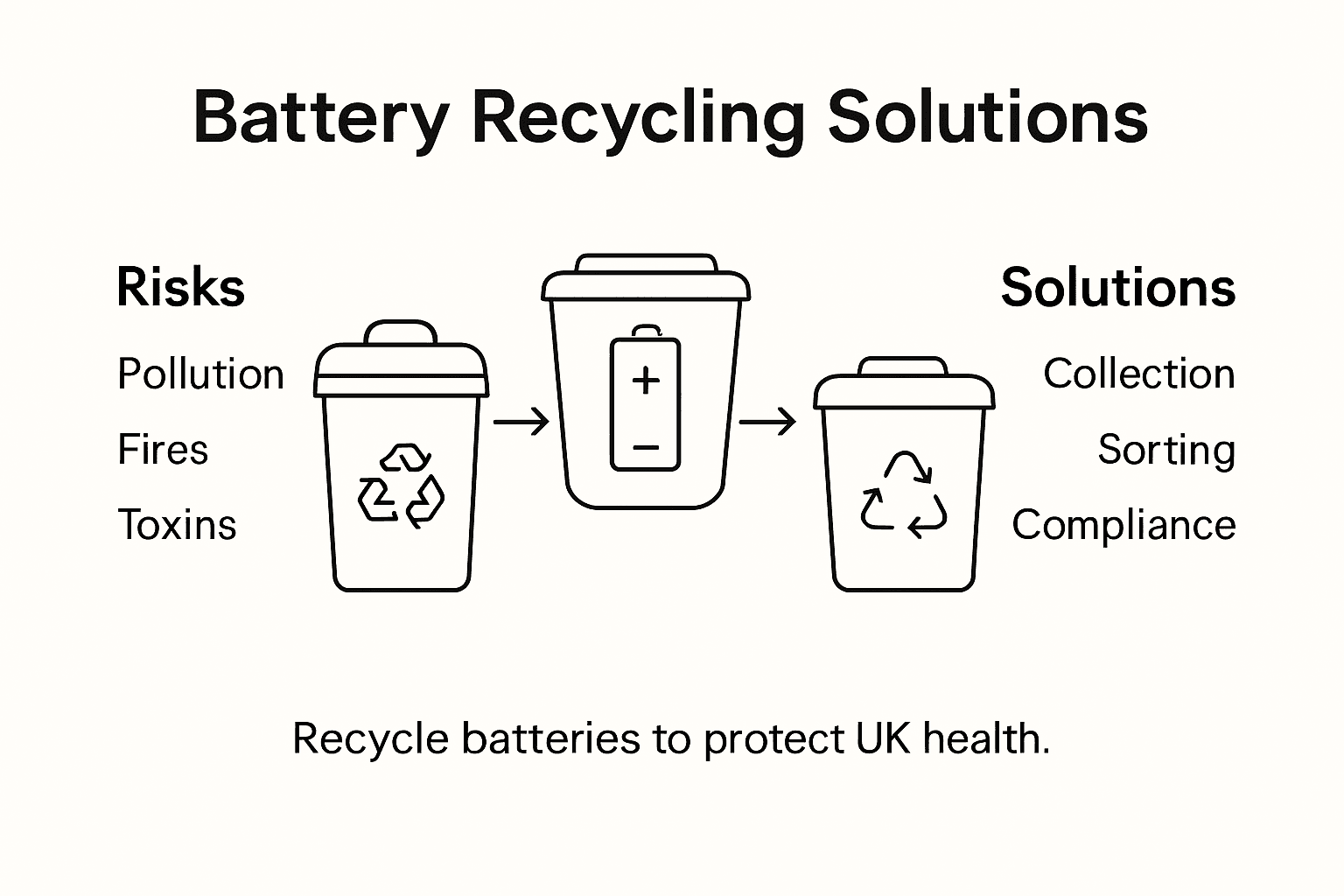
Infographic showing battery recycling risks and solutions

Pro Tip: Develop a comprehensive battery waste management policy that includes staff training, designated collection areas, and clear protocols for different battery types.

Take Action to Safeguard Health and Environment by Recycling Batteries Properly

The challenge of safely disposing and recycling batteries is more urgent than ever in the United Kingdom. Improper battery waste disposal risks toxic contamination, fire hazards, and irreversible damage to ecosystems and public health. If you are concerned about the environmental and safety dangers highlighted in this article, now is the time to act responsibly by choosing expert battery recycling services. With growing regulatory requirements and evolving waste types including lithium-ion cells, you need a solution that guarantees compliance, safety and environmental protection.
https://venturewaste.co.uk

At Venture Waste Management, we specialise in efficient and fully compliant battery disposal tailored for both commercial enterprises and domestic customers. Explore our dedicated Batteries Archives for detailed information and guidance on battery recycling practices you can trust. Our team helps you navigate legal obligations while reducing ecological risks through secure collection and recycling processes. Start protecting your community and environment today by booking your battery waste collection easily via our streamlined platform at Venture Waste Management. Learn more about how responsible battery management fits into broader electrical waste solutions from our WEEE Waste Archives and stay informed to make safer choices.

Frequently Asked Questions

Why is it important to recycle batteries?

Recycling batteries is crucial as it helps prevent toxic materials from leaching into the environment, conserves natural resources, and reduces reliance on mining. Proper recycling also ensures heavy metals and harmful substances do not contaminate soil and water supplies.

What are the main environmental risks associated with improper battery disposal?

Improper disposal of batteries can lead to heavy metal leaching and groundwater contamination, which poses significant health risks to humans and wildlife. Lithium-ion batteries, in particular, can cause fires and emit toxic gases if mishandled, creating additional hazards.

How can I safely dispose of different types of batteries?

To safely dispose of batteries, you should collect used batteries separately and take them to designated recycling points. It’s important to never mix different battery types during disposal, as this can prevent potential chemical reactions and contamination.

What does UK law say about battery recycling and disposal?

UK law mandates specific protocols for battery recycling under the Waste Batteries and Accumulators Regulations 2009. This includes prohibiting battery disposal in general waste and requiring manufacturers, businesses, and consumers to ensure proper recycling and collection practices.


Council workers collect residential waste bins in London

Public Health and Waste – Protecting UK Communities

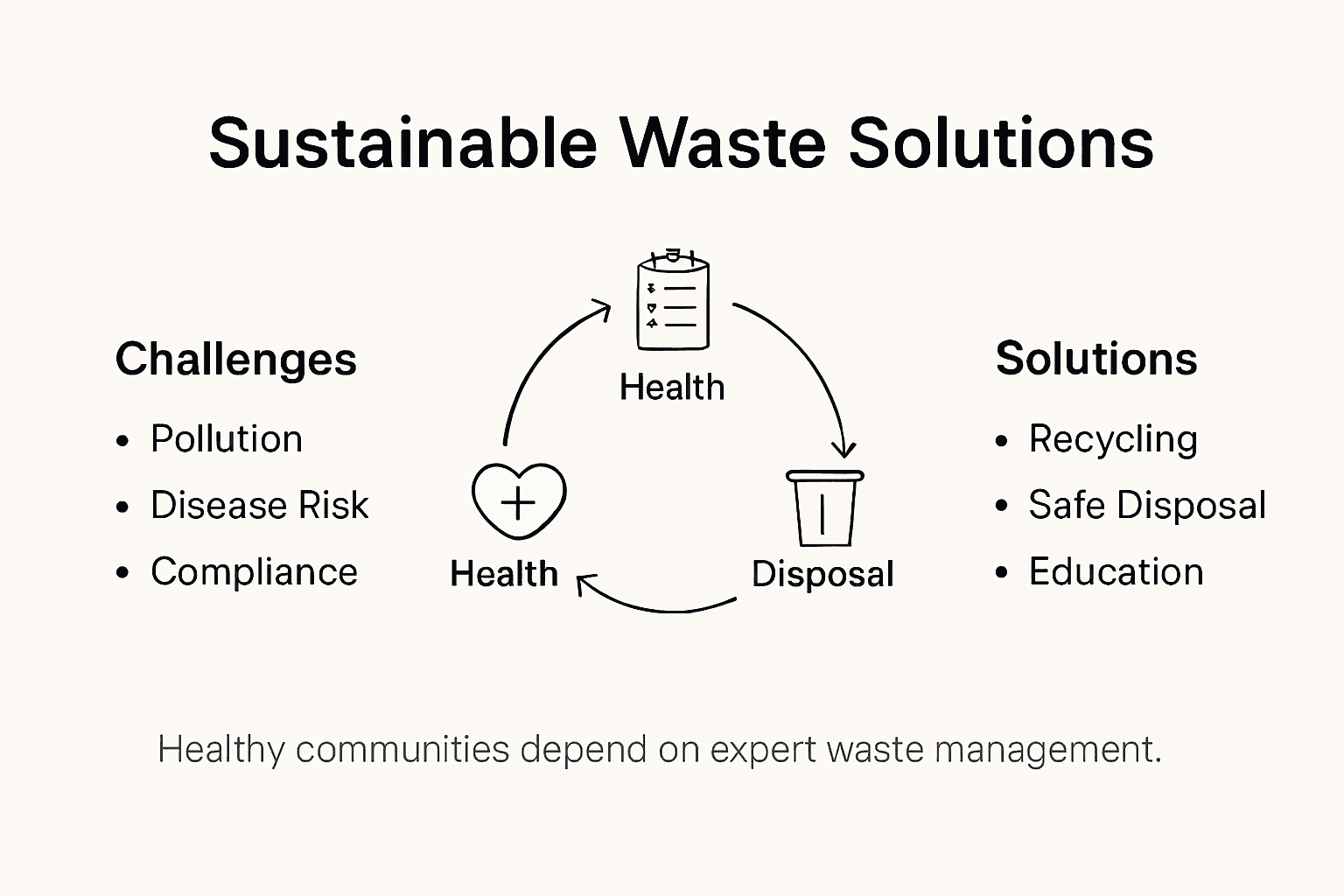
Nearly 400 million tonnes of waste are generated every year in British cities, putting enormous pressure on healthcare and educational institutions to protect public health. Facilities managers know that safe disposal is more than a technical task. It is central to reducing disease risks and meeting strict legal standards. This guide reveals how implementing modern waste management practices empowers British organisations to champion both regulatory compliance and sustainability without compromising wellbeing.

Table of Contents

Key Takeaways

Point Details
Public Health and Waste Management Interconnection Public health initiatives in the UK are fundamentally linked to waste management practices, highlighting the need for holistic strategies to protect community wellbeing.
Types of Waste with Health Risks Various waste types, such as clinical and hazardous waste, pose significant public health risks, necessitating targeted management and intervention.
Legal Compliance in Waste Management Organisations must adhere to stringent legal obligations to ensure effective waste management that safeguards public health and the environment.
Sustainable Disposal Practices Transitioning to sustainable waste disposal strategies can mitigate environmental impact and enhance public health outcomes through innovative approaches.

Defining Public Health and Waste Management

Public health represents a comprehensive approach to protecting and improving community wellbeing through systematic strategies that address health challenges at societal levels. In the United Kingdom, public health encompasses coordinated efforts to prevent disease, promote wellness, and create environments that support healthy living. These efforts critically intersect with waste management practices, which play a fundamental role in maintaining community health standards.

Waste management is not merely a technical process but a vital public health intervention. UK health professionals recognise waste management’s complex relationship with environmental and human health, understanding that improper waste handling can generate significant health risks. Contaminated waste streams can introduce pathogens, toxic chemicals, and environmental pollutants that compromise community safety and individual wellness.

The interconnection between public health and waste management is particularly pronounced in urban environments like Newcastle, Manchester, and Birmingham, where population density amplifies potential health risks. Effective waste management strategies must integrate scientific understanding, regulatory compliance, and community engagement. This holistic approach requires collaboration between local authorities, healthcare professionals, environmental specialists, and community stakeholders to develop sustainable waste handling protocols that protect public health.

Pro Tip – Waste Health Assessment: Conduct regular community waste audits to identify potential health risks and develop targeted intervention strategies that address specific local waste management challenges.

Types of Waste Impacting Public Health

Public health risks emerge from multiple waste categories that require strategic management and intervention. The UK government’s comprehensive waste data reveals six primary waste streams with distinct public health implications, each presenting unique challenges for environmental and community safety.

The principal waste types threatening public health include household waste, clinical waste, hazardous industrial waste, construction debris, packaging materials, and food waste. Clinical and hazardous waste streams pose the most significant immediate health risks, potentially introducing toxic chemicals, biological contaminants, and infectious agents into local environments. Construction and packaging waste can release microplastics, heavy metals, and particulate matter that compromise respiratory health and contaminate water systems.

Hospital janitor sorting medical waste bags

Urban centres like Liverpool, Manchester, and Birmingham experience heightened waste management challenges due to population density. Government environmental assessments systematically evaluate health risks across different waste management routes, highlighting the critical need for targeted waste handling protocols. Industrial and medical waste require especially rigorous containment strategies to prevent potential disease transmission and environmental contamination.

The following table summarises the main types of waste and their key public health impacts in urban UK settings:

Waste Type Primary Health Risk Affected Urban Area
Clinical waste Infection transmission Manchester hospitals
Hazardous industrial Chemical contamination Birmingham factories
Construction debris Respiratory illness risk Urban building sites
Household waste Rodent-borne diseases City residential areas
Packaging materials Microplastic pollution Urban recycling centres
Food waste Pest infestation Hospitality districts

Pro Tip – Waste Risk Assessment: Develop a comprehensive waste categorisation system that tracks potential health hazards, enabling targeted interventions and proactive community health protection strategies.

Waste management in the United Kingdom involves a complex network of legal responsibilities designed to protect public health and environmental integrity. Government guidance establishes comprehensive legal operator and competence requirements for environmental waste activities, mandating strict protocols for organisations handling waste across various sectors.

The regulatory framework encompasses multiple key components, including environmental permits, operator competence standards, meticulous record-keeping requirements, and technical management protocols. Organisations must demonstrate comprehensive understanding of waste classification, handling procedures, and disposal mechanisms. Local authorities in urban centres like Manchester, Leeds, and Birmingham enforce these regulations, with significant penalties for non-compliance including substantial financial fines and potential legal prosecution.

Key legal obligations extend beyond mere disposal, requiring organisations to implement proactive waste management strategies that minimise environmental and public health risks. This includes conducting thorough risk assessments, maintaining detailed documentation of waste streams, ensuring proper staff training, and adopting environmentally responsible disposal methods. The Environment Agency plays a crucial role in monitoring and enforcing these regulations, conducting periodic inspections to verify compliance and maintain high standards of waste management across industrial, commercial, and public sector organisations.

Pro Tip – Compliance Strategy: Develop a robust internal audit system that regularly reviews waste management practices against current legal requirements, ensuring continuous alignment with evolving regulatory standards.

Risks of Poor Waste Handling in Institutions

Institutional waste management represents a critical public health challenge with profound implications for organisational safety and community wellbeing. Comprehensive risk assessments by environmental policy experts reveal significant governance gaps and potential hazards in waste handling practices, highlighting the complex nature of waste-related risks across healthcare, educational, and commercial settings.

The Health and Safety Executive identifies multiple critical risk domains in institutional waste management, including bioaerosol exposure, manual handling injuries, hazardous substance contamination, and infection transmission pathways. Specific risks vary across institutional contexts, with healthcare facilities facing more severe potential consequences due to the presence of clinical and potentially infectious waste streams. Educational institutions and commercial organisations must navigate complex waste segregation protocols to prevent cross-contamination and minimise health risks.

Urban institutions in cities like Manchester, Birmingham, and Leeds face particularly challenging waste management landscapes, where population density and diverse waste streams amplify potential health risks. Improper waste handling can lead to serious consequences, including respiratory infections, skin disorders, potential pathogen transmission, and environmental contamination. Institutional managers must implement comprehensive risk mitigation strategies that include staff training, robust waste segregation protocols, appropriate personal protective equipment, and systematic waste stream monitoring.

Pro Tip – Risk Mapping: Develop a comprehensive waste risk assessment matrix that systematically identifies, evaluates, and prioritises potential health hazards specific to your institutional environment.

Best Practice Solutions for Sustainable Disposal

Sustainable waste disposal demands a comprehensive approach that transcends traditional waste management paradigms. DEFRA’s Waste Prevention Programme establishes strategic national principles for maximising resources and minimising waste generation, emphasising the transition towards a more circular and environmentally responsible waste management ecosystem.

Contemporary research highlights the evolution of waste management from hierarchical models to integrated circular economy approaches, focusing on technological innovations and policy frameworks that support sustainable disposal. Key strategies include waste stream segregation, comprehensive recycling programmes, advanced material recovery techniques, and designing waste management systems that prioritise resource efficiency. Urban centres like Manchester, Birmingham, and Leeds are increasingly adopting these progressive approaches, implementing localised solutions that reduce environmental impact and promote sustainable practices.

Successful sustainable disposal requires a multifaceted strategy encompassing technological innovation, regulatory compliance, and organisational commitment. Institutions must develop robust waste reduction protocols, invest in staff training, implement sophisticated sorting mechanisms, and continuously evaluate their waste management performance. This approach not only mitigates environmental risks but also contributes to broader national sustainability objectives, supporting the UK’s transition towards more responsible resource management.

Infographic of sustainable waste management solutions UK

Below is a comparison of traditional and circular economy waste strategies for managing public health risks:

Approach Resource Use Public Health Benefit
Traditional High material wastage Limited pollution control
Circular Economy Maximised resource use Reduced exposure to hazards

Pro Tip – Sustainability Roadmap: Develop a comprehensive waste reduction strategy that includes quantifiable targets, regular performance audits, and continuous improvement mechanisms tailored to your specific institutional context.

Protect UK Communities with Expert Waste Management Solutions

The article highlights critical public health challenges linked to improper waste handling in busy UK urban centres. Key issues include managing hazardous and food waste streams to prevent disease transmission, chemical contamination, and pest infestations. Protecting community health requires strict legal compliance, effective risk assessments and sustainable disposal methods. At Venture Waste, we understand these needs and offer specialised services designed to tackle the most pressing public health risks from waste. From expert hazardous waste handling to innovative strategies for reducing food waste, our solutions support safer environments.

https://venturewaste.co.uk

Take control of your waste to safeguard health and comply fully with UK regulations. Visit our main site at Venture Waste to explore how our comprehensive waste collection network is set to serve businesses efficiently through 2025 and beyond. Act now to implement responsible waste management practices that protect your community and demonstrate commitment to sustainability and legal standards.

Frequently Asked Questions

What is the relationship between public health and waste management?

Public health and waste management are interconnected, as effective waste management is crucial for preventing disease and promoting wellness in communities. Poor waste handling can lead to health risks such as infections, contamination, and pollution.

What types of waste pose serious health risks?

The main waste types that pose public health risks include clinical waste, hazardous industrial waste, construction debris, household waste, packaging materials, and food waste. Each category has specific dangers, such as chemical contamination and pest infestations.

Organisations involved in waste management must comply with various legal requirements, including obtaining environmental permits, ensuring operator competence, and maintaining rigorous record-keeping. These obligations aim to protect public health and ensure safe waste disposal methods.

How can institutions improve their waste handling practices?

Institutions can enhance waste handling by implementing comprehensive risk assessments, staff training on waste segregation, using personal protective equipment, and conducting regular waste audits to identify potential health hazards.

Healthcare worker moving clinical waste bin

Recycling Contamination – How It Affects UK Healthcare

Most british healthcare facilities experience costly setbacks due to recycling contamination. When just a small amount of medical waste is mixed incorrectly, entire batches of recyclables can be lost, driving up expenses and triggering potential compliance issues. For facilities managers, understanding the sources and risks of contamination is crucial to safeguarding public health and meeting the strict standards set by United Kingdom regulators. This guide highlights what every british healthcare facility needs to know to tackle these challenges head on.

Table of Contents

Key Takeaways

Point Details
Recycling Contamination Risks Healthcare facilities must prioritise waste segregation to prevent public health risks and regulatory penalties associated with contaminated recycling streams.
Financial Implications Inadequate waste management can lead to significant operational costs, including potential fines and increased disposal fees for healthcare institutions.
Proactive Strategies Implementing rigorous staff training and comprehensive waste segregation protocols is essential to reduce contamination and ensure compliance with legal standards.
Environmental Consequences Effective waste management practices can significantly decrease landfill waste and enhance the sustainability of healthcare operations.

What Recycling Contamination Means for Healthcare

Recycling contamination represents a significant challenge for healthcare facilities across the United Kingdom, potentially compromising waste management protocols and environmental compliance. When medical waste streams become mixed or improperly sorted, the consequences extend far beyond simple operational inefficiencies. Clinical waste management strategies require precision to prevent potentially dangerous cross-contamination scenarios.

Healthcare facilities face multiple risks from recycling contamination, including potential pathogen transmission, regulatory penalties, and increased disposal costs. Contaminated medical waste can introduce harmful bacteria and infectious materials into recycling streams, creating substantial public health risks. Specific contamination challenges include:

  • Biomedical waste mixed with general recyclables
  • Improperly disposed sharps and medical instruments
  • Chemical residues from medical equipment
  • Infectious materials inadvertently entering recycling processes

The financial implications are equally significant. Hospital waste management practices directly impact operational budgets, with improper waste segregation potentially leading to substantial fines and increased disposal expenses. Healthcare administrators must implement rigorous training programmes and waste management protocols to mitigate these risks effectively.

Below is a summary of the main risks and associated impacts of recycling contamination in UK healthcare facilities:

Risk Category Key Example Potential Impact
Operational Improper waste sorting Increased disposal cost
Public Health Pathogen transmission Infection outbreaks
Regulatory/Legal Breach of waste legislation Large fines and audits
Environmental Contaminated recyclables sent to landfill Increased landfill waste
Financial Inadequate staff training Budget overruns

Pro Tip: Waste Segregation Strategy: Develop comprehensive colour-coded waste management guidelines and conduct quarterly staff training sessions to ensure consistent, accurate medical waste disposal practices across all hospital departments.

Common Contaminants in Clinical Recycling Streams

Clinical recycling streams present complex challenges for healthcare facilities, with numerous potential contaminants threatening proper waste management protocols. Health and safety regulations for medical waste emphasise the critical importance of understanding and identifying these hazardous materials to prevent potential transmission risks and environmental contamination.

The most prevalent contaminants in clinical recycling streams can be categorised into several key groups:

  • Biological Contaminants:
    • Blood-soaked materials
    • Used bandages and dressings
    • Bodily fluid-contaminated equipment
  • Sharps and Infectious Materials:
    • Discarded needles
    • Surgical instruments
    • Contaminated diagnostic equipment
  • Chemical Contaminants:
    • Pharmaceutical residues
    • Disinfectant-laden materials
    • Chemical treatment waste
  • Radioactive Materials:
    • X-ray film
    • Radiation treatment residues
    • Nuclear medicine waste

These contaminants pose significant risks to waste management personnel, potentially causing infection, injury, and environmental hazards. Healthcare facilities must implement rigorous segregation protocols to prevent cross-contamination and ensure safe disposal of medical waste streams.

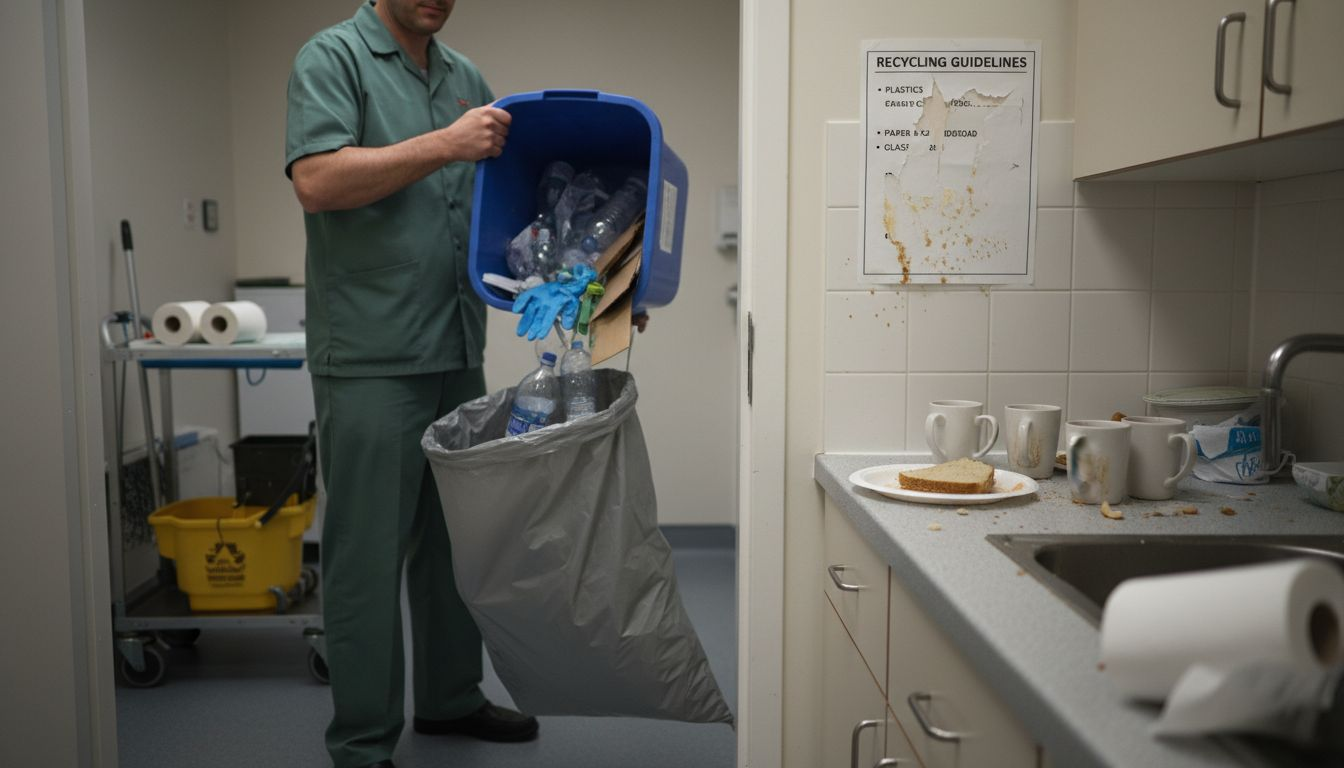
Janitor finds medical waste in recycling bin

Pro Tip: Contamination Prevention Protocol: Implement colour-coded waste segregation systems with comprehensive staff training, ensuring immediate and accurate separation of different waste categories to minimise contamination risks and protect public health.

How Contamination Impacts Recycling Processes

Recycling contamination represents a profound challenge for waste management systems, with significant implications for environmental sustainability and resource efficiency. Contamination dynamics in recycling streams demonstrate that even small volumes of inappropriate materials can compromise entire recycling batches, rendering substantial quantities of potentially recyclable materials unsuitable for processing.

In healthcare settings, contamination presents particularly complex challenges. Medical plastic recycling challenges highlight the intricate problems arising from materials exposed to biological and chemical substances. The primary contamination impacts include:

  • Volume Reduction: Contaminated batches often require complete disposal
  • Economic Inefficiency: Increased processing costs and reduced recycling yields
  • Environmental Consequences: Higher landfill volumes and increased waste generation
  • Operational Disruption: Extended sorting and processing timelines

The financial and environmental implications are substantial. Contamination can transform potentially recyclable materials into waste, with statistical evidence suggesting that in 2020, enough contaminated materials were generated to fill 4.8 million bin bags. Healthcare facilities must therefore develop rigorous segregation protocols that minimise cross-contamination and preserve the integrity of recyclable materials.

Pro Tip: Material Segregation Protocol: Implement comprehensive staff training programmes focusing on precise waste categorisation, utilising colour-coded bins and clear visual guidance to ensure maximum recycling efficiency and minimal contamination risks.

Healthcare facilities face substantial legal and financial risks associated with improper medical waste management. Medical waste regulatory requirements underscore the potential consequences of non-compliance, with penalties potentially reaching up to £500,000 for serious breaches.

Workplace health and safety regulations impose stringent obligations on healthcare providers to protect workers and prevent environmental contamination. The key legal risks include:

  • Regulatory Fines: Substantial financial penalties for non-compliance
  • Operating License Suspension: Risk of temporary or permanent facility closure
  • Criminal Prosecution: Potential legal action for serious regulatory breaches
  • Reputational Damage: Loss of public trust and professional credibility
  • Worker Protection Violations: Legal liability for employee health risks

The complexity of medical waste regulations demands a comprehensive approach to compliance. Healthcare facilities must develop robust waste management systems that address biological, chemical, and infectious waste streams, ensuring precise segregation, documentation, and disposal protocols.

The table below contrasts proactive and reactive approaches to managing healthcare recycling contamination:

Approach Type Main Strategy Advantages Drawbacks
Proactive Staff training and clear protocols Prevents contamination incidents Requires investment/time
Reactive Responding to incidents and fines Addresses immediate breaches Higher long-term costs

Pro Tip: Compliance Documentation Strategy: Maintain meticulous records of waste management processes, including detailed logs of waste segregation, treatment, and disposal, creating a comprehensive audit trail to demonstrate regulatory adherence and mitigate potential legal risks.

Preventing Contamination in Healthcare Facilities

NHS Clinical Waste Management Strategies emphasise a proactive approach to preventing contamination within healthcare environments. Effective waste management requires comprehensive protocols that address multiple stages of waste handling, from initial segregation to final disposal.

Successful contamination prevention hinges on several critical strategies:

  • Waste Stream Segregation:
    • Colour-coded waste bins for different material types
    • Clear signage indicating appropriate waste categories
    • Dedicated disposal routes for specific waste streams
  • Personal Protection:
    • Mandatory protective equipment for waste handlers
    • Regular training on infection control procedures
    • Comprehensive hygiene protocols
  • Staff Education:
    • Regular contamination risk workshops
    • Updated training on regulatory requirements
    • Practical demonstrations of correct waste handling

Worker hygiene and safety protocols play a crucial role in minimising contamination risks. Healthcare facilities must provide adequate washing facilities and promote rigorous personal hygiene practices among staff members responsible for waste management.

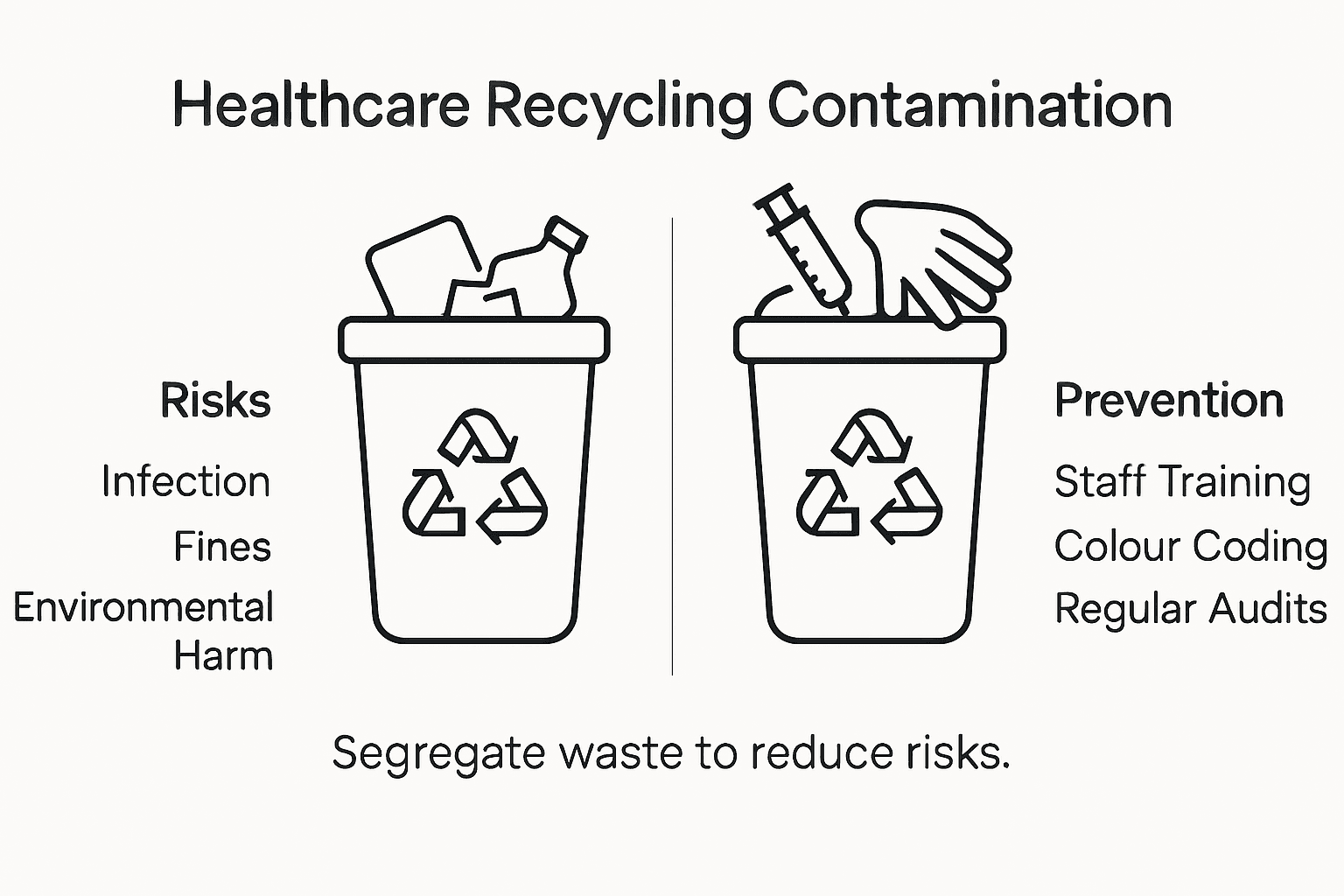
Infographic showing healthcare recycling contamination overview

Pro Tip: Contamination Prevention Training: Develop interactive, scenario-based training modules that simulate real-world waste management challenges, enabling staff to practise correct segregation and handling techniques in a controlled learning environment.

Take Control of Recycling Contamination in UK Healthcare with Venture Waste

Recycling contamination poses serious risks for healthcare facilities, from regulatory fines to infection hazards. If you are striving to maintain strict waste segregation protocols and reduce operational costs, Venture Waste offers tailored solutions that address these exact challenges. Our expertise in Waste Collection Process in the UK for Businesses 2025 – Venture Waste ensures your facility stays fully compliant with health and safety standards while optimising environmental protection.

https://venturewaste.co.uk

Act now to safeguard your healthcare operations against recycling contamination. Visit Venture Waste today to explore our comprehensive waste management services. Whether you need secure handling of confidential medical waste or effective recycling strategies, our dedicated team is ready to support you. Learn more about effective waste disposal methods in our confidential waste Archives – Venture Waste and take the first step towards a safer, cleaner healthcare environment.

Frequently Asked Questions

What is recycling contamination in healthcare?

Recycling contamination in healthcare refers to the mixing or improper sorting of medical waste and recyclable materials, leading to public health risks, regulatory penalties, and increased disposal costs.

What are the common contaminants found in clinical recycling streams?

Common contaminants include biological materials (e.g., blood-soaked items), sharps (e.g., needles and instruments), chemical residues (e.g., pharmaceutical waste), and radioactive materials.

How does recycling contamination impact healthcare operations?

Recycling contamination can lead to increased disposal costs, potential public health risks from pathogen transmission, and legal repercussions, including substantial fines for non-compliance with waste legislation.

What strategies can healthcare facilities employ to prevent recycling contamination?

Healthcare facilities can implement colour-coded waste segregation systems, provide staff training on waste management practices, and maintain strict hygiene protocols to minimise contamination risks.

Office workers sorting waste at recycling station

Reducing General Waste: Practical Steps for UK Businesses

Nearly half of all British businesses report struggling to cut their general waste, sparking urgent calls for smarter solutions. With regulations tightening and sustainability becoming a core value for every sector, understanding your waste streams is more than just a green initiative. Discover practical steps that help British companies reduce waste, save money, and build a greener reputation—all through methods that align with new national targets.

Table of Contents

Quick Summary

Important Insight Clear Explanation
1. Conduct a Detailed Waste Audit Perform a comprehensive waste assessment to identify all waste types and quantities produced across your organisation.
2. Set Clear Waste Reduction Targets Develop specific, measurable objectives for reducing waste, using baseline data gathered from your audit.
3. Implement Effective Waste Segregation Install clearly labelled waste stations and train staff on proper sorting techniques to enhance recycling efforts.
4. Adopt Tailored Collection Solutions Partner with waste management providers to create efficient collection strategies tailored to your business needs.
5. Monitor Performance and Adjust Strategy Establish a robust monitoring system to evaluate waste management metrics and adjust practices based on performance insights.

Step 1: Assess Current Waste Streams

Reducing general waste starts with a thorough understanding of your current waste generation patterns. Before implementing any reduction strategy, businesses must conduct a comprehensive waste management assessment to identify exactly what types of waste your organisation produces and in what quantities.

To effectively assess your waste streams, begin by conducting a detailed waste audit. This process involves carefully documenting and categorising all waste produced across different departments and operational areas. Track waste volumes for categories like paper, packaging, food waste, electronic equipment, and general refuse. Use standardised measurement tools to record weights and volumes, creating a baseline dataset that will help you design targeted waste reduction strategies. Consider performing this audit over a representative period such as one quarter to capture seasonal variations in waste generation.

The audit should not just focus on quantity but also examine disposal methods currently in use. Identify which waste streams are being recycled, which are going to landfill, and where potential improvements can be made in waste segregation and management practices. Map out your current waste disposal routes and identify any inefficiencies or unnecessary waste generation points within your organisational processes.

Chief tip: Systematic documentation is key. Create a detailed waste tracking spreadsheet that captures waste type, volume, disposal method, and potential reduction opportunities for each departmental waste stream.

Step 2: Set Waste Reduction Targets

Establishing clear and measurable waste reduction targets is crucial for any business committed to minimising environmental impact. Government environmental improvement plans provide a strategic framework, with official targets aiming to cut residual waste by 50% by 2042, which businesses can use as a benchmark for their own waste management goals.

To set effective waste reduction targets, start by analysing the baseline data collected during your waste audit. Develop specific, measurable objectives that are realistic yet challenging for your organisation. For instance, you might aim to reduce general waste by 20% within the first year, focusing on areas like paper consumption, packaging materials, and food waste. Break down these overarching targets into department specific goals, ensuring each team understands their role in achieving the broader waste reduction strategy. Consider using the SMART framework selecting targets that are Specific, Measurable, Achievable, Relevant, and Time-bound.

Regularly review and adjust your waste reduction targets based on progress and emerging opportunities. The National Audit Office emphasises the importance of clear long-term planning, highlighting that businesses need flexible strategies that can adapt to changing regulatory landscapes and technological advancements in waste management.

Chief tip: Document your waste reduction journey transparently. Create quarterly progress reports that track your performance against targets, celebrate achievements, and identify areas needing improvement to maintain momentum and stakeholder engagement.

Step 3: Implement Segregation and Reuse Practices

Implementing effective waste segregation and reuse practices is a critical step in transforming your business waste management strategy. UK Simpler Recycling reforms mandate that all businesses in England must separate food waste and dry recyclable materials from non recycled waste by 31st March 2025, creating a clear regulatory framework for your waste management approach.

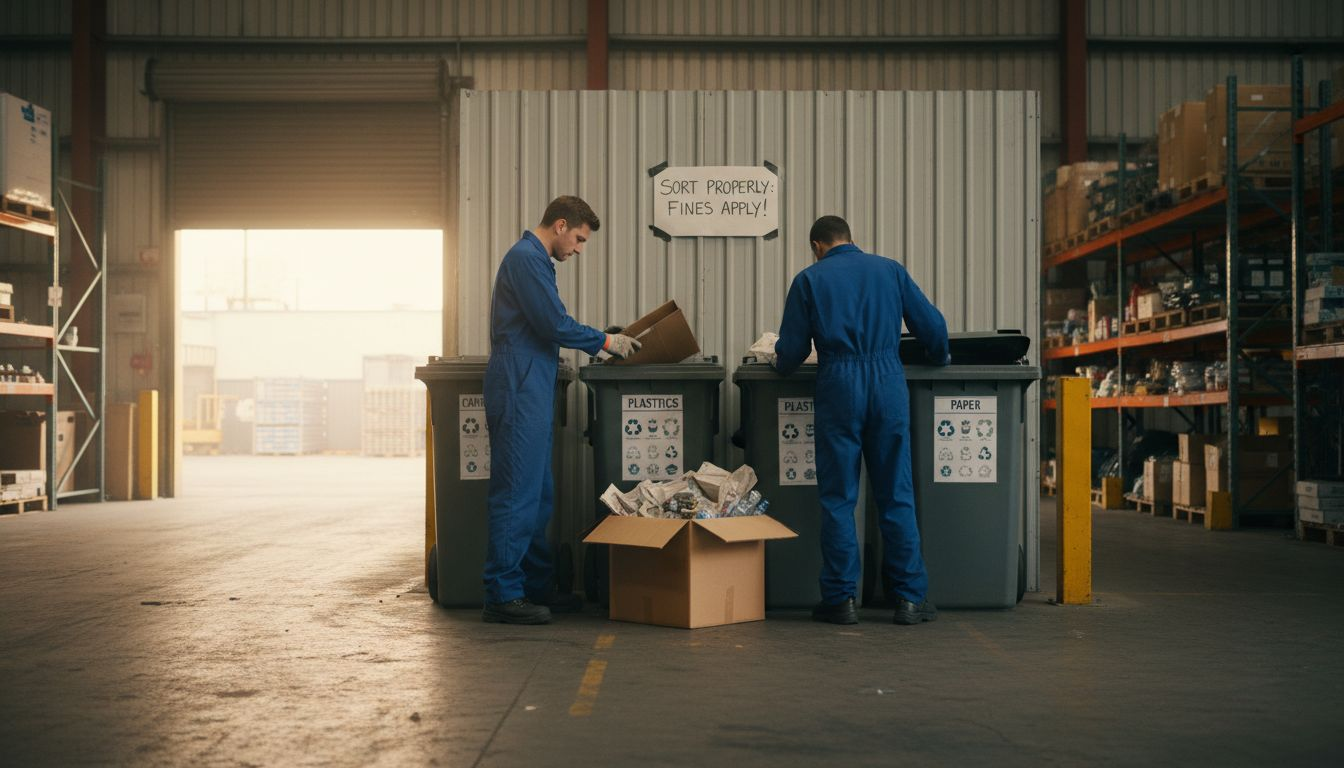
To successfully implement segregation practices, start by installing clearly labelled waste stations throughout your workplace. These stations should include separate bins for different waste categories such as paper, plastics, metals, electronic waste, and organic materials. Train your staff comprehensively on proper waste sorting techniques and provide visual guides demonstrating exactly how to segregate different types of waste. Consider conducting regular workshops that explain the environmental impact of correct waste segregation and the specific role each employee plays in achieving your organisational waste reduction goals.

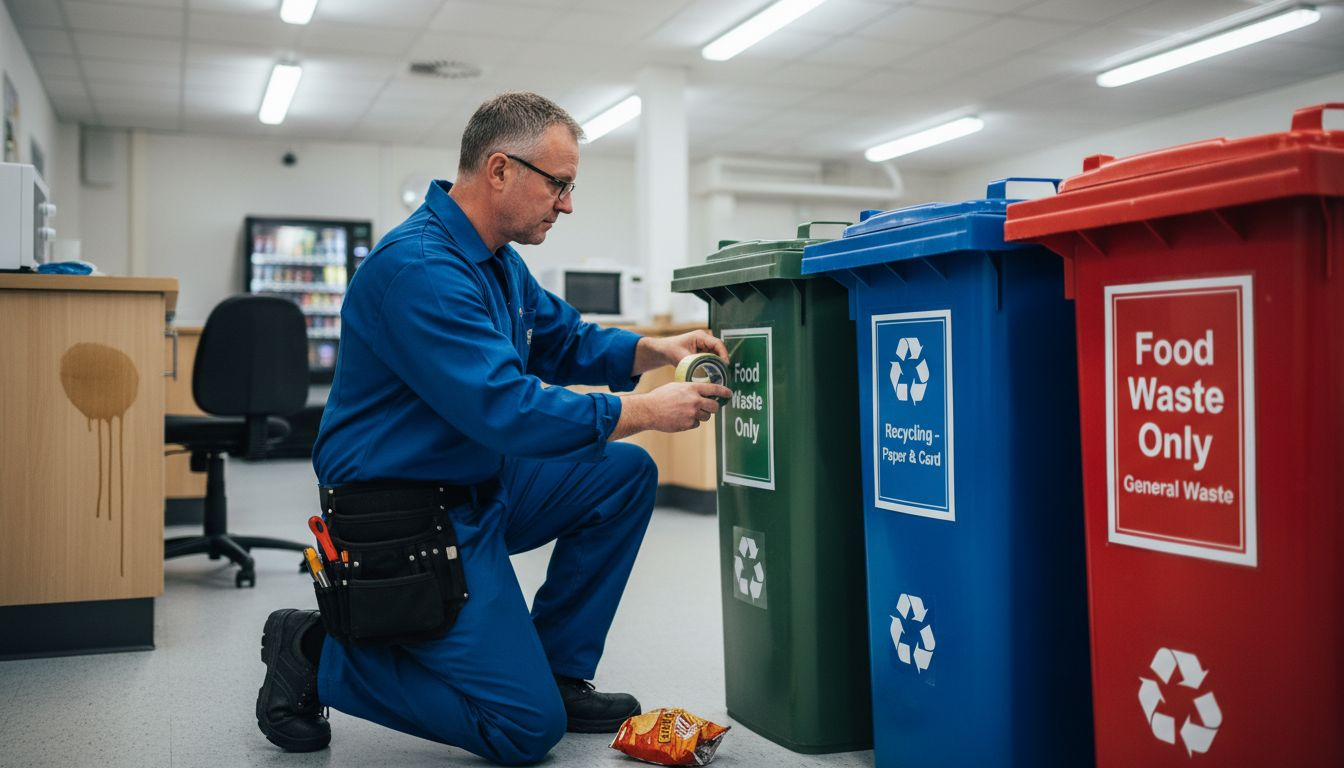
Manager labeling segregation bins in break room

Reuse practices are equally important in minimising waste generation. Develop internal policies that prioritise equipment repair, component reuse, and material repurposing wherever possible. Institutional models like the University of Manchester demonstrate how organisations can set ambitious targets such as recycling 45% of campus waste and diverting 100% of waste from landfill. Encourage departments to find creative ways to reuse materials, implement digital solutions to reduce paper consumption, and explore partnerships with local recycling and upcycling organisations.

Chief tip: Create a waste management champion programme within your organisation. Designate representatives from different departments to lead waste reduction efforts, track progress, and motivate their colleagues towards more sustainable practices.

Step 4: Adopt Efficient Collection and Recycling Solutions

Adopting efficient collection and recycling solutions is fundamental to transforming your business waste management strategy. UK Simpler Recycling reforms provide a comprehensive framework that mandates businesses to implement systematic approaches to waste management, ensuring more sustainable and streamlined practices.

To develop an efficient waste collection system, partner with professional waste management providers who can offer tailored solutions for your specific business needs. Conduct a thorough assessment of your current waste generation patterns and design a collection strategy that minimises transportation costs and environmental impact. This might involve implementing scheduled collections, using specialised containers for different waste types, and exploring opportunities for on-site waste sorting and preprocessing. Consider investing in compaction equipment to reduce waste volume and optimise collection frequencies, which can significantly reduce your overall carbon footprint and operational expenses.

Maximise your recycling potential by establishing clear internal protocols for material segregation and exploring innovative recycling partnerships. Research local recycling facilities that can process your specific waste streams and develop relationships that facilitate more effective material recovery. Implement digital tracking systems that monitor waste generation, recycling rates, and environmental performance, allowing your business to continuously improve its waste management approach and demonstrate commitment to sustainable practices.

Chief tip: Create a comprehensive waste management dashboard that tracks real time recycling metrics, helping your team visualise progress and maintain motivation towards achieving your organisational waste reduction goals.

Step 5: Monitor Results and Adjust Programmes

Effective waste management requires continuous evaluation and strategic adjustments to ensure your business remains on track with its sustainability objectives. University monitoring approaches demonstrate the critical importance of systematically tracking waste reduction performance and maintaining flexibility in your environmental strategy.

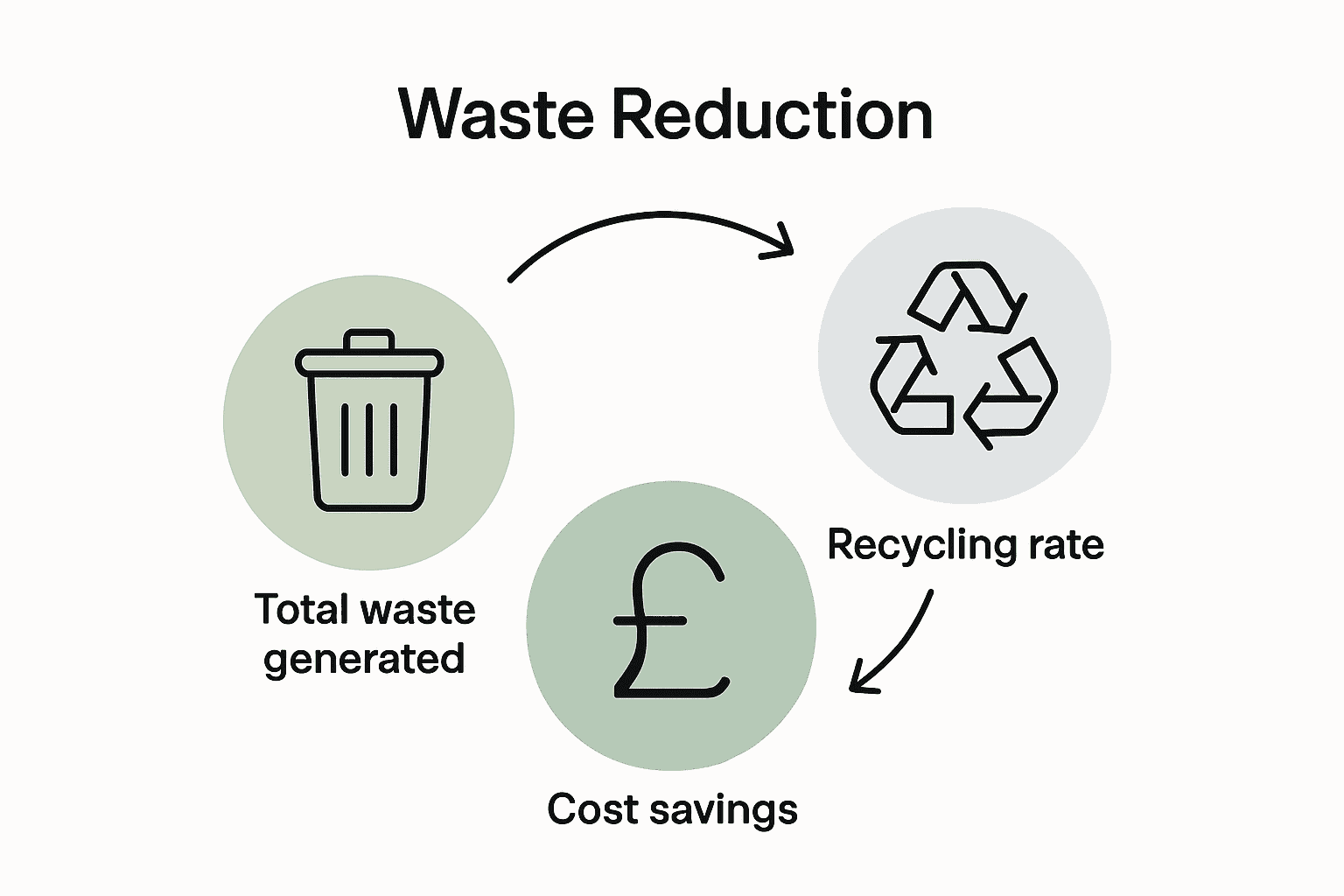
Establish a robust monitoring system that captures comprehensive waste management metrics including total waste volume, recycling rates, landfill diversion percentages, and cost savings achieved through your waste reduction initiatives. Implement quarterly review meetings where key stakeholders analyse performance data and identify potential improvements. Develop a standardised reporting framework that allows for transparent assessment of your waste management progress, comparing actual results against the original waste reduction targets you established. Use digital dashboards and analytics tools to visualise data trends, making it easier for your team to understand and interpret performance insights.

Visual infographic of business waste metrics

Here is a comparison of common waste monitoring metrics and their significance:

Metric What It Measures Business Impact
Total Waste Volume Weight or volume of all waste streams Reveals cost-saving potential
Recycling Rate Proportion diverted from landfill Demonstrates sustainability
Landfill Diversion % Amount not sent to landfill Improves green brand image
Cost Savings Money saved via reduction measures Increases profit margins

Regular programme adjustments are essential for maintaining momentum. National audit recommendations emphasise the need for adaptive strategies that can respond quickly to changing regulatory environments and emerging waste management technologies. Be prepared to modify your waste segregation processes, update staff training protocols, or explore new recycling partnerships based on the insights gained from your monitoring efforts. Encourage a culture of continuous improvement where employees are actively engaged in suggesting and implementing waste reduction innovations.

Chief tip: Develop a recognition programme that rewards departments or teams demonstrating exceptional waste reduction performance, transforming sustainability metrics into a motivational tool for organisational change.

The following table summarises key benefits of each waste reduction step for UK businesses:

Step Key Activity Main Business Benefit
Assess Current Waste Streams Conduct detailed audits Identifies saving opportunities
Set Waste Reduction Targets Define measurable objectives Improves compliance, tracking
Implement Segregation and Reuse Install bin systems, staff training Increases recycling rates
Adopt Collection and Recycling Solutions Partner for tailored collection and reporting Reduces costs, optimises process
Monitor and Adjust Programmes Continuous data review and recognition Drives long-term improvement

Practical Waste Reduction Starts With Reliable Collection Solutions

Struggling to transform your waste streams into measurable reduction? This article highlights the importance of assessing waste, setting clear targets, and embracing segregation as essential steps for UK businesses aiming to reduce general waste. However, without efficient waste collection and recycling solutions your efforts might stall. At Venture Waste Management we understand these challenges and provide tailored services to support your journey towards sustainability. Explore our insights on the Waste Collection Process in the UK for Businesses 2025 for how streamlined collection enables smarter waste management.

https://venturewaste.co.uk

Take control of your waste reduction goals now by partnering with Venture Waste. Our simple three-step booking process guarantees compliant, environmentally responsible waste disposal while boosting your operational efficiency. Learn how the Waste Collection Network in UK supports businesses in meeting regulatory demands. Visit https://venturewaste.co.uk today to start building a cleaner future with dependable waste services designed for your business needs.

Frequently Asked Questions

How can I assess my business’s current waste streams?

To assess your business’s current waste streams, conduct a detailed waste audit. Document and categorise all waste produced across different departments, tracking volumes and disposal methods for categories like paper and packaging.

What waste reduction targets should I set for my organisation?

Establish specific, measurable waste reduction targets based on your waste audit data. For example, aim to reduce general waste by 20% within the first year, breaking down this goal into department-specific targets for clarity and accountability.

What are effective practices for waste segregation and reuse?

Effective waste segregation involves installing clearly labelled bins for different waste types and training staff on proper waste sorting. Additionally, develop policies that prioritise the reuse of materials and explore partnerships for recycling initiatives to minimise waste generation.

How can I implement efficient collection and recycling solutions?

Partner with professional waste management providers to tailor collection solutions to your needs. Assess your current waste patterns to design a system that minimises costs and environmental impact, such as scheduled collections and on-site sorting practices.

What should I monitor to ensure my waste reduction programmes are effective?

Monitor key metrics such as total waste volume, recycling rates, and cost savings achieved through your initiatives. Conduct quarterly reviews to analyse this data and adjust your waste management strategy as necessary to remain on track with your goals.

How can I motivate my staff to engage in waste reduction practices?

Create a recognition programme that rewards departments or teams demonstrating outstanding waste reduction performance. Celebrate achievements publicly, transforming sustainability metrics into a motivating tool that fosters a culture of continuous improvement.

Refuse crew collecting bins on UK street

How Often Should Waste Be Collected in the UK?

Over half of all british households receive their waste collected either weekly or every two weeks, yet few realize just how much this varies from one local area to the next. Choosing the right waste collection schedule affects everything from local cleanliness to recycling success. With approaches ranging from bustling London to rural Scottish towns, understanding the reasons behind these differences can help both residents and businesses keep their environments healthier and more efficient.

Table of Contents

Key Takeaways

Point Details
Waste Collection Frequencies Vary Waste collection schedules in the UK differ significantly based on local authorities, with urban areas typically enjoying more frequent services than rural regions.
Types of Waste and Specialised Needs Different waste types require distinct handling and collection protocols to ensure effective management and recycling, particularly for commercial enterprises.
Legal Compliance is Crucial Businesses must adhere to stringent legal standards for waste management, with non-compliance resulting in heavy penalties and reputational damage.
Optimisation Strategies are Essential Companies should conduct regular waste audits and invest in advanced technologies to streamline waste segregation and collection processes in line with evolving regulations.

Understanding Waste Collection Frequencies UK-Wide

Waste collection frequencies across the United Kingdom vary significantly depending on local authority guidelines and regional infrastructure. Different municipalities have distinct approaches to managing household and commercial waste, with collection schedules designed to balance efficiency, environmental considerations, and community needs. The UK government provides comprehensive guidance for waste collection authorities, emphasising the importance of tailoring services to specific local requirements.

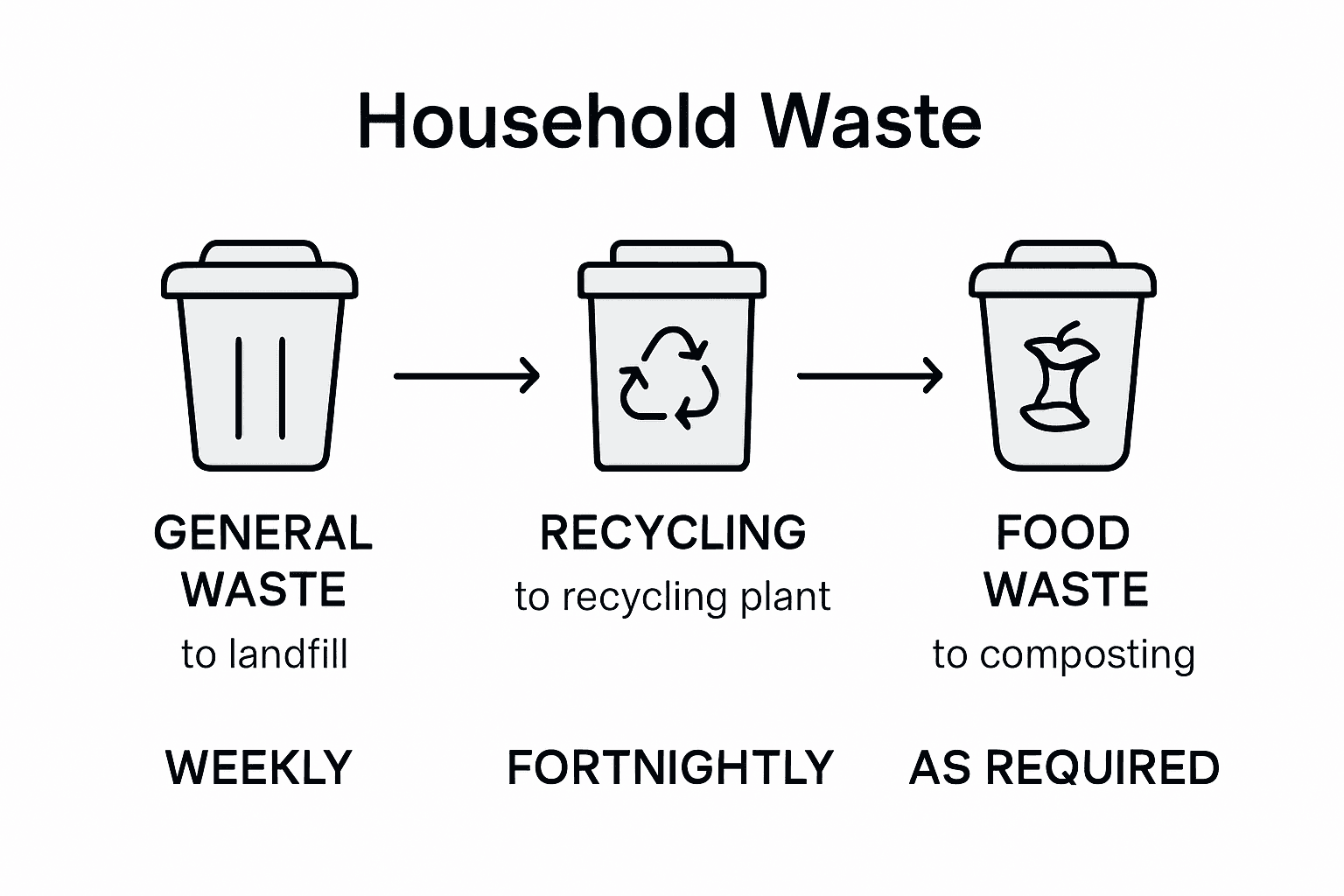
Typically, most local councils in the UK offer weekly or fortnightly waste collection services for general refuse and recycling. Urban areas like Newcastle, Manchester, and Birmingham often have more frequent collections compared to rural regions in Yorkshire or Cornwall. Factors influencing collection frequency include population density, property types, bin sizes, and the number of household occupants. Some authorities have implemented alternative collection strategies, such as mixed recycling collections or separated waste streams to improve recycling rates and reduce landfill usage.

Commercial waste collection frequencies differ substantially from residential services. Businesses in sectors like hospitality, retail, and manufacturing might require daily or multiple-weekly collections depending on waste volume and type. For instance, restaurants and food processing facilities often need more frequent waste removal due to hygiene regulations and perishable waste management. Industrial sites might negotiate custom collection schedules based on their specific waste production patterns, ensuring efficient and compliant disposal.

To clarify service differences, here is a comparison of waste collection approaches for residential and commercial properties:

Collection Aspect Residential Properties Commercial Properties
Common Frequency Weekly or fortnightly Daily to multiple weekly
Influencing Factors Household size, area type Industry sector, waste type
Waste Types Handled General, recycling, organic General, food waste, hazardous
Regulatory Focus Local efficiency and recycling Compliance and tailored removal

Pro Waste Management Tip: Always confirm your specific local authority’s waste collection schedule, as frequencies can change seasonally or with local infrastructure updates. Contact your municipal waste management department or check their official website for the most up-to-date collection information.

Types of Waste and Collection Needs

Waste management in the United Kingdom involves complex categorisation and specialised collection strategies for different waste types. The UK government’s Simpler Recycling guidance mandates specific requirements for waste collection, ensuring a standardised approach across different regions. These guidelines outline distinct collection protocols for various waste streams, including general refuse, recyclable materials, organic waste, and specialised industrial waste.

Residential waste typically encompasses several key categories. General household waste includes non-recyclable items, while recyclable materials are further divided into paper, cardboard, glass, metals, and plastics. Organic waste, such as food scraps and garden refuse, requires separate collection to support composting and reduce landfill impact. Commercial establishments face more nuanced waste management challenges, with requirements varying significantly based on industry sector, waste volume, and environmental regulations. Restaurants, manufacturing facilities, and healthcare providers each have unique waste disposal needs that demand tailored collection strategies.

UK homes with multiple wheelie bins outside

The Environment Agency has established rigorous guidelines for waste segregation and collection. Separate collection requirements mandate that waste collectors must provide distinct collection streams for paper, plastic, metal, and glass materials. These regulations aim to enhance recycling efficiency and reduce contamination of recyclable resources. Businesses must implement comprehensive waste sorting systems, ensuring that different waste types are collected and processed according to specific environmental standards.

Below is a summary of key UK waste types and their typical collection requirements:

Waste Type Collection Requirement Processing Aim
General Refuse Separate, regular removal Minimising landfill impact
Mixed Recycling Dedicated stream collection Maximising resource recovery
Organic (Food/Garden) Collected separately Composting or energy generation
Hazardous/Industrial Special handling & documentation Safe, legal, compliant disposal

Infographic comparing UK waste collection types

Pro Waste Management Tip: Develop a comprehensive waste audit for your organisation, mapping out all waste streams and identifying opportunities for reduction, recycling, and more efficient collection strategies.

Waste management in the United Kingdom is governed by a comprehensive framework of legal standards that businesses must meticulously follow. Waste disposal legal requirements are designed to ensure environmental protection, public health safety, and sustainable waste management practices. These regulations encompass a wide range of requirements, from proper waste segregation and documentation to appropriate disposal methods for different waste categories.

Key legislative frameworks such as the Environmental Protection Act 1990 and the Waste (England and Wales) Regulations 2011 establish critical compliance standards for organisations. Businesses are legally obligated to implement robust waste management systems that prioritise waste reduction, recycling, and responsible disposal. This includes maintaining detailed waste transfer notes, ensuring waste is transported by licensed carriers, and demonstrating a clear audit trail for all waste produced. Small enterprises through to large industrial operations must register as waste producers and maintain comprehensive records of their waste management practices.

Different industry sectors face unique compliance challenges. Manufacturing, healthcare, construction, and hospitality sectors have specific regulatory requirements that demand tailored waste management approaches. Hazardous waste, in particular, requires stringent handling protocols, with additional documentation and specialised disposal methods. Non-compliance can result in significant financial penalties, potentially including fines up to £50,000 and potential criminal prosecution for serious environmental breaches. Compliance strategies must be proactively developed and regularly reviewed to ensure ongoing adherence to evolving legislative standards.

Pro Legal Compliance Tip: Conduct an annual comprehensive waste management audit, reviewing your current practices against the latest regulatory requirements and identifying potential areas of improvement or risk mitigation.

Risks of Infrequent or Improper Waste Collection

Ensuring good waste collection services is critical for maintaining public health, environmental safety, and community well-being. Infrequent or improper waste collection can trigger a cascade of significant risks that extend far beyond mere inconvenience. These risks encompass environmental, health, legal, and economic dimensions, potentially affecting businesses, residential communities, and local ecosystems across the United Kingdom.

Public health represents the most immediate concern with inadequate waste management. Accumulated waste becomes a breeding ground for harmful bacteria, rodents, and disease-carrying insects. Decomposing organic materials release toxic gases and create ideal conditions for pathogen proliferation. Urban areas like Manchester, Birmingham, and London are particularly vulnerable, where dense populations and limited waste management infrastructure can rapidly amplify these risks. Hazardous waste poses even greater threats, with potential contamination of soil, groundwater, and air quality if not handled professionally and removed at appropriate intervals.

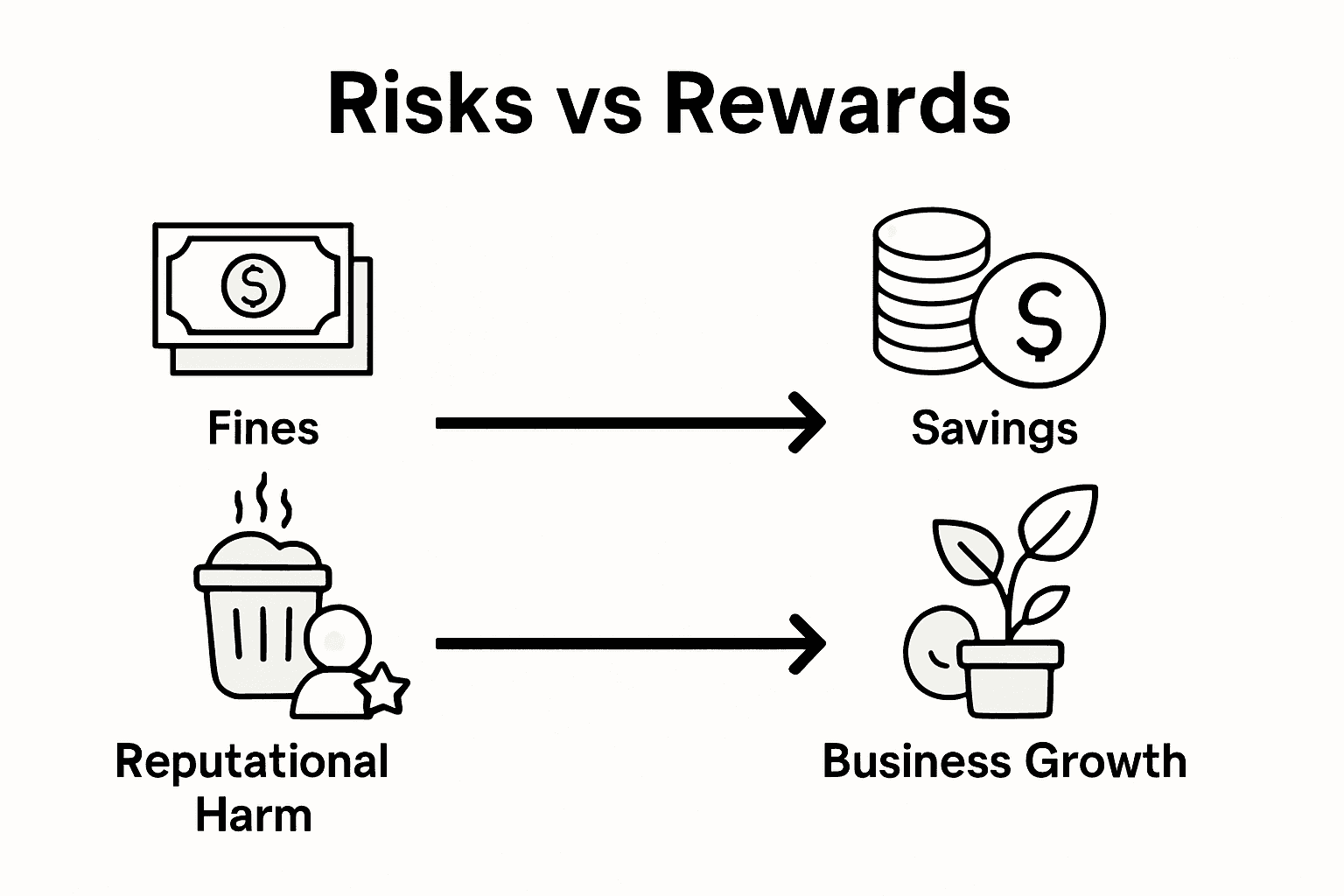
The economic and legal ramifications of poor waste collection can be substantial. Businesses failing to maintain proper waste management protocols risk significant financial penalties, potential legal action, and reputational damage. Hazardous waste risks extend beyond immediate health concerns, potentially triggering environmental violations, hefty fines, and mandatory remediation expenses. Local authorities may impose substantial charges for improper waste disposal, and repeated non-compliance can lead to more severe sanctions, including potential business licence revocations.

Pro Risk Management Tip: Develop a comprehensive waste management schedule that includes regular waste audits, precise collection frequencies, and contingency plans for unexpected waste accumulation.

Optimising Waste Collection for Businesses

New recycling regulations for businesses are transforming waste management strategies across the United Kingdom. From March 2025, organisations must adopt more sophisticated approaches to waste collection, focusing on efficiency, compliance, and environmental responsibility. Effective waste collection optimization requires a comprehensive understanding of regulatory requirements, technological innovations, and industry-specific challenges.

Businesses must implement strategic waste segregation practices that align with emerging governmental guidelines. For enterprises with more than 10 employees, this means developing robust systems that separate recyclable materials at the source and maintain distinct waste streams throughout the collection process. Waste classification becomes crucial, with different materials requiring unique handling protocols. Industries ranging from manufacturing and healthcare to retail and hospitality must adapt their internal waste management infrastructure to meet increasingly stringent regulatory standards.

Workplace recycling regulations are driving significant changes in how businesses approach waste collection. Organisations must now present materials like paper, glass, metal, plastic, and food waste in separate collection streams. This necessitates investment in specialised waste management technologies, staff training, and potentially redesigning existing waste handling facilities. Advanced waste sorting technologies, digital tracking systems, and comprehensive employee education programmes are becoming essential tools for businesses seeking to optimize their waste collection strategies.

Pro Optimization Tip: Conduct a comprehensive waste audit annually, mapping your current waste streams, identifying potential reduction opportunities, and aligning your collection strategies with the latest regulatory requirements.

Optimise Your Waste Collection Schedule for Compliance and Efficiency

Managing how often waste is collected can be a complex challenge for both businesses and residents across the United Kingdom. As the article highlights, understanding local council collection frequencies and adhering to legal standards are essential to avoid health risks, fines, and environmental damage. If you want to ensure your waste collection is reliable, compliant, and tailored to your waste streams this is the moment to take control

https://venturewaste.co.uk

Discover how Venture Waste Management’s streamlined services can help you navigate new regulations and optimise your collection schedule. With expert guidance on adapting to changing requirements and a simple three-step booking process, you can protect your business or home against costly penalties and improve environmental outcomes. Explore our detailed insights on How the Waste Collection Network in UK Serves Businesses in 2025 and learn more about the Waste Collection Process in the UK for Businesses 2025. Start simplifying your waste management journey today at Venture Waste. Act now to keep your waste collection on schedule and compliant with UK standards.

Frequently Asked Questions

How often is waste collected in the UK for residential properties?

Most local councils in the UK offer weekly or fortnightly waste collection services for general refuse and recycling, depending on local authority guidelines.

What factors influence waste collection frequency in the UK?

Collection frequency can vary based on factors such as population density, property types, bin sizes, and the number of occupants in a household.

Is commercial waste collection frequency different from residential collection?

Yes, commercial waste collection frequencies differ significantly, with many businesses requiring daily or multiple-weekly collections based on their waste volume and type.

What types of waste require special collection procedures?

Types of waste that require special collection procedures include hazardous waste, organic waste, and specific commercial waste, each requiring distinct management strategies.

Kitchen manager tracking food waste in busy UK kitchen

7 Essential Food Waste Solutions for UK Businesses

British businesses throw away over £3 billion worth of food every year. This staggering figure highlights how quickly food waste can eat into profits and damage reputation. Understanding where and why this waste happens matters more than ever for any United Kingdom company hoping to stay competitive and embrace sustainability. This guide shares practical steps for tracking, reducing, and repurposing food waste so your business can protect the environment and save money.

Table of Contents

Quick Summary

Takeaway Explanation
1. Track food waste systematically Implement a robust measurement system to understand where food waste occurs and develop reduction strategies.
2. Adopt effective food storage practices Utilise proper techniques such as temperature control and FIFO management to minimise spoilage and maximise ingredient longevity.
3. Educate staff on portion control Train employees on standard serving sizes and visual estimation methods to reduce excess food disposal.
4. Partner with local food donation schemes Connect with charities to redistribute surplus food, reducing waste and benefiting the community.
5. Implement composting for sustainability Set up composting practices to recycle organic waste, enhancing resource sustainability and reducing landfill reliance.

1. Understand and Track Your Food Waste

Tracking food waste is the foundation of effective waste management for UK businesses. By implementing systematic monitoring, you can uncover hidden inefficiencies and develop targeted strategies for reduction.

Businesses generate substantial food waste annually, with the UK government’s digital waste tracking service providing crucial infrastructure for comprehensive waste data collection. Understanding your specific waste patterns allows for precise intervention strategies.

To effectively track food waste, start by establishing a robust measurement system. This involves weighing and categorising waste across different stages of food preparation, storage, and disposal. Detailed record keeping helps identify specific areas where waste occurs most frequently, whether in food preparation, storage, serving, or disposal processes.

Utilise digital tracking tools that allow you to log waste quantities, types, and potential reasons for disposal. Many successful businesses create waste tracking spreadsheets or invest in specialised software that provides visual analytics and trend monitoring.

Key metrics to track include:

  • Total daily/weekly food waste weight
  • Waste categories (spoilage, preparation waste, plate waste)
  • Financial cost of wasted food
  • Percentage of total food purchased that becomes waste

Consider conducting waste audits quarterly to review your tracking data and identify improvement opportunities. These systematic reviews can reveal surprising insights about your food management processes.

Smart tip: Assign a dedicated team member to manage food waste tracking and reporting, ensuring consistent and accurate data collection throughout your organisation.

2. Implement Effective Food Storage Practices

Effective food storage is a critical strategy for minimising waste and maintaining food quality in business environments. Proper storage techniques can significantly reduce spoilage and extend the usable life of ingredients.

The Food Standards Agency provides comprehensive guidance on maintaining food safety through intelligent storage practices. Temperature control stands as a fundamental principle in preventing food deterioration and potential contamination.

Key Storage Principles:

  • Maintain refrigeration temperatures below 5°C for perishable items
  • Use airtight containers to prevent moisture and bacterial growth
  • Organise storage areas with clear labelling and rotation systems
  • Separate raw and cooked foods to prevent cross contamination
  • Implement first in first out (FIFO) inventory management

Digital inventory management systems can revolutionise food storage tracking. These systems allow businesses to monitor expiration dates, track stock levels, and receive automated alerts when ingredients approach their use by dates.

Business kitchens should create designated storage zones with specific temperature controls. Different ingredients require unique storage conditions refrigeration, freezing, or ambient temperature storage.

Special attention must be given to high risk foods such as meat, dairy, and prepared meals. These items demand precise temperature management and limited storage duration to maintain safety and quality.

Smart tip: Invest in digital temperature monitoring devices that provide real time tracking and instant alerts for temperature fluctuations in your food storage areas.

3. Educate Staff on Portion Control

Portion control represents a critical strategy for reducing food waste in business environments. Properly trained staff can significantly minimise unnecessary food disposal while maintaining customer satisfaction.

The Food Standards Agency emphasises the importance of meal planning as a fundamental approach to reducing unnecessary food waste. Staff education plays a pivotal role in implementing effective portion management strategies.

Key Portion Control Training Elements:

  • Standardise serving sizes using precise measurement tools
  • Train staff on visual portion estimation techniques
  • Implement consistent plating guidelines
  • Educate about food waste financial implications
  • Develop clear communication protocols for customer portion requests

Training programmes should include practical demonstrations of correct portioning techniques. This might involve using standardised measuring cups, scales, and visual guides that help staff understand exact portion sizes for different menu items.

Businesses can create laminated portion guides for kitchen and serving staff. These visual references help ensure consistency and reduce overserving. Interactive training sessions that include hands on practice can make learning more engaging and effective.

Financial incentives can motivate staff to take portion control seriously. Consider implementing recognition programmes that reward teams or individuals who demonstrate excellent waste reduction practices.

Smart tip: Conduct monthly portion control workshops where staff can learn updated techniques and share best practices for minimising food waste.

4. Partner With Local Food Donation Schemes

Partnering with local food donation schemes transforms potential food waste into a powerful community resource. These partnerships offer businesses an ethical and sustainable approach to managing surplus food.

Organisations like the Real Junk Food Project demonstrate innovative approaches to food redistribution, proving that surplus food can create meaningful social impact. By connecting businesses with local charities and community organisations, food waste can be dramatically reduced.

Strategic Donation Partnership Considerations:

  • Research local food banks and charitable organisations
  • Establish clear food safety transfer protocols
  • Create consistent donation scheduling
  • Train staff on identifying suitable donation items
  • Develop accurate tracking and recording systems
  • Understand legal requirements for food donation

Successful food donation programmes require meticulous planning. Businesses must ensure donated food meets safety standards and is transported appropriately. This involves careful temperature monitoring, proper packaging, and rapid transportation to recipient organisations.

Many charities welcome specific types of surplus food including:

  • Unopened packaged goods
  • Fresh produce with remaining shelf life
  • Prepared meals meeting safety standards
  • Bulk ingredients from catering operations

Donation partnerships offer multiple benefits beyond waste reduction. They provide positive public relations opportunities, potential tax benefits, and demonstrate corporate social responsibility.

Smart tip: Designate a staff member as your food donation coordinator to manage relationships with local charitable organisations and streamline your surplus food redistribution process.

5. Compost Food Waste for Sustainability

Composting represents a transformative approach to food waste management that turns potential landfill material into valuable environmental resources. By implementing systematic composting practices, businesses can significantly reduce their ecological footprint.

The UK government’s guidance on food waste hierarchy emphasises composting as a critical strategy for sustainable waste management. Businesses can convert organic waste into nutrient rich material that supports agricultural and landscaping needs.

Effective Composting Strategies for Businesses:

  • Segregate compostable food waste from general waste
  • Invest in dedicated composting bins
  • Train staff on proper waste separation techniques
  • Partner with local composting facilities
  • Monitor and track composting volumes
  • Explore on site composting options

Successful composting requires careful management of organic materials. Suitable items include fruit and vegetable scraps, coffee grounds, tea bags, and uncooked plant based materials. Businesses should avoid composting meat, dairy, or oily foods which can attract pests.

Implementing a workplace composting programme involves creating clear signage, providing specialised bins, and educating staff about proper waste sorting. Some businesses collaborate with local farms or community gardens to utilise their compost, creating a circular economy approach.

Financial benefits complement environmental advantages. Reducing waste disposal costs and potentially generating revenue through compost sales make this strategy economically attractive.

Smart tip: Designate a sustainability champion in your organisation to oversee and promote your composting initiatives, ensuring consistent implementation and staff engagement.

6. Optimise Waste Collection and Recycling

Optimising waste collection and recycling represents a critical strategy for businesses seeking to minimise environmental impact and improve operational efficiency. Systematic waste management can transform how organisations approach resource utilisation.

The UK government’s digital waste tracking service provides businesses with innovative tools for comprehensive waste monitoring and management. By implementing structured waste collection processes, companies can significantly reduce their ecological footprint.

Key Waste Collection Optimisation Strategies:

  • Conduct comprehensive waste audits
  • Implement colour coded recycling bins
  • Establish clear waste segregation protocols
  • Invest in digital tracking technologies
  • Train staff in proper waste management techniques
  • Partner with certified waste management providers
  • Develop regular waste performance reporting

Successful waste collection requires a multifaceted approach. Businesses should create dedicated waste management zones with clearly labelled containers for different material types including general waste, recyclables, food waste, and potentially hazardous materials.

Digital tracking technologies enable precise monitoring of waste streams. These systems can help businesses understand their waste generation patterns, identify reduction opportunities, and demonstrate compliance with environmental regulations.

Financial benefits complement environmental advantages. Efficient waste management can reduce disposal costs, potentially generate revenue through recyclable material sales, and improve an organisation’s sustainability credentials.

Smart tip: Appoint a dedicated waste management champion within your organisation to drive continuous improvement in recycling and waste reduction initiatives.

7. Work With Professional Waste Management Services

Partnering with professional waste management services represents a strategic approach to comprehensive food waste reduction and environmental responsibility. These specialised providers offer expertise that extends far beyond simple waste collection.

The UK government’s digital waste tracking service underscores the importance of professional waste management in maintaining compliance and operational efficiency. Professional services bring sophisticated tracking and disposal technologies that individual businesses cannot easily replicate.

Key Benefits of Professional Waste Management Services:

  • Comprehensive waste stream analysis
  • Compliance with environmental regulations
  • Advanced tracking and reporting systems
  • Sustainable disposal and recycling solutions
  • Cost effective waste management strategies
  • Reduced environmental impact
  • Expert guidance on waste reduction

Professional waste management providers offer nuanced solutions tailored to specific business sectors. They can design custom waste reduction programmes that address unique operational challenges, from food preparation facilities to large scale catering enterprises.

These services often provide additional value through detailed waste audits, identifying inefficiencies in current processes, and recommending targeted improvement strategies. Many providers now offer digital platforms that enable real time waste tracking and performance monitoring.

Financial advantages complement environmental benefits. By optimising waste processes, businesses can reduce disposal costs, potentially generate revenue from recyclable materials, and improve their overall sustainability credentials.

Smart tip: Request comprehensive waste management proposals from multiple providers, comparing their technological capabilities, reporting systems, and sustainability credentials before making a final selection.

Below is a comprehensive table summarising the strategies and processes for managing food waste effectively in UK businesses as discussed in the article.

Strategy Implementation Expected Results
Tracking Food Waste Establish measurement systems; Use digital tracking tools; Conduct quarterly audits Identify inefficiencies; Develop targeted reduction strategies
Food Storage Practices Maintain temperatures; Use airtight containers; Implement FIFO systems Reduce spoilage; Extend ingredient life
Staff Education on Portion Control Standardise serving sizes; Train staff; Use visual guides Minimise disposal; Maintain satisfaction
Partner with Donation Schemes Research local charities; Train staff; Schedule donations Reduce waste; Enhance community impact
Composting Segregate waste; Partner with facilities; Train staff Reduce landfill waste; Create nutrient-rich soil
Waste Collection and Recycling Use audits; Colour-coded bins; Employ digital tracking Reduce ecological footprint; Improve efficiency
Professional Waste Management Engage expert services; Use advanced systems Ensure compliance; Optimise processes

Take Control of Food Waste with Expert Support

Food waste presents a complex challenge for UK businesses aiming to cut costs, enhance sustainability, and comply with environmental regulations. From tracking waste patterns and optimising storage to partnering with donation schemes and composting, effective waste management demands both insight and practical solutions. Venture Waste Management understands the pressure to reduce waste responsibly while maintaining operational efficiency and legal compliance.

https://venturewaste.co.uk

Explore how our tailored services can help you implement the 7 essential food waste solutions highlighted in this article. Visit our dedicated food waste Archives – Venture Waste to discover actionable insights and proven strategies. Streamline your operations with our professional collection and recycling services explained in Waste Collection Process in the UK for Businesses 2025 – Venture Waste and learn how the broader Waste Collection Network in UK Serves Businesses in 2025 – Venture Waste enables seamless waste management across sectors. Start reducing your food waste impact today by booking a customised waste management plan at https://venturewaste.co.uk. Take action now to protect your business and the environment with trusted expertise and straightforward solutions.

Frequently Asked Questions

How can I effectively track food waste in my business?

To effectively track food waste, begin by implementing a systematic monitoring system to weigh and categorise waste at various stages. Use a standardised tracking spreadsheet or dedicated software to log waste quantities and identify areas for improvement, aiming to reduce waste by approximately 20% within the first few months.

What are the key principles of effective food storage for minimising waste?

The key principles of effective food storage include maintaining refrigeration temperatures below 5°C for perishables and using airtight containers to extend shelf life. Ensure to establish a first in, first out (FIFO) system and regularly educate staff on proper storage techniques to minimise spoilage and waste.

How can I train my staff on portion control to reduce food waste?

Train your staff on portion control by standardising serving sizes with precise measurement tools and offering practical demonstrations for visual portion estimation. Hold monthly workshops to reinforce training and encourage consistent portion management, which can reduce food waste significantly.

What steps should I take to partner with local food donation schemes?

To partner with local food donation schemes, research local charities and establish clear protocols for food safety and donation scheduling. Train staff on suitable donation items and set up a regular tracking system to monitor the success of your donations and reduce food waste collectively.

How can composting benefit my business and the environment?

Composting allows businesses to turn food waste into valuable compost, significantly reducing landfill contributions. Implement a composting programme by segregating organic waste and training staff, aiming to compost about 30% of your total food waste within the first year for both environmental and financial benefits.

Business manager sorts office waste in loading bay

Sustainable Waste Practices: Impact on UK Businesses

Over 200 million tonnes of waste are generated in the United Kingdom each year, yet only a fraction is managed using sustainable methods. For british businesses, the pressure to adopt greener waste practices is no longer just an ethical choice but a regulatory expectation. Understanding the latest sustainable waste strategies will help organisations protect their bottom line, reduce environmental impact, and stay ahead of evolving legal requirements.

Table of Contents

Key Takeaways

Point Details
Sustainable Waste Practices are Essential Organisations must adopt sustainable waste management strategies to minimise environmental impact and enhance resource efficiency.
Legal Compliance is Critical Businesses must understand and comply with stringent waste regulations to avoid substantial financial penalties and legal repercussions.
Waste Reduction Strategies are Key Implementing annual waste audits and innovative waste management approaches can significantly decrease waste generation and operational costs.
Circular Economy Principles Offer Opportunities Redesigning products and processes within a circular economy framework enables businesses to reduce waste and turn it into a resource.

Defining Sustainable Waste Practices in the UK

Sustainable waste practices represent a comprehensive approach to managing organisational waste streams with minimal environmental impact. These practices go beyond traditional disposal methods, focusing instead on reducing waste generation, maximising resource efficiency, and implementing circular economy principles across business operations.

In the United Kingdom, sustainable waste management has become increasingly critical, driven by stringent environmental regulations and growing corporate responsibility. The government has been proactively promoting waste reduction strategies, particularly through initiatives that encourage businesses to minimise waste generation and increase recycling across various industrial sectors. This approach involves multiple strategic elements, including waste prevention, reuse, recycling, energy recovery, and responsible disposal.

Key components of sustainable waste practices encompass several interconnected strategies. Businesses must develop robust waste management systems that prioritise resource conservation and environmental protection. These strategies typically include conducting comprehensive waste audits, implementing waste segregation protocols, investing in recycling infrastructure, exploring alternative waste treatment technologies, and continuously training employees on sustainable waste management techniques. By adopting a holistic approach, organisations can significantly reduce their carbon footprint, minimise landfill contributions, and potentially generate cost savings through more efficient resource utilisation.

Pro Tip: Waste Reduction Strategy: Conduct a detailed waste audit annually to identify potential reduction opportunities and track your organisation’s progress towards more sustainable waste management practices.

Major Waste Types and Sustainable Options

UK businesses encounter diverse waste streams that require strategic management and sustainable solutions. These waste types range from general commercial refuse to specialised industrial byproducts, each demanding unique approaches to minimisation and responsible disposal. Understanding the characteristics and potential recycling or recovery pathways for different waste categories is crucial for developing effective environmental management strategies.

The most common waste types in commercial settings include general waste, recyclable materials, organic waste, construction waste, and electronic waste. For electronic equipment specifically, the UK government has been proactively developing frameworks to improve collection and sustainable management of Waste Electrical and Electronic Equipment, emphasising design principles that facilitate easier recycling and reuse.

Plastic waste represents a particularly challenging category, requiring innovative management approaches. Recent research has introduced comprehensive frameworks like the Plastics Hierarchy of Fates, which evaluates multiple end-of-life options to support a circular plastics economy. By prioritising strategies such as redesign, reuse, mechanical recycling, chemical recycling, and energy recovery, businesses can systematically reduce their plastic waste environmental footprint. This hierarchical approach encourages organisations to first minimise plastic usage, then explore multiple sustainable disposal pathways that maximise resource recovery and minimise environmental impact.

The following table summarises the main commercial waste types in the UK alongside recommended sustainable management approaches and common business challenges:

Waste Type Sustainable Approach Typical Business Challenge
General waste Reduce at source, segregate High landfill costs
Recyclable materials Invest in recycling systems Sorting contamination
Organic waste Compost or anaerobic digestion Handling food waste on-site
Construction waste Material recovery, reuse Managing mixed debris streams
Electronic waste Producer take-back, repair Data security, legal compliance
Plastics Redesign, mechanical recycling Limited local recycling infrastructure

Pro Tip: Waste Stream Assessment: Conduct a comprehensive waste audit annually to identify specific waste types, quantify their volumes, and develop targeted reduction and recycling strategies tailored to your organisation’s unique waste profile.

Business waste disposal in the United Kingdom involves a complex framework of legal requirements designed to promote environmental responsibility and sustainable resource management. Companies must navigate stringent regulations that govern waste generation, segregation, transportation, and ultimate disposal, with significant potential penalties for non-compliance.

Key legislative requirements mandate that businesses take proactive steps in waste management. Most notably, businesses in England are required to separate food waste and dry recyclable materials from non-recycled waste by specific deadlines. Smaller enterprises have until 31st March 2027 to implement these waste segregation protocols, while larger organisations must comply by 31st March 2025. These regulations are part of a broader governmental strategy to reduce landfill contributions and enhance recycling infrastructure.

The legal framework encompasses multiple dimensions of waste management, including waste transfer documentation, duty of care regulations, and environmental permitting requirements. Businesses must maintain comprehensive records of waste generation and disposal, ensure waste is transferred only to licensed waste management operators, and demonstrate a systematic approach to minimising environmental impact. Failure to comply can result in substantial financial penalties, potential legal action, and reputational damage. Moreover, these regulations extend beyond mere compliance, encouraging businesses to adopt innovative waste reduction strategies that contribute to the circular economy and support national environmental objectives.

Here is a comparison of key legal waste management obligations and the consequences of non-compliance for UK businesses:

Legal Duty Business Requirement Consequence of Non-Compliance
Waste segregation Separate specified waste streams Fines, reputational harm
Waste transfer documentation Maintain accurate waste records Penalties, possible business restrictions
Licensed carrier usage Use only authorised waste operators Legal action, remediation orders
Environmental permitting Obtain permits for certain waste types Business closure risk, large financial fines

Pro Tip: Compliance Documentation: Maintain meticulous waste transfer records, including consignment notes and carrier licensing information, to ensure full legal compliance and protect your organisation from potential regulatory penalties.

Practical Strategies for Reducing Waste

Reducing waste represents a critical challenge for UK businesses seeking to enhance environmental sustainability and operational efficiency. Companies must adopt a holistic approach that encompasses waste prevention, strategic reduction, and innovative recycling methodologies across all organisational processes and departments.

Office worker prepares recycling by meeting table

Businesses can implement several practical strategies to minimise waste generation. The UK Business Climate Hub recommends comprehensive waste stream management approaches that involve systematic waste segregation, detailed tracking, and continuous improvement. Key strategies include conducting regular waste audits, implementing digital documentation systems, training employees on waste reduction techniques, and establishing clear waste minimisation targets that align with broader organisational sustainability goals.

Technology and process redesign play pivotal roles in waste reduction efforts. Circular economy principles encourage businesses to rethink product design, packaging, and operational workflows to minimise waste generation at source. This might involve strategies such as investing in reusable packaging, developing take-back programmes for electronic equipment, implementing digital workflows to reduce paper consumption, and exploring opportunities for material repurposing. By treating waste as a potential resource rather than a disposal problem, organisations can transform their waste management approach from a compliance exercise to a strategic business advantage.

Pro Tip: Waste Mapping Strategy: Conduct a comprehensive waste audit every six months to identify reduction opportunities, track progress, and continuously refine your organisation’s waste minimisation approach.

Risks of Non-Compliance and Cost Implications

Business waste management non-compliance represents a significant financial and reputational risk for organisations across the United Kingdom. Companies that fail to adhere to established waste disposal regulations expose themselves to substantial economic penalties, legal challenges, and potential operational disruptions that can dramatically impact their bottom line.

Infographic compares costs of compliance vs. non-compliance

Non-compliance with waste regulations can result in significant costs for businesses, including escalating landfill taxes, substantial environmental fines, and potential legal enforcement actions. These financial implications extend beyond immediate monetary penalties, potentially encompassing increased waste management expenses, mandatory remediation costs, and long-term reputational damage that can negatively influence customer perception and investor confidence.

The financial risks associated with waste management non-compliance are multifaceted and can manifest through several critical channels. Regulatory penalties can include fixed monetary fines ranging from £300 to £50,000 depending on the severity of the violation, while persistent non-compliance might trigger more severe consequences such as compulsory environmental audits, operational restrictions, or even business licence revocations. Additional indirect costs may arise from increased waste disposal expenses, inefficient resource utilisation, and potential contractual penalties from clients or partners who maintain stringent environmental standards.

Pro Tip: Compliance Monitoring: Establish a dedicated internal compliance team or appoint a waste management compliance officer to continuously track regulatory changes, conduct regular internal audits, and ensure your organisation remains ahead of evolving waste management requirements.

Take Control of Your Business Waste with Expert Sustainable Solutions

The challenge of managing diverse waste streams while staying compliant and reducing environmental impact can be complex for UK businesses. From navigating legal duties like waste segregation to implementing effective waste minimisation strategies, companies must actively reduce costs and environmental risks. If you seek practical ways to align with sustainable waste practices mentioned in the article, such as conducting waste audits or embracing circular economy principles, our tailored services are designed to help.

https://venturewaste.co.uk

Explore how our streamlined Waste Collection Process in the UK for Businesses 2025 simplifies compliance and boosts efficiency. Learn about How the Waste Collection Network in UK Serves Businesses in 2025 to keep your waste management seamless and lawful. For specialised waste streams like food waste, check out our dedicated food waste solutions to reduce environmental impact safely. Start your journey towards responsible waste disposal today at Venture Waste and secure your business from costly non-compliance risks while building a greener future.

Frequently Asked Questions

What are sustainable waste practices?

Sustainable waste practices involve managing waste streams effectively to reduce environmental impact, focusing on waste prevention, resource efficiency, and circular economy principles.

How can businesses reduce their waste footprint?

Businesses can reduce their waste footprint by conducting waste audits, implementing waste segregation, investing in recycling systems, and training employees on sustainable practices.

What are the consequences of non-compliance with waste disposal regulations?

Non-compliance with waste regulations can lead to significant penalties, including fines, operational restrictions, and reputational damage that may affect customer perception and business operations.

What types of waste should businesses manage sustainably?

Businesses should manage various waste types sustainably, including general waste, recyclable materials, organic waste, construction waste, electronic waste, and plastics, each requiring tailored management strategies.

Manager checking waste bins for compliance

Waste Management Legal Issues in the UK – Business Impact

British businesses face more waste management legal issues today than ever before. With over 200 different regulations affecting commercial disposal, companies often struggle to keep up with changing requirements and avoid heavy fines. This complicated legal framework matters because missing even one detail can put your entire operation at risk. Here, you will uncover what every organisation needs to know to stay compliant, safeguard reputation, and support truly responsible waste practices.

Table of Contents

Key Takeaways

Point Details
Understanding Legislation Familiarise yourself with key waste management laws like the Environmental Protection Act 1990 and the Landfill Directive to ensure compliance.
Waste Classification Properly categorise waste types to adhere to handling and disposal regulations, especially for hazardous materials.
Proactive Compliance Conduct regular audits and maintain documentation to stay compliant with evolving regulations and mitigate risks.
Consequences of Non-Compliance Be aware that failing to comply can result in substantial fines and reputational damage, making rigorous waste management essential.

Waste management legal issues represent a complex framework of regulations designed to control and minimise environmental impact from commercial and industrial waste disposal practices across the United Kingdom. The legislative landscape is primarily governed by key statutes like the Environmental Protection Act 1990, which establishes comprehensive guidelines for waste classification, handling, and responsible disposal.

Businesses operating in the UK must navigate a multifaceted legal environment that encompasses multiple regulatory requirements. Waste management regulations encompass diverse areas including waste categorisation, transportation, treatment, and final disposal methods. These legal frameworks mandate that organisations develop systematic approaches to waste reduction, recycling, and environmentally sustainable practices. Companies are legally obligated to demonstrate due diligence in tracking waste streams, maintaining accurate documentation, and ensuring compliance with local and national environmental protection standards.

The legal complexities surrounding waste management extend beyond simple disposal protocols. Organisations must understand nuanced distinctions between different waste categories, such as hazardous and non-hazardous materials, each carrying specific legal requirements for handling and processing. Non-hazardous waste treatment guidelines provided by government agencies offer critical insights into the precise legal expectations for businesses across various industrial sectors.

Pro Tip: Conduct a comprehensive waste audit annually to ensure your organisation remains fully compliant with current waste management legal requirements and identifies potential areas for improved environmental sustainability.

Understanding these legal frameworks is not merely about avoiding potential penalties but represents a fundamental commitment to responsible environmental stewardship and sustainable business practices in the modern UK commercial landscape.

Key UK Regulations Governing Waste Disposal

Waste disposal regulations in the United Kingdom represent a sophisticated legal framework designed to protect environmental integrity and promote sustainable waste management practices. The Waste and Emissions Trading Act 2003 stands as a cornerstone legislation that introduced critical mechanisms like the Landfill Allowance Trading Scheme, fundamentally transforming how businesses approach waste management and disposal strategies.

Key regulatory frameworks encompass multiple interconnected statutes that businesses must comprehensively understand. The Landfill Directive, implemented across the UK, establishes stringent requirements for waste disposal operations, including precise waste acceptance criteria and comprehensive environmental protection measures. These regulations mandate that organisations develop robust waste management systems that prioritise reduction, recycling, and responsible disposal methods. Businesses must demonstrate meticulous compliance through detailed documentation, tracking waste streams, and implementing environmentally sustainable practices.

The regulatory landscape is further complicated by additional legislative instruments such as the Environmental Protection Act and the Hazardous Waste Regulations. These laws create a comprehensive framework that classifies different waste types, prescribes specific handling protocols, and establishes significant financial penalties for non-compliance. Waste disposal legal requirements have become increasingly complex, requiring businesses to invest in specialised knowledge and systematic waste management approaches.

Pro Tip: Develop an annual compliance review process that systematically evaluates your organisation’s waste management practices against current regulatory standards, ensuring proactive adaptation to evolving legal requirements.

Understanding and navigating these intricate regulations is not merely a legal obligation but represents a fundamental commitment to environmental stewardship and sustainable business practices in the modern UK commercial ecosystem.

Here is a summary of major UK waste management regulations and their primary purposes:

Legislation Main Focus Impact on Businesses
Environmental Protection Act 1990 Waste classification and control Establishes duties and guidelines
Landfill Directive Regulation of landfill sites Imposes landfill restrictions
Waste and Emissions Trading Act 2003 Emissions and landfill trading Introduces trading schemes
Hazardous Waste Regulations Hazardous waste management Prescribes handling procedures
Radioactive Substances Act 1993 Radioactive waste management Sets strict disposal protocols

Types of Waste and Classification Rules

Waste classification in the United Kingdom represents a sophisticated regulatory mechanism designed to ensure environmental protection and responsible disposal practices. The Environmental Protection Act 1990 provides a comprehensive framework that categorises waste into distinct types, including household, industrial, and commercial waste, each requiring specific management protocols and disposal strategies.

Employees sorting business waste in warehouse

The waste classification system in the UK is intricate, distinguishing between multiple waste categories based on their origin, composition, and potential environmental impact. Hazardous waste receives particular attention, encompassing materials that pose significant risks to human health and environmental safety. These include chemical waste, medical biological waste, electronic equipment, batteries, and substances containing toxic or potentially harmful components. Hazardous waste regulations mandate stringent handling, transportation, and disposal requirements to mitigate potential environmental and health risks.

Moreover, the regulatory landscape extends to specialised waste categories with unique management protocols. The Radioactive Substances Act 1993 establishes rigorous guidelines for radioactive waste management, highlighting the complexity of waste classification beyond conventional industrial and commercial waste streams. Businesses must implement comprehensive waste tracking systems, maintain detailed documentation, and ensure strict compliance with classification rules that dictate appropriate disposal or recycling methodologies.

Pro Tip: Conduct a comprehensive waste audit quarterly to accurately categorise your organisation’s waste streams, ensuring precise classification and compliant disposal strategies.

Navigating these intricate waste classification rules requires a proactive approach, combining technical understanding, regulatory awareness, and a commitment to environmental responsibility.

The following table contrasts key waste categories with their management requirements:

Waste Type Risk Level Management Requirement
Household Waste Low to moderate Standard segregation and disposal
Commercial Waste Moderate Record-keeping and authorised carriers
Hazardous Waste High Strict labelling and safe transport
Radioactive Waste Extremely high Licensed handling and storage
Electronic Waste Moderate to high Recycling and WEEE compliance

Businesses in the United Kingdom face complex legal obligations regarding waste management, with comprehensive regulatory requirements governing non-hazardous waste treatment and disposal. These legal duties extend far beyond simple waste removal, demanding meticulous compliance with environmental protection standards, documentation protocols, and responsible disposal practices.

The legal framework imposes specific responsibilities on organisations across multiple dimensions of waste management. Businesses must ensure they use only authorised waste carriers, maintain detailed and accurate waste transfer records, and implement robust tracking systems for their waste streams. Waste disposal legislation particularly emphasises electronic waste management, requiring strict adherence to the Waste Electrical and Electronic Equipment (WEEE) regulations, which mandate proper recycling and environmentally conscious disposal of electronic equipment.

Moreover, legal duties encompass a broad spectrum of compliance requirements, including proper waste classification, segregation, and reporting. Organisations must demonstrate due diligence in identifying and managing different waste types, understanding their environmental implications, and implementing appropriate disposal strategies. Financial penalties for non-compliance can be substantial, making it imperative for businesses to develop comprehensive waste management strategies that align with current regulatory standards.

Pro Tip: Develop a dedicated compliance team or appoint a waste management coordinator responsible for staying updated on evolving waste disposal regulations and ensuring your organisation’s continuous legal adherence.

Ultimately, these legal duties represent more than bureaucratic obligations—they reflect a fundamental corporate responsibility to protect environmental resources and contribute to sustainable business practices.

Risks, Penalties and Common Mistakes

Waste management regulations in the United Kingdom impose significant financial and legal risks for businesses that fail to comply with established disposal protocols. Improper disposal practices can result in substantial penalties, with fines potentially reaching up to £400 for seemingly minor infractions such as incorrect waste categorisation or inappropriate bin usage.

The most common mistakes businesses encounter involve misunderstanding waste classification, inadequate record-keeping, and negligent handling of specialised waste streams. Hazardous materials like electronic equipment, chemical waste, and biological substances require meticulous documentation and specific disposal pathways. Business waste penalties can escalate quickly for organisations that fail to implement comprehensive waste management protocols, with potential legal consequences extending beyond monetary fines to include potential criminal prosecution and reputational damage.

Infographic showing waste penalties and mistakes

Risks extend beyond immediate financial penalties, encompassing broader environmental and operational implications. Businesses that do not maintain rigorous waste management systems may face increased regulatory scrutiny, potential suspension of operational licences, and significant rehabilitation costs. The regulatory landscape demands not just compliance, but a proactive approach to waste reduction, recycling, and responsible environmental stewardship.

Pro Tip: Implement a quarterly internal waste management audit to proactively identify potential compliance gaps and develop corrective strategies before regulatory intervention becomes necessary.

Navigating the complex terrain of waste management regulations requires vigilance, continuous education, and a commitment to sustainable business practices that prioritise environmental responsibility.

Take Control of Your Waste Management Compliance Today

Navigating the complexities of waste management legal issues in the UK can feel overwhelming for many businesses. From understanding detailed waste classification rules to ensuring full compliance with hazardous waste regulations, the risks of non-compliance are high and penalties can be severe. To meet these challenges effectively, having an experienced partner to simplify your waste disposal process and guarantee adherence to current laws is critical. Discover how How the Waste Collection Network in UK Serves Businesses in 2025 – Venture Waste provides tailored solutions that tackle your compliance headaches while supporting environmental responsibility.

https://venturewaste.co.uk

Don’t let complex regulations put your business at risk. With Venture Waste Management, you gain a reliable service that streamlines legal compliance through our straightforward three-step booking process, efficient waste collection systems, and expert handling of all waste types, including hazardous and electronic waste. Take the next step to protect your business and environment by exploring our Waste Collection Process in the UK for Businesses 2025 – Venture Waste. Visit Venture Waste now to secure peace of mind and maintain full legal compliance with confidence.

Frequently Asked Questions

Businesses must use authorised waste carriers, maintain detailed waste transfer records, implement tracking systems, and comply with specific waste classification and segregation requirements outlined in various legislative acts.

What are the consequences of failing to comply with waste management regulations?

Non-compliance can result in significant financial penalties, potentially reaching up to £400 for minor infractions, and can lead to legal repercussions, operational licence suspension, and reputational damage.

Organisations should conduct regular waste audits, maintain comprehensive documentation, train staff on waste classification, and stay updated on evolving regulations to ensure compliance with waste management standards.

Hazardous waste, including chemical, medical, and electronic waste, requires stringent handling protocols, specific documentation, and compliance with additional regulations to mitigate environmental and health risks.

Students sorting campus waste for sustainability audit

7 Essential Strategies for Sustainable Campus Waste

Every british university faces mounting pressure to cut waste and boost sustainability, yet few realize just how much can be diverted from landfill with a focused approach. With over 1 million tonnes of waste generated annually by United Kingdom higher education institutions, even small improvements make a huge impact. This guide reveals practical, research-backed strategies that help campuses not only reduce waste but also engage students and staff in building a greener future.

Table of Contents

Quick Summary

Takeaway Explanation
1. Conduct a thorough waste audit A waste audit helps identify waste generation patterns and informs resource management initiatives on campus.
2. Establish clear recycling stations Intuitive, well-labelled recycling stations reduce contamination and promote correct waste disposal by making recycling easy.
3. Launch awareness campaigns for waste reduction Engaging campaigns educate and motivate the campus community to adopt sustainable behaviours, significantly lowering waste generation.
4. Create guidelines for hazardous waste disposal Clear guidelines ensure the safe handling and disposal of hazardous materials, protecting health and the environment.
5. Engage students and staff in sustainability programmes Involving the campus community in sustainability initiatives fosters a collective responsibility towards effective waste management and environmental stewardship.

1. Conduct a Comprehensive Waste Audit

A waste audit serves as the critical first step in understanding your campus environmental footprint and developing targeted waste reduction strategies. By systematically examining waste generation patterns, universities can make informed decisions about resource management and sustainability efforts.

Conducting a comprehensive waste audit involves meticulously sorting, categorising, and quantifying different types of waste generated across campus facilities. Detailed waste audit worksheets provide structured guidance for collecting precise data about waste streams.

To perform an effective audit, assemble a dedicated team of students, faculty, and facilities staff who will work collaboratively. The audit process typically involves several key steps: preparing collection protocols, sorting waste into distinct categories like recyclables, compostables, and landfill waste, carefully weighing each category, and thoroughly documenting findings.

Key Waste Audit Components:

  • Mapping waste generation points across campus
  • Identifying primary waste categories
  • Measuring total waste volume
  • Calculating percentage of recyclable materials
  • Evaluating current waste management practices

The insights gained from a thorough waste audit can reveal surprising opportunities for waste reduction. For instance, you might discover that a significant portion of campus waste could be diverted through improved recycling programmes or by implementing targeted waste minimisation strategies.

Expert Tip: Conduct your first waste audit during a typical week of campus activity to ensure you capture representative data that genuinely reflects your institution’s waste generation patterns.

2. Set Up Clearly Labelled Recycling Stations

Creating a successful campus recycling programme hinges on establishing clear and intuitive recycling stations that guide users towards proper waste disposal. Effective waste segregation strategies are crucial for minimising contamination and maximising recycling efficiency.

The key to successful recycling stations lies in their visibility, accessibility, and crystal clear labelling. Each station should feature distinctly coloured bins with unambiguous signage that leaves no room for confusion about which materials belong in each container. This approach helps prevent cross contamination and ensures that recyclable materials are correctly sorted.

Essential Components of an Effective Recycling Station:

  • Colour coded bins for different waste streams
  • Large, legible signage with visual illustrations
  • Clear descriptions of acceptable materials
  • Strategically placed in high traffic areas
  • Consistent design across campus locations

Positioning these stations requires strategic thinking. Place them in areas with high student and staff traffic such as cafeterias, lecture halls, common rooms, and near building entrances. The goal is to make recycling so convenient that it becomes second nature for campus community members.

Expert Recommendation: Design your recycling station labels with both text and imagery to accommodate diverse language skills and visual learning preferences, ensuring maximum comprehension and participation.

3. Promote Waste Reduction Through Awareness Campaigns

Awareness campaigns are powerful tools for transforming campus waste management culture and inspiring behavioural change among students and staff. Targeted resource efficiency campaigns can dramatically reduce waste generation and promote sustainable practices.

Successful awareness campaigns leverage multiple communication channels to educate and motivate the campus community. These might include interactive workshops, digital media displays, social media challenges, and compelling visual presentations that highlight the environmental and economic impacts of waste.

Key Components of Effective Waste Reduction Campaigns:

  • Engaging storytelling about environmental consequences
  • Clear, actionable waste reduction strategies
  • Visually striking infographics and data presentations
  • Interactive learning experiences
  • Peer to peer education programmes

The University of Reading demonstrates the remarkable potential of such initiatives, achieving an impressive 36.8% reduction in waste per person over ten years through proactive and strategic awareness programmes. This demonstrates how targeted educational efforts can translate into significant environmental improvements.

Encourage student leadership by creating waste reduction ambassador roles, empowering individuals to become champions of sustainability within their peer groups. These ambassadors can design creative campaigns, organise events, and serve as role models for sustainable behaviours.

Expert Recommendation: Design your awareness campaigns with a mix of emotional appeal and practical guidance, using real campus waste data to make the message tangible and personally relevant to your audience.

4. Establish Clear Guidelines for Hazardous Waste Disposal

Proper management of hazardous waste is critical for campus safety, environmental protection, and legal compliance. Comprehensive workplace waste separation guidelines are essential for ensuring responsible disposal of potentially dangerous materials.

Hazardous waste guidelines must be meticulously developed to cover all potential scenarios encountered in academic and research environments. These guidelines should provide clear instructions for identifying, categorising, handling, and disposing of substances that pose risks to human health or the environment.

Key Components of Hazardous Waste Guidelines:

  • Detailed inventory of potential hazardous materials
  • Specific handling protocols for different substance types
  • Personal protective equipment requirements
  • Emergency response procedures
  • Designated storage and disposal methods
  • Regular staff training programmes

The University of Exeter recommends maintaining a local waste management standard operating procedure that includes comprehensive risk assessments and Control of Substances Hazardous to Health (COSHH) documentation. This approach ensures systematic tracking and safe management of potentially dangerous materials across campus facilities.

Implement a robust training programme that educates staff and students about hazardous waste identification, proper handling techniques, and the potential environmental and health consequences of improper disposal. Regular workshops and practical demonstrations can help reinforce these critical guidelines.

Expert Recommendation: Create visual reference materials such as colour coded charts and illustrated guides that clearly communicate hazardous waste disposal protocols, making complex information accessible and easy to understand for all campus community members.

5. Monitor Compliance with Waste Regulations

Regulatory compliance is the cornerstone of responsible campus waste management, requiring systematic tracking and continuous evaluation of waste handling practices. Workplace waste separation guidelines provide critical frameworks for understanding legal obligations and environmental responsibilities.

Effective monitoring involves developing a comprehensive strategy that encompasses regular audits, documentation, and proactive assessment of waste management procedures. This approach ensures that campuses not only meet current regulations but also anticipate potential future environmental requirements.

Key Components of Compliance Monitoring:

  • Regular waste stream documentation
  • Periodic internal compliance audits
  • Staff training and awareness programmes
  • Digital tracking and reporting systems
  • Continuous improvement mechanisms
  • External verification processes

The University of Exeter recommends utilising specialised tools like LEAF calculators to quantify waste generation, identify potential improvement areas, and maintain precise regulatory compliance records. These analytical tools transform complex waste management data into actionable insights.

Implement a robust digital tracking system that allows real time monitoring of waste generation, categorisation, and disposal. This technology enables rapid identification of potential compliance issues and supports data driven decision making for sustainability initiatives.

Expert Recommendation: Create a dedicated compliance team responsible for maintaining up to date knowledge of evolving waste regulations, conducting regular internal reviews, and ensuring your campus remains at the forefront of sustainable waste management practices.

6. Engage Students and Staff in Sustainability Initiatives

Transforming campus waste management requires more than policies and infrastructure. Sustainability initiatives driven by collaborative engagement can create powerful cultural shifts that motivate meaningful environmental action.

Successful engagement strategies go beyond simple communication by creating meaningful opportunities for students and staff to participate actively in sustainability efforts. This approach transforms waste management from an administrative task into a collective responsibility that empowers individuals to make tangible differences.

Key Engagement Strategies:

  • Create student sustainability ambassador programmes
  • Develop interactive waste reduction challenges
  • Implement peer to peer training workshops
  • Design competitive recycling initiatives
  • Provide transparent waste impact reporting
  • Recognise and reward innovative sustainability contributions

The University of Exeter demonstrates the effectiveness of this approach by training laboratory users on waste procedures and embedding sustainability principles directly into professional development programmes. Such targeted interventions help create a culture of environmental responsibility that extends beyond formal training.

Consider establishing a campus sustainability council that includes representatives from different departments, ensuring diverse perspectives and widespread institutional commitment. This collaborative approach helps develop holistic strategies that reflect the entire campus community’s values and insights.

Expert Recommendation: Design engagement programmes that combine education with tangible, measurable impact, allowing participants to see the direct results of their sustainability efforts through clear, accessible reporting mechanisms.

7. Partner with Professional Waste Management Providers

Strategic partnerships with professional waste management providers can transform a campus sustainability programme from good to exceptional. Collaborative waste management approaches enable universities to leverage specialised expertise and advanced technological solutions.

Choosing the right waste management partner requires careful consideration of their environmental credentials, technical capabilities, and alignment with your institution’s sustainability goals. These partnerships extend beyond simple waste collection to include comprehensive waste reduction, recycling strategies, and compliance support.

Critical Selection Criteria for Waste Management Partners:

  • Proven track record in sustainable waste solutions
  • Advanced recycling and waste processing technologies
  • Transparent reporting and compliance mechanisms
  • Commitment to zero waste to landfill principles
  • Customisable waste management programmes
  • Environmental certification and credentials

The University of Cambridge demonstrates the potential of such partnerships by collaborating with providers to achieve ambitious zero waste to landfill targets. Such strategic relationships enable institutions to develop innovative waste management approaches that go beyond traditional disposal methods.

Evaluate potential partners through comprehensive assessments that examine their technological capabilities, environmental commitments, and ability to provide tailored solutions that meet your specific campus requirements. Consider requesting detailed waste stream analysis and proposed reduction strategies during the selection process.

Expert Recommendation: Develop a comprehensive request for proposal process that prioritises providers offering holistic waste management solutions, including data tracking, sustainability reporting, and continuous improvement mechanisms.

Below is a comprehensive table summarizing the key strategies and components for effective waste management on campuses discussed throughout the article.

Strategy Implementation Expected Results
Waste Audit Sort, categorise, and quantify campus waste. Form a team of students, faculty, and staff. Conduct during typical campus activity. Identifies waste patterns; helps develop reduction strategies.
Recycling Stations Clearly labelled, colour-coded bins in high traffic areas with detailed signage. Minimises contamination; maximises recycling efficiency.
Awareness Campaigns Use digital media, workshops, and peer-to-peer programmes to promote waste reduction. Reduces waste generation through cultural change.
Hazardous Waste Guidelines Develop detailed protocols for identification, handling, and disposal with training programmes. Ensures safety and legal compliance.
Compliance Monitoring Regular audits, digital tracking, and external verification processes. Maintains regulatory compliance and identifies improvement areas.
Engagement Initiatives Create ambassador programmes and interactive challenges for students and staff. Fosters collective responsibility and participation.
Waste Management Partnerships Collaborate with providers offering sustainable solutions and advanced technologies. Achieve sustainable goals like zero waste to landfill.

Take Control of Your Campus Waste with Expert Support

Managing sustainable campus waste involves overcoming challenges like precise waste audits, clear recycling stations, hazardous waste guidelines and engaging the entire community for lasting change. These complex steps demand reliable, legal compliant waste management services that align with your sustainability goals. Whether you need help with general waste collection or specialised hazardous waste handling, Venture Waste Management offers tailored solutions designed to simplify your process and boost your environmental impact.

https://venturewaste.co.uk

Explore how our trusted team can support your waste reduction journey by streamlining your efforts through an efficient waste collection process designed for UK businesses. Learn how the waste collection network in UK works to serve institutions like yours. Get started today at Venture Waste Management and take the first step towards a cleaner, greener campus with compliance and quality service you can trust.

Frequently Asked Questions

What is a waste audit and how can I conduct one on campus?

A waste audit is a systematic examination of waste generation patterns that helps universities identify opportunities for waste reduction. To conduct one, assemble a team, prepare collection protocols, sort waste into categories, weigh each category, and document your findings thoroughly within a typical week of campus activities.

How can I set up effective recycling stations at my university?

To establish effective recycling stations, ensure they are clearly labelled with distinct colours for different waste streams and positioned in high-traffic areas. You should also include large, legible signage with clear descriptions of acceptable materials, making recycling intuitive for everyone on campus.

What strategies can I use to promote waste reduction awareness among students and staff?

You can promote waste reduction through engaging awareness campaigns that utilise multiple communication channels, such as workshops and social media challenges. Focus on storytelling about environmental impacts, provide actionable strategies, and consider involving students as waste ambassadors to foster a culture of sustainability.

How should I manage hazardous waste on campus?

To manage hazardous waste properly, develop clear guidelines that include identifying, categorising, handling, and disposing of hazardous materials safely. Ensure that you provide regular training programmes for staff and students, coupled with clear emergency response procedures and personal protective equipment requirements.

What are the key components of monitoring compliance with waste regulations?

Effective compliance monitoring includes regular documentation of waste streams, periodic internal audits, and staff training initiatives. Implement a digital tracking system to enable real-time monitoring and ensure your practices align with current waste regulations and improve continuously.

How can I engage students and staff in sustainability initiatives?

Engage students and staff by implementing initiatives like sustainability ambassador programmes, interactive waste reduction challenges, and training workshops. Recognising and rewarding innovative contributions can also foster a sense of collective responsibility for environmental sustainability on campus.

Office workers recycle in bright UK corner office

7 Reasons Why Recycle at Work Benefits Your Business

Over 60 percent of British businesses say waste disposal costs are cutting into their profits. With rising pressure to meet tough environmental targets, finding smarter ways to reduce waste is not just about being green—it is about protecting your bottom line. This guide reveals practical steps for British companies to lower expenses, stay compliant, and build a stronger reputation through smarter workplace waste management.

Table of Contents

Quick Summary

Takeaway Explanation
1. Implement targeted recycling practices Invest in recycling programmes to significantly reduce waste disposal costs for your business.
2. Understand legal waste management obligations Comply with the Environmental Protection Act to avoid penalties and ensure proper waste management.
3. Enhance company reputation through sustainability Demonstrating commitment to sustainability can improve public perception and attract talent.
4. Engage employees in recycling initiatives Encourage participation in recycling efforts to boost morale and foster a culture of sustainability.
5. Protect confidential information securely Establish robust protocols for the secure disposal of sensitive information to mitigate risks.

1. Cutting Waste Disposal Costs for Your Workplace

Reducing waste disposal costs is more than just an environmental responsibility it is a smart financial strategy for businesses. By implementing targeted recycling practices, companies can significantly lower their annual waste management expenses.

Businesses across the United Kingdom spend thousands of pounds annually on waste removal, but strategic recycling can dramatically cut these expenditures. According to research from Brita, workplace recycling initiatives can reduce annual waste disposal costs by approximately £30,000, presenting a compelling financial incentive for organisations.

The key to achieving these savings lies in systematic waste segregation and comprehensive recycling programmes. This involves training employees to correctly sort recyclable materials, investing in colour coded recycling bins, and establishing clear guidelines for waste management. By preventing recyclable materials from ending up in general waste streams, businesses can significantly reduce the volume of waste requiring expensive disposal.

Implementing a robust recycling strategy also creates indirect financial benefits. Companies that demonstrate environmental responsibility often attract environmentally conscious clients and employees, potentially leading to enhanced business reputation and competitive advantages.

Key Strategies for Reducing Waste Disposal Costs:

  • Conduct a waste audit to understand current disposal patterns
  • Implement comprehensive recycling training programmes
  • Invest in colour coded recycling infrastructure
  • Partner with local waste management providers specialising in recycling
  • Monitor and track waste reduction progress regularly

Practical Tip: Designate a ‘recycling champion’ within your organisation who can oversee waste reduction efforts and keep team members motivated and informed about sustainable practices.

Understanding and complying with waste management legal requirements is crucial for businesses operating in the United Kingdom. Failure to adhere to these regulations can result in significant financial penalties and potential legal consequences.

The Environmental Protection Act 1990 establishes a comprehensive Duty of Care for businesses regarding waste management, which mandates specific responsibilities for organisations. This legislation requires businesses to prevent unauthorized waste disposal, ensure secure waste storage, use only licensed waste carriers, and maintain meticulous documentation of all waste management activities.

Businesses must navigate several key legal obligations, including proper waste classification, registration as waste carriers when applicable, and implementing responsible disposal practices. The government provides clear guidelines that cover everything from hazardous material handling to general waste management protocols.

Essential Legal Compliance Requirements:

  • Register as a waste carrier if transporting business waste
  • Classify and segregate different types of waste correctly
  • Use only licensed waste management providers
  • Maintain comprehensive waste transfer documentation
  • Implement secure on site waste storage procedures
  • Train employees about waste management regulations
  • Conduct regular waste management audits

Practical Expert Advice: Create a dedicated compliance folder where all waste management documentation is systematically filed and regularly reviewed to demonstrate your organisation’s commitment to legal and environmental responsibilities.

3. Improving Company Image and Reputation

In today’s environmentally conscious business landscape, a company’s commitment to sustainability can significantly enhance its public perception and competitive positioning. Implementing robust recycling programmes demonstrates corporate social responsibility and signals a forward thinking approach to environmental management.

Workplace recycling initiatives can dramatically improve a company’s reputation by showcasing a genuine commitment to sustainability. Modern clients, employees, and stakeholders increasingly value organisations that prioritise environmental stewardship and actively work to reduce their ecological footprint.

Beyond mere public relations, sustainable practices create tangible benefits. Companies that visibly demonstrate environmental responsibility often attract top talent, particularly among younger professionals who prioritise working for ethically minded organisations. This can lead to improved recruitment outcomes and enhanced employee engagement.

Strategic Reputation Enhancement Approaches:

  • Develop a transparent sustainability strategy
  • Communicate recycling efforts through multiple channels
  • Publish annual sustainability reports
  • Engage employees in environmental initiatives
  • Highlight environmental achievements in marketing materials
  • Partner with local environmental organisations
  • Showcase recycling metrics and progress

Practical Expert Advice: Create a dedicated sustainability page on your company website that transparently shares your recycling achievements, goals, and environmental impact, helping to build trust and credibility with stakeholders.

4. Reducing Environmental Impact in the UK

Reducing environmental impact is a critical responsibility for businesses operating in the United Kingdom, with far reaching implications for our planet’s sustainability. Companies have a unique opportunity to contribute positively to environmental conservation through strategic waste management practices.

The UK government has established clear guidelines that encourage businesses to adopt a comprehensive waste hierarchy approach, prioritizing waste prevention, reuse, and recycling. This systematic framework provides organisations with a structured method to minimise their ecological footprint and contribute to national environmental goals.

Businesses can significantly reduce their environmental impact by implementing targeted strategies that go beyond basic recycling. This involves critically examining every stage of waste generation, from procurement to disposal, and identifying opportunities for reduction and sustainable alternatives.

Strategic Environmental Impact Reduction Methods:

  • Conduct comprehensive waste audits
  • Implement circular economy principles
  • Invest in sustainable procurement practices
  • Reduce single use materials
  • Train employees in environmental awareness
  • Partner with eco friendly suppliers
  • Monitor and report environmental performance

Practical Expert Advice: Create a dedicated sustainability committee within your organisation that meets quarterly to review and improve your environmental strategies, ensuring continuous progress towards reducing your ecological footprint.

5. Encouraging Employee Engagement and Morale

Workplace recycling initiatives offer far more than environmental benefits they serve as powerful tools for boosting employee motivation and organisational cohesion. When businesses demonstrate genuine commitment to sustainability, employees feel a sense of pride and shared purpose.

Workplace recycling programmes can significantly enhance employee satisfaction and engagement by creating opportunities for collective action and meaningful environmental contributions. Modern employees increasingly seek employers who align with their personal values and demonstrate social responsibility.

Implementing an effective employee engagement strategy around recycling requires more than simply providing recycling bins. It demands creating a collaborative culture where environmental consciousness becomes an integral part of the organisational identity.

Strategic Employee Engagement Approaches:

  • Create cross departmental green teams
  • Develop internal sustainability challenges
  • Recognise and reward environmental initiatives
  • Provide regular sustainability training
  • Share environmental impact metrics transparently
  • Encourage employee led green innovations
  • Celebrate collective recycling achievements

Practical Expert Advice: Establish a quarterly sustainability recognition programme where teams or individuals are publicly acknowledged for their innovative recycling efforts, transforming environmental responsibility into a motivating and enjoyable workplace activity.

6. Helping Achieve Sustainability Goals

Achieving sustainability goals requires a strategic and committed approach from businesses across the United Kingdom. By implementing comprehensive recycling and waste management strategies, organisations can play a pivotal role in supporting national environmental objectives.

The UK government has established clear guidelines that encourage businesses to follow a structured waste hierarchy, prioritizing waste prevention, reuse, and recycling. This systematic framework provides businesses with a roadmap for reducing environmental impact and contributing to broader sustainability targets.

Businesses can transform their sustainability goals from abstract concepts into tangible actions by developing holistic waste management strategies that go beyond mere compliance. This involves critically examining current practices, identifying improvement opportunities, and implementing innovative waste reduction techniques.

Strategic Sustainability Goal Achievement Methods:

  • Develop comprehensive sustainability roadmaps
  • Set measurable waste reduction targets
  • Implement circular economy principles
  • Conduct regular environmental impact assessments
  • Collaborate with sustainability focused partners
  • Invest in employee environmental training
  • Report transparently on sustainability progress

Practical Expert Advice: Create an annual sustainability scorecard that tracks your organisation’s progress towards waste reduction and environmental goals, allowing for continuous improvement and transparent communication of your environmental commitments.

7. Protecting Confidential Information Securely

Confidential information disposal represents a critical aspect of business risk management that extends far beyond simple paperwork destruction. Companies must implement robust strategies to safeguard sensitive data and prevent potential security breaches.

Businesses are legally responsible for securing confidential waste disposal to protect sensitive information and maintain regulatory compliance. This responsibility encompasses everything from financial documents and client records to internal strategic planning materials.

Proper confidential waste management involves creating a comprehensive approach that addresses both physical and digital information disposal. This means developing systematic processes that ensure complete destruction of sensitive materials while maintaining detailed audit trails and compliance with data protection regulations.

Strategic Confidential Information Protection Methods:

  • Implement secure document shredding protocols
  • Use locked confidential waste collection containers
  • Train employees on information security practices
  • Establish clear document retention policies
  • Partner with certified secure destruction providers
  • Maintain comprehensive disposal documentation
  • Conduct regular security vulnerability assessments

Practical Expert Advice: Create a company wide information security protocol that designates specific team members responsible for overseeing confidential waste disposal, ensuring consistent and rigorous protection of sensitive organisational information.

This table summarises the key strategies and benefits of implementing effective waste management and sustainability practices as discussed in the article.

Focus Area Key Strategies Benefits/Outcomes
Reducing Waste Disposal Costs Conduct waste audits, implement recycling programmes, invest in infrastructure Save up to £30,000 annually, attract eco-conscious clients
Legal Compliance Register as waste carriers, use licensed providers, maintain documentation Avoid fines, ensure regulatory compliance
Enhancing Reputation Develop sustainability strategies, publish reports, engage employees Attract top talent, improve public perception
Reducing Environmental Impact Conduct impact assessments, invest in sustainable practices Reduce ecological footprint, meet national goals
Employee Engagement Create green teams, reward initiatives, provide training Boost morale, align company with employee values
Achieving Sustainability Goals Set reduction targets, implement circular economy principles Contribute to national targets, demonstrate responsibility
Protecting Confidential Information Secure document destruction, implement security protocols Prevent data breaches, maintain compliance

Unlock Cost Savings and Compliance with Expert Waste Management Solutions

Reducing waste disposal costs and meeting strict legal obligations are key challenges highlighted in the article “7 Reasons Why Recycle at Work Benefits Your Business”. If your business aims to cut overheads, stay compliant under the Environmental Protection Act 1990, and boost your ecological credentials through effective recycling, Venture Waste Management offers tailored solutions designed to make this journey seamless. Our comprehensive services cover everything from secure confidential waste disposal to responsible recycling, helping your organisation maintain full Duty of Care and improve sustainability.

https://venturewaste.co.uk

Take control of your business waste today by exploring our Confidential Waste services and stay fully informed with insights from our Waste Collection Process in the UK for Businesses 2025. Visit Venture Waste now to benefit from expert support and simple booking steps that ensure your waste management aligns perfectly with your environmental and legal commitments. Act now and transform waste into opportunity with trusted UK specialists.

Frequently Asked Questions

How can recycling at work reduce waste disposal costs for my business?

Recycling at work can significantly lower waste disposal costs by preventing recyclable materials from being thrown away. Conduct a waste audit and implement a comprehensive recycling programme to potentially save thousands annually.

What training is necessary to ensure employees properly participate in recycling initiatives?

Employees should receive training on how to correctly sort materials and understand the importance of recycling. Organise workshops and provide clear guidelines to foster a culture of sustainability within your workplace.

How can promoting recycling improve my company’s reputation?

Promoting recycling showcases your company’s commitment to sustainability, which can attract environmentally conscious clients and employees. Develop a transparent sustainability strategy and communicate your recycling efforts regularly to enhance your public image.

What steps can we take to encourage employee engagement in recycling programmes?

Encourage employee engagement by creating teams focused on sustainability and recognising their achievements. Implement challenges or rewards systems where employees can contribute to your recycling goals, enhancing morale and participation.

How can I track the success of our workplace recycling initiatives?

You can track success by monitoring waste reduction metrics and setting measurable goals for recycling rates. Regularly evaluate your progress against these targets and share updates with your team to maintain motivation and awareness.

What should I do if my company falls short of its recycling and waste management goals?

If your company falls short, reassess your current strategies and identify areas for improvement. Implement a new action plan that focuses on training, infrastructure, and employee involvement to achieve your recycling targets moving forward.