uk business waste management

Complete Guide to UK Waste Management Laws 2025

Over £1 billion in waste-related fines have been levied against UK businesses in the past five years, highlighting the intense pressure to improve compliance. As rules tighten and penalties rise, staying ahead of new waste management laws is now a vital task for companies of every size. Understanding these detailed regulations means more than just avoiding fines—it is about building practical strategies that protect your business while supporting the push for a cleaner environment.

Table of Contents

Key Takeaways

Point Details
Regulatory Changes UK waste management laws are evolving, imposing stricter compliance requirements and financial penalties for businesses.
Mandatory Waste Separation From March 31, 2025, businesses in England must separately manage various waste categories to enhance recycling efforts.
Compliance Requirements Companies must conduct waste audits and engage licensed carriers, emphasizing the importance of thorough waste management strategies.
Increased Enforcement The Environment Agency can impose unlimited fines for non-compliance, making adherence to regulations critical for business operations.

Defining UK Waste Management Laws and Scope

Understanding the landscape of UK waste management laws requires a comprehensive view of recent regulatory developments that are reshaping environmental responsibility for businesses. According to the UK government, significant changes are being implemented to strengthen waste management practices and environmental accountability. Waste Management Step by Step: A Guide for UK Businesses 2025 provides more detailed insights into these evolving requirements.

The current legislative framework introduces unprecedented financial penalties designed to ensure businesses prioritize proper waste management. As reported by the government, unlimited financial penalties can now be imposed on organisations that fail to comply with environmental regulations, creating a strong deterrent against improper waste disposal. This represents a significant shift towards holding polluters directly accountable for their environmental impact.

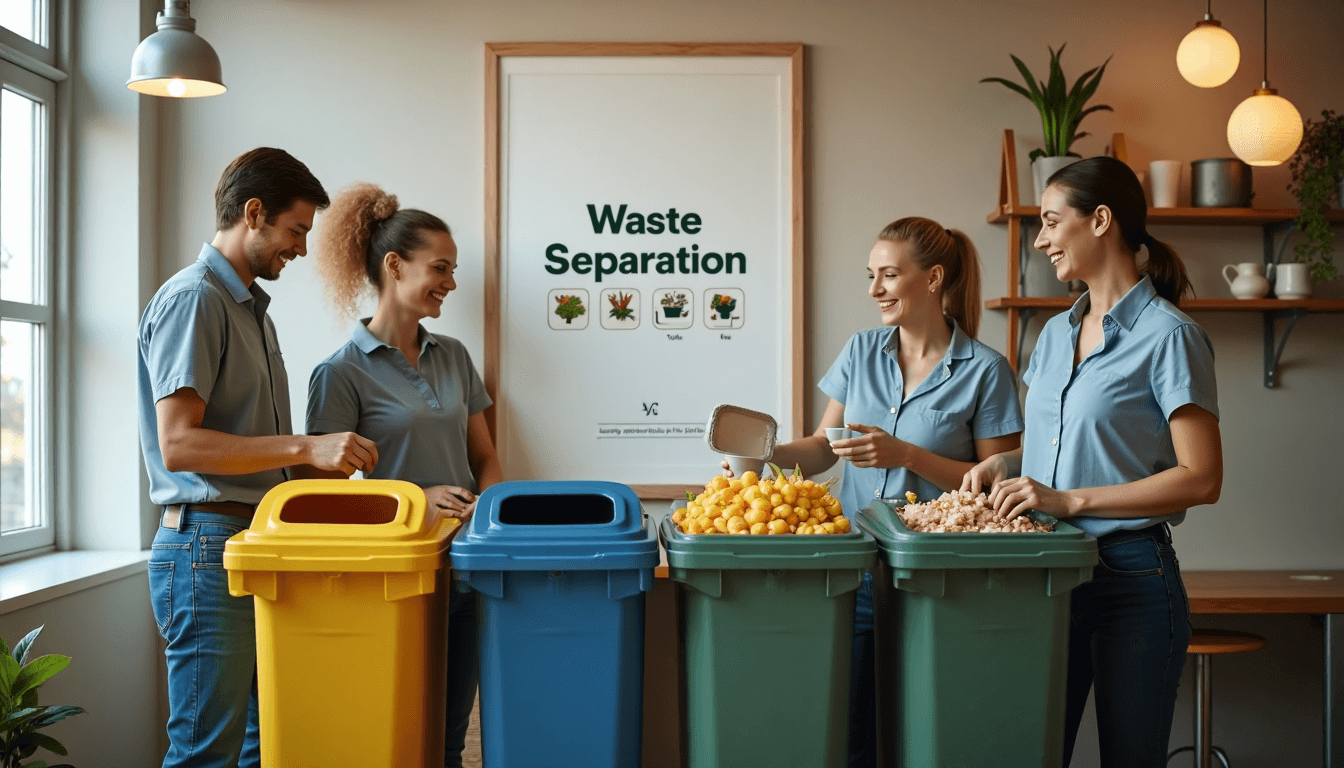
Specifically, new waste separation requirements in England mandate comprehensive waste stream management for workplaces. Businesses must now separately collect and manage multiple waste categories, including:

  • Glass waste
  • Metal waste
  • Plastic waste
  • Paper and cardboard
  • Food waste

These requirements represent a strategic approach to improving recycling rates and reducing environmental contamination. By requiring granular waste separation, the UK government aims to create a more sustainable waste management ecosystem that encourages responsible environmental practices across all business sectors.

Types of Waste and Regulated Categories

Understanding the waste classification system is crucial for businesses navigating UK environmental regulations. The landscape of waste management has become increasingly complex, with specific categories requiring distinct handling and disposal protocols. Types of Hazardous Waste: Business Waste Guide UK 2025 provides comprehensive insights into the nuanced world of waste categorisation.

Businesses must now recognize multiple waste streams, each with unique regulatory requirements. These categories range from general commercial waste to highly specialised hazardous materials that demand stringent management protocols. Critically, from March 31, 2025, businesses in England face mandatory requirements for food waste separation, representing a significant shift in waste management practices.

The primary waste categories businesses must understand include:

Here’s a summary of the main waste categories and their regulatory requirements:

Waste Category Examples Key Regulations
General Waste Non-recyclable office waste Landfill restrictions
Recyclable Waste Paper
Cardboard
Metals
Glass
Plastics
Mandatory segregation
Reporting
Food Waste Kitchen scraps
Catering residue
Separate collection required by 2025
Hazardous Waste Batteries
Clinical waste
Electronics
Special handling
Strict documentation
Construction Waste Bricks
Concrete
Rubble
Site-specific protocols
  • General Waste: Non-recyclable materials typically sent to landfill
  • Recyclable Waste: Paper, cardboard, plastics, metals, and glass
  • Food Waste: Organic materials now requiring separate collection
  • Hazardous Waste: Chemicals, batteries, clinical waste, electronic equipment
  • Construction Waste: Materials from building and demolition sites

Each waste category demands specific disposal methods, with potential financial penalties for improper management.

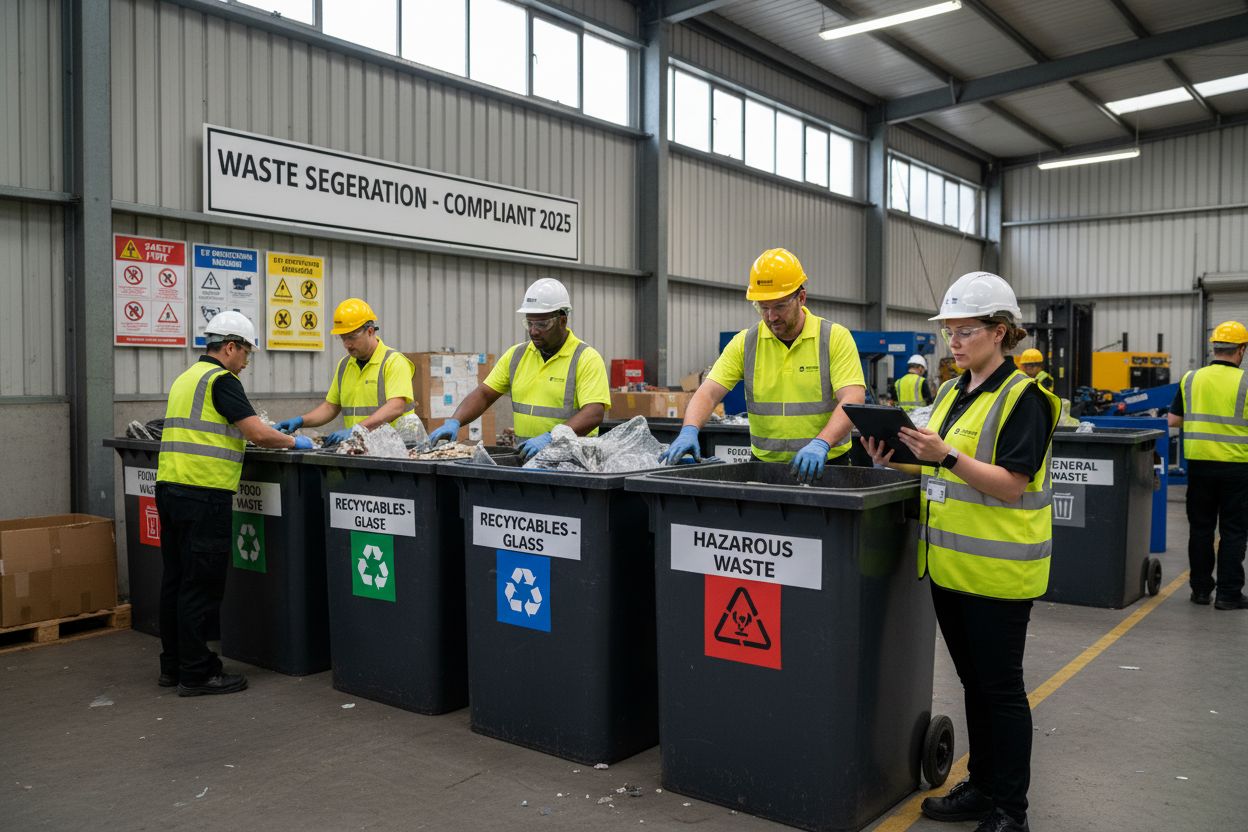
business waste segregation Businesses must develop robust waste segregation strategies, ensuring compliance with increasingly stringent environmental regulations and demonstrating commitment to sustainable waste management practices.

Key Laws Governing Waste Management

The UK waste management legal framework represents a comprehensive approach to environmental sustainability, with increasingly stringent regulations designed to transform how businesses handle and dispose of waste. Waste Management News UK 2025: What Businesses Need to Know highlights the critical legislative developments that are reshaping waste management practices across various sectors.

According to recent research, the UK government has established ambitious targets to achieve a 65% recycling rate for municipal waste by 2035. This goal is supported by a series of strategic legal mechanisms, including increased landfill taxes and more rigorous waste separation requirements.

Notably, the government is also introducing innovative regulatory approaches, such as requiring online marketplaces to contribute more significantly to the recycling costs of electrical items.

Key legislative priorities include:

  • Environmental Protection Act updates
  • Resources and Waste Strategy implementation
  • Enhanced producer responsibility regulations
  • Stricter waste tracking and reporting requirements
  • Increased financial penalties for non-compliance

The legal landscape is particularly complex for businesses, with regulations now extending beyond traditional waste management. Online retailers and manufacturers are being held increasingly accountable for the entire lifecycle of their products, creating a more holistic approach to waste reduction and environmental responsibility. Businesses must stay informed and proactively adapt to these evolving legal requirements to avoid potential financial penalties and demonstrate environmental stewardship.

Business Responsibilities and Compliance Steps

Navigating the complex landscape of waste management compliance requires businesses to implement comprehensive strategies that align with the latest regulatory requirements. Waste Disposal Legal Requirements UK 2025: What Businesses Must Know provides critical guidance for organisations seeking to meet their legal obligations.

According to recent regulations, businesses must now separate waste into distinct categories, including dry recyclables, food waste, and residual waste, and arrange collection exclusively through licensed waste carriers. The Extended Producer Responsibility (EPR) scheme introduces significant financial risks, with potential penalties reaching up to 5% of a company’s turnover for late or missed payments related to packaging waste disposal fees.

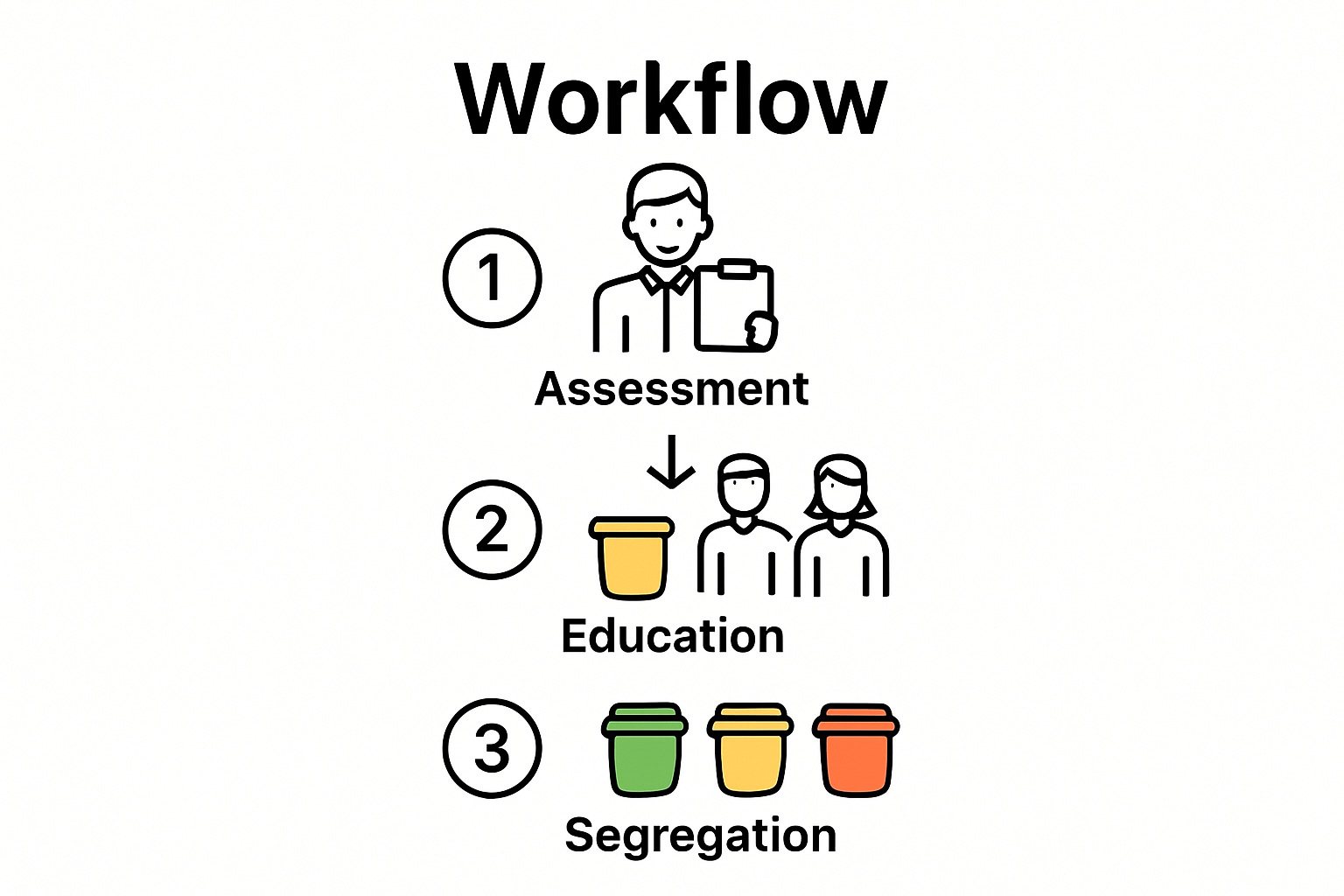
Key compliance steps for businesses include:

  • Conduct a comprehensive waste audit
  • Implement robust waste separation systems
  • Register with appropriate environmental regulators
  • Engage only licensed waste management carriers
  • Maintain detailed waste tracking documentation
  • Train staff on new waste management protocols
  • Regularly review and update waste management practices

Business leaders must recognize that compliance is no longer optional. The regulatory environment demands proactive management, with substantial financial penalties for non-compliance. Companies must invest in understanding and implementing these requirements, transforming waste management from a administrative task to a strategic business responsibility that demonstrates environmental stewardship and regulatory awareness.

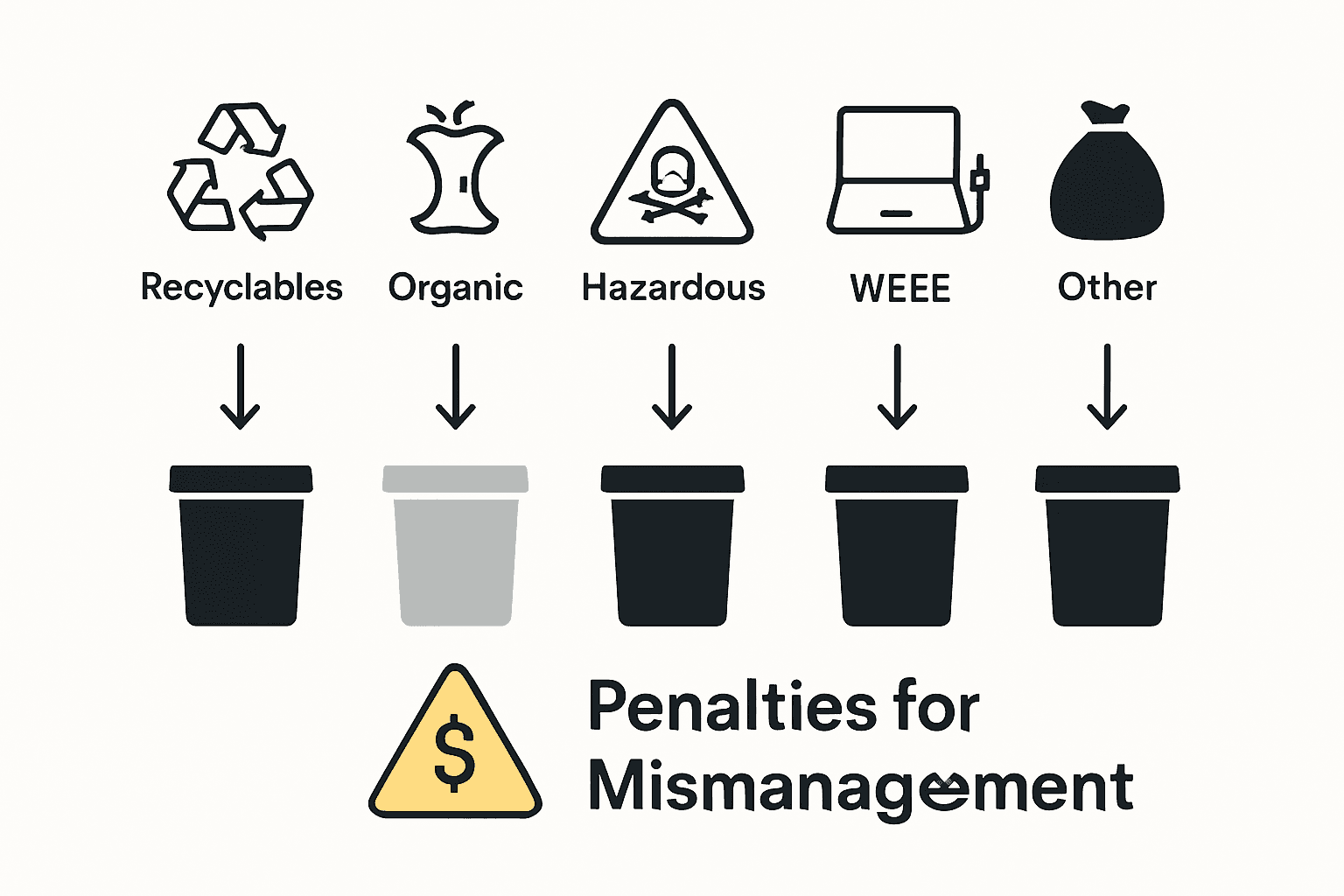
Infographic comparing UK business waste categories and penalties for 2025

Penalties, Enforcement and Common Pitfalls

The waste management enforcement landscape has dramatically transformed, with regulatory bodies now wielding unprecedented powers to penalise environmental non-compliance. Business Waste Penalties UK: Avoid Fines in 2025 offers critical insights into navigating these stringent new regulations.

According to recent government announcements, the Environment Agency now possesses the authority to impose unlimited financial penalties for environmental offences. This represents a significant escalation in regulatory approach, expanding the range of covered offences and substantially strengthening enforcement mechanisms. The potential consequences extend beyond financial penalties, with some sectors facing the prospect of executive-level accountability that could even include potential imprisonment.

Common pitfalls businesses must avoid include:

  • Incomplete waste segregation
  • Using unlicensed waste carriers
  • Inadequate record-keeping
  • Missed reporting deadlines
  • Improper hazardous waste handling
  • Neglecting staff training on new regulations
  • Failing to conduct regular waste audits

Businesses must understand that compliance is no longer a checkbox exercise but a fundamental operational requirement. The financial and legal risks of non-compliance have never been higher, with penalties potentially reaching significant proportions of a company’s turnover. Proactive management, continuous education, and a commitment to environmental responsibility are now essential for survival in this increasingly regulated business environment.

Take Control of Your Business Waste with Confidence

Navigating the complexities of UK waste management laws in 2025 can feel overwhelming, especially with new requirements for waste separation and increased financial penalties for non-compliance. Your business deserves a waste management partner that understands these challenges and is ready to guide you every step of the way. At Venture Waste Management, we specialise in helping businesses comply with regulations by providing tailored solutions for hazardous waste, food waste, and general commercial waste.

https://venturewaste.co.uk

Discover how our streamlined Waste Collection Process in the UK for Businesses 2025 aligns with the latest legal requirements. Explore How the Waste Collection Network in UK Serves Businesses in 2025 to see how we support your compliance goals. Stay informed with insights from our food waste category and be confident that your waste management meets all regulatory demands. Visit Venture Waste today and take the first step towards legal compliance, environmental responsibility, and hassle-free waste disposal.

Frequently Asked Questions

What are the new waste separation requirements for businesses in the UK?

Businesses are now required to separately collect and manage multiple waste categories, including glass, metal, plastic, paper, cardboard, and food waste as part of new waste separation regulations.

What are the potential penalties for non-compliance with waste management laws?

Businesses can face unlimited financial penalties for failing to comply with waste management laws, with potential fines reaching up to 5% of a company’s turnover for late or missed waste disposal payments.

How can businesses ensure compliance with UK waste management laws?

To ensure compliance, businesses should conduct comprehensive waste audits, implement robust waste separation systems, engage only licensed waste management carriers, and maintain detailed waste tracking documentation.

What are the main types of waste businesses need to manage?

Businesses must manage various waste types, including general waste, recyclable waste, food waste, hazardous waste, and construction waste, each with specific disposal and handling protocols.

waste management myths

7 Common Waste Management Myths Debunked for UK Businesses

Did you know that businesses in the UK could face fines of up to £3 million for poor waste management under new regulations? Misunderstandings about business waste lead to unnecessary costs, legal risk, and environmental harm. With rules changing in 2025, knowing the truth behind common waste myths has never been more important. This guide reveals what every business owner needs to know to protect their company and the environment.

Table of Contents

Quick Summary

Takeaway Explanation
1. Explore waste management alternatives to landfill. Businesses should prioritise waste prevention, recycling, and recovery before considering landfill disposal.
2. Recycling is simplified by new regulations. Starting in March 2025, businesses must separate waste into three manageable categories: dry recyclables, food waste, and residual waste.
3. Properly handle hazardous waste separately. Hazardous materials require special handling and must not be mixed with regular waste; compliance is crucial to avoid legal penalties.
4. Secure confidential waste disposal is mandatory. From March 2025, confidential waste needs to be segregated to protect sensitive data and comply with legal obligations.
5. Professional waste services benefit all businesses. Small businesses can greatly benefit from professional waste management services, ensuring compliance and streamlined waste handling.

1. Myth 1: All Business Waste Goes to Landfill

Many businesses across the UK believe that their waste inevitably ends up in landfill sites. However, this widespread misconception overlooks the sophisticated waste management strategies now available to organisations.

In reality, the UK waste guidance emphasises a comprehensive waste hierarchy that prioritises alternative methods before considering landfill disposal. According to government regulations, businesses must first explore options like waste prevention, reuse, recycling, and recovery before resorting to landfill.

Consider the latest data from Essex, which reveals that while 95% of municipal waste currently goes to landfill, this statistic does not represent business waste management practices. Local authorities are actually planning to end landfill use for non recyclable waste by October 2025, with an ambitious target of achieving 70% recycling rates.

Businesses can take proactive steps to minimise landfill waste:

  • Implement comprehensive recycling programmes
  • Partner with waste management companies specialising in sustainable disposal
  • Conduct waste audits to identify reduction opportunities
  • Train staff on proper waste segregation techniques

By understanding and challenging this myth, companies in Newcastle, Leeds, Manchester, and across the UK can significantly reduce their environmental footprint while potentially reducing waste management costs. Waste Management Step by Step: A Guide for UK Businesses 2025 provides more detailed strategies for effective waste reduction.

2. Myth 2: Recycling Is Too Complicated for Companies

Many businesses across the UK shy away from recycling programmes, believing they are complex and time consuming. However, recent government regulations have actually made workplace recycling more straightforward and accessible than ever before.

Starting 31 March 2025, businesses in England will be required to separate waste streams in a simple manner: dry recyclables, food waste, and residual waste. For smaller enterprises like micro firms, the compliance deadline extends to March 2027, providing ample time for implementation.

Historic sustainability campaigns like Waste Watch have long worked to demystify recycling processes, proving that what seems complicated can actually be remarkably simple. Companies do not need advanced technical knowledge to create effective recycling strategies.

Practical steps for streamlining workplace recycling include:

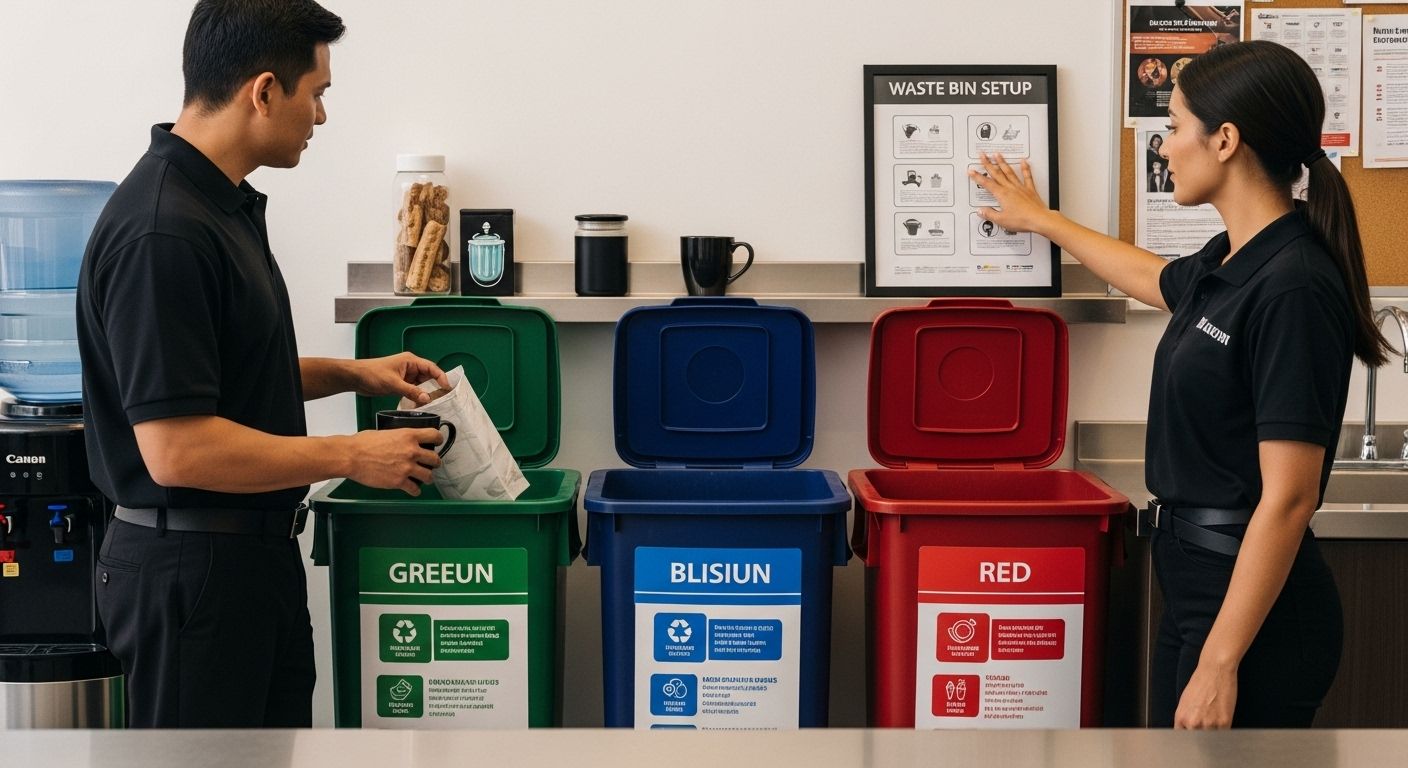
  • Designate clear recycling stations with colour coded bins
  • Train staff on basic waste segregation techniques
  • Partner with professional waste management services
  • Conduct regular waste audits to identify improvement areas

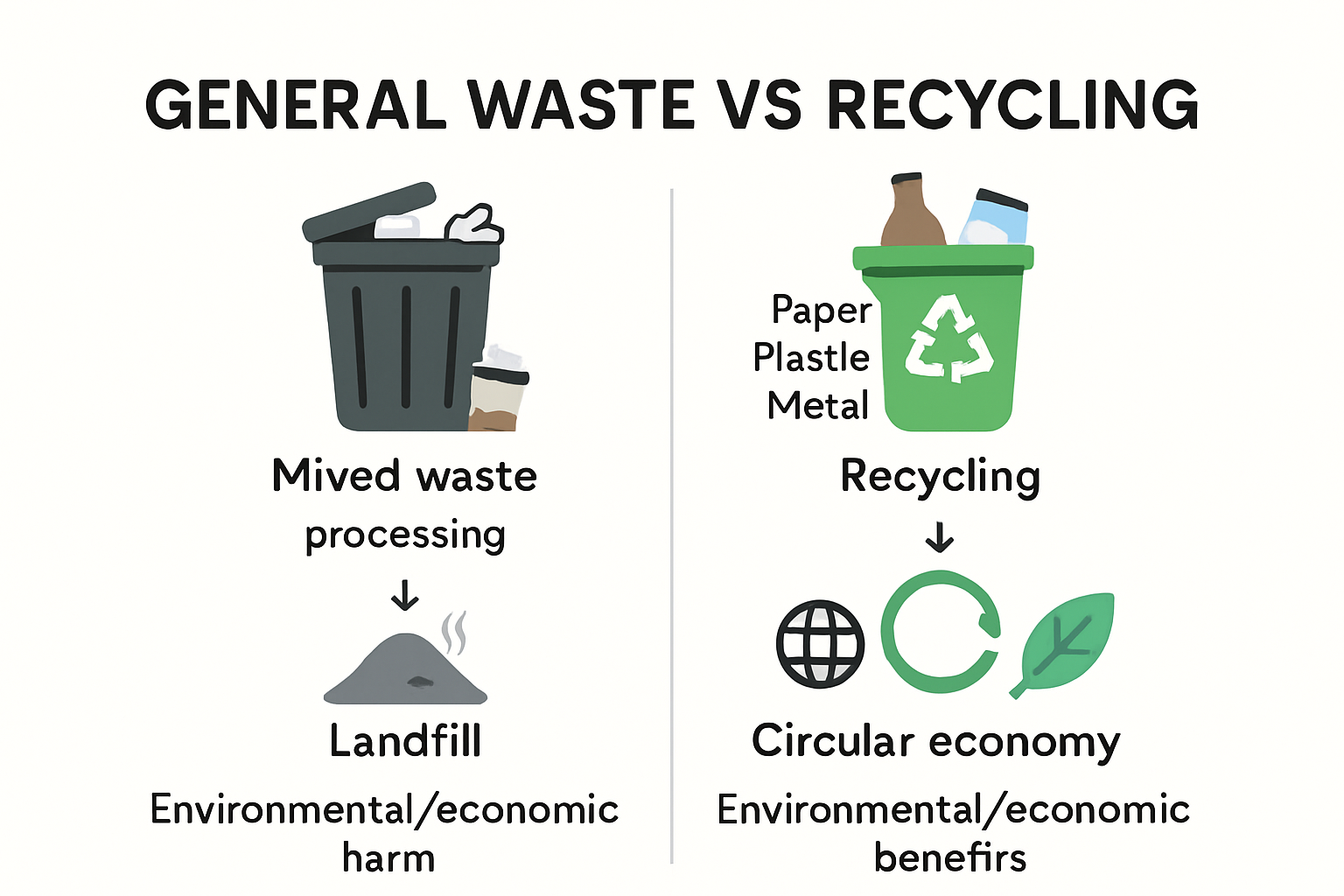
Businesses in Newcastle, Manchester, and across the North East can simplify their approach by using General Waste vs Recycling: Business Guide for 2025. This resource offers comprehensive insights into making recycling a seamless part of your operational workflow.

By understanding that recycling can be straightforward, companies can reduce environmental impact while potentially lowering waste management costs. The key is approaching recycling as a systematic process rather than an overwhelming challenge.

3. Myth 3: Hazardous Waste Can Be Disposed of with General Rubbish

Many businesses mistakenly believe they can dispose of hazardous waste alongside regular commercial rubbish. This dangerous misconception not only poses significant environmental risks but can also result in substantial legal penalties.

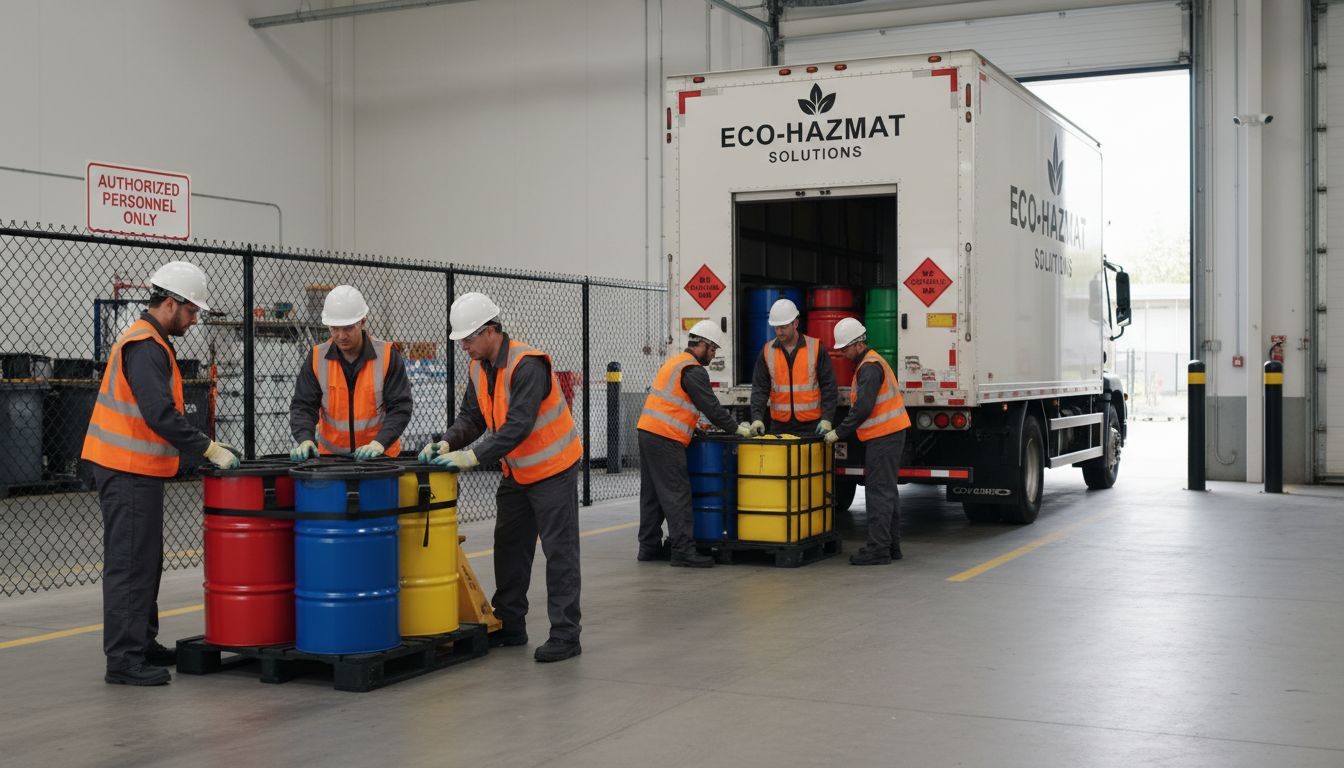
Under UK law, hazardous waste requires specialised handling and classification. The Hazardous Waste Regulations 2005 establish strict guidelines that businesses must follow when managing potentially dangerous materials. These regulations require companies to classify hazardous waste separately, store it distinctly from general commercial waste, and utilise only licensed waste carriers.

Hazardous waste encompasses a wide range of materials including chemicals, batteries, electronic equipment, medical waste, and certain industrial byproducts. Improper disposal can lead to environmental contamination, health risks, and significant financial penalties for non compliance.

Key steps for managing hazardous waste responsibly include:

  • Identify and categorise all hazardous materials in your workplace
  • Use colour coded containers for different waste types
  • Work exclusively with licensed hazardous waste carriers
  • Complete mandatory consignment notes for tracking
  • Maintain detailed documentation of waste disposal

Businesses in Newcastle, Manchester, and across the UK can gain comprehensive insights by referencing the Hazardous Waste Regulations UK 2025: Essential Guide for Businesses. Understanding and implementing proper hazardous waste management is not just a legal requirement but a critical responsibility for protecting public health and the environment.

4. Myth 4: Confidential Waste Doesn’t Need Special Handling

Many businesses mistakenly believe that confidential documents can be discarded like ordinary paper waste. This dangerous assumption can expose organisations to significant legal and reputational risks.

Starting 31 March 2025, UK businesses with more than 10 employees must segregate confidential waste from general recyclables. The Data Protection Act 2018 establishes strict guidelines for handling sensitive information, making proper waste management a critical legal requirement.

Confidential waste encompasses much more than just paper documents. It includes digital storage devices, printed materials, financial records, client information, employee files, and any documentation containing personally identifiable or sensitive data. Improper disposal can lead to data breaches, identity theft, and substantial financial penalties.

Key steps for secure confidential waste management include:

  • Use locked, secure containers for confidential waste collection
  • Work with certified waste disposal providers
  • Implement a documented waste destruction process
  • Train staff on proper confidential waste handling
  • Maintain detailed disposal records and certificates

Businesses across Newcastle, Manchester, and the broader UK can gain comprehensive insights by consulting the Office Confidential Waste Policy UK: Compliance and Best Practices 2025. Understanding and implementing robust confidential waste procedures is not just a legal obligation but a fundamental aspect of protecting your organisation’s integrity and reputation.

5. Myth 5: Only Big Companies Need Professional Waste Services

Small businesses often assume that professional waste management services are exclusively designed for large corporations. This misconception can lead to inefficient waste handling and potential legal complications.

The 2025 workplace recycling regulations make it clear that waste management responsibilities apply to all businesses, regardless of size. While micro firms with fewer than 10 employees have a slightly extended compliance timeline, the fundamental requirements remain consistent across organisational scales.

Even small operations like local shops or cafes can generate hazardous waste that requires specialised disposal. A simple battery collection bin, for instance, falls under hazardous waste legislation and demands proper handling through licensed carriers with comprehensive documentation.

Benefits of professional waste services for smaller businesses include:

  • Ensuring legal compliance with minimal administrative burden
  • Reducing potential financial penalties from improper waste management
  • Accessing expert guidance on waste segregation
  • Implementing cost effective recycling strategies
  • Demonstrating environmental responsibility to customers

Businesses across Newcastle, Durham, and the wider North East can explore tailored waste management solutions by consulting the Waste Management Companies in the North East of England: 2025 Guide for UK Businesses. Professional waste services are not a luxury but a practical necessity for businesses of all sizes seeking efficient and responsible waste management.

6. Myth 6: Hiring a Skip Is Always the Best Option

Many businesses automatically reach for a skip when facing waste removal challenges, assuming it is the most straightforward and cost effective solution. However, this one size fits all approach can often lead to unnecessary expenses and inefficient waste management.

Skips are not always the optimal choice for every waste disposal scenario. Different waste types require different handling strategies, and businesses need to consider factors like waste volume, material composition, environmental regulations, and potential recycling opportunities.

For smaller or more specialised waste volumes, alternative waste management solutions can prove more economical and environmentally responsible. These might include targeted collection services, specialised recycling programmes, or modular waste removal options that adapt to your specific business requirements.

Considerations when evaluating waste removal options include:

  • Total waste volume and frequency of generation
  • Types of materials being disposed
  • Potential for recycling or repurposing
  • Cost comparisons between skip hire and targeted services
  • Environmental impact and sustainability goals
  • Local authority regulations and waste management guidelines

Businesses across Newcastle, Sunderland, and the North East can explore more nuanced waste management strategies by reviewing the How UK Businesses Can Save Money on Waste Management in 2025. Understanding your specific waste profile is key to selecting the most efficient and cost effective disposal method.

Some businesses mistakenly view waste management regulations as bureaucratic suggestions rather than mandatory requirements. This dangerous misconception can lead to significant legal and financial consequences.

Under Section 34 of the Environmental Protection Act 1990, businesses have a legal duty of care for waste management that is absolutely non negotiable. Every organisation must take reasonable steps to prevent environmental offences, transfer waste only to authorised carriers, and provide accurate written waste descriptions.

The potential penalties for non compliance are far more severe than many businesses realise. Legal consequences can range from substantial financial fines to potential criminal prosecution. UK waste shipment controls are particularly stringent, with non compliance risking penalties that could include substantial monetary sanctions or even imprisonment.

Key steps for ensuring legal waste management compliance include:

  • Understand your specific legal waste management obligations
  • Work exclusively with licensed waste carriers
  • Maintain detailed waste transfer documentation
  • Conduct regular internal waste management audits
  • Stay updated on current environmental regulations

Businesses across Newcastle, Manchester, and the broader UK can gain comprehensive insights by reviewing the Hazardous Waste Regulations UK 2025: Essential Guide for Businesses. Legal compliance is not optional but a fundamental responsibility for ethical and sustainable business operations.

Below is a comprehensive table summarizing the main myths and strategies for effective waste management from the article.

Myth Reality Actions & Strategies Benefits
All Business Waste Goes to Landfill UK waste hierarchy promotes prevention, reuse, and recycling before landfill Implement recycling programmes; partner with sustainable waste management; conduct waste audits Reduced environmental footprint; potential cost savings
Recycling Is Too Complicated for Companies Simplified by regulations requiring clear waste stream separation Use colour-coded bins; train staff; partner with waste services Reduced waste management complexity; cost efficiency
Hazardous Waste Can Be Disposed of with General Rubbish Requires specialised handling and licensing Categorise hazardous materials; use coded containers; document disposal Legal compliance; reduced environmental risks
Confidential Waste Doesn’t Need Special Handling Legal requirement to segregate confidential waste from general recyclables Use secure containers; certify disposal providers; train staff Legal compliance; protection from data breaches
Only Big Companies Need Professional Waste Services All businesses, regardless of size, must manage waste responsibly Use professional waste services; follow recycling regulations Legal compliance; operational efficiency
Hiring a Skip Is Always the Best Option Skips are not optimal for all waste types Consider waste volume and type; evaluate alternative services Cost-effective and environmentally responsible waste management
Following Legal Requirements Is Optional Legal duty of care is mandatory under the Environmental Protection Act Use licensed carriers; maintain documentation; stay updated on regulations Avoidance of legal penalties; sustainable operations

Take Control of Your Business Waste with Venture Waste Management

The myths surrounding waste management can leave many UK businesses feeling uncertain and overwhelmed about their responsibilities. You may be concerned about legal compliance, efficient recycling, or safely handling hazardous and confidential waste. At Venture Waste Management, we understand these challenges and offer solutions that simplify your waste disposal needs while helping you meet your environmental and regulatory goals.

https://venturewaste.co.uk

Explore practical waste management strategies through our detailed insights like those in the How the Waste Collection Network in UK Serves Businesses in 2025 – Venture Waste and trust our expert services to handle everything from general waste collection to specialised hazardous and confidential waste disposal. Ready to dispel the myths and act confidently? Visit our website today and start your simple three-step booking to ensure compliant, responsible, and cost-effective waste management tailored to your business needs.

Frequently Asked Questions

What are the common misconceptions about business waste management?

Many businesses believe that all their waste ends up in landfills, recycling is too complicated, or hazardous waste can be disposed of like general rubbish. Understanding these myths is crucial for implementing effective waste management strategies.

How can I ensure my business complies with waste management regulations?

To comply with waste management regulations, understand your legal obligations, use licensed waste carriers, and maintain accurate waste transfer documentation. Conduct a compliance review at least once a year to stay updated on any changes.

What steps should I take to improve my workplace recycling?

Start by designating clear recycling stations and providing colour-coded bins for easy segregation. Train your staff on proper recycling techniques to streamline the process and reduce contamination rates, which can improve recycling efficiency by approximately 30%.

How do I properly manage hazardous waste in my business?

Identify and categorise all hazardous materials, then store them separately from general waste. Work with licensed carriers for disposal and maintain detailed records for tracking, ensuring compliance with legal requirements.

Do small businesses need professional waste management services?

Yes, all businesses, regardless of size, should consider professional waste management services to ensure legal compliance and effective waste handling. Even small operations can benefit from expert guidance and may reduce waste management costs by up to 15% by partnering with professionals.

How can I assess which waste removal method is best for my business?

Evaluate your total waste volume, types of materials generated, and potential recycling options. Comparing costs between skip hire and more tailored services can help identify the most efficient and cost-effective solution for your specific waste profile.

secure document destruction

Confidential Shredding vs Pulping: Complete Guide UK

Every year, UK organisations handle billions of confidential documents, but even a single data breach can cost a business an average of £3 million. Protecting sensitive information goes far beyond just locking up papers. The choice between shredding and pulping shapes how securely your data is destroyed and impacts everything from compliance to environmental responsibility. Knowing what sets these document destruction methods apart can help you keep your information safe and avoid expensive mistakes.

Table of Contents

Key Takeaways

Point Details
Document Destruction Methods Confidential shredding and pulping are essential for secure disposal of sensitive information, each serving unique volume and security needs.
Legal Compliance UK businesses must comply with the Data Protection Act 2018 and GDPR, which mandate strict standards for document destruction.
Cost vs. Efficiency Shredding tends to be more cost-effective for smaller volumes, while pulping is best suited for large-scale destruction.
Selection Criteria Organizations should evaluate their destruction needs based on volume, budget, security sensitivity, and compliance requirements.

Defining Confidential Shredding and Pulping

Confidential document destruction is a critical process for businesses and organisations seeking to protect sensitive information from potential misuse or data breaches. According to research from secure shredding specialists, two primary methods dominate this field: confidential shredding and pulping.

Confidential shredding involves physically cutting sensitive documents into tiny, unrecoverable pieces. As experts from Shredit UK explain, this typically uses advanced techniques like cross-cut or micro-cut shredding. These methods render documents completely unreadable by:- Breaking paper into minuscule fragments- Ensuring no complete words or sentences remain intact- Preventing potential information reconstruction

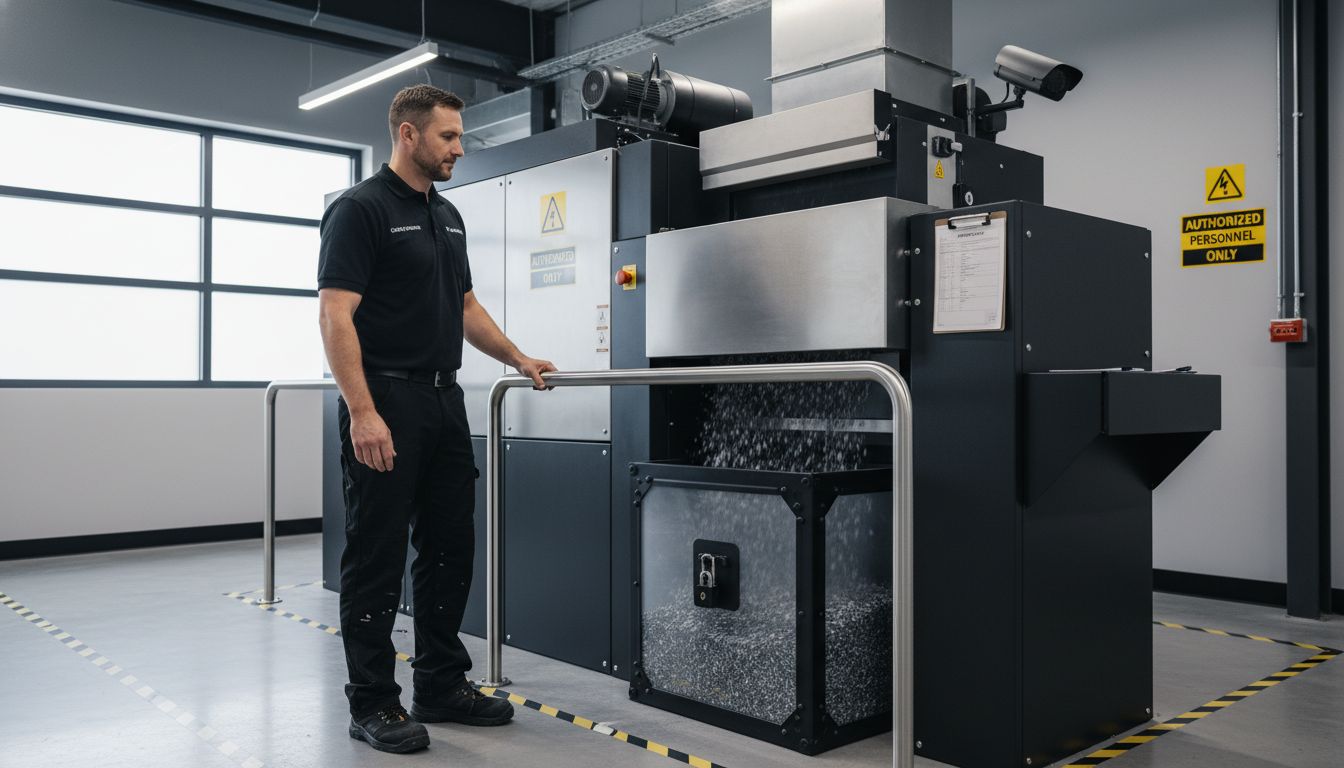
industrial shredding UK

Pulping represents an alternative large-scale document destruction technique where paper documents are transformed into a liquid slurry. This industrial process effectively destroys information by completely breaking down paper fibres. Key characteristics of pulping include:- Processing massive document volumes simultaneously- Creating a paper pulp that cannot be reconstructed- Environmentally friendly recycling potential

Whether choosing shredding or pulping, organisations must prioritise secure information disposal to maintain data protection standards and comply with UK regulatory requirements. Learn more about confidential waste policies for UK businesses to ensure comprehensive document management strategies.

How Shredding and Pulping Processes Work

Document destruction involves sophisticated processes designed to ensure complete information elimination. According to ShredOnSite, secure shredding follows a meticulous workflow that guarantees confidentiality from collection to final destruction.

In the shredding process, documents undergo several critical stages:- Secure collection in locked consoles- Transportation to dedicated shredding facilities- Processing through industrial-grade shredders- Cutting documents into microscopic, unreadable fragments- Generating certificates of destruction for compliance

Pulping represents a more comprehensive document elimination method. Research from secure shredding experts reveals that this technique involves submerging paper documents in a chemical water solution. This industrial process effectively transforms documents by:- Soaking papers in specialised chemical mixtures- Breaking down paper fibres completely- Creating an unrecognisable liquid pulp- Ensuring absolute information destruction

Both methods prioritise data protection, offering businesses robust solutions for managing sensitive information.

VIDEO:video_content] [Explore our comprehensive guide on confidential waste policies to understand how these processes help maintain regulatory compliance and protect organisational data integrity.

Here’s a comparison of confidential shredding and pulping methods:

Feature Confidential Shredding Pulping
Method Cross-cut
Micro-cut
Chemical water solution
Security Level High
Unrecoverable fragments
Very High
Unrecognisable pulp
Volume Suitability Small to medium batches Large-scale destruction
Environmental Impact Recyclable shreddings Fosters paper recycling
Speed Immediate processing Batch process
More time
Documentation Certificates of destruction Industrial records maintained
Cost Efficiency More cost-effective
Fast
Higher for small volumes

Data protection is a critical concern for UK businesses, with stringent legal requirements governing the secure disposal of sensitive information. According to research from Restore, organizations must navigate complex regulations that carry significant financial penalties for non-compliance.

The Data Protection Act 2018 and General Data Protection Regulation (GDPR) establish mandatory standards for confidential waste management. Key legal implications include:- Potential fines up to £3 million or 4% of annual global turnover- Strict requirements for secure document destruction- Mandatory protection of personal and sensitive data- Comprehensive audit trail maintenance

Shredall’s expert analysis highlights the British Standard BS EN 15713, which provides a comprehensive framework for secure material destruction. This standard mandates:- Rigorous employee vetting processes- Detailed documentation of destruction procedures- Clear chain of custody for confidential materials- Systematic approach to information security

Understanding waste disposal legal requirements is crucial for businesses seeking to protect themselves from potential legal risks and maintain the highest standards of data protection and confidentiality.

Key Differences: Security, Cost, and Suitability

Document destruction methods vary significantly in their approach to information security, with each technique offering unique advantages and challenges. According to Government Business insights, organizations must carefully evaluate their specific needs when selecting a destruction strategy.

Security Considerations:- On-site shredding provides immediate visual confirmation of document destruction- Allows organizations to witness the entire process- Reduces potential risks of information interception- Offers maximum transparency and immediate security assurance

Cost and Efficiency Analysis: Secure Shredding experts highlight that pulping and shredding have distinct economic implications. Shredding often proves more cost-effective and efficient, particularly for:- Smaller document volumes- Immediate destruction requirements- Lower processing time- Reduced operational costs

Suitability Factors vary based on organizational needs. Pulping excels in large-scale destruction scenarios, while shredding offers quick, precise document elimination. Learn more about compliant waste disposal strategies to determine the most appropriate method for your specific business requirements.

Choosing the Right Method for Your Business

Confidential waste management requires careful strategic planning tailored to your organization’s unique requirements. According to ShredOnSite experts, businesses must conduct a comprehensive assessment of their specific destruction needs.

Key Selection Criteria for choosing between shredding and pulping include:- Total volume of confidential documents- Budget constraints- Security sensitivity of information- Frequency of document disposal- Compliance requirements- Environmental considerations

Businesses must prioritize methods that provide robust legal compliance. As research indicates, selecting a destruction method with a clear audit trail is crucial to:- Demonstrate regulatory adherence- Protect against potential legal penalties- Maintain comprehensive documentation- Ensure complete information elimination

Explore cost-effective waste management strategies to find the most suitable confidential waste destruction approach for your specific organizational needs, balancing security, efficiency, and compliance.

Secure Your Sensitive Information with Expert Confidential Waste Solutions

Managing confidential documents is a vital challenge for businesses concerned about data protection and legal compliance. Whether you are navigating complex decisions between confidential shredding or pulping, the goal remains the same confident elimination of sensitive material without risk of exposure. At Venture Waste, we understand the critical importance of choosing the right destruction method that balances security, efficiency, and environmental responsibility.

https://venturewaste.co.uk

Explore our comprehensive range of confidential document destruction services tailored to meet your unique business requirements. Discover expert guidance and reliable solutions in our confidential waste Archives – Venture Waste to ensure your compliance with UK regulations and industry best practices. Act now to safeguard your business data through our straightforward booking process and extensive UK coverage. Visit Venture Waste today to book your secure confidential waste collection and take the next step in protecting your organisation’s sensitive information.

Frequently Asked Questions

What is the difference between confidential shredding and pulping?

Confidential shredding physically cuts documents into tiny pieces, while pulping transforms paper into a liquid slurry, ensuring both methods completely destroy sensitive information.

How does the security level compare between shredding and pulping?

Shredding offers a high level of security with unrecoverable fragments, while pulping provides an even higher security level with unrecognizable pulp, making both methods effective for data protection.

What are the cost implications of shredding versus pulping?

Shredding is typically more cost-effective for smaller volumes and immediate destruction needs, whereas pulping is generally more expensive and suited for large-scale document destruction.

How do I choose the right method for my business’s document destruction needs?

Consider factors such as the total volume of documents, budget, security sensitivity, disposal frequency, compliance requirements, and environmental impact when choosing between shredding and pulping.

best hazardous waste disposal services hero header image

Best Hazardous Waste Disposal Services – Expert Comparison 2025

Getting rid of waste can be simple or surprisingly complicated depending on your needs and expectations. With so many services offering to tackle rubbish, recycling, and even sensitive materials, it can be hard to tell which choices actually make life easier or which will fit the rules and standards you have to meet. Some providers focus on speed and convenience for homes or businesses. Others promise big steps toward a greener future or offer clever tech to handle bigger jobs. The way these companies collect, dispose, and help you meet legal demands can be very different. Curious about which approach might work best for you Keep reading to see how different waste management services measure up in the key areas that matter

Table of Contents

Venture Waste Management
Product Screenshot

At a Glance

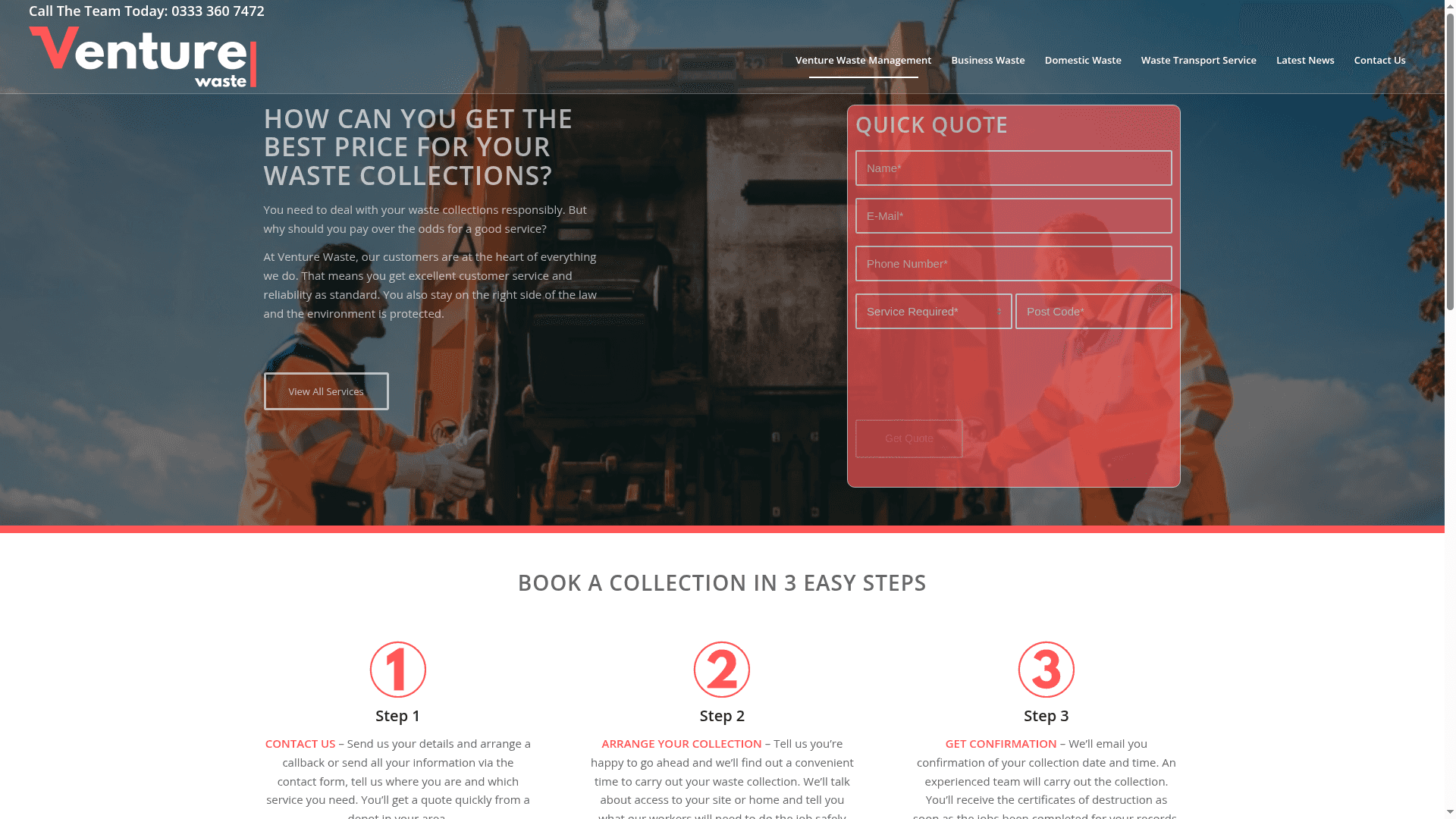
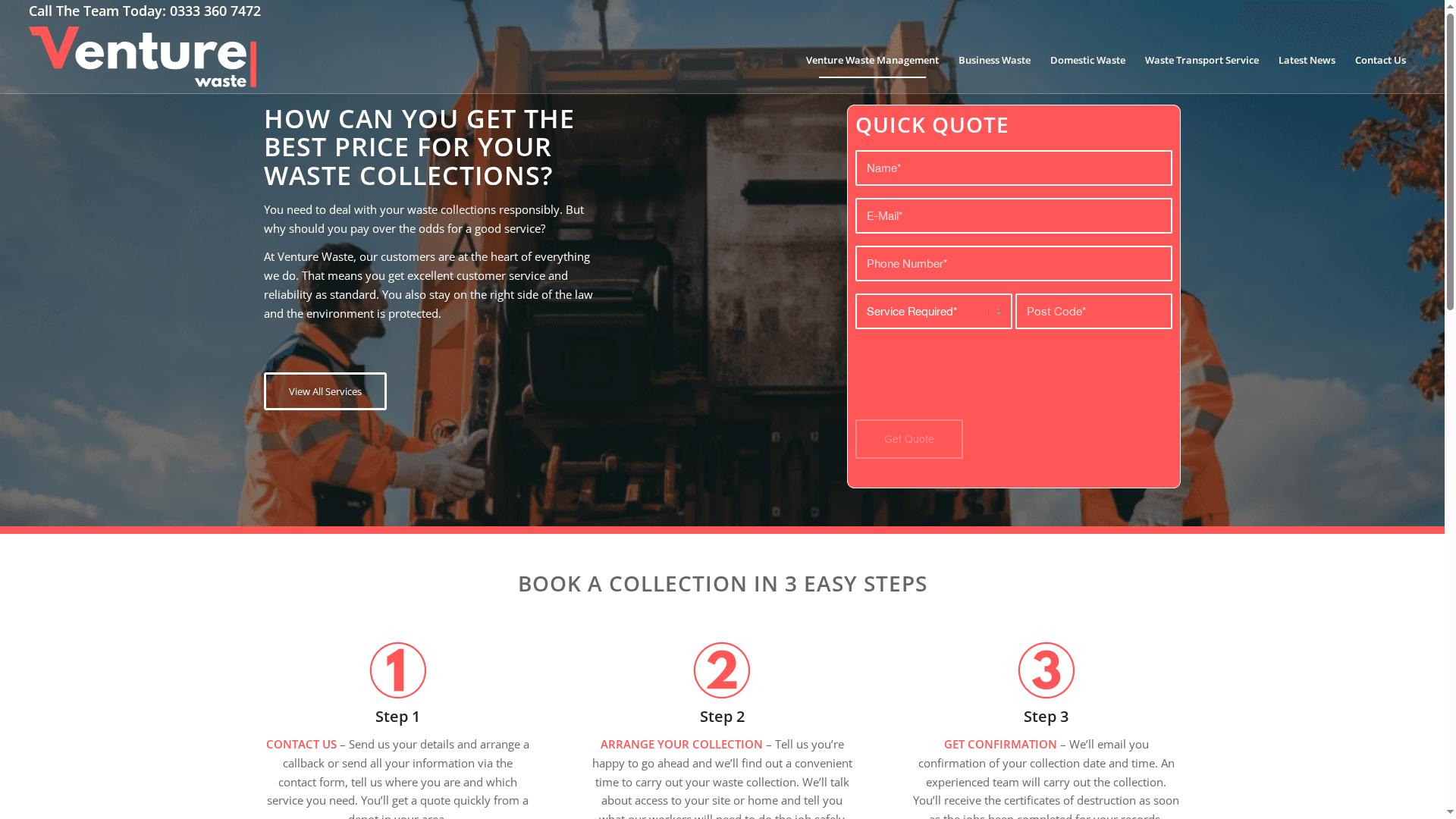
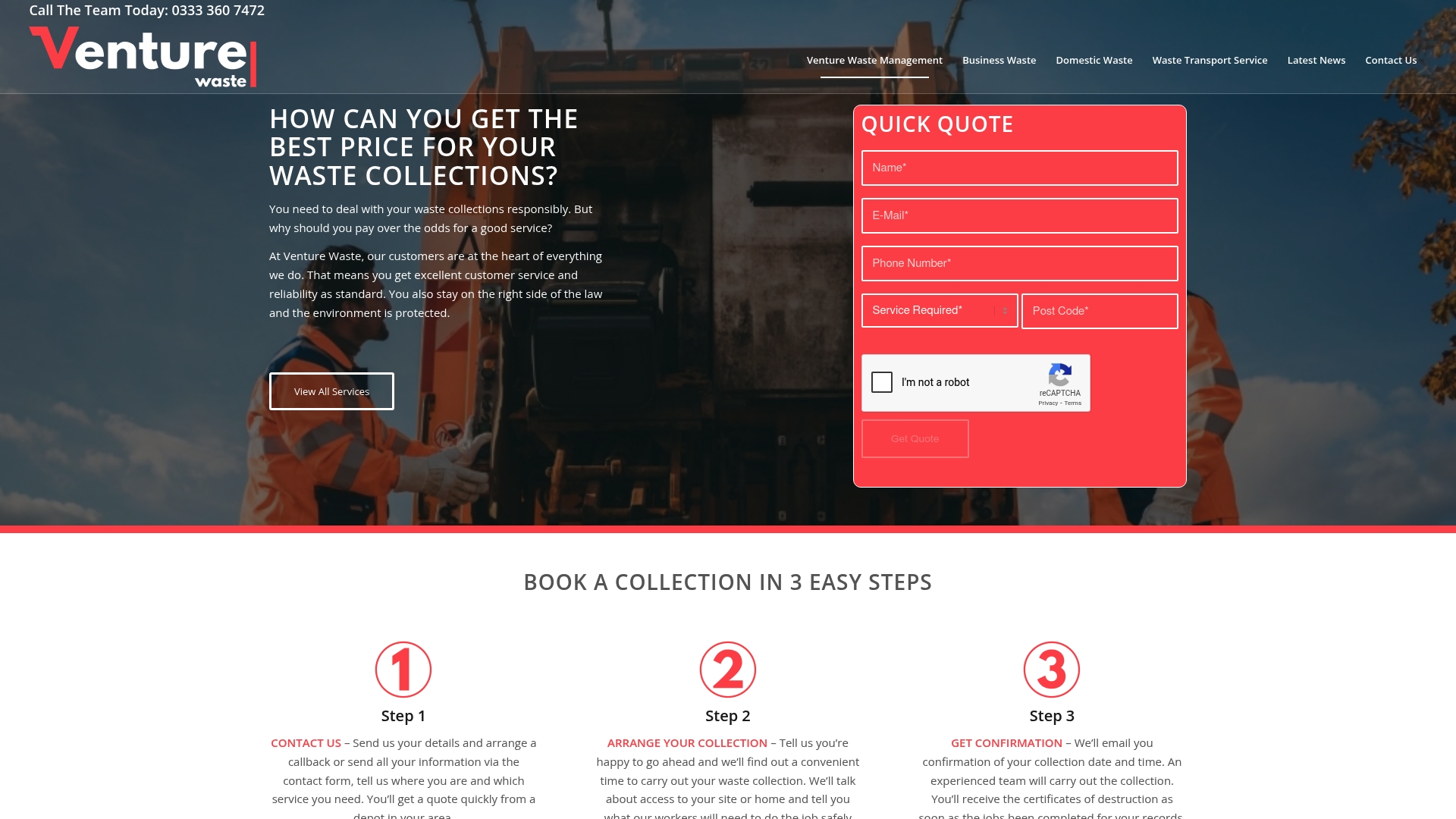
Venture Waste Management is a focused, dependable partner for UK businesses and homeowners who need responsible waste disposal with compliance at the forefront. The site lays out a clear three-step booking process — contact, arrange, confirm — designed to minimise admin and accelerate collections. Services span general, hazardous and confidential waste as well as recycling, and certificates of destruction are issued for completed removals to prove legal compliance. One limitation to note: the on-site contact form has been deactivated due to a reCAPTCHA refusal, so quick online enquiries currently require an alternative route.

Core Features

Venture Waste Management concentrates on practical, compliance-driven capabilities: an online quick-quote service (when available), comprehensive collection options covering general, hazardous and confidential waste plus recycling, and a simple three-step booking workflow that reduces booking friction. The company provides certificates of destruction after secure removals and maintains wide coverage across the UK for both business and domestic clients. The website also communicates a commitment to reliable customer service and environmental responsibility, making it clear what you can expect at each stage of the process.

Simple.

Pros

  • Reliable and professional service: Venture positions reliability as a core strength, meaning scheduled collections and consistent communication for busy facilities managers.
  • Wide range of waste solutions: The company handles multiple waste streams — general, hazardous, confidential and recycling — so you can consolidate suppliers.
  • Responsive customer support: The offering highlights quick turnaround times, which reduces downtime and avoids operational bottlenecks.
  • Nationwide coverage: UK-wide service means a single provider can support multi-site businesses and domestic customers alike.
  • Compliance documentation provided: Certificates of destruction are issued for confidential and hazardous waste, helping you meet audit and regulator expectations.

Who It’s For

Venture Waste Management is aimed at businesses and homeowners across the UK who need a trustworthy, legally compliant waste partner. If you manage offices, retail sites, healthcare facilities, warehouses or campus estates and require hazardous handling or proof of destruction for confidential material, this service fits your needs. Facilities managers who value clear processes and single-provider simplicity will find this particularly useful.

Unique Value Proposition

Venture’s strength lies in combining breadth of service with a tight focus on compliance and customer experience. Where many competitors specialise in one waste stream or force complex procurement processes, Venture unifies general, hazardous and confidential disposal under one streamlined booking system and backs collections with formal certificates of destruction. That blend of convenience, legal assurance and UK-wide reach reduces administrative overhead and risk for organisations — especially those juggling multiple sites or regulated waste types. In short: you get an end-to-end, auditable service that keeps you compliant without the usual supplier juggling.

Real World Use Case

A retail store schedules weekly general waste collections and occasional confidential shredding. Venture coordinates the regular pickups, arranges ad-hoc confidential removals when needed and issues certificates of destruction after each secure removal — ensuring data protection obligations and environmental duties are met without extra effort from store managers.

Pricing

Quote-based; pricing is not specified on the website and requires contacting Venture Waste Management for a customised quote.

Website: https://venturewaste.co.uk

Biffa
Product Screenshot

At a Glance

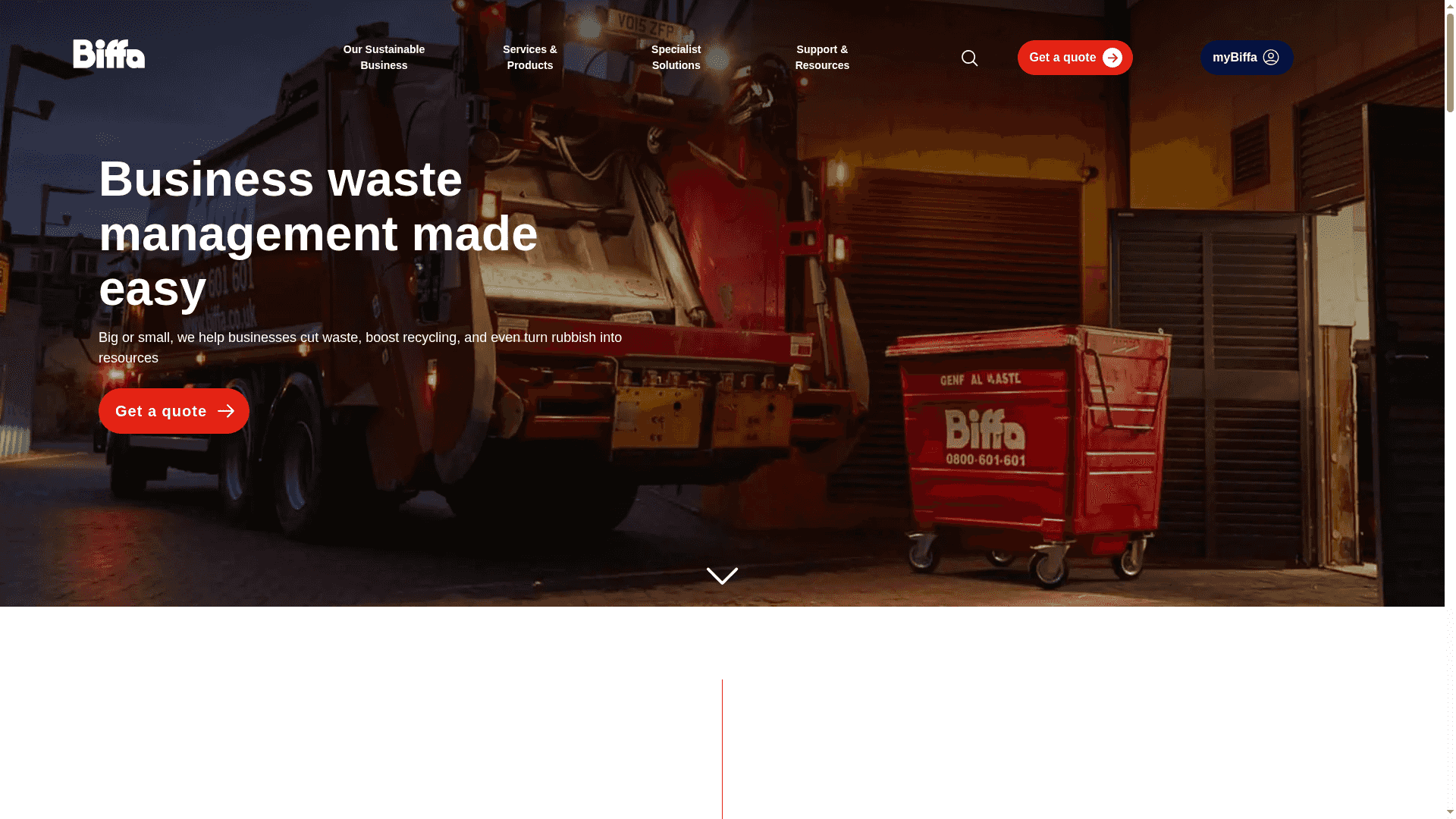
Biffa is an established UK waste management firm with more than 100 years of experience, offering a broad suite of services aimed at businesses, local authorities and large organisations. Their strengths lie in recycling, resource recovery and increasingly digital collection technologies such as internet-connected bins, all aligned with circular-economy goals. The bottom line: dependable, sustainability-focused service backed by deep sector experience — but pricing transparency is limited and costs are largely quote-based. If you value compliance and scale, Biffa is a serious contender. If you need instant, published prices, look elsewhere.

Core Features

Biffa provides end-to-end waste management for businesses of all sizes, combining recycling and resource recovery with innovative collection technologies designed to reduce waste and cut operational inefficiencies. They pursue partnerships and programmes that support the circular economy and offer regulatory compliance support to help clients meet UK recycling and environmental legislation. In short: collection, recycling, tech-enabled monitoring and compliance support bundled for organisations that want sustainable, legally compliant waste handling.

No surprises.

Pros

  • Heritage and credibility: With over 100 years in the sector, Biffa brings institutional knowledge and operational maturity that many newer operators cannot match.
  • Comprehensive service range: They serve small businesses, large organisations and local authorities, providing tailored solutions across a wide set of client types.
  • Sustainability-first approach: A clear focus on recycling, resource recovery and circular-economy initiatives makes them suitable for organisations with formal environmental targets.
  • Innovative collection technology: Internet-connected bins and similar technologies support smarter collection routes and better data for waste reduction.
  • Nationwide UK coverage: Their scale and coverage mean consistency of service for organisations operating across multiple sites.

Cons

  • Limited pricing transparency: No specific pricing details are published on the website, so you must request a bespoke quote to understand costs.
  • Variable costs by contract: Service specifics and final costs can vary considerably depending on bespoke needs and contractual terms, which can complicate budget planning and comparison shopping.

Ask questions early.

Who It’s For

Biffa is best for UK-based organisations that need a reliable, sustainability-minded partner for waste and recycling: from small-to-medium enterprises to national retail chains and local authorities. Facilities managers, sustainability leads and procurement teams who prioritise compliance, circular-economy outcomes and operational scale will find Biffa a natural fit.

Unique Value Proposition

Biffa’s unique value lies in pairing century-deep industry experience with modern recycling and tech-enabled collection capabilities. They promise a blend of scale, regulatory support and sustainability initiatives that helps organisations transform waste into recoverable resources while meeting UK legislative requirements.

Real World Use Case

A national retail chain partners with Biffa to centralise its waste collection, implement on-site recycling streams and deploy connected bins to optimise collections. Biffa then supports sustainability reporting and helps the retailer demonstrate compliance with UK regulations while improving recycling rates.

Pricing

Quote-based: Pricing details are not provided publicly; interested customers should contact Biffa for a tailored quote.

Website: https://www.biffa.co.uk

Durham Waste
Product Screenshot

At a Glance

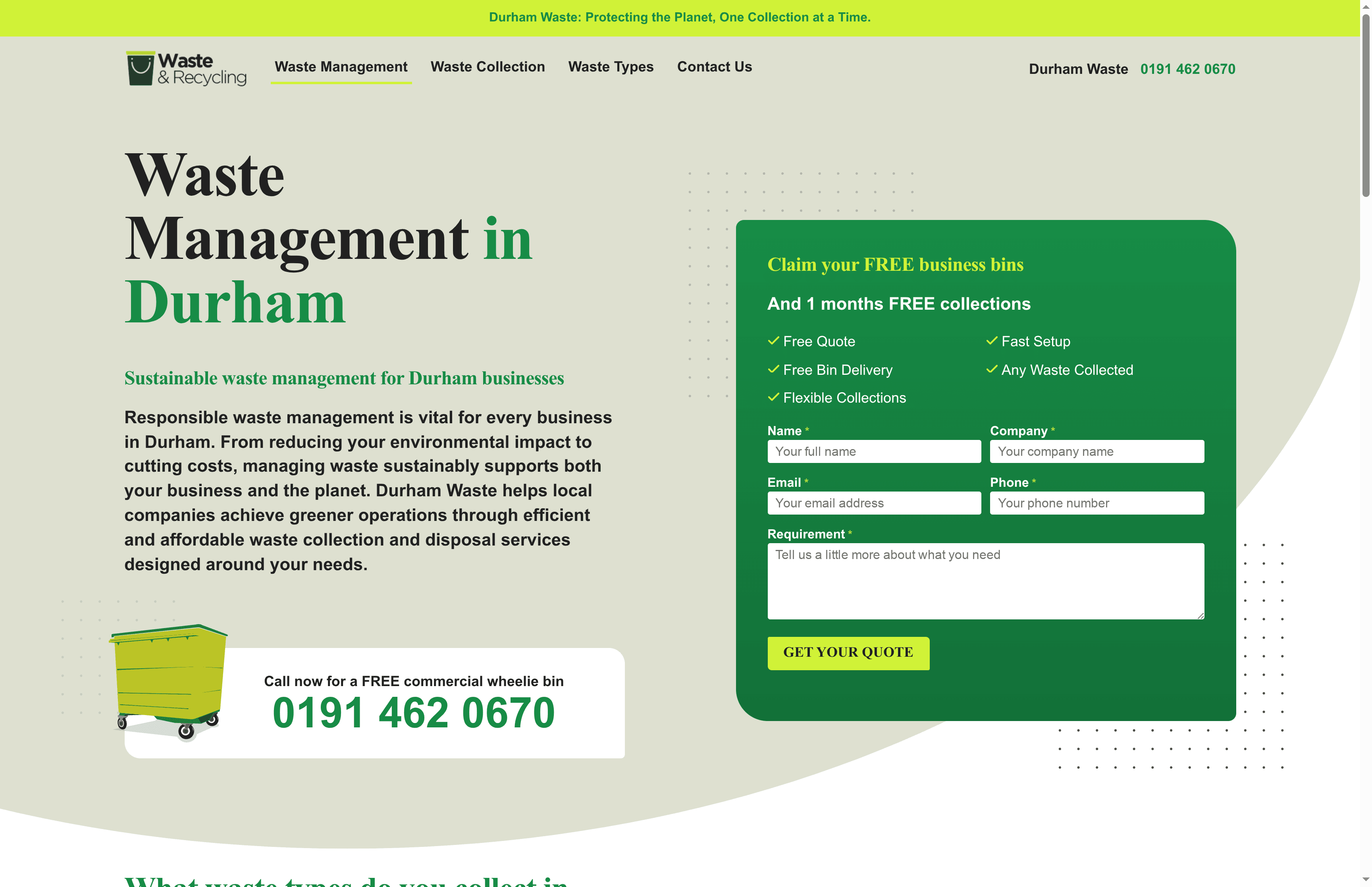
Durham Waste is a Durham-based commercial waste management provider that emphasises sustainability, compliance and straightforward service for local businesses. They supply free bins and operate on a pay-per-collection model with flexible schedules (daily, weekly or fortnightly), which makes them appealing for cafes, shops and offices looking to reduce costs and landfill waste. Reliable local crews and a strong recycling and energy-recovery focus are clear strengths — but some operational details are only available on request.

Core Features

Durham Waste offers sustainable waste-management solutions tailored to business needs, including collection of general waste, recycling, food waste, confidential waste and clinical waste. The company provides free bins with no upfront hire or delivery fees and operates a pay-per-collection pricing structure, while flexible collections can be arranged daily, weekly or fortnightly. The service prioritises high recycling and energy recovery routes such as composting and anaerobic digestion, and collections are carried out by an experienced, licensed team compliant with UK regulations.

Practical. Local. Compliant.

Pros

  • Free bins reduce upfront costs: Providing free bins with no delivery or hire fees helps businesses lower initial waste-management expenditure and simplifies budgeting.
  • Transparent, pay-per-collection pricing: The pay-as-you-go model gives firms greater control over costs since they only pay for the collections they need.
  • Strong sustainability focus: High recycling and energy recovery routes (composting, anaerobic digestion) reduce environmental impact and help businesses meet sustainability goals.
  • Flexible collection schedules: Daily, weekly or fortnightly collections let you match service frequency to footfall and waste volumes, preventing overflows or unnecessary charges.
  • Local, licensed team: A local, experienced team of licensed waste carriers supports timely collections and regulatory compliance for commercial clients.

Cons

  • Limited published pricing details: Specific per-collection costs are not listed on the website, which means you must contact the company for a quote and cannot instantly compare rates online.
  • Sparse information on large or specialised containers: The site gives little detail on industrial skips or larger specialist containers, which may be important for manufacturing or construction sites.
  • Restricted online booking and quoting: Limited online functionality means arranging services and obtaining exact prices typically requires phone or email contact, adding time to procurement processes.

Who It’s For

Durham Waste is best suited to small and medium businesses in Durham — cafés, retail units, offices, schools and care facilities — that want affordable, flexible and environmentally responsible waste collections. Larger sites can benefit too, but they should confirm container options and costs first.

Unique Value Proposition

Durham Waste combines truly local service with a clear environmental emphasis: free bins, pay-per-collection flexibility and a commitment to recycling and energy recovery make them an easy choice for businesses aiming to cut costs and reduce landfill contributions while staying compliant with UK regulations.

Real World Use Case

A city-centre café in Durham uses Durham Waste’s provided bins, schedules weekly recycling and food-waste pickups, and has reduced landfill output while lowering disposal costs — a practical example of small businesses achieving measurable sustainability improvements.

Pricing

Pay-per-collection basis; free bins provided with no upfront hire or delivery fees, details available on request.

Website: https://www.durhamwaste.co.uk

Veolia UK
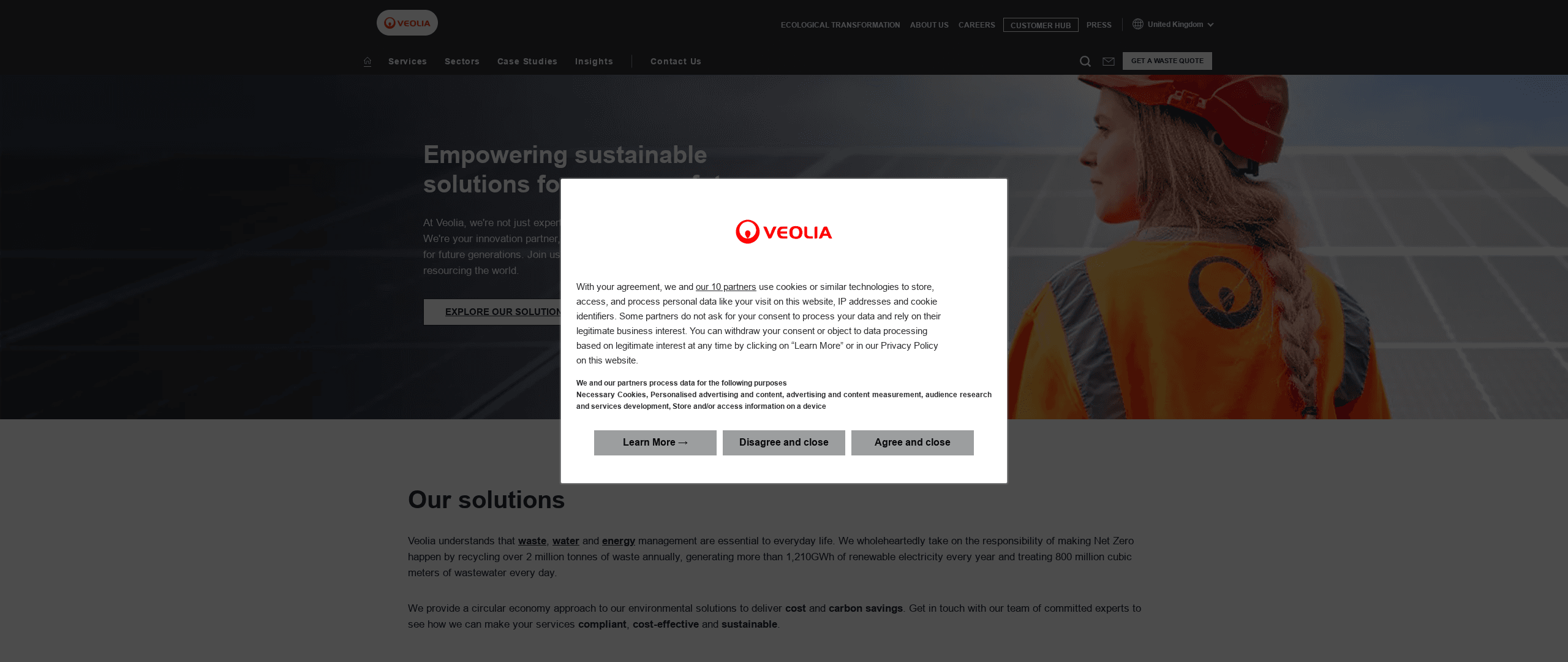
Product Screenshot

At a Glance

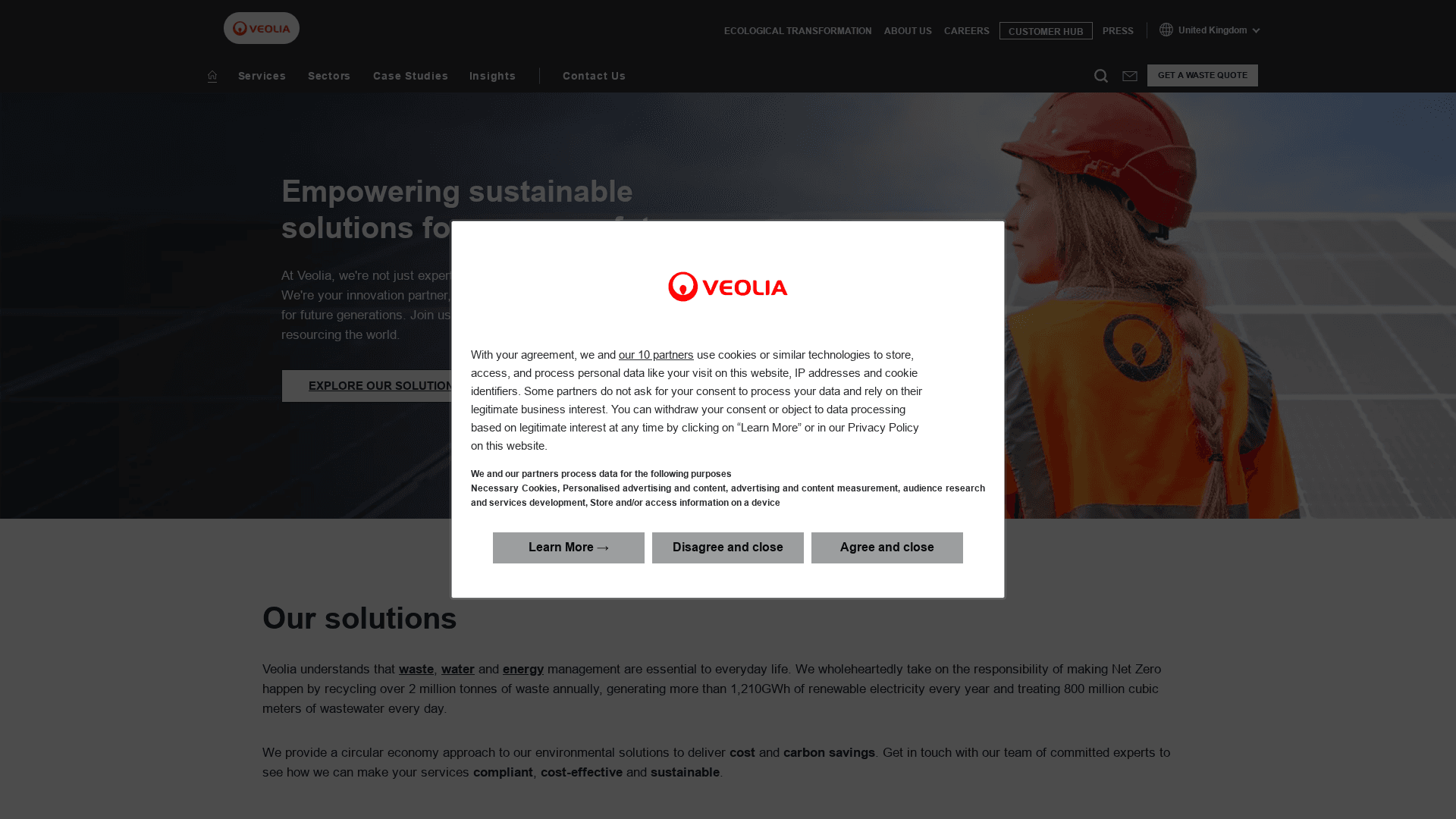
Veolia UK is a heavyweight in integrated waste, water and energy management, built around clear sustainability goals and circular-economy thinking. It recycles more than 2 million tonnes of waste a year, generates over 1,210 GWh of renewable electricity annually and treats 800 million cubic metres of wastewater every day — impressive scale that translates into measurable environmental impact. That scale brings capability, but it also introduces complexity: smaller organisations may need expert guidance to navigate the breadth of services. Overall, Veolia is a strong strategic partner for organisations pursuing decarbonisation and resource optimisation.

Core Features

Veolia’s core capabilities span three pillars: large-scale recycling, renewable energy generation and industrial-scale water treatment. Its recycling operations handle more than 2 million tonnes of material annually, while energy sites deliver in excess of 1,210 GWh of renewable electricity per year. The company treats roughly 800 million cubic metres of wastewater daily and positions circular-economy approaches at the centre of its offering to reduce both costs and carbon emissions. Beyond these headline metrics, Veolia emphasises innovative, resource-efficient solutions intended to integrate waste, water and energy streams for better environmental and financial outcomes.

Pros

  • Strong focus on sustainability and ecological transformation: Veolia’s strategy explicitly targets circularity and decarbonisation, which aligns with modern corporate net‑zero and ESG objectives.
  • Comprehensive waste, water and energy services: The combined portfolio means you can consolidate multiple providers into a single strategic partner, simplifying contracts and reporting.
  • Innovative and resource-efficient solutions: The company promotes approaches that extract value from waste streams and optimise resource use, helping reduce operating costs over time.
  • Recognition as a great place to work: Multiple awards for workplace quality can translate into more stable service delivery and retained expertise.
  • Wide range of specialised services and facilities: Large-scale infrastructure and specialist teams enable handling complex or hazardous waste streams that smaller operators may not accept.

Cons

  • Limited specific product details on individual solutions: The high-level presentation means clients may struggle to find granular specs for particular services without contacting the team.
  • Primarily UK-focused operations: The emphasis on UK services may limit applicability for organisations with multinational operations seeking a single global provider.
  • Breadth can create complexity for clients: The extensive service range and technical options can be overwhelming without dedicated expert support to design the right solution.

Who It’s For

Veolia UK is best suited to municipalities, large enterprises, healthcare providers, industrial sites and any organisation seeking a strategic partner for large-scale sustainability programmes. If your priority is system-level change — for example, replacing landfill routes with recycling and energy recovery or integrating wastewater treatment into wider resource plans — Veolia’s scale and technical depth are clear advantages.

Unique Value Proposition

Veolia combines industrial-scale infrastructure with circular-economy expertise, allowing clients to convert waste liabilities into resource and energy value streams. Its integrated approach — linking recycling, renewable electricity generation and water treatment — helps organisations reduce carbon footprints while simplifying compliance and reporting.

Real World Use Case

A local authority contracts Veolia to implement a municipal recycling programme that diverts substantial tonnages from landfill, supplies renewable electricity back to the grid and upgrades wastewater treatment capacity to support local industry — delivering measurable emissions reductions and improved resource resilience.

Pricing

Quote-based (pricing not specified)

Website: https://www.veolia.co.uk/

Biffa
Product Screenshot

At a Glance

Biffa is a century‑old waste management provider that combines broad service coverage with a clear focus on sustainability and the circular economy. Their offering spans waste collection, recycling and data‑driven resource management, making them a strong partner for businesses and local authorities seeking consistent, scalable solutions. They lean on innovation — such as internet‑connected bins — yet do not publish straightforward pricing, so expect a quote process rather than online tariffs. Bottom line: reliable, sustainability‑centred, and suited to organisations that need tailored contractual arrangements.

Core Features

Biffa delivers end‑to‑end waste collection and disposal services alongside comprehensive recycling options for plastics and food waste. They add a layer of data intelligence through smart sensors and analytics to optimise collections and reduce costs, and they pursue partnerships focused on sustainable packaging and circular innovations. Their portfolio explicitly supports local authorities and large organisations with strategic waste‑management goals, blending operational collection with resource‑recovery initiatives and compliance support.

Short, sharp point: they do both collection and strategy.

Pros

  • Deep industry experience: With over 100 years in waste management, Biffa brings institutional knowledge that helps anticipate operational and regulatory challenges.
  • Comprehensive service range: They cover collection, disposal and multiple recycling streams, which simplifies vendor management for organisations with diverse waste types.
  • Strong sustainability focus: Their emphasis on the circular economy and sustainable packaging partnerships supports businesses aiming to reduce environmental impact.
  • Technology-driven optimisation: Internet‑connected bins and data analytics help reduce unnecessary collections and can lower long‑term operational costs.
  • Support for compliance: Biffa positions itself to help organisations meet environmental legislation, an important consideration for regulated sectors.

Cons

  • Opaque pricing: Specific prices are not listed on the website, which means you must request a quote to understand actual costs.
  • Limited package detail in summaries: The publicly accessible overview lacks granular information about bespoke service packages, so initial engagement is needed to confirm fit.
  • Compliance complexity for customers: Some clients may face complex compliance requirements driven by legislation, and navigating those obligations can be burdensome without detailed consultancy support.

Who It’s For

Biffa is best for businesses, local authorities and larger organisations in the UK that prioritise reliability, sustainability and a partnership approach to waste management. If you manage multi‑site operations, produce mixed waste streams, or need strategic support to meet recycling and legislative targets, Biffa’s breadth and experience make them a sensible choice.

Unique Value Proposition

Biffa’s unique strength is the combination of deep sector experience and an explicit commitment to transforming waste into resources — backed by data‑driven tools and collaboration on sustainable packaging. That mix positions them as more than a collections contractor; they act as a strategic ally for organisations moving towards circular‑economy objectives.

Real World Use Case

A regional restaurant chain works with Biffa to improve on‑site sorting, introduce food‑waste recycling streams and install sensor‑equipped bins to optimise collections. The result: higher recycling rates, fewer unnecessary vehicle trips, and a measurable reduction in disposal costs while advancing the chain’s sustainability commitments.

Pricing

Quote‑based — specific pricing is not listed online; interested customers are encouraged to request a tailored quote.

Website: https://biffa.co.uk

Waste Management Solutions Comparison

This table provides an overview of waste management solutions for UK businesses and homeowners, highlighting key features, pros, cons, and pricing for each provider discussed in the article.

Provider Key Features Pros Cons Pricing
Venture Waste General, hazardous, and confidential waste services; recycling Reliable service; wide range of solutions; responsive support; nationwide coverage; provides compliance documentation Limited online enquiries Quote-based (contact needed)
Biffa Recycling, resource recovery, tech-enabled collections Over 100 years of experience; comprehensive services; sustainability focus; innovative technology; compliance support Limited pricing transparency; variable costs by contract Quote-based (contact needed)
Durham Waste Pay-per-collection model; flexible scheduling; local service Free bins reduce costs; transparent pricing; strong sustainability focus; flexible schedules; local licensed team Limited published pricing details; restricted online booking Pay-per-collection
Veolia UK Large-scale recycling, energy generation, water treatment Strong sustainability focus; comprehensive services; innovative solutions; recognized work environment; wide range of specialized services Limited product details; UK-focused operations; complex service range Quote-based (contact needed)

Secure Your Hazardous Waste Disposal with Confidence Today

Handling hazardous waste demands absolute compliance and precise management to protect your business and community. If you are seeking expert services that combine legal assurance with streamlined processes, understanding the nuances of hazardous waste disposal is crucial. Venture Waste Management offers a dedicated focus on compliance and safety, making complex waste streams manageable for both commercial and domestic clients across the UK.

Explore our regulation insights to stay informed about the latest compliance requirements while benefiting from our straightforward, three-step booking process. Safety and accountability are at the heart of our service, and we provide certificates of destruction to give you peace of mind every step of the way.
https://venturewaste.co.uk

Take control of your hazardous waste disposal today with Venture Waste Management. Visit https://venturewaste.co.uk to discover how our expert solutions and commitment to best practices can help your organisation meet obligations effortlessly. For specialised secure removals, including confidential material, see how our hard drive destruction services protect sensitive data while ensuring full legal compliance. Act now to reduce risk, simplify waste handling, and demonstrate your environmental responsibility.

Frequently Asked Questions

What are the key factors to consider when choosing hazardous waste disposal services?

When choosing hazardous waste disposal services, prioritize compliance with regulations, range of services offered, and customer support. Look for providers that specialize in your specific waste type and can provide documentation like certificates of destruction to prove proper handling.

How can I ensure compliance with hazardous waste disposal regulations?

To ensure compliance, verify that your chosen disposal service is certified and follows local regulations for hazardous waste management. Request documentation that details their compliance processes and confirm their ability to provide proof of disposal for audit purposes.

What is the typical process for scheduling hazardous waste disposal?

The typical process involves contacting the service provider, providing details about the waste, and arranging a pickup time. After confirming the details, ensure you receive a comprehensive quote and any required compliance documentation before the scheduled pickup.

How do I determine the pricing for hazardous waste disposal services?

Pricing for hazardous waste disposal services often varies based on the type and volume of waste, along with service frequency. Request a detailed quote from providers to compare costs, including any potential fees for emergency pick-ups or additional services like on-site consultations.

How do hazardous waste disposal services handle different types of waste?

Hazardous waste disposal services typically categorize waste into specific types, such as chemical, biomedical, or electronic waste, to ensure proper treatment and disposal methods. Confirm that your selected provider has specialized protocols for handling the type of hazardous waste you require assistance with.

What should I do with hazardous materials before disposal?

Before disposal, securely pack hazardous materials in appropriate containers and clearly label them to indicate the contents. Follow the disposal service’s guidance on any specific preparation requirements to ensure a safe and compliant disposal process.

liquid waste management

Complete Guide to Liquid Waste Management UK

Did you know the UK produces over 11 billion litres of liquid waste every year? With strict rules and growing environmental concerns, the right approach to handling liquid waste is more vital than ever for businesses. Failing to manage these waste streams can cause serious harm to public health and the planet. Discover straightforward ways businesses can cut risks, stay compliant, and protect their reputation by understanding liquid waste management essentials.

Table of Contents

Key Takeaways

Point Details
Legal Compliance Businesses must accurately classify liquid waste and adhere to regulations outlined in the Environmental Protection Act 1990 to avoid legal repercussions.
Waste Stream Management Proper identification and classification of liquid waste types are essential for effective treatment, disposal, and environmental compliance.
Provider Selection Choosing a reliable waste management provider is critical; businesses should evaluate compliance credentials, service flexibility, and environmental impact.
Systematic Process Liquid waste management involves structured stages: collection, containment, transportation, treatment, and disposal, all aimed at minimizing environmental risks.

Defining Liquid Waste Management in the UK

Liquid waste management represents a critical environmental and regulatory process for businesses across the United Kingdom, involving the systematic collection, treatment, and disposal of fluid-based waste materials. According to the European Environment Agency, liquid waste comprises diverse fluid substances including sewage, domestic wastewater, processed water, and industrial liquids generated from sectors like pulp and paper production, food processing, and chemical manufacturing.

Businesses in the UK face stringent legal responsibilities when handling liquid waste. As government guidelines indicate, organisations must meticulously identify and classify their waste streams before recycling or disposal to prevent potential environmental harm and ensure compliance with national regulations. This process involves carefully assessing the waste’s composition, potential environmental impact, and appropriate treatment methods.

The liquid waste management landscape encompasses several key elements:

  • Comprehensive waste characterisation
  • Appropriate collection and transportation protocols
  • Safe treatment and processing techniques
  • Environmentally responsible disposal strategies

For businesses seeking detailed insights into managing their liquid waste effectively, our step by step waste management guide provides comprehensive strategies tailored to UK regulatory requirements. Understanding these processes helps organisations maintain legal compliance while minimising their environmental footprint.

Common Types of Liquid Waste Explained

Liquid waste represents a complex and diverse category of materials that businesses and industries must manage carefully. According to research from Geneco UK, liquid waste encompasses multiple critical categories, including landfill leachate, farm and dairy waste, domestic waste like septic tank effluent, and various industrial waste streams such as chemical and toxic materials.

The spectrum of liquid waste is remarkably broad. As identified by Divert UK, liquid waste streams include multiple distinct types:

To help clarify, here is a summary of common liquid waste types and typical examples in the UK:

Waste Type Typical Examples Primary Sources
Waste Oil Used engine oil
Cooking oil
Automotive
Catering
Water Waste Flood water
Contaminated process water
Construction
Industry
Tank Wastes Cesspit waste
Effluent tank output
Agriculture
Domestic sites
Industrial Sludges Pulp residues
Processing slurry
Manufacturing
Paper mills
Sewage Domestic sewage
Commercial wastewater
Municipal
Business premises
Hazardous Liquids Chemical solvents
Industrial cleaning agents
Chemical production
Laboratories
  • Waste Oil: Covering both cooking and automotive sources
  • Water Waste: Including flood water and contaminated water sources
  • Tank Wastes: Such as cesspits and effluent tanks
  • Industrial Sludges: Comprising pulp and processing residues
  • Sewage: Municipal and commercial wastewater systems
  • Hazardous Liquids: Chemical waste like solvents and industrial cleaning products

Understanding these waste categories is crucial for proper disposal and environmental compliance. For businesses seeking deeper insights into managing these complex waste streams, our guide on emerging waste streams provides comprehensive strategies for responsible liquid waste management. Proper identification and handling can significantly reduce environmental impact and ensure regulatory adherence.

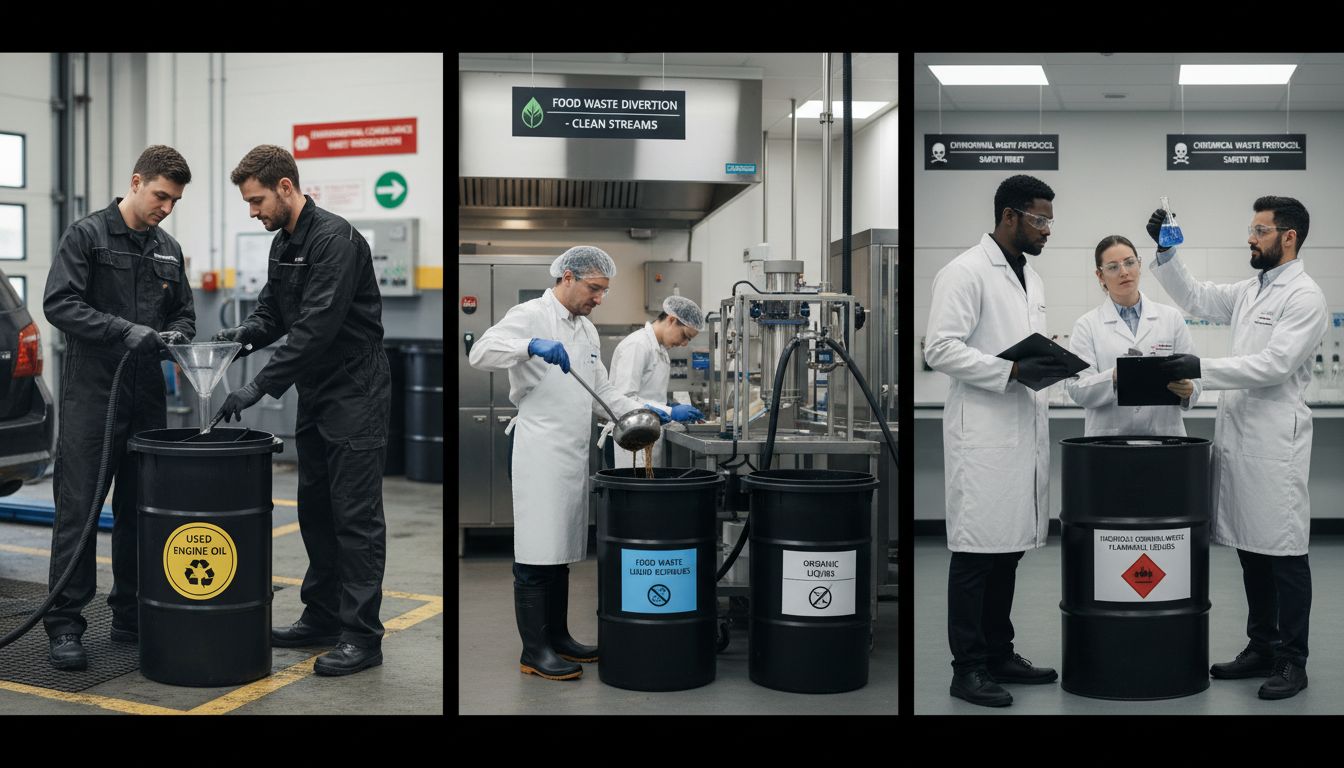
liquid waste types

Collection, Treatment, and Disposal Methods

Liquid waste management is a complex process requiring specialised approaches for safe and environmentally responsible handling. According to research from Clean Streets Westminster, certain liquid waste types like food residues, fat, oil, grease interceptor waste, septic tank sludge, and liquid cleaning products demand expert collection and cannot be disposed of through standard rubbish or recycling channels.

The comprehensive liquid waste management process involves multiple critical stages:

  • Collection: Systematic gathering of different liquid waste streams
  • Containment: Secure storage in appropriate interceptor tanks and specialised containers
  • Transportation: Safe movement using certified waste management vehicles
  • Treatment: Processing to neutralise potential environmental and health hazards
  • Disposal: Environmentally compliant elimination of waste materials

As identified by Drainline UK, effective management requires meticulous clearing of liquid waste from various infrastructure points, including interceptor tanks, grease traps, septic tanks, drains, pipes, culverts, and sewers. For businesses seeking comprehensive guidance on navigating these complex waste management protocols, our hazardous waste disposal guide provides essential insights into safe and legal liquid waste handling strategies.


Liquid waste management in the UK is governed by stringent legal frameworks that mandate businesses to take comprehensive responsibility for their waste disposal practices. According to the UK government guidelines, organisations are legally required to classify their waste meticulously, determining whether materials are hazardous and ensuring appropriate handling protocols are implemented.

The cornerstone of UK waste management legislation is the Environmental Protection Act 1990, which establishes the fundamental structure and authority for waste management and environmental emission control. This critical legislation outlines key legal obligations for waste producers, emphasising several crucial compliance requirements:

  • Accurate waste classification
  • Proper documentation of waste transfers
  • Comprehensive waste tracking
  • Adherence to safe disposal methods
  • Minimising environmental impact

Businesses must maintain detailed waste transfer notes and consignment documentation, demonstrating their commitment to responsible waste management. Failure to comply can result in significant legal and financial consequences.

For organisations seeking detailed guidance on navigating these complex regulatory landscapes, our waste disposal legal requirements guide offers comprehensive insights into maintaining full legal compliance and avoiding potential penalties.

Risks, Costs, and Choosing Providers

Liquid waste management involves complex risks that can have significant environmental and financial implications for businesses. According to Drainline UK, improper disposal of hazardous liquid waste poses substantial threats to both human health and environmental sustainability, underscoring the critical importance of professional waste management services.

When evaluating potential waste management providers, businesses should consider several key factors:

  • Compliance Credentials: Verified regulatory adherence
  • Service Flexibility: Ability to meet varied operational needs
  • Environmental Impact: Commitment to sustainable disposal methods
  • Cost-effectiveness: Transparent pricing structures
  • Technical Expertise: Specialized knowledge in liquid waste handling

As Universal Tankers highlights, choosing a reliable waste management provider ensures regulatory compliance, minimises environmental risks, and offers flexible solutions tailored to specific operational requirements. Businesses must conduct thorough due diligence to mitigate potential financial and legal risks. Our waste disposal legal requirements guide provides comprehensive insights into selecting the most appropriate waste management partner, helping organisations navigate the complex landscape of liquid waste disposal while protecting their operational and environmental interests.

Master Liquid Waste Management with Expert Support from Venture Waste

Navigating the complexities of liquid waste management can be daunting, especially with strict UK regulations and diverse waste types involved. From hazardous liquids to industrial sludges, the challenge to maintain compliance while protecting the environment is real. If you want to avoid costly penalties and reduce your environmental impact, understanding the full process—from collection to safe disposal—is essential.

https://venturewaste.co.uk

Venture Waste is here to simplify this for your business. Our services cover everything from hazardous waste handling to reliable waste transport backed by a robust waste collection network in UK businesses trusts in 2025. We ensure your waste is managed responsibly with full legal compliance, guided by expert knowledge shared in our regulation archives. Ready to take control of your liquid waste management with ease? Discover how our streamlined booking process and comprehensive solutions make compliance straightforward and stress-free at venturewaste.co.uk. Act now to protect your business and the environment.

Frequently Asked Questions

What are the common types of liquid waste?

Liquid waste includes various types such as waste oil, water waste, tank wastes, industrial sludges, sewage, and hazardous liquids. Each type has different characteristics and sources, making it crucial for proper management and disposal.

What are the key steps in liquid waste management?

The main steps in liquid waste management include collection, containment, transportation, treatment, and disposal. Each stage is essential for ensuring safe and environmentally responsible handling of liquid waste.

Businesses must classify their waste accurately, maintain proper documentation of waste transfers, track waste, adhere to safe disposal methods, and minimize environmental impacts according to the Environmental Protection Act 1990 and other regulations.

How can businesses choose a reliable liquid waste management provider?

When selecting a waste management provider, businesses should consider compliance credentials, service flexibility, environmental impact, cost-effectiveness, and the technical expertise of the provider in handling liquid waste.

hazardous waste management companies uk hero header image

Best hazardous waste management companies uk – Expert Comparison 2025

Finding the right waste management solution can seem tricky. With so many options and different promises, sorting out what truly matters can feel overwhelming. Whether you need help managing recycling, hazardous materials, or confidential documents, every provider seems to offer something unique. Some focus on speed and coverage, others on technology or green results. Behind the scenes, each option brings its own way of solving problems and serving customers. Curious how they really compare and which one stands out for your needs? Keep reading to discover what sets each service apart.

Table of Contents

Venture Waste Management

Product Screenshot

At a Glance

Venture Waste Management is a reliable, customer-focused provider of commercial and domestic waste services across the UK. The site and service emphasise responsible disposal, legal compliance and practical support for hazardous, confidential and general waste streams. Booking is intentionally simple: a three-step process moves you from enquiry to confirmation quickly, which suits busy facilities managers and small business operators. In short: comprehensive services, nationwide reach, and operational clarity.

Core Features

Venture offers a wide range of collection services — general waste, hazardous waste, confidential document destruction (with certificates of destruction), dry mixed recycling, compactor and baler solutions, skip hire and tanker collections for liquids. The platform supports both business and domestic clients with tailored service descriptions and a broad UK coverage network. Customer-focused elements include quick quotes, flexible scheduling, emergency callouts and regular newsletters with recycling and compliance updates. The website also features testimonials and social links to reinforce credibility; the contact form is secured by Google reCAPTCHA to prioritise data protection and spam reduction.

Pros

  • Comprehensive service mix: Venture covers everything from hazardous and general waste to confidential destruction and recycling, giving you a single supplier for multiple waste streams.
  • Nationwide coverage: The company’s UK-wide network means consistent service standards whether you’re in a city centre office or an industrial estate.
  • Customer-first reliability: Quick quotes, flexible collection windows and emergency callouts make the service practical for businesses with changing operational needs.
  • Certified confidential disposal: Certificates of destruction are provided for confidential waste, which simplifies audit trails and regulatory compliance.
  • Fast turnaround capability: The model supports rapid responses and scheduled regular collections, helping sites stay compliant and tidy.

Who It’s For

Venture suits facilities managers, SMEs, large manufacturers, healthcare sites, retailers, schools and property managers across the UK who need dependable, compliant waste handling. If you require hazardous waste handling, confidential destruction with certification, or mixed commercial and domestic support (for example a company campus plus on-site accommodation), Venture is built for you.

Unique Value Proposition

Venture’s strength is the combination of breadth and process simplicity. Few local providers pair nationwide coverage with both hazardous-waste competence and confidential-document certification, all coordinated via an uncluttered three-step booking workflow. The emphasis on legal compliance and environmental responsibility is operationalised through quick quotes, flexible scheduling, emergency call options and clear documentation — so compliance isn’t a guess, it’s a deliverable. The secured contact form (Google reCAPTCHA) is a deliberate trade-off: it prioritises client data safety and reduces spam while slightly raising the friction for initial contact. That’s a design choice that benefits organisations with strict data and security policies. In short: comprehensive capabilities, consistent standards and audit-ready paperwork make Venture superior for businesses that cannot afford lapses in compliance or reliability.

Real World Use Case

A manufacturing firm in Durham uses Venture for scheduled hazardous and general waste collections. Regular visits and documented destruction certificates keep the site aligned with environmental legislation and internal H&S targets, while emergency callouts cover production overruns without disrupting operations.

Pricing

Not specified on the website.

Website: https://venturewaste.co.uk

Biffa

Product Screenshot

At a Glance

Biffa is a century‑old UK waste management company offering affordable, reliable services for businesses and local authorities. They combine bespoke waste collection, recycling and resource recovery with innovative technologies such as internet‑connected bins. Strengths include deep experience and a strong sustainability focus; weaknesses centre on limited public pricing and package detail. Bottom line: a robust partner for organisations prioritising compliance and circular‑economy outcomes, though smaller businesses may need help to navigate offerings.

Core Features

Biffa provides comprehensive waste management solutions including recycling and resource recovery, support for compliance with legislation, and partnerships aimed at a circular economy. Their toolkit includes innovative technologies such as internet‑connected bins and other collection optimisation tools, plus services tailored to both commercial customers and local authorities. The emphasis is on transforming waste into valuable resources while reducing environmental impact.

Pros

  • Long-standing experience in waste management gives Biffa institutional knowledge and operational depth that benefits complex contracts and long-term planning.
  • A wide range of services means they can support small and medium enterprises as well as large organisations and local authorities with different waste streams.
  • A strong focus on sustainability and recycling positions Biffa to help clients meet environmental targets and improve resource recovery rates.
  • Advanced technological solutions, like internet‑connected bins, enable smarter collections and potential efficiency gains for busy estates.
  • Active involvement in industry innovation and research suggests continuous improvement and partnership opportunities for clients seeking progressive waste solutions.

Cons

  • Pricing is not specified on the website, so potential customers must request a quote to understand costs and budget implications.
  • The website offers limited detail on tailored service plans or packaged options, which can make it hard to compare offerings quickly.
  • Smaller organisations may find the breadth of services and technical options potentially complex and might need support to identify the right solution.

Who It’s For

Biffa is best for UK businesses and local authorities that need reliable, sustainability‑driven waste management and want a supplier capable of scaling with their needs. If you manage waste across multiple sites or require compliance support and resource recovery expertise, Biffa is a sensible choice. If you run a very small operation without dedicated facilities management, expect a steeper onboarding conversation.

Unique Value Proposition

Biffa’s unique value lies in combining over 100 years of operational experience with a clear focus on sustainability and technology. That mix allows them to deliver practical, compliance‑aware services while piloting innovations that convert waste into resources—an attractive proposition for organisations aiming to reduce environmental impact and embrace circular‑economy practices.

Real World Use Case

A UK restaurant chain partners with Biffa to implement sustainable waste disposal across outlets, lift recycling rates, and ensure compliance with environmental legislation, while contributing material streams back into the circular economy.

Pricing

Quote‑based; pricing is not specified on the website and interested parties need to request a quote.

Website: https://www.biffa.co.uk

Veolia UK

Product Screenshot

At a Glance

Veolia UK is a large-scale environmental services provider focused on waste, water and energy solutions with a clear emphasis on ecological transformation and sustainability. It positions itself as a partner for organisations aiming to move towards a circular economy and to decarbonise operations. The offering is broad rather than productised: expect project-based, B2B services delivered through regional operation centres and a global network. Bottom line: strong strategic capability for complex, sustainability-led programmes, but limited visibility of specific technologies and upfront pricing.

Core Features

Veolia UK combines waste recycling and reuse facilities with water treatment and wastewater management, while also operating energy recovery and renewable energy generation assets. The company handles hazardous waste treatment and disposal and provides industrial services and facilities management, making it a full-service environmental manager for multi-faceted projects. Services span advisory, operational delivery and infrastructure implementation across sectors rather than single off-the-shelf products.

Pros

  • Sustainability-led mission: Veolia UK is dedicated to ecological transformation and sustainability, which embeds environmental objectives into its service design and delivery.
  • Comprehensive multi-sector solutions: The company offers integrated waste, water and energy services, enabling coordinated approaches across complementary environmental streams.
  • Established operational experience: With experience in waste, water and energy management, Veolia UK can manage complex technical and regulatory challenges that many single-discipline suppliers cannot.
  • Focus on circular economy and decarbonisation: The organisation emphasises reuse, recycling and emissions reduction, aligning with corporate net-zero and circularity targets.
  • Broad network and regional centres: A global network with regional operation centres supports delivery at scale and offers local operational capacity for large projects.

Cons

  • Limited product-level detail publicly available: Specific product details and the technologies used are not prominently detailed on the homepage, making it hard to assess technical fit without direct contact.
  • Service model is largely project-based: There are no direct product purchase options, as services are primarily B2B and project-based, which may not suit businesses seeking fixed-price, off-the-shelf solutions.
  • Potential regional constraints: The global footprint is an advantage, but there may be regional limitations for non-UK customers or for organisations requiring purely localised providers.

Who It’s For

Veolia UK is best suited to organisations, public bodies and governments seeking integrated, sustainability-focused waste, water and energy solutions. If you need a partner for strategic decarbonisation, large-scale recycling programmes, hazardous waste management or infrastructure projects, Veolia offers the breadth and operational capacity to deliver complex programmes.

Unique Value Proposition

Veolia UK’s unique value lies in combining waste, water and energy expertise under a single operator committed to circular economy principles and decarbonisation. That cross-disciplinary capability enables coordinated interventions that reduce cost, emissions and material loss across an organisation’s footprint.

Real World Use Case

A practical example: Veolia UK has partnered with NHS Foundation Trusts to deliver major carbon and energy savings via innovative energy solutions and infrastructure projects, demonstrating its ability to deliver measurable sustainability outcomes for large public-sector clients.

Pricing

Not specified on the website.

Website: https://www.veolia.co.uk/

Biffa

Product Screenshot

At a Glance

Biffa is a long-established UK waste management firm that combines broad operational reach with a clear sustainability mission. With over 100 years of experience and coverage of around 95% of postcodes, it serves businesses and local authorities with recycling, resource recovery and technology-driven collection services. The company’s focus on innovation—such as internet-connected bins—and partnerships positions it well for organisations that must meet tightening regulatory and sustainability targets. In short: reliable, comprehensive and sustainability-minded, though not always transparent on pricing or bespoke options.

Core Features

Biffa provides a wide range of waste management services tailored to businesses and local authorities, centred on recycling and resource recovery. Key capabilities include traditional waste collection, recycling streams, and technologies that improve collection efficiency—like internet-connected bins that signal when collections are required. The company also works via partnerships to promote circular-economy initiatives and offers support to help clients comply with recycling legislation, making it more than a simple collection contractor.

Pros

  • Deep industry experience: With over 100 years in waste management, Biffa brings institutional knowledge that helps navigate complex regulatory and operational challenges.
  • Extensive service coverage: Biffa claims around 95% postcode service, which reduces logistical friction for businesses operating across multiple sites.
  • Comprehensive service range: The company offers services suitable for small businesses through to large local authorities, providing a single supplier option for mixed estate requirements.
  • Sustainability and innovation focus: Biffa emphasises recycling, resource recovery and technological innovation, which supports organisations pursuing net-zero and circular-economy goals.
  • Commitment to carbon reduction: The provider stresses reduced carbon footprint as a strategic aim, which aligns with corporate sustainability targets.

Cons

  • Pricing not transparent on website: Specific pricing details are not provided on the website, making early budget planning harder for procurement teams.
  • Limited detail on customisation options: The website offers only limited information about how services are tailored, which could complicate planning for organisations with niche or complex waste streams.
  • Potential complexity for small customers: The breadth of offerings and partnerships may be overwhelming for very small businesses seeking a simple, low-cost collection.

Who It’s For

Biffa is best suited to organisations seeking comprehensive, sustainability-focused waste management across the UK — from multi-site businesses and retailers to local authorities and institutions committed to innovation. If you need a single supplier capable of supporting recycling targets and legislative compliance, Biffa fits the brief.

Unique Value Proposition

Biffa’s strength lies in combining scale with a clear sustainability agenda: extensive national coverage, long-standing operational expertise and technology-led services aimed at converting waste into resources. That mix makes it attractive to organisations looking to reduce landfill, improve recycling rates and integrate waste strategy with broader sustainability goals.

Real World Use Case

A local restaurant chain partners with Biffa to streamline collections across multiple sites, implement better recycling streams and comply with new recycling regulations, while using data from connected bins to optimise collection frequency and reduce costs.

Pricing

Not specified on website

Website: https://biffa.co.uk

Waste Management Solutions Comparison

Below is a comparison of three UK waste management providers based on their core features, pros, cons, pricing, and usability to help you make an informed decision.

Provider Core Features Pros Cons Pricing
Venture General & hazardous waste, recycling, confidential destruction, emergency callouts, nationwide coverage Comprehensive service mix, nationwide coverage, customer-first reliability, certified disposal Pricing not specified Not specified
Biffa Recycling, resource recovery, internet-connected bins, sustainable solutions Long-standing experience, wide range of services, sustainability focus, technological solutions Pricing not transparent, limited plan detail, complexity for small firms Quote-based
Veolia UK Waste, water, and energy solutions, hazardous waste management, sustainability focus Sustainability-led mission, comprehensive solutions, operational experience, focus on circular economy and decarbonisation Limited product detail, project-based models, potential regional constraints Not specified

Ensure Safe and Compliant Hazardous Waste Management with Venture Waste Management

Managing hazardous waste presents real challenges for UK businesses needing to stay fully compliant and environmentally responsible. The expert comparison highlights the critical importance of certified disposal, quick turnaround, and seamless coordination to avoid costly legal risks and operational delays. At Venture Waste Management, we understand the pressure facilities managers face to navigate regulations while ensuring dependable collections and documented destruction of hazardous materials.

Discover how our straightforward three-step booking process simplifies your waste handling, providing clarity and control amid complex compliance demands. We specialise in hazardous waste services paired with robust legal guidance available on our regulation Archives – Venture Waste page. For tailored hazardous waste disposal and secure, certified document destruction, Venture delivers nationwide coverage and expert support you can trust.

https://venturewaste.co.uk

Take control of your hazardous waste challenges today with Venture. Visit us at https://venturewaste.co.uk to explore all our solutions including confidential waste handling, and sign up for our newsletter to stay informed on best practices. Don’t wait for compliance issues to become costly problems. Act now to secure professional, reliable service designed specifically for your commercial or domestic waste needs.

Frequently Asked Questions

What should I look for in a hazardous waste management company?

To choose the right hazardous waste management company, prioritize their compliance with local regulations, expertise in handling specific waste types, and the range of services offered. Evaluate their reputation by reading client reviews and checking for certifications. Compare several companies before making your decision.

How can I assess the cost of hazardous waste management services?

To assess the cost, request quotes from multiple hazardous waste management companies detailing their services and fees. Analyze the quotes, considering factors such as frequency of collection and types of hazardous waste being handled to ensure you get the best overall value.

What are the standard procedures for hazardous waste disposal?

Standard procedures for hazardous waste disposal typically include classification, assessment for recycling or treatment, secure storage, and appropriate transportation to a licensed disposal facility. Work with your chosen management company to implement these steps efficiently and safely.

How quickly can I expect hazardous waste to be collected after booking a service?

Most hazardous waste management companies offer flexible scheduling, with collections typically arranged within a few days of booking. Confirm specific timelines with the company you choose to ensure they can meet your operational needs.

Do hazardous waste management companies provide documentation for compliance?

Yes, reputable hazardous waste management companies provide necessary documentation, such as certificates of disposal and tracking records, to ensure compliance with regulations. Request these documents after disposal to maintain accurate records for audits and reporting.

How can I find the best hazardous waste management companies for my business needs?

To find the best hazardous waste management companies for your needs, start by researching and comparing local providers, focusing on their experience, services, and client testimonials. Create a shortlist and conduct direct consultations to pinpoint which company aligns best with your specific waste disposal requirements.

bulk waste facility

Complete Guide to Bulk Waste Solutions UK

Did you know that over two million tonnes of bulky waste are discarded each year in the UK alone? From old sofas to outgrown office equipment, bulky items pile up quickly for homes and businesses. Managing these oversized objects can be confusing and expensive when handled without proper guidance. By understanding what counts as bulk waste and clearing up common myths, you can uncover smarter ways to handle, recycle, and reduce costly mistakes.

Table of Contents

Key Takeaways

Point Details
Bulk Waste Management Businesses must implement specialized waste management strategies for bulk waste to minimize environmental impact and enhance resource recovery.
Segregation Importance Effective waste segregation using color-coded systems enhances recycling potential and ensures compliance with disposal guidelines.
Legal Compliance Adhering to waste management regulations is crucial to avoid financial penalties and environmental contamination.
Proactive Risk Management Viewing waste management as a strategic investment can transform potential risks into cost-saving opportunities and bolster sustainability efforts.

Bulk Waste Solutions Defined and Common Myths

Bulk waste represents large discarded items that exceed standard waste collection services, typically encompassing furniture, appliances, and industrial equipment too substantial for regular disposal methods. According to government guidance, these items require specialized waste management strategies beyond traditional collection approaches.

Contrary to popular misconception, bulk waste is not automatically destined for landfills. Research from environmental agencies indicates that many bulky items can be strategically recycled, repurposed, or responsibly dismantled. Waste management step by step guide demonstrates how businesses can effectively process these materials.

Key characteristics of bulk waste include:

  • Significant physical dimensions
  • Weight exceeding standard collection limits
  • Potential for material recovery
  • Requiring specialized removal techniques

Businesses encountering bulk waste must understand critical distinctions. While some materials seem unrecyclable, professional waste management services can often salvage substantial components. Electronics might contain valuable metals, furniture could be refurbished, and industrial equipment potentially disassembled for parts. The goal is minimizing environmental impact while maximizing resource efficiency.

Types of Bulk Waste and Segregation Methods

Bulk waste encompasses a diverse range of materials requiring specialized disposal strategies. According to government waste classification guidelines, these materials are typically categorized into distinct streams to optimize recycling and minimize environmental impact. Businesses must understand these categories to ensure responsible waste management.

Key types of bulk waste include:

  • Furniture: Large sofas, office chairs, desks, and industrial equipment
  • Appliances: Refrigerators, washing machines, commercial kitchen equipment
  • Electronic Waste (WEEE): Computers, servers, telecommunications hardware
  • Green Waste: Garden materials, landscaping debris, agricultural remnants

Segregation is critical for effective waste management. Waste segregation guidelines recommend using color-coded systems to streamline the sorting process. Black bins typically contain general waste, while clear or green containers are designated for recyclable materials. Hazardous waste requires specialized, clearly marked containers to prevent contamination.

Here’s a comparison of key types of bulk waste and their recommended segregation methods:

Bulk Waste Type Example Items Recommended Container/Method
Furniture Sofas
Office desks
Chairs
Designated bulky waste bins
Appliances Refrigerators
Washing machines
Clear/labelled bins for appliances
Electronic Waste Computers
Servers
Telecom equipment
WEEE bins
Secure containers
Green Waste Garden clippings
Landscaping debris
Green bins
Composting containers
Hazardous Materials Chemicals
Asbestos
Paint
Special hazardous waste containers

Professional waste management involves more than simple categorization. Each waste stream demands unique handling protocols. Electronics might require data destruction, furniture could be dismantled for material recovery, and green waste can often be composted. The goal is transforming what was once considered waste into valuable resources, reducing landfill dependency and supporting circular economy principles.

office waste segregation

Collection Processes and Service Options in the UK

Bulk waste collection in the UK represents a sophisticated network of specialized services designed to manage diverse waste streams efficiently. According to health and safety waste processing guidelines, these services encompass multiple collection methods tailored to different business and municipal needs.

Collection service options vary widely across the UK, including:

  • Kerbside Collection: Convenient pickup for larger items at designated points
  • Scheduled Commercial Pickups: Structured waste removal for businesses
  • On-Demand Services: Flexible collection for irregular or urgent waste disposal
  • Specialized Waste Streams: Targeted services for electronics, hazardous materials, and industrial waste

Waste collection process for businesses typically involves comprehensive strategies that go beyond simple pickup. Materials Recycling Facilities (MRFs) play a crucial role, employing both manual sorting and advanced mechanical processing techniques. These facilities ensure that different waste types are appropriately segregated, maximizing recycling potential and minimizing environmental impact.

The most effective waste collection services offer integrated solutions that adapt to specific business needs. This means understanding each client’s unique waste profile, providing appropriate containers, establishing regular collection schedules, and ensuring compliance with environmental regulations. The ultimate goal is creating a seamless, efficient waste management system that supports both business operations and broader environmental sustainability objectives.

Navigating the complex landscape of waste management regulations in the UK demands meticulous attention to legal frameworks and environmental protection standards. Government guidelines mandate comprehensive waste classification and disposal protocols that businesses must rigorously follow to ensure ecological responsibility and legal compliance.

Key legal requirements for waste management include:

  • Precise waste categorization
  • Segregation of hazardous materials
  • Documentation of waste streams
  • Adherence to disposal guidelines
  • Maintaining audit trails

Waste disposal legal requirements emphasize the critical importance of preventing environmental contamination. Businesses must implement systematic approaches to waste handling, ensuring that hazardous and non-hazardous materials are separated and processed according to strict governmental regulations. This involves understanding complex classification systems, maintaining detailed records, and demonstrating a proactive approach to waste management.

Non-compliance can result in significant financial penalties and potential legal consequences. Effective environmental compliance is not just about avoiding fines, but about creating a responsible waste management ecosystem that minimizes ecological impact. Companies must invest in training, develop robust waste management strategies, and continuously update their practices to align with evolving environmental legislation and best practices.

Risks, Costs, and How to Avoid Pitfalls

Bulk waste management presents a complex landscape of potential financial and environmental risks that businesses must strategically navigate. Health and safety regulations highlight the critical importance of implementing comprehensive waste processing strategies that minimize both economic and ecological vulnerabilities.

Key risks associated with inadequate waste management include:

  • Environmental contamination
  • Significant regulatory penalties
  • Increased disposal costs
  • Potential legal liabilities
  • Reputational damage

Hazardous waste risks demonstrate that proactive risk mitigation is far more cost-effective than reactive problem-solving. Implementing robust waste segregation protocols, investing in staff training, and developing systematic disposal processes can substantially reduce potential financial and legal challenges.

Companies must view waste management as a strategic investment rather than a mere operational expense. This means developing comprehensive waste reduction strategies, regularly auditing waste streams, and staying updated on evolving environmental regulations. By adopting a forward-thinking approach, businesses can transform potential risks into opportunities for operational efficiency, cost savings, and environmental responsibility.

Simplify Your Bulk Waste Management with Venture Waste

Managing bulk waste effectively can feel overwhelming due to the complex segregation, legal requirements, and specialised disposal methods involved. Whether you face challenges with large furniture disposal, electronic waste, or hazardous materials, understanding how to navigate the waste collection network is essential. This guide highlights common pain points such as ensuring environmental compliance and avoiding costly mistakes — challenges Venture Waste is expertly equipped to resolve.

https://venturewaste.co.uk

Take control of your bulk waste solutions today by partnering with Venture Waste. Our streamlined three-step booking process removes the hassle of organising compliant and efficient full-service waste collection tailored to your business needs. Discover how How the Waste Collection Network in UK Serves Businesses in 2025 – Venture Waste can benefit you, stay updated on evolving regulations through our regulation Archives – Venture Waste, and start your journey towards responsible disposal at https://venturewaste.co.uk. Act now to ensure your bulk waste is handled legally, responsibly and without delay.

Frequently Asked Questions

What is bulk waste and why is it different from regular waste?

Bulk waste refers to large discarded items like furniture and appliances that exceed standard waste collection limits. It requires specialized disposal methods due to its significant size and potential for material recovery.

How can I effectively segregate different types of bulk waste?

Segregation of bulk waste is essential for effective management. Use color-coded bins: black for general waste, clear or green for recyclables, and special containers for hazardous materials to streamline the sorting process.

What collection service options are available for bulk waste?

Collection options for bulk waste vary and include kerbside collection, scheduled commercial pickups, on-demand services, and specialized waste streams for electronics and hazardous materials.

Businesses must adhere to legal requirements including precise waste categorization, segregation of hazardous materials, maintaining documentation of waste streams, and following disposal guidelines to prevent environmental contamination.

Office workers sort rubbish into labelled waste and recycling bins

General Waste vs Recycling: Business Guide for 2025

Waste from UK businesses is piling up at an astonishing pace. New rules mean companies with 10 or more employees must sort their rubbish into at least three separate streams by March 2025 or risk fines. Sounds easy enough, right? The catch is, getting it wrong could slash profits and hurt your image long before any authorities come knocking. There is more at stake here than a few extra bins in the office.

Table of Contents

Quick Summary

Takeaway Explanation
Effective waste separation maximises economic benefits By accurately segregating waste streams, businesses can reduce disposal costs by up to 30%, decrease landfill taxes, and potentially generate revenue from recyclable materials.
New waste separation regulations are mandatory from March 2025 Businesses with 10 or more employees must categorise waste into dry recyclables, food waste, and non-recyclable waste to ensure compliance and avoid penalties.
Improving waste management enhances corporate reputation Adopting strategic waste management practices not only meets legal requirements but also appeals to environmentally conscious consumers, potentially attracting more clients.
Sector-specific strategies are essential Different business sectors, such as manufacturing and healthcare, require tailored approaches to waste management that account for their unique waste streams and regulatory requirements.
Non-compliance can lead to severe consequences Failing to adhere to waste management regulations may result in financial penalties, legal repercussions, and damage to reputation, underscoring the importance of proactive management.


Understanding General Waste and Recycling

Businesses today face critical decisions about waste management that impact both their environmental footprint and operational efficiency. General waste and recycling represent two distinct approaches to handling discarded materials, each with significant implications for organisational sustainability and regulatory compliance.

The Fundamental Differences in Waste Management

General waste typically refers to non-recyclable materials that cannot be processed through standard recycling streams. This includes contaminated packaging, mixed materials, and items that do not meet recycling facility requirements. According to The First Mile, the UK generates approximately 5 million tonnes of waste annually, with substantial variations in how these materials are ultimately processed.

Recycling, by contrast, involves collecting, processing, and transforming materials like paper, plastic, metal, and glass into new products. The goal is to reduce raw material consumption, minimise environmental impact, and create a more circular economic model. Circular Online reports that the UK generated 222.2 million tonnes of total waste in 2018, highlighting the massive scale of waste management challenges.

Infographic comparing general waste and recycling processes

A comparison of general waste and recycling helps clarify their distinct roles and effects in business waste management:

Aspect General Waste Recycling
Definition Non-recyclable materials (contaminated, mixed, etc.) Materials processed into new products (paper, plastics)
Examples Contaminated packaging, mixed materials Paper, plastic, metal, glass
Environmental Impact Increases landfill, higher carbon emissions Reduces landfill, conserves resources
Business Impact Higher disposal and landfill costs Potential cost savings, revenue from recyclables
UK Waste Data Example 5 million tonnes (business waste, 2023 approx) 222.2 million tonnes (total waste, UK 2018)

Economic and Environmental Implications

The distinction between general waste and recycling extends far beyond simple categorisation. Businesses must understand that their waste management strategies directly influence operational costs, environmental compliance, and corporate reputation. Our comprehensive waste collection guide provides insights into effective waste stream management.

In 2022, the UK household recycling rate stood at 44%, with significant regional variations. The Guardian reported recycling rates ranging from 42.1% in Scotland to 56.9% in Wales, demonstrating the complexity of national waste management efforts.

The following table summarises recent recycling rate statistics across the UK regions:

Region Household Recycling Rate (2022)
Scotland 42.1%
UK Average 44%
Wales 56.9%

Businesses must critically evaluate their waste streams, identifying opportunities to:

  • Reduce overall waste generation
  • Improve recycling processes
  • Minimise environmental impact
  • Comply with evolving regulatory standards

Effective waste management is not merely about disposal but about creating a strategic approach that balances economic efficiency with environmental responsibility. By understanding the nuanced differences between general waste and recycling, organisations can develop more sustainable, cost-effective waste management strategies that contribute to broader environmental conservation efforts.

Business Benefits of Effective Waste Separation

Colleagues use breakroom bins for effective waste separation

Effective waste separation represents more than a compliance requirement—it is a strategic approach that delivers substantial financial, environmental, and operational advantages for businesses across various sectors. By implementing robust waste management practices, organisations can transform their waste streams from a potential liability into a valuable resource.

Financial Advantages of Precise Waste Management

Properly segregating waste streams generates significant economic benefits. According to Northern Ireland Business Information, implementing comprehensive waste management policies can lead to direct cost savings through reduced disposal expenses and minimised waste production. Businesses that meticulously separate recyclable materials can potentially lower waste management costs by up to 30%, creating a compelling financial incentive.

The economic rationale extends beyond immediate cost reduction. Our guide on waste management savings highlights how strategic waste separation enables businesses to:

  • Reduce landfill taxes
  • Generate revenue from recyclable materials
  • Improve operational efficiency
  • Demonstrate corporate environmental responsibility

Regulatory Compliance and Risk Mitigation

Effective waste separation is crucial for maintaining legal compliance and minimising organisational risk. UK Government Guidelines mandate specific waste management standards across different industries. Businesses that fail to implement proper waste segregation protocols risk substantial financial penalties and potential legal repercussions.

Moreover, Stericycle UK emphasises that proper waste segregation enhances workplace safety by minimising health risks associated with hazardous materials. This approach protects employees, reduces potential workplace incidents, and demonstrates a commitment to maintaining high safety standards.

Environmental and Reputational Benefits

Beyond financial and legal considerations, effective waste separation contributes meaningfully to environmental conservation. By diverting recyclable materials from landfills, businesses actively participate in reducing carbon emissions and preserving natural resources. This commitment resonates with environmentally conscious consumers and stakeholders, potentially enhancing brand reputation and attracting sustainability-minded clients.

The strategic approach to waste separation is not merely an operational task but a comprehensive business strategy. It represents a holistic method of resource management that balances economic efficiency with environmental stewardship. Businesses that embrace this approach position themselves as forward-thinking, responsible organisations committed to sustainable practices and long-term environmental protection.

Best Practices for Different Business Sectors

Waste management strategies are not one-size-fits-all. Different business sectors require tailored approaches to effectively manage their unique waste streams, ensuring regulatory compliance, environmental responsibility, and operational efficiency.

Manufacturing and Industrial Sectors

Manufacturing businesses generate complex waste streams that demand sophisticated separation and management techniques. Government regulations mandate that from 31 March 2025, all workplaces must separate waste into distinct categories: dry recyclables (plastic, metal, glass, paper, and card), food waste, and non-recyclable materials.

Industrial organisations should implement comprehensive waste auditing processes. According to Business Climate Hub, conducting systematic waste audits enables businesses to:

  • Identify specific waste generation points
  • Optimize material recovery strategies
  • Potentially generate revenue from recyclable materials
  • Reduce overall waste management costs

Healthcare and Service Industries

Healthcare facilities and service-based businesses face unique waste management challenges requiring meticulous segregation. Medical waste, confidential documents, and mixed-material waste demand specialized handling protocols. Our comprehensive waste management guide provides insights into sector-specific waste management strategies.

Key considerations for these sectors include:

  • Strict segregation of hazardous and non-hazardous materials
  • Compliance with health and safety regulations
  • Secure disposal of confidential or sensitive materials
  • Minimizing cross-contamination risks

Retail and Office Environments

Retail and office spaces typically generate mixed waste streams that require strategic separation. The waste hierarchy approach—prioritizing prevention, reuse, recycling, and recovery—can significantly reduce environmental impact. Business Climate Hub emphasizes that this approach helps businesses cut emissions, reduce landfill fees, and enhance their reputation.

Practical implementation strategies include:

  • Installing clearly labeled recycling stations
  • Training staff on proper waste segregation
  • Reducing single-use materials
  • Implementing digital solutions to minimize paper waste

A sector-based summary can help businesses focus on the most relevant best practices:

Business Sector Key Waste Streams Recommended Best Practices
Manufacturing/Industrial Dry recyclables, food, non-recyclables Conduct waste audits, material recovery, optimise separation
Healthcare/Services Medical, confidential, mixed material Strict segregation, secure disposal, regulatory compliance
Retail/Office Mixed, packaging, paper, food Labeled stations, staff training, minimising single-use, digitalisation

Effective waste management transcends mere compliance. It represents a strategic approach that balances environmental responsibility with operational efficiency. Businesses that invest in sector-specific waste management strategies not only meet regulatory requirements but also demonstrate leadership in sustainable practices. By understanding and implementing tailored waste separation techniques, organisations can transform waste from a cost centre into a potential resource, driving both environmental and economic value.

The landscape of waste management regulations is undergoing significant transformation in 2025, presenting businesses with new legal obligations and compliance challenges. Understanding these evolving requirements is crucial for organisations seeking to avoid potential penalties and demonstrate environmental responsibility.

Waste Separation Mandates

Government regulations introduce comprehensive waste separation requirements effective 31 March 2025. These mandates apply to workplaces with 10 or more employees, requiring strict categorisation of waste streams. Businesses must now segregate waste into three distinct categories:

  • Dry recyclable materials (including plastic, metal, glass, paper, and card)
  • Food waste
  • Non-recyclable waste

Interestingly, our comprehensive compliance guide highlights that micro-firms with fewer than 10 full-time equivalent employees receive a temporary extension, with compliance deadline set for 31 March 2027.

Legislative Framework and Environmental Implications

The Environment Act 2021 provides the foundational legal framework for these waste management regulations. This legislation aims to dramatically improve recycling rates and substantially reduce waste sent to landfill or incineration. Businesses must recognize that compliance is not merely about avoiding penalties but contributing to broader national environmental objectives.

Key legal considerations include:

  • Maintaining accurate waste segregation records
  • Ensuring proper waste collection and disposal processes
  • Providing staff training on new waste management protocols
  • Implementing verifiable waste tracking mechanisms

The following table summarises the new legal mandates and extension periods by organisation size:

Business Size Waste Separation Requirement Compliance Deadline
10 or more employees Segregate into dry recyclables, food, general 31 March 2025
Fewer than 10 FTE Same as above 31 March 2027

Consequences of Non-Compliance

Failure to adhere to these new waste management regulations can result in significant financial and operational consequences. Businesses may face:

  • Substantial financial penalties
  • Potential legal proceedings
  • Reputational damage
  • Increased waste management costs

Proactive businesses will view these regulations as an opportunity to innovate, reduce environmental impact, and potentially generate cost savings through more efficient waste management practices. The transition requires strategic planning, investment in appropriate waste segregation infrastructure, and comprehensive staff training.
Ultimately, legal compliance in waste management extends beyond mere regulatory adherence. It represents a fundamental shift towards more sustainable business practices, demonstrating corporate responsibility and alignment with national environmental conservation goals. Organisations that embrace these changes will not only meet legal requirements but position themselves as forward-thinking, environmentally conscious enterprises.

Frequently Asked Questions

What is the difference between general waste and recycling?

General waste refers to non-recyclable materials that cannot be processed, such as contaminated packaging and mixed materials. Recycling involves collecting and processing materials like paper, plastic, metal, and glass to be transformed into new products, helping to reduce resource consumption and environmental impact.

What are the new waste separation regulations for businesses in 2025?

Starting from 31 March 2025, businesses with 10 or more employees must separate their waste into three categories: dry recyclables, food waste, and non-recyclable waste. Compliance is essential to avoid penalties and to contribute to sustainability efforts.

How can effective waste separation benefit my business?

Effective waste separation can lead to significant financial savings—reducing disposal costs by up to 30%—and can also enhance your business’s reputation by appealing to environmentally conscious consumers. Additionally, it ensures compliance with legal regulations and minimizes risks associated with waste management.

What are the consequences of non-compliance with waste management regulations in the UK?

Failing to comply with the new waste management regulations can result in substantial financial penalties, potential legal action, and reputational damage. It is crucial for businesses to implement proper waste separation practices to avoid these negative consequences.

Transform Your Waste Management for 2025 Compliance

Rising business waste volumes and tough new 2025 regulations make proper waste separation more urgent than ever. Many companies are unsure how to sort their general waste from recycling, and the cost of mistakes includes both financial penalties and loss of reputation. If your business needs a reliable solution that covers everything from general waste collection to secure recycling, the experts at Venture Waste Management are ready to help you stay compliant and efficient.

https://venturewaste.co.uk

Let us take the complexity out of waste compliance. Explore our dedicated general waste and recycling services or discover how our baler solutions improve recycling processes. Act now to ensure your systems are up-to-date before the March 2025 deadline. Contact our team for trusted guidance and streamlined booking that makes compliance simpler than ever.

improving waste segregation audit

Improving Waste Segregation: A Step-by-Step Guide

Sorting waste at work often feels like an afterthought for many organisations. Yet, studies show that up to 40 percent of office waste destined for landfill could actually be recycled with proper segregation. That sounds like a shocking waste of both resources and money, right? But what really flips the script is this – getting waste segregation right is not just about doing your bit for the planet. It can make day-to-day operations simpler, boost morale, and even reveal surprising cost savings you never expected.

Table of Contents

Quick Summary

Key Point Explanation
1. Assess current waste management practices Conduct a thorough evaluation of existing waste streams to identify inefficiencies and improvement areas.
2. Educate employees on waste segregation Develop tailored training that engages staff with practical guidance on waste sorting techniques.
3. Implement clear segregation protocols Design intuitive waste management systems with distinct colour coding and visual aids for easy compliance.
4. Set up clearly marked waste bins Strategically place and label bins to facilitate easy identification of waste categories, enhancing segregation accuracy.
5. Monitor and evaluate waste segregation effectiveness Establish a tracking system to measure waste diversion and identify opportunities for continual improvement.

Step 1: Assess Your Current Waste Management Practices

Improving waste segregation begins with a comprehensive assessment of your current waste management practices. This critical first step helps organisations understand their existing waste streams, identify inefficiencies, and create a strategic roadmap for more sustainable waste disposal. By conducting a thorough evaluation, businesses can pinpoint areas for improvement and develop targeted strategies to reduce waste generation.

To start your assessment, gather all relevant documentation related to your waste management processes. This includes waste collection records, disposal invoices, existing waste stream logs, and any previous environmental audits. Review these documents carefully, looking for patterns in waste generation, disposal methods, and potential areas of waste reduction. Pay special attention to the types and volumes of waste your organisation produces across different departments or operational areas.

A practical approach involves conducting a physical waste audit. This means carefully tracking and categorising the waste your organisation generates over a specific period. You might need to temporarily assign team members to sort and weigh different waste types, creating a detailed snapshot of your current waste management practices. Look for opportunities to segregate waste more effectively, identifying recyclable materials that may currently be mixed with general waste. Learn more about efficient waste tracking methods to streamline this process.
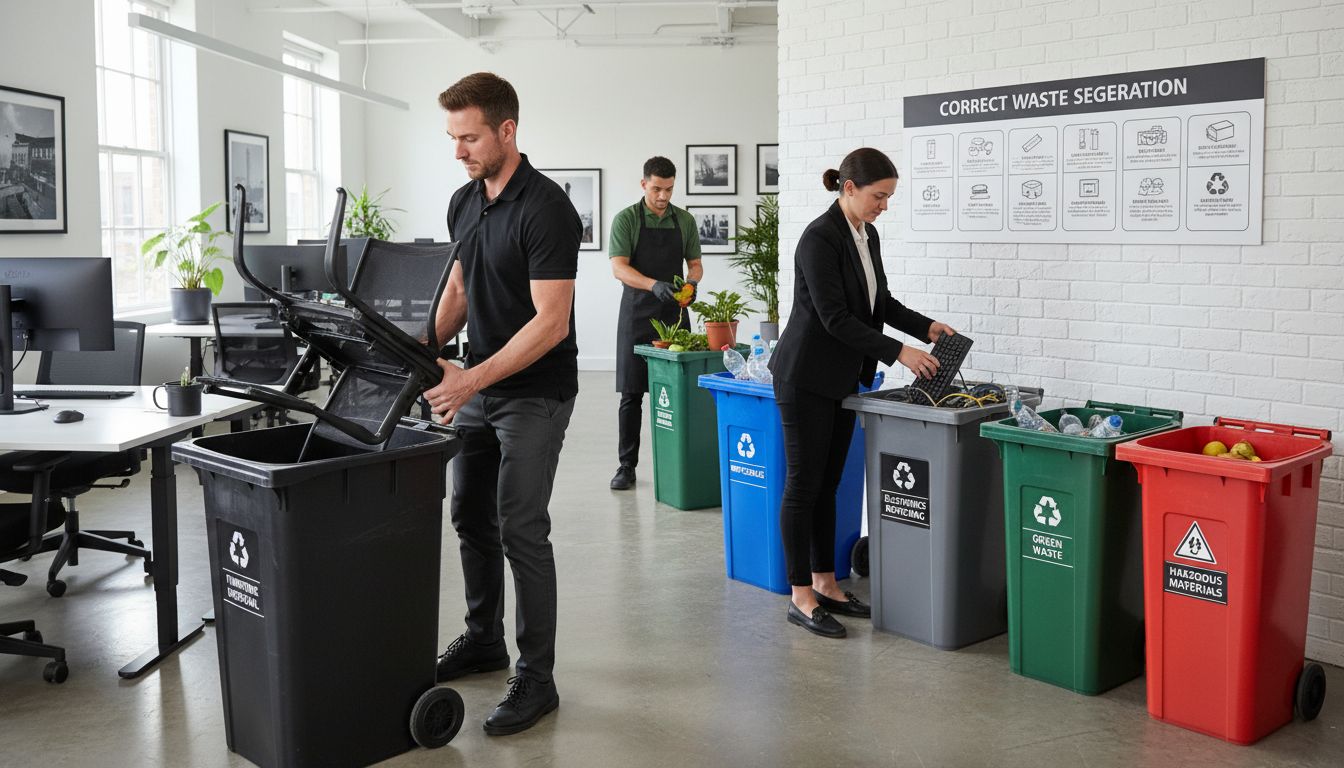
Key areas to examine during your assessment include:

  • Total waste volume generated
  • Waste composition and types
  • Current segregation practices
  • Existing recycling efforts
  • Disposal methods currently in use

Successful completion of this assessment means you have a clear, detailed understanding of your organisation’s waste management landscape. The data collected will serve as a baseline for developing more effective waste segregation strategies. By taking this methodical approach, you’re not just collecting information, but laying the groundwork for meaningful environmental improvements and potential cost savings in waste management.

To help you plan your waste segregation improvement process, the table below summarises each main step, the objective, and key actions for effective implementation.

Step Objective Key Actions
Assess Current Practices Identify inefficiencies and baseline data Review waste records, conduct physical audits, examine waste streams
Educate Employees Raise awareness and build skills Deliver training, visual guides, hands-on workshops
Implement Protocols Systematise sorting and make compliance easy Design colour-coded system, use clear signage, strategic bin placement
Set Up Bins Facilitate correct waste disposal Place bins in key areas, label clearly, ensure accessibility
Monitor & Evaluate Measure progress and identify improvements Track data, conduct audits, analyse contamination rates
Review & Adjust Sustain continuous improvement Schedule quarterly reviews, update materials and processes

Step 2: Educate Employees on Waste Segregation

Employee education is the cornerstone of successful waste segregation, transforming individual awareness into organisational environmental responsibility. This critical step involves developing a comprehensive training programme that empowers staff with the knowledge and skills necessary to implement effective waste management practices across your entire organisation.

Begin by creating a tailored training programme that goes beyond generic instructions. Develop visual guides and practical demonstrations that clearly illustrate the correct segregation process for different waste types. These materials should include colour-coded waste bin diagrams, infographics showing proper sorting techniques, and real-world examples specific to your workplace environment. Check out our comprehensive waste segregation guidelines to support your training efforts.

Your training should be interactive and engaging, moving beyond traditional lecture formats. Consider implementing hands-on workshops where employees can practice waste sorting in a simulated workplace setting. Include practical scenarios that reflect the actual waste streams encountered in your specific industry. Managers should lead by example, actively participating in training sessions and demonstrating commitment to proper waste segregation practices.

Key training components to include:

  • Clear explanation of waste categories
  • Consequences of improper waste disposal
  • Step-by-step sorting instructions
  • Organisation-specific waste management policies
  • Environmental impact of correct waste segregation

Verify the effectiveness of your training by conducting periodic assessments and spot checks. Implement a feedback mechanism that allows employees to ask questions and seek clarification. Successful implementation means staff can confidently and consistently segregate waste without supervision, reducing contamination and improving overall waste management efficiency. Regular refresher training will help maintain high standards and keep environmental awareness at the forefront of your organisational culture.

Step 3: Implement Clear Segregation Protocols

Implementing clear segregation protocols transforms your waste management strategy from theoretical knowledge into practical action. This crucial step involves creating a systematic approach that makes waste sorting intuitive and straightforward for every employee across your organisation. The goal is to design a waste management system so clear that sorting becomes second nature.

Start by developing a comprehensive colour-coded waste management system that eliminates confusion. Each waste category should have a distinct colour, container type, and clearly visible labelling. For instance, blue containers might represent recyclable paper, green for organic waste, and red for general waste. Explore our detailed waste segregation guidelines to refine your approach. Position these colour-coded bins strategically throughout your workplace, ensuring they are easily accessible and placed near the points where specific waste types are most likely generated.

Design visual guidance materials that complement your physical waste segregation infrastructure. Create large, easy-to-understand infographics that demonstrate exactly what goes into each bin. These should include pictorial representations of acceptable and unacceptable items, making the sorting process transparent and idiot-proof. Consider laminating these guides and placing them directly above or beside waste stations. Supplement these visual guides with brief, clear instructions that explain the environmental impact of correct waste segregation.

Key protocol implementation elements:

  • Consistent colour coding across all waste streams
  • Clear, multilingual signage
  • Strategic bin placement
  • Regular maintenance of waste stations
  • Periodic review and adjustment of protocols

Successful implementation means your waste segregation system operates smoothly without constant supervision. Employees should intuitively understand where to dispose of different waste types, and cross-contamination should be minimised. Conduct regular spot checks and gather feedback to continuously refine your protocols, ensuring they remain effective and user-friendly. By creating a systematic, intuitive approach to waste segregation, you transform environmental responsibility from a complex task into a simple, everyday practice.

Three-step waste segregation process in simple icons

Step 4: Set Up Clearly Marked Waste Bins

Establishing a robust waste bin system is fundamental to effective waste segregation, transforming your organisation’s approach to environmental responsibility. Waste bin placement and labelling are not just logistical decisions, but strategic interventions that directly impact waste management efficiency. Your goal is to create an intuitive waste disposal infrastructure that guides employees towards correct segregation with minimal effort.

Begin by conducting a comprehensive workplace assessment to determine optimal bin locations. Consider high-traffic areas like kitchens, corridors, workstations, and communal spaces where waste is most frequently generated. Explore our guide for efficient waste collection strategies to refine your bin placement approach. Each designated area should feature a complete set of colour-coded and clearly labeled waste bins representing different waste streams such as recyclables, general waste, organic materials, and specialised waste like electronic equipment or hazardous materials.

Labelling is crucial in ensuring proper waste segregation. Invest in durable, high-contrast signage that includes both text and visual icons representing acceptable and unacceptable items for each bin. Use simple, clear language that can be quickly understood by all employees, including those who might not be native English speakers. Consider using multilingual instructions in areas with diverse workforce demographics. The labels should be large, positioned at eye level, and include brief explanatory notes about the environmental impact of correct waste sorting.

Key considerations for waste bin setup:

  • Sufficient number of bins in strategic locations
  • Clear, consistent colour coding
  • Detailed, multilingual instructions
  • Bin sizes matched to waste generation volumes
  • Easy accessibility for all employees

Successful implementation means your waste bins become self-explanatory tools that guide behaviour without constant supervision. Regular monitoring and periodic adjustments will help refine the system, ensuring it remains effective and user-friendly. By creating a thoughtfully designed waste bin infrastructure, you transform waste segregation from a complex task into an intuitive, everyday practice that supports your organisation’s environmental goals.

waste bin setup signage

Step 5: Monitor and Evaluate Waste Segregation Effectiveness

Monitoring and evaluating your waste segregation programme is the critical final step that transforms good intentions into measurable environmental progress. This stage is about turning data into actionable insights, allowing your organisation to continuously improve its waste management strategies and identify areas for potential reduction and optimization.

Begin by establishing a systematic tracking mechanism that captures comprehensive waste data. This involves regularly weighing and documenting waste from different streams, recording contamination levels, and tracking the volume of materials successfully diverted from landfill. Discover advanced techniques for efficient waste collection to support your monitoring efforts. Implement digital tracking tools or spreadsheets that allow you to record detailed information about waste generation, including the types of waste, their sources within the organisation, and the effectiveness of your current segregation protocols.

Conduct periodic waste audits that go beyond simple measurement. These audits should involve physically sorting and examining waste streams to understand contamination patterns and identify specific areas where employee training or infrastructure improvements might be needed. Schedule these audits quarterly or bi-annually, ensuring you capture seasonal variations in waste generation. Use visual documentation like photographs and detailed reports to create a clear picture of your waste management performance over time. Compare current data against your initial baseline assessment to demonstrate tangible improvements and areas requiring additional attention.

The following table presents key metrics you should monitor to evaluate the effectiveness of your waste segregation system, along with their purpose and suggested frequency of review.

Metric Purpose Suggested Review Frequency
Total Waste Volume Generated Measure overall waste production Monthly
Percentage of Waste Recycled Assess recycling efficiency Monthly
Contamination Rates Identify improper sorting issues Quarterly
Cost Savings Track financial benefits from improved management Quarterly
Reduction in Landfill Contributions Evaluate environmental impact Quarterly

Key evaluation metrics to track:

  • Total waste volume generated
  • Percentage of waste successfully recycled
  • Contamination rates in different waste streams
  • Cost savings from improved waste management
  • Reduction in landfill contributions

Successful monitoring means developing a dynamic, responsive waste management system that continually adapts and improves. The data collected should inform future training, infrastructure adjustments, and strategic decisions. By treating waste segregation as an ongoing process of learning and refinement, your organisation can significantly reduce its environmental footprint while potentially realizing substantial operational cost savings.

Step 6: Review and Adjust Practices Regularly

Regular review and adjustment are the lifeblood of a successful waste segregation strategy, transforming your initial efforts into a dynamic, continuously improving system. Sustainability is not a destination, but an ongoing journey of refinement and adaptation. This critical step ensures that your waste management practices remain responsive to changing organisational needs, technological advancements, and environmental regulations.

Establish a structured review process that goes beyond simple data collection. Schedule quarterly comprehensive assessments where you thoroughly examine your waste segregation performance, bringing together key stakeholders from different departments. Learn more about optimising your waste management approach to support these strategic reviews. During these sessions, analyse the data collected from your monitoring efforts, looking for patterns, challenges, and opportunities for improvement. Consider not just the quantitative metrics, but also qualitative feedback from employees who interact with the waste segregation system daily.

Be prepared to make meaningful adjustments based on your findings. This might involve redesigning bin locations, updating employee training materials, investing in new segregation technologies, or modifying your existing waste streams. Pay close attention to emerging best practices in waste management and be willing to experiment with innovative approaches. Technology and environmental standards are constantly evolving, and your waste segregation strategy should be flexible enough to incorporate new insights and methodologies. Involve employees in this process of continuous improvement, creating a culture of environmental responsibility that goes beyond mere compliance.

Key elements of effective review and adjustment:

  • Quarterly comprehensive performance assessments
  • Cross-departmental stakeholder involvement
  • Analysis of quantitative and qualitative data
  • Openness to technological and procedural innovations
  • Continuous employee engagement and feedback

Successful implementation means creating an adaptive waste management system that learns and grows with your organisation. By treating waste segregation as a dynamic process rather than a static set of rules, you demonstrate a commitment to environmental stewardship that extends far beyond immediate operational concerns. Your willingness to regularly review and refine your approach becomes a powerful statement of your organisation’s dedication to sustainable practices.

Turn Waste Segregation Planning into Seamless Results

Taking the first steps in improving waste segregation can feel overwhelming. You want detailed audits, effective employee training, and the right infrastructure to keep your business compliant and eco-friendly. Yet, real progress comes from having a system that transforms these steps into efficient action, allowing your organisation to move from planning to measurable improvement. If your business is ready to overcome waste segregation challenges and get expert support, it is time to work with a waste partner that understands every stage of the process. Discover how our tailored Waste Collection Process in the UK for Businesses 2025 service delivers the clarity, strategy, and reliability your business needs for sustainable change.

https://venturewaste.co.uk

Get immediate help with practical solutions that improve segregation, reduce risk, and save money. Visit Venture Waste Management today to book your service or learn from the latest waste industry news. Or explore our baler solutions to further streamline recycling at your site. Do not let outdated waste practices hold your business back. Start your smarter waste management journey with us now.

Frequently Asked Questions

What are the key steps to improving waste segregation in an organisation?

To improve waste segregation, follow these key steps: assess current waste management practices, educate employees on segregation, implement clear protocols, set up clearly marked waste bins, monitor and evaluate effectiveness, and regularly review and adjust practices.

How can I educate employees about proper waste segregation practices?

Creating a tailored training programme that includes visual guides, hands-on workshops, and interactive sessions can effectively educate employees. Include clear explanations of waste categories and the consequences of improper disposal.

What should be included in an effective waste segregation training programme?

An effective training programme should cover waste categories, sorting instructions, organisation-specific policies, and the environmental impact of correct waste segregation. Regular refresher training is also crucial to maintain awareness.

How can I set up a waste bin system that encourages proper waste segregation?

Establish a colour-coded waste bin system with clear labelling and visually appealing instructions. Place bins in strategic locations, ensure they are easily accessible, and provide detailed, multilingual instructions to facilitate proper waste disposal.

hazardous waste assessment

Emergency Waste Removal: Step-by-Step Business Guide

Every year, improper handling of hazardous waste leads to thousands of workplace accidents and costly regulatory fines. Emergency waste removal is not just about speed, it is about protecting your people, your business, and the environment. From the moment hazardous materials are discovered, each step demands careful planning and strict safety measures. You will find practical guidance on how to safely address emergencies with confidence and keep your workplace secure.

Table of Contents

Quick Summary

Key Point Explanation
1. Assess waste hazards thoroughly Conduct a visual inspection to classify waste types and identify any potential risks such as flammability or toxicity.
2. Secure the waste area effectively Create a safe perimeter with barriers and warning signs to restrict unauthorized access and minimize hazards.
3. Engage a certified waste provider Research and contact a registered waste management specialist for safe and compliant hazardous waste removal services.
4. Prepare for safe transport Ensure waste is properly contained, segregated, and documented before arranging its transportation to avoid legal issues.
5. Confirm site clearance and compliance Perform a thorough inspection and maintain documentation to verify that all waste has been removed in accordance with regulations.

Step 1: Assess the waste and identify hazards

In this crucial first step of emergency waste removal, you will carefully evaluate the type and potential risks associated with the waste your business needs to dispose of. According to the Health and Safety Executive, proper risk assessment is fundamental to ensuring safe waste management and preventing potential hazards.

Begin by conducting a comprehensive visual inspection of the waste materials. Look carefully at the physical characteristics and composition of the waste. Are there any signs of chemical contamination? Do the materials appear potentially dangerous or unstable? Different waste types require specific handling protocols.

As Technical Guidance WM2 recommends, classification of hazardous waste depends on its precise chemical composition. Pay close attention to potential dangerous elements such as:

  • Flammable liquids or substances
  • Toxic chemicals
  • Corrosive materials
  • Biohazardous waste
  • Electronic equipment with harmful components

Warning: Never touch or handle unknown waste without appropriate personal protective equipment.

If you are uncertain about the waste classification, consult a professional waste management specialist who can provide expert guidance on identification and safe removal procedures. Your safety and legal compliance are paramount during this initial assessment stage.

Once you have thoroughly evaluated the waste, you will be ready to move forward with selecting the appropriate removal strategy and necessary protective measures.

Step 2: Isolate and secure the affected area

In this critical stage of emergency waste removal, you will create a safe perimeter around the waste site to prevent unauthorized access and minimize potential risks. Health and Safety Executive guidelines emphasize the importance of preventing waste accumulations that could block emergency routes or create workplace hazards.

Start by establishing a clear physical barrier around the affected area. Use caution tape, safety barriers, or temporary fencing to create a visible and secure boundary. Ensure the perimeter is wide enough to provide a safe buffer zone between the waste and any personnel or operational spaces.

According to the Health and Safety (Safety Signs and Signals) Regulations, you must clearly mark the restricted zone with appropriate warning signs. These signs should:

  • Indicate potential hazards
  • Prohibit unauthorized entry
  • Specify required personal protective equipment
  • Provide emergency contact information

Important: Ensure all entry points to the secured area are clearly marked and controlled.

Remove any equipment or materials that could interfere with safe waste management. Verify that emergency access routes remain clear and unobstructed. Consider the potential movement of personnel and equipment around the isolated zone.

If the waste area is complex or particularly hazardous, consider implementing additional safety measures such as supervision or restricted access protocols. Your primary goal is to protect both personnel and the surrounding environment during the waste removal process.

With the area now securely isolated, you are prepared to move forward with the next steps of emergency waste removal.

Step 3: Contact a certified emergency waste provider

In this critical stage, you will connect with a professional waste management specialist who can safely handle your emergency waste removal needs. Clear It Waste emphasizes the importance of identifying a registered waste carrier with appropriate environmental credentials.

Begin by researching certified waste management providers who specialize in emergency and hazardous waste removal. Look for companies with specific experience in handling the type of waste you have identified. Check their professional credentials, environmental permits, and waste carrier registration status.

When reaching out to potential providers, prepare detailed information about the waste you need removed. This includes:

  • Precise waste type and composition
  • Estimated quantity
  • Location of waste
  • Any specific handling requirements
  • Urgency of removal

According to Greenwich University, disposal methods must be comprehensively documented in your initial risk assessment. Share this documentation with potential waste removal specialists to ensure they can provide appropriate services.

Pro Tip: Request multiple quotes and compare the comprehensive service offerings, not just the price.

Ensure the waste provider can offer a complete service including safe transportation, proper documentation, and environmentally responsible disposal. Verify their compliance with current waste management regulations and ask about their environmental certification.

Hazardous waste collection services can provide the specialized expertise needed for complex waste removal scenarios. With a certified provider selected, you are now prepared to coordinate the safe and legal removal of your emergency waste.

Step 4: Arrange safe waste removal and transport

In this crucial stage of emergency waste management, you will coordinate the secure and legal transportation of hazardous materials. Health and Safety Executive guidelines emphasize the critical responsibility of assessing and controlling risks associated with waste handling and transportation.

Before transportation, conduct a thorough preparation process. Ensure all waste materials are properly contained and segregated according to their specific hazard classification. Different types of waste require unique handling protocols to prevent potential chemical interactions or environmental contamination.

Pay special attention to potentially dangerous waste components. Health and Safety Executive specifically highlights the importance of safely removing fluids from electrical equipment before transportation. For instance, cooling appliances may contain Ozone Depleting Substances that require careful extraction.

Prepare comprehensive documentation for the waste removal process, including:

  • Detailed waste inventory
  • Material safety data sheets
  • Transportation manifest
  • Emergency contact information
  • Specific handling instructions

Warning: Improper waste transportation can result in significant environmental and legal consequences.

Recycling hazardous materials requires meticulous planning and execution. Confirm that your chosen waste management provider has appropriate vehicles, protective equipment, and trained personnel to handle your specific waste type.

Ensure all personnel involved in the transportation process are wearing appropriate personal protective equipment and have been briefed on emergency protocols. Verify that transportation vehicles are properly marked and equipped to handle hazardous materials safely.

With the waste securely prepared and documentation in order, you are now ready to proceed with the final stages of emergency waste removal.

hazardous waste transport

Step 5: Verify site clearance and regulatory compliance

In this final stage of emergency waste removal, you will comprehensively confirm that all waste has been safely and legally removed, and your site meets all required regulatory standards. UK Government Guidance emphasizes the importance of implementing a robust contingency plan to ensure complete compliance with operational procedures.

Conduct a systematic and thorough site inspection to verify total waste removal. Carefully examine the entire area where waste was previously located, checking for any remaining materials, potential contamination, or residual hazardous substances that might have been overlooked during initial removal.

Prepare a detailed site clearance report documenting:

  • Complete waste inventory
  • Removal confirmation
  • Disposal method for each waste type
  • Photographs of the cleared site
  • Waste transportation and disposal documentation

According to Healthcare Waste Management Guidelines, you must have a comprehensive contingency plan that ensures compliance with all permit conditions and operational procedures.

Pro Tip: Retain all documentation for a minimum of three years as potential evidence of proper waste management.

Site Waste Management Plans can provide additional guidance on maintaining comprehensive waste removal records. Ensure that all team members are briefed on the successful completion of the emergency waste removal process.

Verify that your chosen waste management provider has issued a complete certificate of disposal. This document serves as official confirmation that all waste has been removed and processed according to legal and environmental standards.

With site clearance verified and documentation in order, you have successfully completed the emergency waste removal process.


Here’s a comparison of the main steps in emergency waste removal:

Infographic showing five steps in emergency waste removal process with icons and arrows.

Step Key Actions Main Safety Focus
Assess waste and identify hazards Visual inspection
Classify waste types
Identify risks
Avoid direct contact
Use protective gear
Isolate and secure area Set barriers
Post warning signs
Clear access routes
Restrict access
Prevent exposure
Contact certified provider Find registered carrier
Share risk assessment
Request detailed quotes
Legal compliance
Choose qualified experts
Arrange removal and transport Segregate waste
Prepare documentation
Supervise transport
Safe handling
Regulation adherence
Verify clearance and compliance Inspect site
Complete clearance report
Collect certificates
Documentation
Regulatory proof

Take Control of Your Emergency Waste Removal with Expert Support

Dealing with emergency waste removal can be overwhelming, especially when hazards and legal compliance add extra pressure. This guide highlights the crucial need to assess risks, isolate affected areas, and trust certified professionals for safe disposal. If you want peace of mind knowing your hazardous materials are handled responsibly and according to the latest regulations, you’re not alone in facing these challenges.

Venture Waste offers tailored solutions designed to relieve this burden with seamless waste management services. From specialist hazardous waste handling and secure hard drive destruction to up-to-date insights on waste regulation, we guide you every step of the way.

https://venturewaste.co.uk

Act now to safeguard your business and environment with trusted emergency waste removal experts. Visit our website today and start your simple three-step booking process to ensure safe, compliant, and efficient waste clearance.

Frequently Asked Questions

How do I assess waste and identify hazards in emergency waste removal?

Begin by conducting a visual inspection of waste materials, looking for signs of chemical contamination or instability. Classify the waste types based on their characteristics and potential risks, and document your findings for safety and compliance.

What steps should I take to isolate and secure the affected area?

Establish a clear perimeter around the waste site using barriers or caution tape, ensuring a safe buffer zone. Clearly mark the area with warning signs that indicate hazards and access restrictions to protect personnel from exposure.

How can I find a certified emergency waste provider?

Research registered waste management specialists who have experience with your specific type of waste. Prepare detailed information about your waste situation and request multiple quotes to compare their services and qualifications.

What preparations are required before arranging safe transportation of hazardous waste?

Ensure that all waste is properly contained and segregated according to its hazard classification. Prepare comprehensive documentation, including a detailed waste inventory and handling instructions, to facilitate safe and compliant transportation.

How do I verify site clearance and ensure regulatory compliance after waste removal?

Conduct a thorough site inspection to confirm that all waste has been removed and that no hazardous materials remain. Document your findings in a clearance report, including disposal documentation, to ensure compliance with legal and environmental standards.

Why is personal protective equipment important during emergency waste removal?

Personal protective equipment (PPE) is crucial to safeguard against exposure to hazardous materials during the waste management process. Always wear appropriate PPE throughout each step of waste handling and removal to minimize health risks.