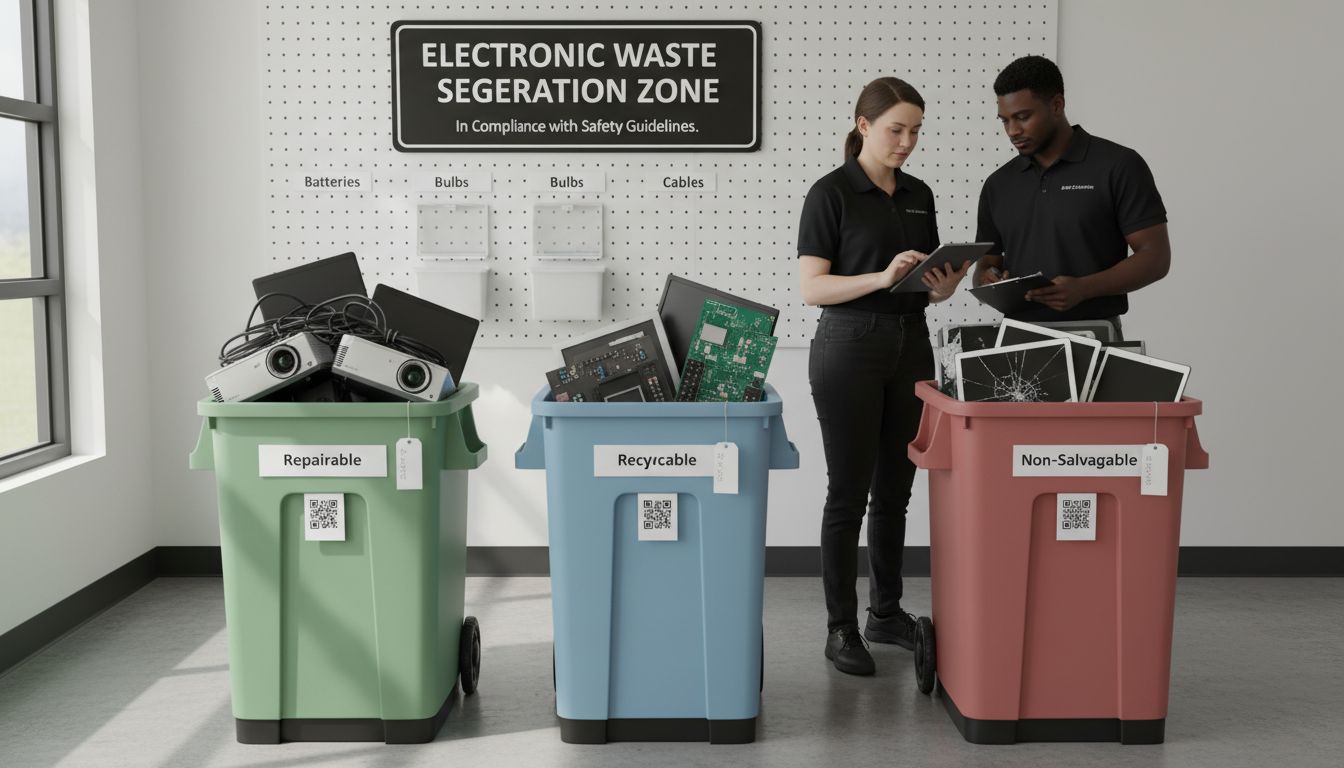
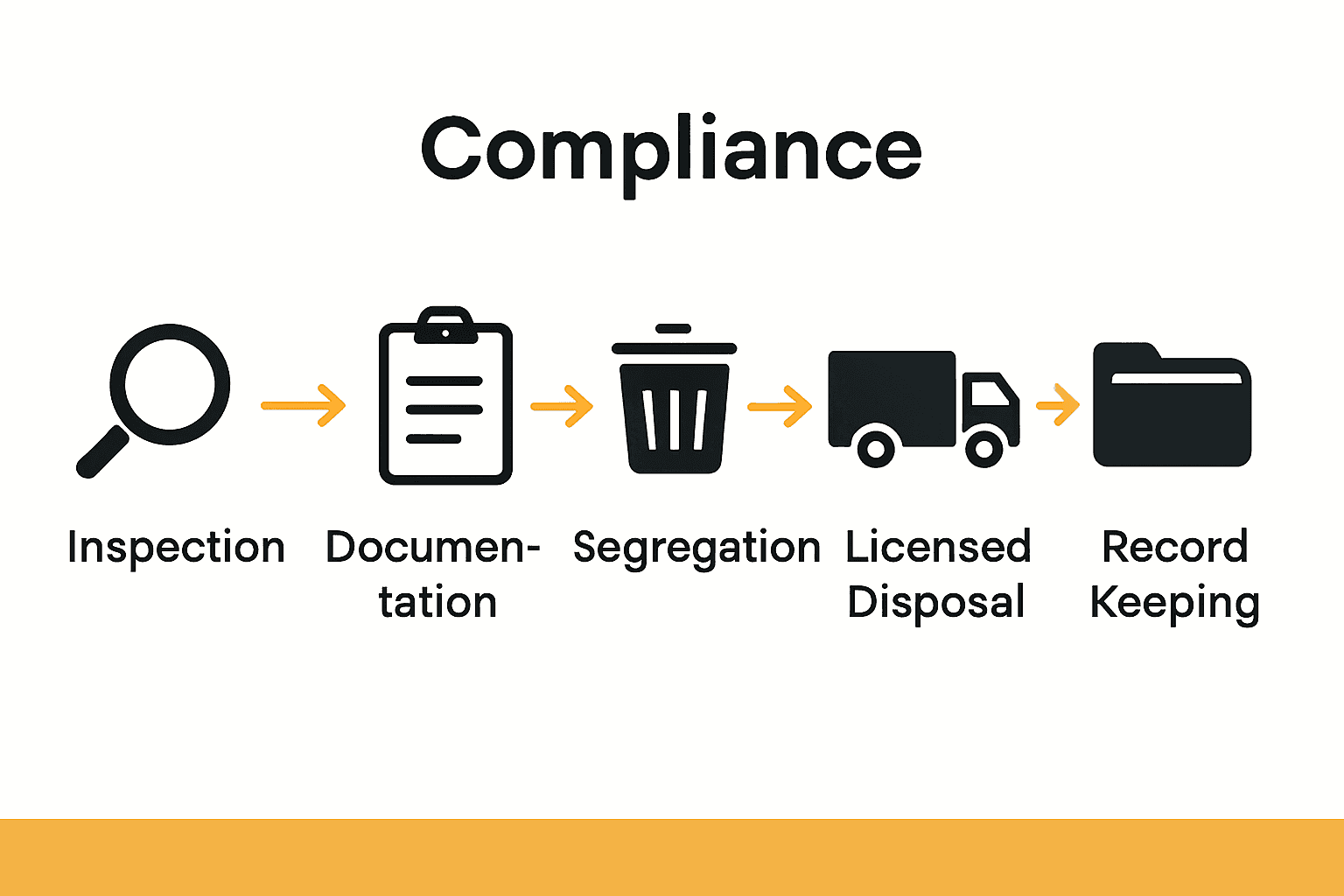
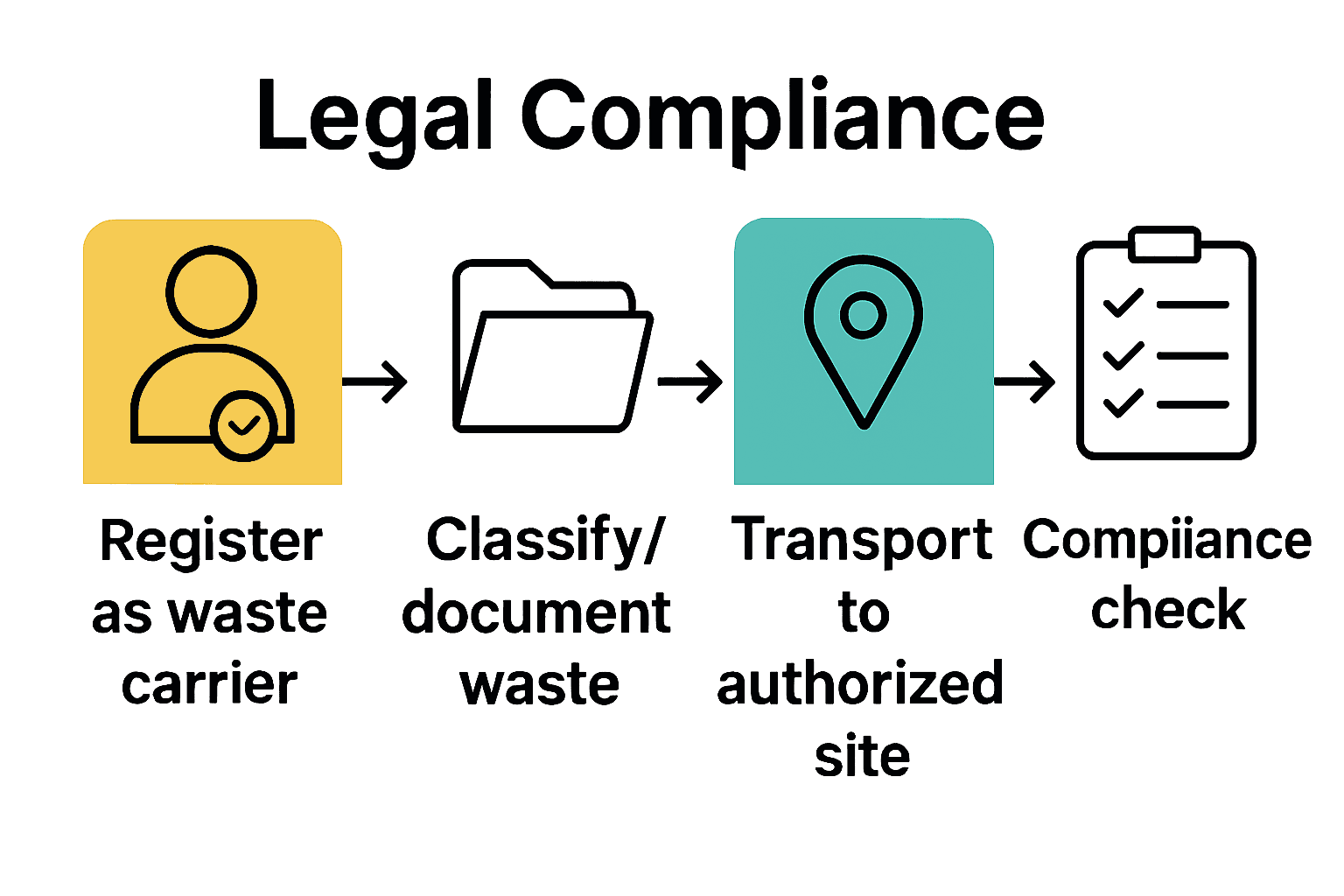
UK business waste segregation

Why Segregate Waste: Complete Guide for UK Businesses

More than 200 million tonnes of waste are generated in the UK each year, yet a large share ends up in the wrong place due to poor segregation. For businesses, understanding how to separate waste goes beyond ticking a compliance box. It opens the door to lower costs, fewer penalties, and environmental gains that matter. This article sheds light on how smart waste segregation turns a routine task into a strategic win for both company and planet.

Table of Contents

Key Takeaways

Point Details
Waste Segregation is Essential Systematically separating waste types drives efficient recycling, lowers landfill use, and supports a circular economy.
Legal Compliance is Crucial Adhering to UK waste regulations is necessary to avoid penalties and protect the environment.
Environmental and Financial Benefits Proper waste management reduces costs and creates revenue opportunities from recyclables while minimizing ecological harm.
Addressing Challenges is Key Investing in staff training and upgrading infrastructure can help overcome operational obstacles to effective waste segregation.

Understanding Waste Segregation and Its Purpose

Waste segregation represents a critical strategy for businesses committed to responsible environmental management. According to the gov.uk 2021 report, proper waste management isn’t just an operational task – it’s a fundamental approach to reducing environmental harm and supporting sustainable economic growth.

At its core, waste segregation involves systematically separating different types of waste at the point of generation. This process allows for more efficient recycling, reduces contamination, and minimises the volume of waste sent to landfills. By implementing robust segregation practices, businesses can significantly decrease their environmental footprint while potentially reducing waste disposal costs.

The key objectives of waste segregation include:

  • Maximising recycling potential
  • Reducing landfill waste
  • Preventing hazardous materials from contaminating recyclable streams
  • Supporting the principles of a circular economy

As WRAP highlights, effective waste segregation is not just an environmental imperative but a strategic business decision. Companies that invest in comprehensive waste management systems demonstrate corporate responsibility, potentially improving their brand reputation and reducing long-term operational costs. This approach transforms waste from a disposal challenge into a resource optimization opportunity, particularly for businesses in industrial regions like Newcastle, Durham, and Sunderland where manufacturing and logistics play significant economic roles.

By understanding and implementing comprehensive waste segregation strategies, businesses can contribute meaningfully to national sustainability goals while simultaneously improving their own operational efficiency. Improving Waste Segregation: A Step-by-Step Guide provides additional insights for companies looking to enhance their waste management practices.

Key Waste Categories and Distinctions

Understanding the nuanced landscape of waste categories is fundamental for businesses seeking effective waste management strategies. According to the gov.uk 2021 report, waste can be categorized into several critical classifications that demand distinct handling approaches.

Waste Categories typically include:

  • General Waste: Non-hazardous materials suitable for standard disposal
  • Recyclable Waste: Materials that can be processed and reused
  • Hazardous Waste: Materials posing potential environmental or health risks
  • Organic Waste: Biodegradable materials from biological sources

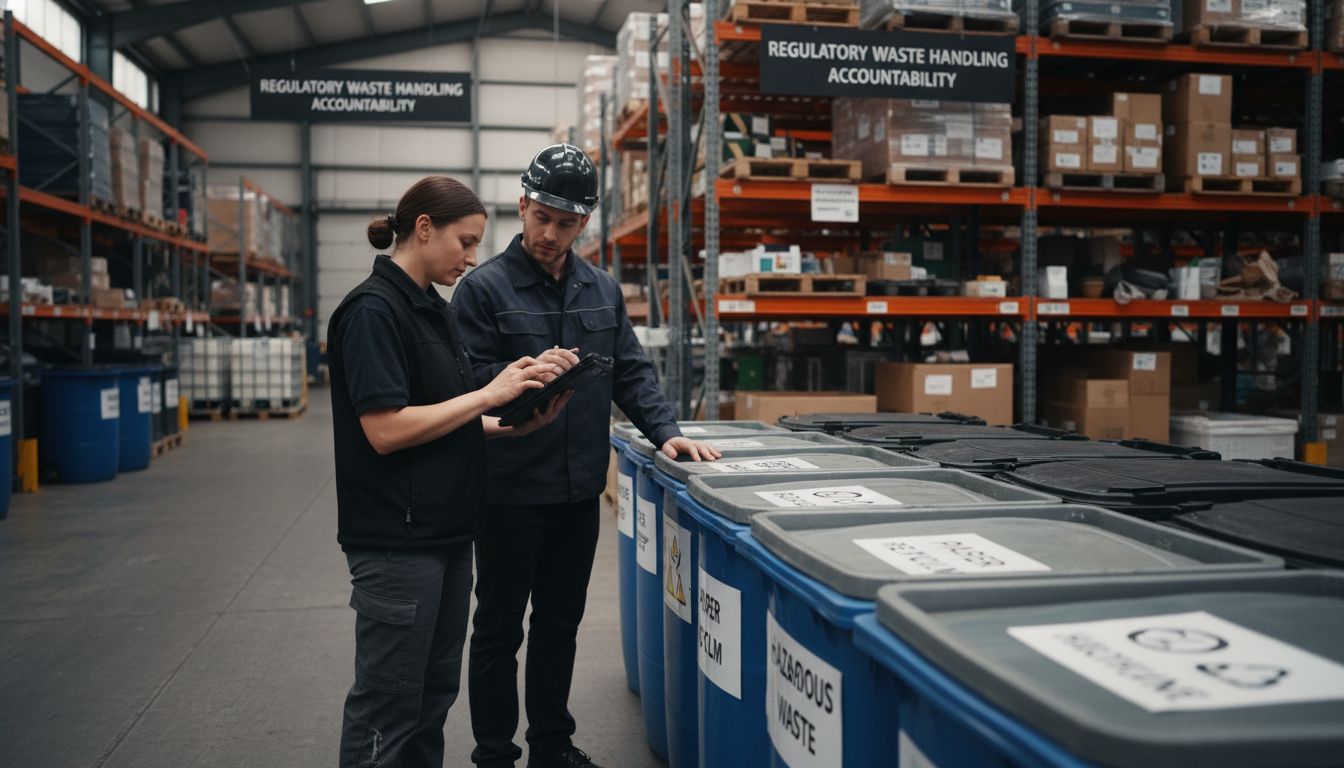
As WRAP highlights, businesses must develop sophisticated waste stream management strategies. Different waste types require unique disposal methods to minimise environmental impact and maximise resource efficiency. For instance, hazardous waste like chemical residues, electronic equipment, and batteries cannot be mixed with general waste and demand specialised treatment.

Businesses operating in industrial regions such as Newcastle, Sunderland, and Durham must be particularly vigilant about waste categorisation. Incorrect waste segregation can result in significant environmental penalties and potential legal complications. Hazardous Waste Regulations UK 2025: Essential Guide for Businesses provides comprehensive insights into navigating these complex regulatory landscapes.

Effective waste management begins with precise identification and segregation.
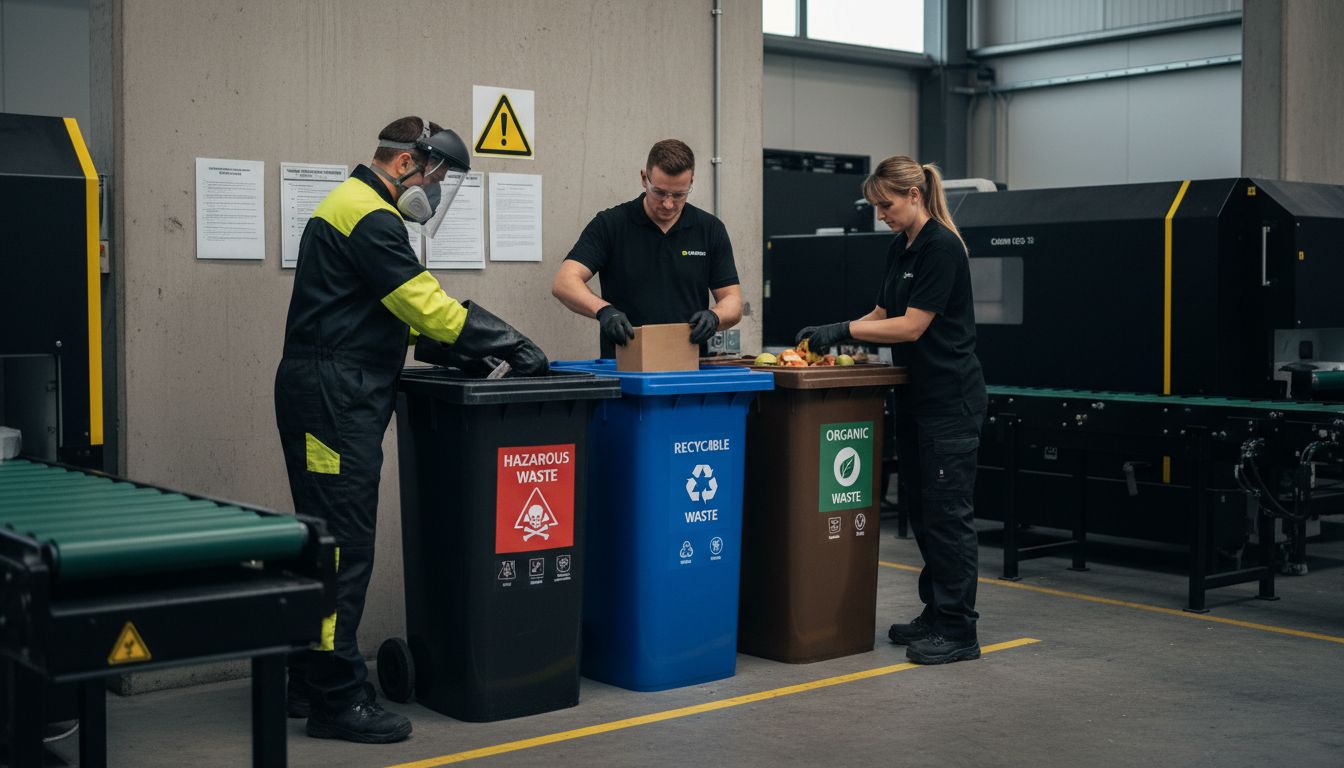
industrial waste sorting UK By understanding these key waste categories, businesses can transform waste from an environmental challenge into an opportunity for sustainable practice, reducing disposal costs and contributing to broader circular economy objectives.
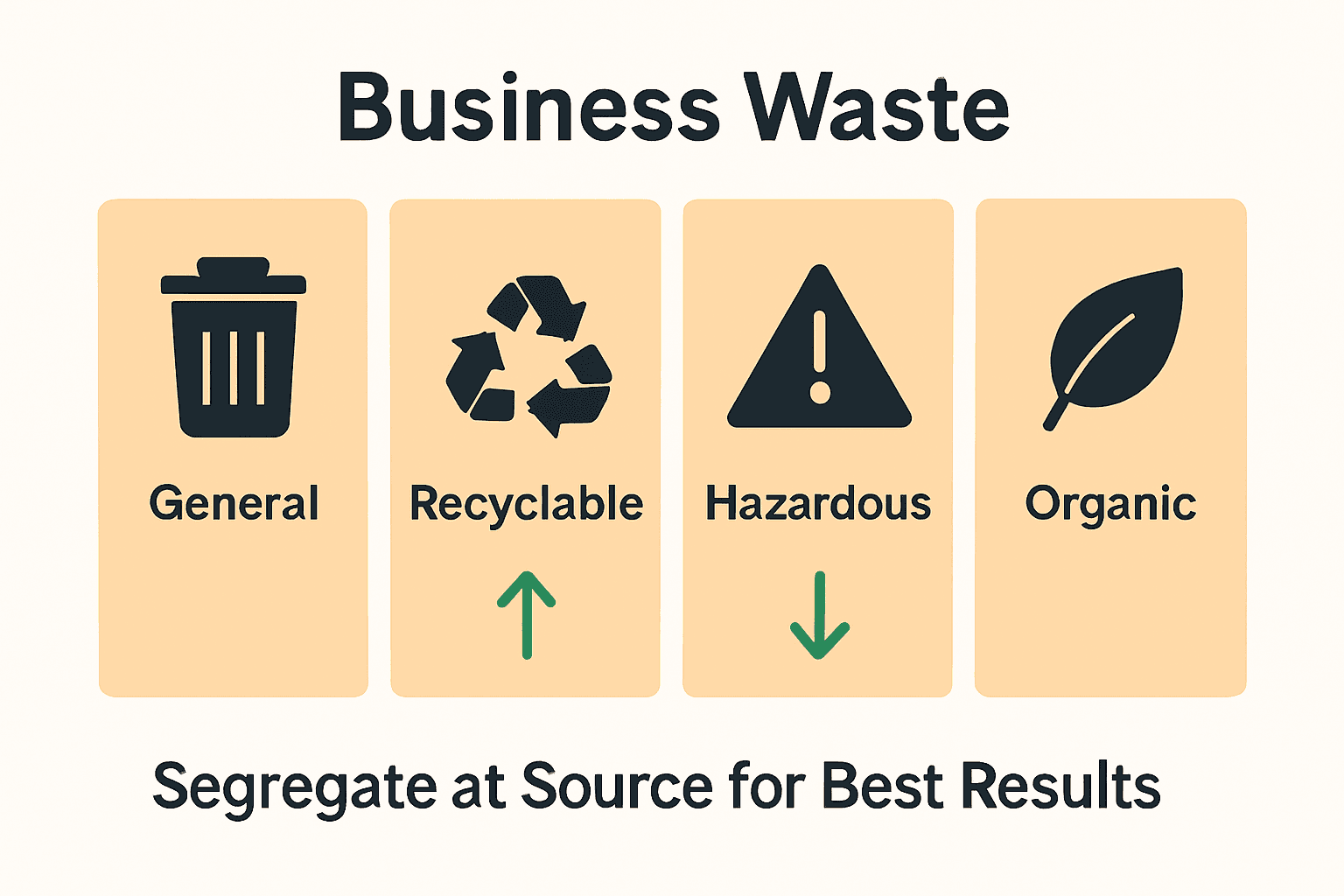
Infographic comparing general, recyclable, hazardous, and organic business waste categories with icons and disposal methods.

Businesses across the United Kingdom face increasingly stringent legal obligations regarding waste management and segregation. According to the gov.uk 2021 report, companies must comply with the Waste Framework Directive and Landfill Directive, which establish comprehensive guidelines for responsible waste handling.

Key legal requirements for businesses include:

  • Mandatory waste separation at source
  • Proper documentation of waste streams
  • Compliance with specific disposal regulations
  • Regular waste audits and reporting
  • Prevention of cross-contamination between waste categories

The Local Government Association emphasizes that upcoming waste reforms will further tighten regulatory frameworks. Businesses in industrial regions like Newcastle, Durham, and Sunderland must be particularly proactive in understanding and implementing these legal standards. Non-compliance can result in substantial financial penalties and potential legal consequences.

Navigating these complex regulations requires a systematic approach to waste management. Companies must develop robust internal processes that ensure complete adherence to national waste separation guidelines. Waste Disposal Legal Requirements UK 2025: What Businesses Must Know provides comprehensive insights into the evolving legal landscape, helping businesses stay ahead of regulatory changes and minimize potential risks.

Ultimately, legal compliance in waste separation is not just about avoiding penalties. It represents a critical commitment to environmental sustainability, resource conservation, and responsible business practices. By understanding and implementing these legal requirements, businesses can contribute positively to the UK’s broader environmental goals while protecting themselves from potential regulatory challenges.

Environmental and Financial Benefits of Segregation

Waste segregation represents a strategic approach that delivers substantial environmental and financial advantages for businesses. According to the gov.uk 2021 report, proper waste management can simultaneously reduce environmental harm and generate significant economic opportunities.

Environmental Benefits include:

  • Reduced landfill waste
  • Lower greenhouse gas emissions
  • Conservation of natural resources
  • Minimised ecological disruption
  • Enhanced biodiversity protection

WRAP highlights that businesses implementing comprehensive waste segregation strategies can achieve remarkable resource efficiency. For companies in industrial regions like Newcastle, Durham, and Sunderland, these practices translate into tangible environmental contributions while simultaneously creating potential revenue streams from recyclable materials.

Financially, waste segregation offers multiple advantages. Businesses can reduce disposal costs, generate income from recycled materials, and potentially qualify for environmental incentives. Proper sorting minimises waste management expenses and creates opportunities for resource recovery. Understanding the Importance of Waste Segregation provides deeper insights into these economic and environmental strategies.

Ultimately, waste segregation is not just an environmental responsibility but a smart business strategy. By transforming waste from a cost centre into a potential revenue source, companies can simultaneously demonstrate corporate social responsibility and improve their bottom line. The interconnected environmental and financial benefits make waste segregation a crucial practice for forward-thinking businesses committed to sustainable growth.

Common Challenges and How to Overcome Them

Businesses implementing waste segregation strategies frequently encounter complex operational challenges that require strategic solutions. The Local Government Association highlights that these obstacles often stem from infrastructural limitations and increased operational complexities.

Key Challenges in Waste Segregation include:

  • Limited staff understanding of waste categorisation
  • Insufficient segregation infrastructure
  • Higher initial implementation costs
  • Complex regulatory compliance requirements
  • Logistical coordination difficulties

WRAP recommends comprehensive approaches to addressing these challenges. For businesses in industrial regions like Newcastle, Durham, and Sunderland, this means investing in targeted staff training, upgrading waste management systems, and developing clear internal protocols. Educational programs can significantly enhance employee awareness and commitment to effective waste segregation practices.

Practical strategies for overcoming these challenges involve a multi-faceted approach. Companies should consider implementing robust training programs, investing in clear signage and colour-coded waste bins, and developing systematic waste audit processes. Technology can play a crucial role, with digital tracking systems helping monitor waste streams and identify potential improvements. General Waste vs Recycling: Business Guide for 2025 offers additional insights into navigating these complex waste management landscapes.

Successful waste segregation is not about perfection but consistent improvement. By recognising challenges as opportunities for innovation, businesses can transform waste management from a compliance requirement into a strategic advantage. Continuous learning, investment in infrastructure, and a commitment to employee education are the cornerstones of effective waste segregation strategies.

Take Control of Your Waste Segregation with Venture Waste Management

Proper waste segregation is essential for legal compliance and environmental responsibility. This article highlights the challenges businesses face in sorting general waste, hazardous materials, and recyclables efficiently. At Venture Waste, we understand these pain points and offer tailored solutions that simplify waste segregation for UK businesses. From reliable general waste collection to specialised hazardous waste handling, our services align perfectly with your goals to reduce environmental impact and avoid costly penalties.
https://venturewaste.co.uk

Ready to transform your waste management strategy? Discover how our Waste Collection Process in the UK for Businesses 2025 and How the Waste Collection Network in UK Serves Businesses in 2025 ensure seamless, compliant waste collection tailored to your needs. Visit Venture Waste Management today to make waste segregation easier, compliant and more cost-effective for your business. Act now to benefit your business and the environment.

Frequently Asked Questions

What is waste segregation and why is it important?

Waste segregation is the process of separating different types of waste at the point of generation. It is important because it maximizes recycling potential, reduces landfill waste, prevents contamination, and supports a circular economy.

What are the main categories of waste?

The main categories of waste include General Waste (non-hazardous), Recyclable Waste (materials that can be reused), Hazardous Waste (materials that pose health or environmental risks), and Organic Waste (biodegradable materials).

Businesses must follow the Waste Framework Directive and Landfill Directive, which include mandatory waste separation at source, proper documentation of waste streams, compliance with disposal regulations, and conducting regular waste audits.

What are the environmental and financial benefits of waste segregation?

The environmental benefits of waste segregation include reduced landfill waste, lower greenhouse gas emissions, and conservation of natural resources. Financially, it can reduce disposal costs, generate income from recycled materials, and potentially qualify businesses for environmental incentives.

waste management consultation

Waste Management Consultation: Complete UK Guide

Every year, UK businesses generate over 40 million tonnes of commercial waste, putting tremendous pressure on compliance and sustainability efforts. The reality is that handling waste responsibly goes far beyond meeting legal requirements. Companies that understand and invest in tailored waste management consultation can unlock significant cost savings, strengthen their environmental credentials, and avoid hefty penalties. This guide sheds light on the expertise and benefits that professional consultation brings to the waste management process.

Table of Contents

Key Takeaways

Point Details
Importance of Waste Management Consultation Engaging professional consultants helps businesses optimize waste handling, ensuring regulatory compliance and contributing to sustainability goals.
Types of Consultation Services Services range from environmental compliance assessments to waste reduction strategy development, tailored to specific industry needs.
Legal Obligations Businesses must adhere to regulations regarding waste classification, documentation, and recycling to avoid penalties and promote responsible practices.
Cost Management Proactive waste management can reduce unexpected disposal costs and enhance efficiency, turning waste handling from a liability into a value-generating process.

Understanding Waste Management Consultation

Waste management consultation represents a critical strategic process for businesses seeking comprehensive waste disposal solutions in the UK. As defined by gov.uk, these consultations provide essential insights into current waste management policies, regulatory requirements, and sustainable practices that help organisations optimise their waste handling strategies.

At its core, waste management consultation involves expert professionals working closely with businesses to analyse their current waste generation, identify potential improvements, and develop tailored disposal strategies. According to research from academic.oup.com, this process is fundamentally important for public health and plays a crucial role in developing effective waste regulation approaches.

The consultation typically encompasses several key components that businesses should expect:

waste audit process

  • Comprehensive waste auditing
  • Detailed environmental impact assessment
  • Regulatory compliance review
  • Cost-effective disposal recommendations
  • Sustainable waste reduction strategies

Businesses across various sectors in the UK, from manufacturing facilities in Newcastle to retail outlets in Manchester, can benefit significantly from professional waste management consultation. By engaging with expert consultants, organisations can not only ensure legal compliance but also contribute to broader environmental sustainability goals.

Understanding the Waste Management Industry Overview provides additional context for businesses looking to dive deeper into strategic waste management approaches.

Types of Waste Management Consultation Services

Waste management consultation services have evolved to address the complex needs of businesses across the United Kingdom, offering specialised approaches tailored to different industry requirements. As outlined by gov.uk, these services encompass a range of strategic interventions designed to help organisations manage their waste more effectively and sustainably.

The primary types of waste management consultation services include:

  • Environmental Compliance Consultation
  • Waste Reduction Strategy Development
  • Regulatory Compliance Assessment
  • Sustainability Performance Evaluation
  • Industrial Waste Management Planning

Waste Management Step by Step: A Guide for UK Businesses 2025 highlights the collaborative nature of these services, where consultants work closely with businesses to understand their unique waste generation patterns and develop targeted solutions.

Research from rrfw.org.uk emphasises the importance of collaborative consultation approaches, particularly in developing shared visions between government, businesses, and academic institutions. These consultations are not just about waste disposal but about creating holistic, sustainable waste management strategies that benefit both individual organisations and the broader environmental ecosystem.

Businesses across the North East of England, from manufacturing facilities in Newcastle to logistics companies in Sunderland, can leverage these comprehensive consultation services to not only meet legal requirements but also drive operational efficiency and environmental responsibility.

Waste management in the United Kingdom is governed by a complex framework of legal and regulatory requirements designed to protect public health and the environment. According to research from academic.oup.com, the development of waste regulation has been a critical process in ensuring responsible waste disposal and management across various industries.

Key legal obligations for businesses include:

  • Proper waste classification and segregation
  • Maintaining accurate waste transfer documentation
  • Adhering to specific disposal protocols for different waste types
  • Ensuring licensed waste carriers handle commercial waste
  • Implementing waste reduction and recycling strategies

Waste Disposal Legal Requirements UK 2025 provides comprehensive guidance on navigating these complex regulatory landscapes. As outlined by gov.uk, the Waste Management Plan for England reflects a strategic approach to resource management, emphasising the importance of businesses understanding and complying with current waste disposal regulations.

Businesses operating in regions like Newcastle, Manchester, and Birmingham must be particularly vigilant about their waste management practices. Non-compliance can result in significant financial penalties, legal challenges, and potential environmental harm. The regulatory framework is designed not just as a punitive measure, but as a collaborative approach to promoting sustainable waste management practices across various sectors, from manufacturing and construction to retail and healthcare.

Understanding these legal requirements is crucial for businesses seeking to maintain their reputation, avoid potential fines, and contribute to the UK’s broader environmental sustainability goals. Proactive engagement with waste management regulations demonstrates a commitment to responsible business practices and environmental stewardship.

Process and Benefits for Commercial Clients

Waste management consultation for commercial clients represents a strategic approach to transforming waste handling from a routine operational task to a value-driven business opportunity. As outlined by gov.uk, the process involves a comprehensive assessment of a company’s existing waste management practices to identify potential improvements and sustainable solutions.

The typical consultation process for commercial clients involves several key stages:

  1. Initial Waste Audit
    • Comprehensive assessment of current waste generation
    • Detailed analysis of waste streams
    • Identification of potential reduction opportunities
  2. Strategic Development
    • Customised waste management strategy
    • Cost-effective disposal recommendations
    • Sustainability planning
  3. Implementation and Monitoring
    • Practical strategy rollout
    • Ongoing performance tracking
    • Continuous improvement mechanisms

Research from rrfw.org.uk highlights the collaborative nature of these processes, emphasising how businesses can align their waste management practices with broader resource recovery goals.

The primary benefits for commercial clients extend far beyond mere regulatory compliance.

INFOGRAPHIC:infographic_content] Businesses in industrial hubs like Newcastle, Manchester, and Birmingham can expect significant advantages, including reduced waste disposal costs, improved environmental credentials, enhanced corporate social responsibility, and potential new revenue streams through innovative waste recycling and recovery strategies. [Waste Disposal Legal Requirements UK 2025 provides additional insights into how these strategic approaches can transform waste from a cost centre to a potential value generator for forward-thinking organisations.

Cost Considerations and Common Pitfalls

Navigating the financial landscape of waste management consultation requires a strategic approach that balances cost-effectiveness with comprehensive waste solutions. According to gov.uk, businesses must carefully assess their waste management infrastructure to avoid potential financial pitfalls and inefficiencies.

Common cost-related challenges for businesses include:

  • Unexpected disposal expenses
  • Inefficient waste segregation processes
  • Lack of comprehensive waste auditing
  • Overlooking recycling and recovery opportunities
  • Inadequate staff training on waste management

Research from rrfw.org.uk emphasises the critical importance of collaborative approaches to mitigate these financial risks. Businesses in industrial centres like Newcastle and Manchester often encounter significant unexpected costs when they fail to implement a comprehensive waste management strategy.

Waste Disposal Fines UK 2025 provides crucial insights into the potential financial penalties businesses may face for non-compliance. The most significant pitfalls typically stem from:

  1. Inadequate Waste Tracking
    • Poor documentation of waste streams
    • Incomplete waste transfer records
    • Lack of systematic waste monitoring
  2. Compliance Oversights
    • Failing to meet regulatory requirements
    • Improper hazardous waste handling
    • Neglecting environmental protection standards

Ultimately, proactive waste management consultation can transform these potential financial risks into opportunities for cost savings, operational efficiency, and sustainable business practices. By investing in comprehensive waste management strategies, businesses can avoid costly penalties, reduce waste disposal expenses, and demonstrate their commitment to environmental responsibility.

Transform Your Waste Management Strategy with Expert Consultation

Managing waste effectively is not just about compliance it is about turning challenges such as regulatory complexity, unexpected disposal costs, and sustainability goals into clear, manageable solutions. The article highlights how waste management consultation can help businesses identify waste reduction opportunities, ensure legal compliance, and develop sustainable strategies that safeguard both the environment and your bottom line.

If navigating the UK’s waste regulation landscape feels overwhelming, our comprehensive insight into regulation Archives – Venture Waste offers vital knowledge to keep you informed. Combining expert advice with practical services from Venture Waste means you can benefit from a streamlined process designed to meet your unique business needs.

https://venturewaste.co.uk

Take action today with Venture Waste Management and experience the difference of tailored waste solutions. Whether you need general waste collection, hazardous waste handling, or recycling services, we bring simplicity and compliance together for your peace of mind. Start your journey to efficient waste management now by visiting our website and learn how How the Waste Collection Network in UK Serves Businesses in 2025 – Venture Waste can support your operational goals.

Frequently Asked Questions

What is waste management consultation?

Waste management consultation involves expert professionals working with businesses to analyze current waste generation, identify improvements, and develop tailored disposal strategies to optimize waste handling and ensure regulatory compliance.

What services are included in waste management consultation?

Common services include environmental compliance consultation, waste reduction strategy development, regulatory compliance assessment, sustainability performance evaluation, and industrial waste management planning.

Understanding legal and regulatory requirements is crucial to ensure proper waste classification, maintain accurate documentation, adhere to disposal protocols, and implement waste reduction strategies, thus avoiding penalties and contributing to environmental sustainability.

What are the benefits of engaging in waste management consultation for businesses?

The benefits include reduced waste disposal costs, improved environmental credentials, enhanced corporate social responsibility, and potential new revenue streams through innovative waste recycling and recovery strategies.

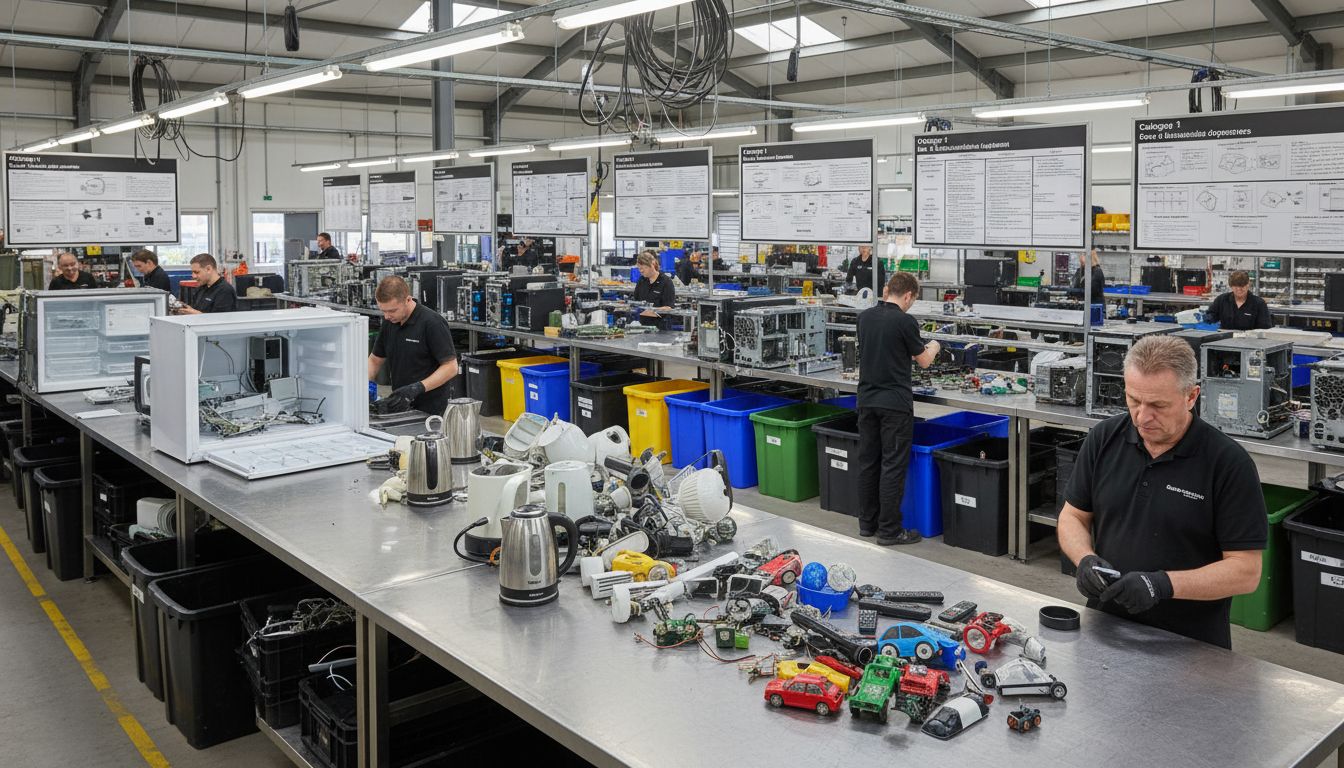
WEEE recycling process

Complete Guide to Responsible WEEE Recycling UK

Every year, the world generates over 50 million tonnes of electronic waste, but only a fraction gets recycled properly. As our dependence on electronic devices grows, so does the challenge of managing outdated equipment without harming the environment. Learning what counts as responsible WEEE recycling empowers businesses to protect the planet, stay compliant with strict UK regulations, and discover new value in equipment they no longer use.

Table of Contents

Key Takeaways

Point Details
Responsible WEEE Recycling Practices Involves comprehensive assessment, secure collection, and certified processing to ensure legal compliance and environmental protection.
Understanding WEEE Categories Essential for proper waste segregation and compliance, focusing on ten distinct categories of electronic waste.
Legal Obligations and Compliance Businesses must adhere to strict waste management regulations, ensuring proper documentation and environmentally responsible practices.
Economic Benefits Effective WEEE recycling can reduce costs, generate revenue from materials, and enhance corporate reputation, positioning it as a strategic business investment.

Defining Responsible WEEE Recycling Practices

Responsible WEEE recycling represents a comprehensive approach to managing electrical and electronic waste that prioritizes environmental protection, legal compliance, and sustainable resource management. According to gov.uk guidance, the UK has established clear regulatory frameworks to ensure businesses and consumers handle electronic waste with precision and care.

At its core, responsible WEEE recycling involves several critical practices that go beyond simple disposal. These practices include comprehensive waste assessment, secure collection, environmentally certified processing, and data protection. Businesses must systematically identify all electronic equipment reaching end-of-life status, categorize them according to regulatory standards, and ensure they are processed through authorized recycling channels that meet stringent environmental regulations.

The key components of responsible WEEE recycling encompass multiple strategic elements:

  • Detailed inventory management of electronic assets
  • Secure data destruction for devices containing sensitive information
  • Tracking and documenting the entire waste disposal journey
  • Partnering with certified recycling facilities
  • Minimizing environmental contamination through proper processing techniques

For businesses in regions like Newcastle, Durham, and Sunderland, implementing these practices isn’t just about regulatory compliance—it’s about demonstrating corporate responsibility and environmental stewardship. Choosing a reputable WEEE waste disposal company becomes crucial in ensuring that electronic waste is managed safely, securely, and in alignment with the UK’s strict environmental standards.

WEEE Categories and Common Waste Types

WEEE waste represents a complex ecosystem of electronic and electrical equipment that requires systematic categorization and specialized disposal strategies. According to gov.uk guidance, the UK has developed a comprehensive classification system that divides electronic waste into ten distinct categories, each with unique handling and recycling requirements.

These ten categories encompass a wide range of electronic equipment found in both residential and commercial settings. As detailed by CIWM, the categories include:

  • Large household appliances (refrigerators, washing machines)
  • Small household appliances (toasters, coffee makers)
  • IT and telecommunications equipment (computers, mobile phones)
  • Consumer electronics (televisions, gaming consoles)
  • Lighting equipment (fluorescent tubes, LED fixtures)
  • Electrical and electronic tools (drills, electric saws)
  • Toys and leisure equipment (electronic games, sports devices)
  • Medical devices (diagnostic machines, monitoring equipment)
  • Monitoring and control instruments (smoke detectors, thermostats)
  • Automatic dispensers (vending machines, ticket dispensers)

Businesses in North East regions like Newcastle and Durham must understand these categories to ensure proper waste segregation and compliance.

WEEE waste types Understanding what constitutes WEEE waste is crucial for developing effective waste management strategies that protect both environmental and corporate interests.

WEEE regulations in the United Kingdom establish a comprehensive legal framework that mandates strict responsibilities for businesses handling electronic and electrical waste. According to gov.uk guidance, these regulations create a structured approach to minimize environmental impact and ensure responsible waste management across various industry sectors.

The legal obligations for businesses handling WEEE are multifaceted and encompass several critical requirements:

  • Proper waste segregation and categorization
  • Maintaining detailed documentation of electronic waste disposal
  • Ensuring all waste is processed through authorized recycling channels
  • Protecting sensitive data during equipment disposal
  • Implementing environmentally responsible recycling practices
  • Complying with national and European waste management standards

For businesses in North East England, including those in Newcastle, Durham, and Sunderland, understanding these legal requirements is not just about avoiding penalties. Navigating waste disposal legal requirements represents a fundamental aspect of corporate environmental responsibility. Companies must develop comprehensive waste management strategies that align with UK regulations, demonstrating commitment to sustainable practices and legal compliance while protecting both their operational interests and the broader environmental ecosystem.

Environmental and Carbon Impact of WEEE Recycling

Electronic waste recycling represents a critical strategy for mitigating environmental degradation and reducing carbon emissions associated with discarded electrical and electronic equipment. According to gov.uk guidance, the UK’s regulatory framework aims to enforce comprehensive practices that conserve resources and minimise the ecological footprint of electronic waste disposal.

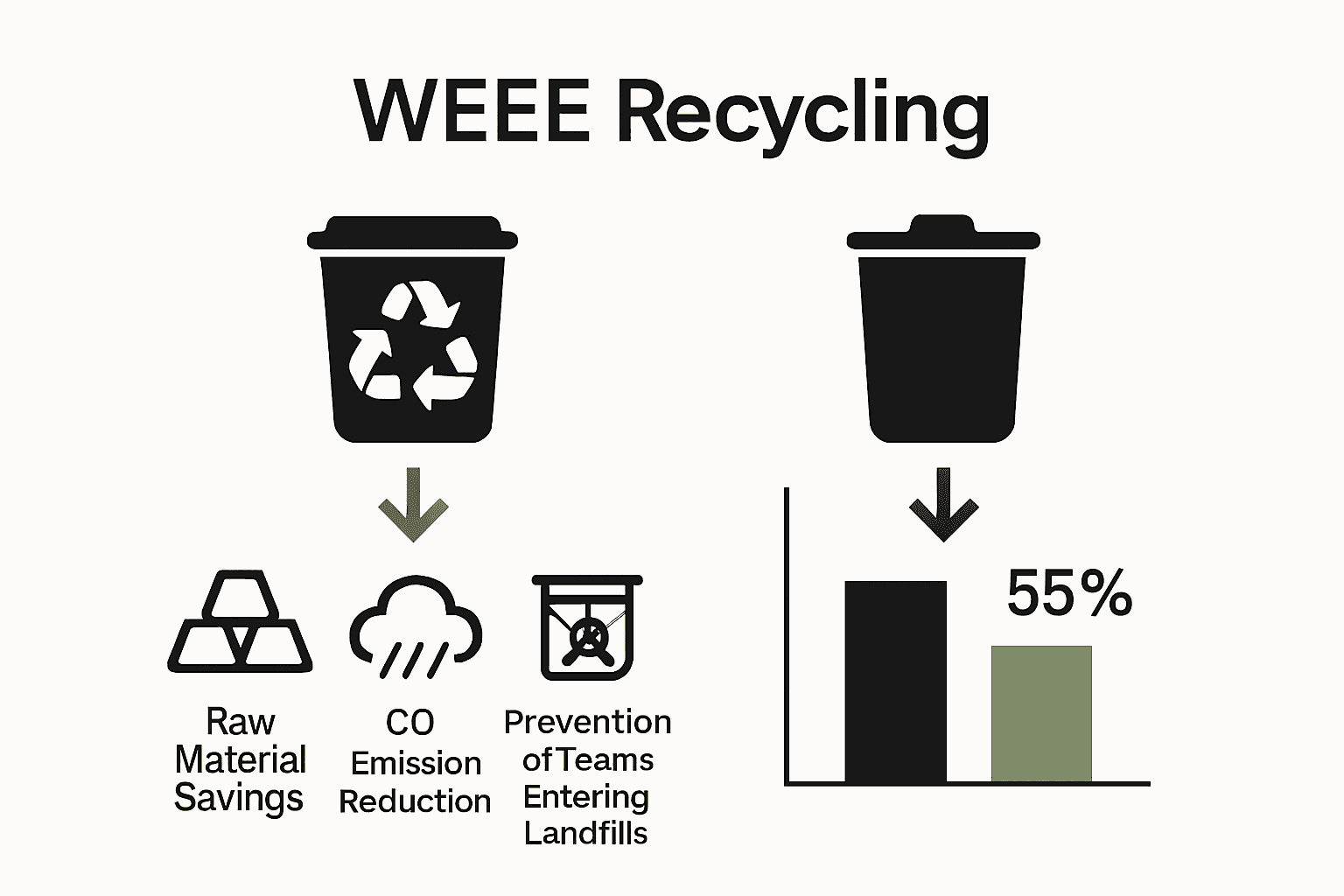
The environmental benefits of responsible WEEE recycling are substantial and multifaceted:

  • Reduction of raw material extraction
  • Significant decrease in greenhouse gas emissions
  • Prevention of toxic materials entering landfills
  • Conservation of energy required for new product manufacturing
  • Minimisation of electronic waste accumulation in global ecosystems
  • Preservation of natural resources through material recovery

Infographic comparing environmental benefits of responsible WEEE recycling versus improper disposal.

For businesses in North East England, particularly in industrial hubs like Newcastle, Durham, and Sunderland, understanding the carbon impact extends beyond regulatory compliance. Exploring the journey of WEEE recycling reveals how strategic waste management can transform environmental challenges into sustainable opportunities. By implementing robust recycling practices, companies can simultaneously reduce their carbon footprint, demonstrate corporate responsibility, and contribute to a more circular economic model that prioritises resource efficiency and environmental protection.

Business Benefits and Cost Considerations

Responsible WEEE recycling represents more than just an environmental obligation—it’s a strategic business opportunity with significant financial implications. According to gov.uk guidance, adhering to electronic waste regulations can generate tangible economic benefits for businesses through innovative waste management approaches.

The financial advantages of comprehensive WEEE recycling strategies include:

  • Reduced waste disposal costs
  • Potential revenue from recovered materials
  • Lower procurement expenses through resource recovery
  • Enhanced corporate reputation and brand value
  • Tax incentives for sustainable practices
  • Decreased long-term environmental compliance risks

For businesses across North East England, particularly in industrial centres like Newcastle, Durham, and Sunderland, understanding these economic dynamics is crucial. Exploring waste reduction strategies for SMEs reveals that proactive WEEE management is not just an expense, but an investment in operational efficiency. By implementing sophisticated recycling processes, companies can transform potential waste management costs into opportunities for resource optimization, demonstrating that environmental responsibility and financial prudence can coexist harmoniously.

Make Responsible WEEE Recycling Simple and Effective for Your Business

Managing electrical waste responsibly is a challenge every business faces today. The article highlighted crucial points like legal compliance, secure data destruction, and environmental protection. If you find navigating complex WEEE categories or meeting UK regulations overwhelming, you are not alone. Many companies want to reduce their environmental impact but struggle with practical, reliable solutions. At Venture Waste Management, we understand these pain points and provide tailored services to turn responsible recycling into a seamless process.

Explore how WEEE Waste management services can simplify your operations while ensuring compliance and sustainability.

https://venturewaste.co.uk

Take control now by partnering with Venture Waste. Our straightforward booking process and expert support ensure your electronic waste is handled with care from start to finish. Visit Venture Waste Management and discover how our reliable network can support your responsible waste disposal goals. Learn more about how our waste collection network is designed to serve businesses across the UK efficiently and compliantly.

Frequently Asked Questions

What are the key components of responsible WEEE recycling?

Responsible WEEE recycling includes detailed inventory management, secure data destruction, tracking and documentation of waste disposal, partnering with certified recycling facilities, and minimizing environmental contamination through proper processing techniques.

What categories of WEEE waste exist and how are they classified?

WEEE waste is classified into ten categories, including large household appliances, small household appliances, IT and telecommunications equipment, consumer electronics, lighting equipment, electrical tools, toys and leisure equipment, medical devices, monitoring instruments, and automatic dispensers. Each category has specific handling and recycling requirements.

Businesses must segregate and categorize WEEE properly, maintain detailed documentation of waste disposal, process all waste through authorized recycling channels, protect sensitive data during disposal, and comply with national and European waste management standards.

How does responsible WEEE recycling impact the environment?

Responsible WEEE recycling reduces raw material extraction, significantly decreases greenhouse gas emissions, prevents toxic materials from entering landfills, conserves energy needed for manufacturing, and minimizes electronic waste accumulation in ecosystems.

office weee disposal

What Counts as Waste Electrical Equipment? UK Guide

Over 2 million tonnes of electrical and electronic waste are generated in the UK each year, forcing businesses to rethink how they handle outdated or broken devices. The rapid spread of technology means everything from kettles to servers can quickly become waste, yet many companies struggle to identify what really counts as WEEE. Understanding these definitions and obligations gives businesses a stronger foundation for legal compliance and safer, more sustainable waste management.

Table of Contents

Key Takeaways

Point Details
Definition of WEEE Waste Electrical and Electronic Equipment (WEEE) is defined as any discarded electrical or electronic equipment, regardless of its condition. This includes a broad range of items beyond just computers and mobile devices.
Categories of WEEE Businesses must recognize the categories of WEEE, including large household appliances, IT equipment, and medical devices, each with specific disposal requirements.
Regulatory Compliance Companies are required to comply with WEEE regulations, including responsibilities for financing waste management and maintaining proper waste tracking procedures.
Safety Responsibilities Effective WEEE disposal demands operational safety protocols, including risk assessments and staff training to manage hazardous materials responsibly.

Defining Waste Electrical Equipment (WEEE) in the UK

When it comes to waste management, understanding what constitutes Waste Electrical and Electronic Equipment (WEEE) is crucial for businesses across the UK. According to the UK government, WEEE encompasses any electrical or electronic equipment that has been discarded, including all components, sub-assemblies, and consumables that are part of the product at the time of disposal.

This definition covers an incredibly broad range of items found in offices, factories, healthcare facilities, and other commercial environments. Think beyond just computers and mobile phones. WEEE includes everything from large industrial machinery to small kitchen appliances, electronic tools, medical devices, monitoring equipment, and even automated systems. The key characteristic is that these items require an electrical current or electromagnetic field to function properly.

To help businesses understand the scope, WEEE typically falls into several key categories:

  • Large Household Appliances: Refrigerators, washing machines, dishwashers
  • Small Household Appliances: Vacuum cleaners, toasters, coffee machines
  • IT and Telecommunications Equipment: Computers, printers, telephones

Businesses in regions like Newcastle, Durham, and Sunderland generating electronic waste must pay special attention to proper disposal. Learn more about WEEE waste in our comprehensive guide on WEEE waste for UK businesses, which provides detailed insights into classification and responsible management.

The critical aspect of WEEE classification is understanding that it’s not just about the item being broken or obsolete. Any electrical or electronic equipment that the owner intends to discard, sell, or recycle falls under this definition. This means businesses need robust systems to track, manage, and responsibly dispose of their electronic equipment throughout its entire lifecycle.

Main Types of WEEE Businesses Must Recognise

According to the Health and Safety Executive (HSE), businesses across the UK need to be aware of the comprehensive range of Waste Electrical and Electronic Equipment (WEEE) that requires specialized disposal. Understanding these categories is crucial for compliance and responsible waste management.

Major WEEE Categories Include:

  • Large Household Appliances: Refrigerators, washing machines, ovens, dishwashers, air conditioning units
  • IT and Telecommunications Equipment: Desktop computers, laptops, printers, servers, mobile phones
  • Display Devices: Televisions, computer monitors, digital screens
  • Cooling Appliances: Freezers, refrigeration units, air conditioning systems
  • Small Household Appliances: Kettles, toasters, vacuum cleaners, hair dryers
  • Electronic Tools: Power drills, electric saws, measuring equipment
  • Medical Devices: Electronic monitoring equipment, diagnostic machines
  • Electronic Toys and Entertainment Devices: Digital gaming systems, electronic learning toys

The UK government’s classification system further emphasizes that each of these categories has specific waste statuses and identification codes. This means businesses in Newcastle, Durham, and across the North East must not only recognize these types but also understand their unique disposal requirements.

For businesses seeking comprehensive guidance on managing these diverse WEEE types, our guide on WEEE waste collection provides secure disposal solutions tailored to different electronic equipment categories. The key is systematic identification, careful segregation, and partnering with certified waste management professionals who understand the nuanced requirements of electronic waste disposal.

Key Examples of WEEE Items Across Sectors

According to the Health and Safety Executive (HSE), Waste Electrical and Electronic Equipment (WEEE) spans multiple sectors, with each industry presenting unique electronic waste challenges. Understanding these sector-specific examples is crucial for businesses to implement effective waste management strategies.

Sector-Specific WEEE Examples

Office and Corporate Environments:

  • Desktop computers and laptops
  • Printers and multifunction devices
  • Network servers and telecommunications equipment
  • Office telephone systems
  • Electronic display screens and projectors
  • Backup power supplies and uninterruptible power systems (UPS)

Healthcare and Medical Facilities:

  • Diagnostic medical equipment
  • Electronic patient monitoring devices
  • X-ray machines and imaging systems
  • Laboratory testing equipment
  • Electronic medical record systems
  • Ultrasound and scanning devices

Manufacturing and Industrial Settings:

  • Automated machinery controls
  • Precision electronic measuring instruments
  • Robotic manufacturing equipment
  • Industrial cooling systems
  • Electronic safety monitoring devices
  • Programmable logic controllers (PLCs)

The UK government’s classification guidance emphasizes that each piece of electronic equipment, regardless of its complexity, requires specialized disposal procedures. Businesses in regions like Newcastle, Durham, and across the North East must carefully categorize and manage these diverse electronic waste items.

For comprehensive insights into managing these complex waste streams, our guide on WEEE waste disposal offers businesses practical solutions tailored to different sector requirements. The key is understanding that electronic waste is not just about discarding equipment, but about responsible environmental stewardship and potential resource recovery.

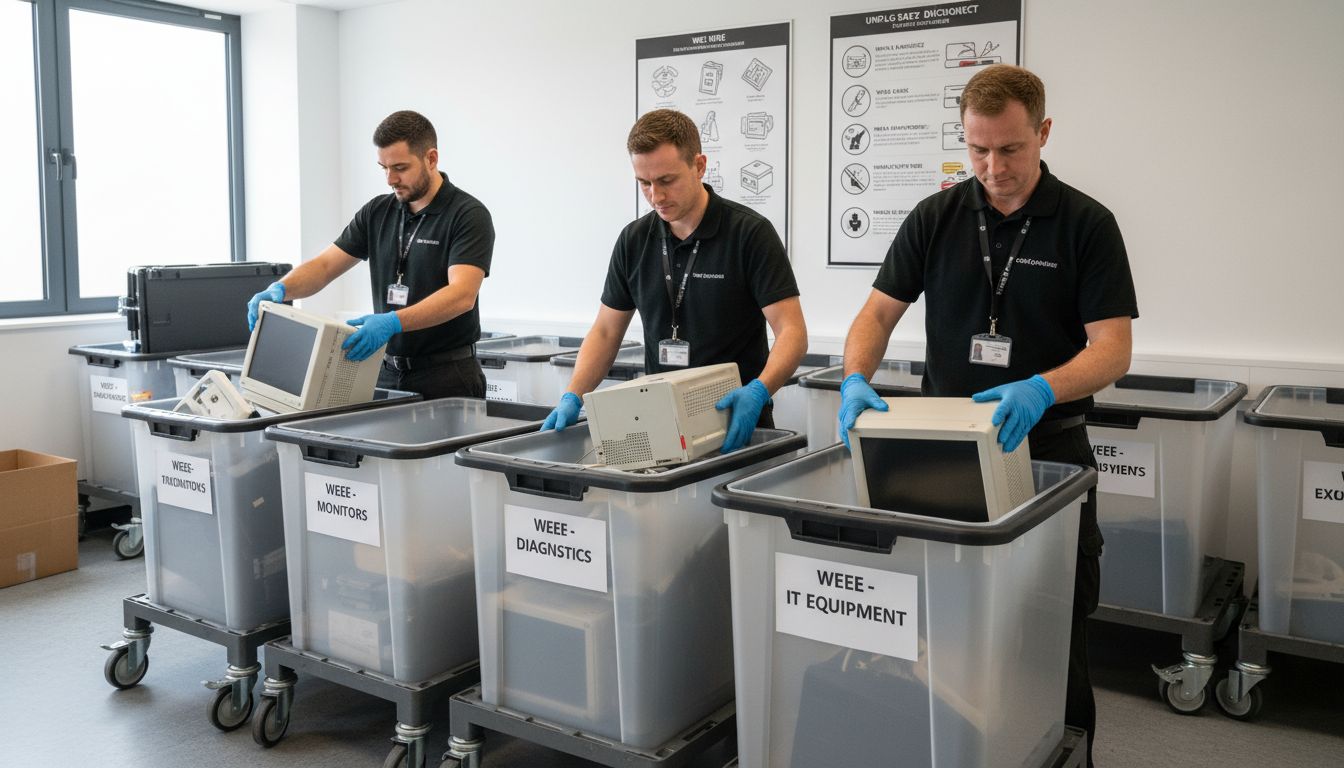
medical electronic waste

According to the UK government, Waste Electrical and Electronic Equipment (WEEE) Regulations represent a critical legal framework that places significant responsibilities on producers and distributors to manage electronic waste sustainably. These regulations are designed to minimize environmental impact and promote responsible waste management across various business sectors.

Key Regulatory Requirements

Producer Responsibilities Include:

  • Financing the collection, treatment, and recycling of electronic waste
  • Developing environmentally friendly product designs
  • Providing clear information about proper disposal methods
  • Registering with approved WEEE compliance schemes
  • Maintaining detailed records of electronic equipment production and waste management

Legal Compliance Obligations:

  • Ensuring proper segregation of electronic waste
  • Partnering with certified waste management providers
  • Implementing tracking and reporting mechanisms
  • Conducting regular waste audits
  • Training staff on WEEE disposal protocols

The Waste Electrical and Electronic Equipment Regulations 2006 provide a comprehensive legal framework that businesses must navigate carefully. Companies in Newcastle, Durham, and across the North East must understand these regulations to avoid potential financial penalties and environmental infractions.

For businesses seeking detailed guidance on navigating these complex legal requirements, our waste disposal legal requirements guide offers comprehensive insights into maintaining full compliance. The ultimate goal is not just legal adherence, but creating a sustainable approach to electronic waste management that benefits both businesses and the environment.

Business Responsibilities for Safe WEEE Disposal

According to the UK government’s guidance, safe WEEE disposal is a critical responsibility that extends far beyond simple waste management. Businesses must implement comprehensive strategies that protect both environmental sustainability and workplace safety, ensuring responsible handling of electronic waste across all operational levels.

Key Safety and Disposal Responsibilities

Operational Safety Protocols:

  • Conduct thorough risk assessments for electronic waste handling
  • Provide specialized personal protective equipment (PPE)
  • Establish designated storage areas for electronic waste
  • Train staff on potential hazardous material exposure
  • Implement strict segregation procedures for different electronic waste types

Environmental and Health Considerations:

  • Prevent contamination of soil and water resources
  • Minimize potential release of toxic substances
  • Ensure proper dismantling and processing of electronic equipment
  • Monitor and document waste disposal processes
  • Work with certified waste management professionals

The Health and Safety Executive (HSE) emphasizes that businesses must control exposure to hazardous substances, highlighting the critical health risks associated with improper WEEE recycling. Companies in Newcastle, Durham, and across the North East must develop robust protocols that protect workers and the environment.

For businesses seeking comprehensive guidance on navigating these complex disposal requirements, our WEEE waste collection resources provide practical insights into creating safe, compliant waste management strategies. The ultimate goal is transforming electronic waste disposal from a potential risk into an opportunity for responsible environmental stewardship.

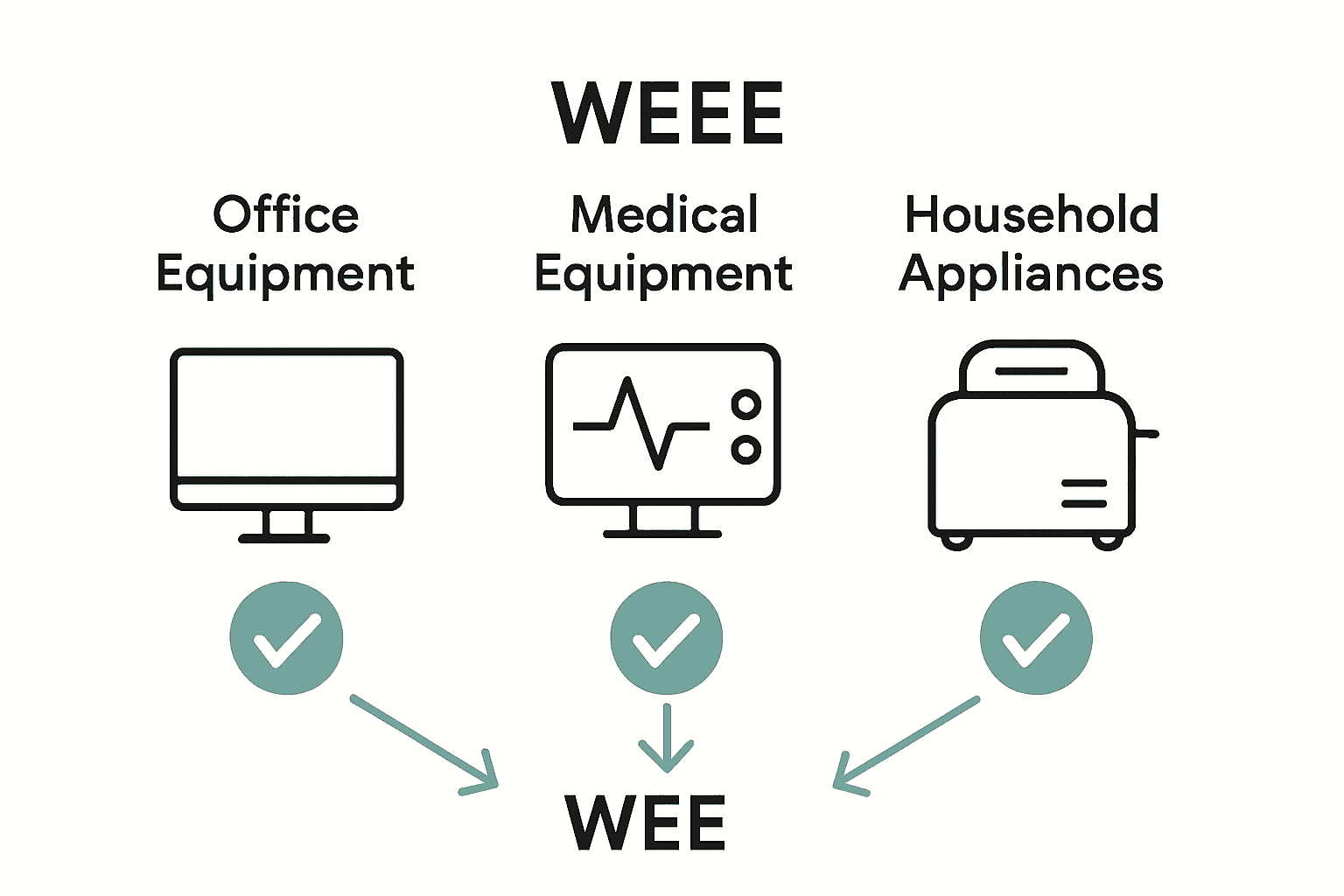
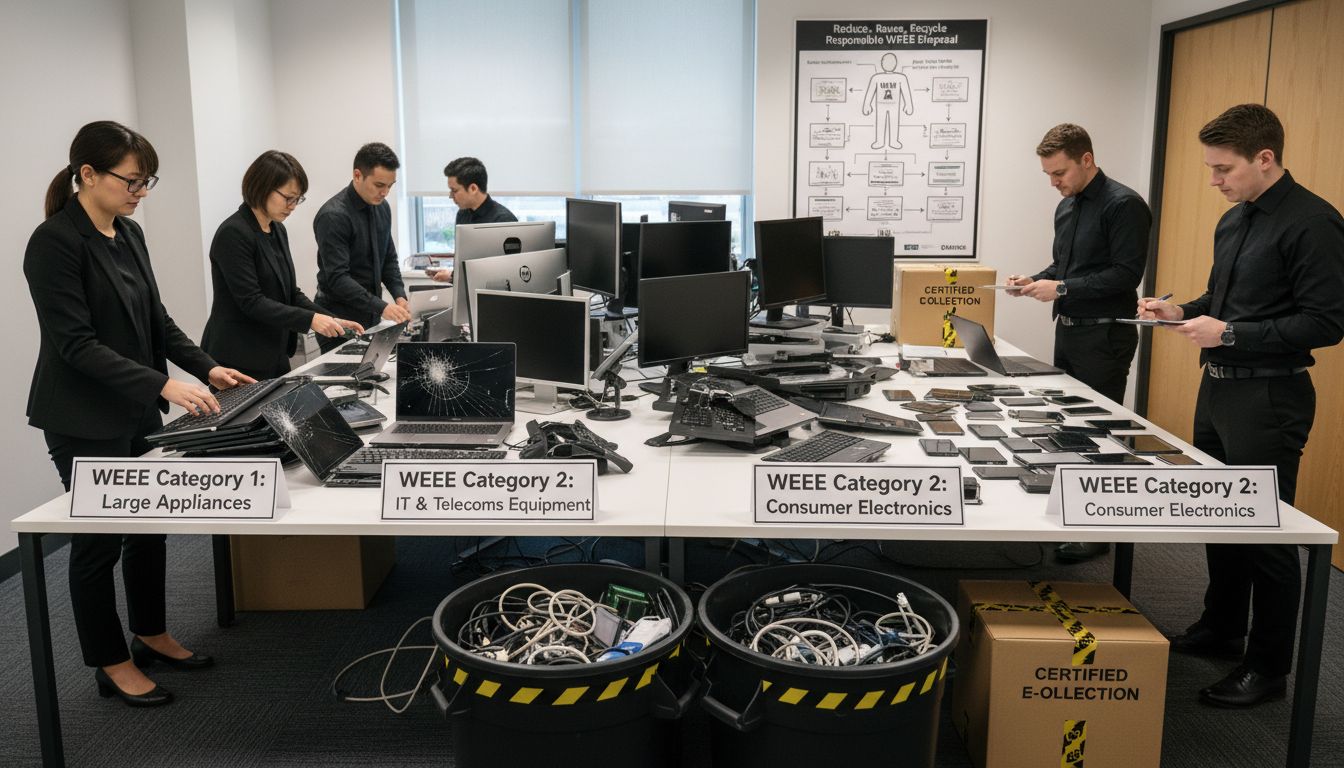
Infographic comparing WEEE examples from office, healthcare, and home settings.

Take Control of Your Waste Electrical Equipment Today

Understanding what qualifies as Waste Electrical and Electronic Equipment (WEEE) and navigating the complex legal and safety requirements can overwhelm any business. You might struggle with identifying all WEEE categories, ensuring full compliance with UK regulations, or finding a trustworthy waste collection partner. The goal is clear: responsible, secure disposal that protects both your business and the environment while avoiding costly penalties.

Venture Waste Management is here to simplify your WEEE challenges. With expert knowledge and a dedicated service approach, we support you in classifying and managing your electronic waste correctly. Explore our focused solutions through the WEEE Waste Archives to see how others benefit from comprehensive guidance. Our efficient processes detailed in Waste Collection Process in the UK for Businesses 2025 ensure your operations remain smooth and compliant.

https://venturewaste.co.uk

Don’t wait until electronic waste piles up or risks your compliance record. Take action now by visiting Venture Waste to book your tailored WEEE disposal service. Secure your business future with responsible, hassle-free electronic waste management today.

Frequently Asked Questions

What is classified as Waste Electrical and Electronic Equipment (WEEE)?

WEEE refers to any discarded electrical or electronic equipment, including all components, sub-assemblies, and consumables, such as large appliances, IT equipment, and medical devices.

What are the main categories of WEEE businesses need to recognize?

Businesses should recognize categories such as large household appliances, small household appliances, IT and telecommunications equipment, display devices, cooling appliances, and electronic tools among others.

Why is proper disposal of WEEE important for businesses?

Proper disposal of WEEE is crucial for environmental sustainability, compliance with regulations, and reducing potential health risks associated with hazardous materials found in electronic waste.

What are the key responsibilities of businesses regarding WEEE disposal?

Businesses must finance the recycling of their electronic waste, provide information about disposal methods, partner with certified waste management providers, implement safety protocols, and conduct regular audits to ensure compliance.

electrical waste collection

How Local Authorities Can Reduce Landfill by Improving Electrical Waste Collection

Electrical waste is piling up faster than ever, with the UK discarding millions of old gadgets and appliances every year. For local authorities aiming to cut landfill use and meet growing environmental targets, understanding and improving electrical waste management is now urgent. With the right strategy, it is possible to capture and recycle over 85,000 tonnes of electrical waste annually, turning a complex challenge into an opportunity for cleaner, greener communities in the North East.

Table of Contents

Quick Summary

Key Point Explanation
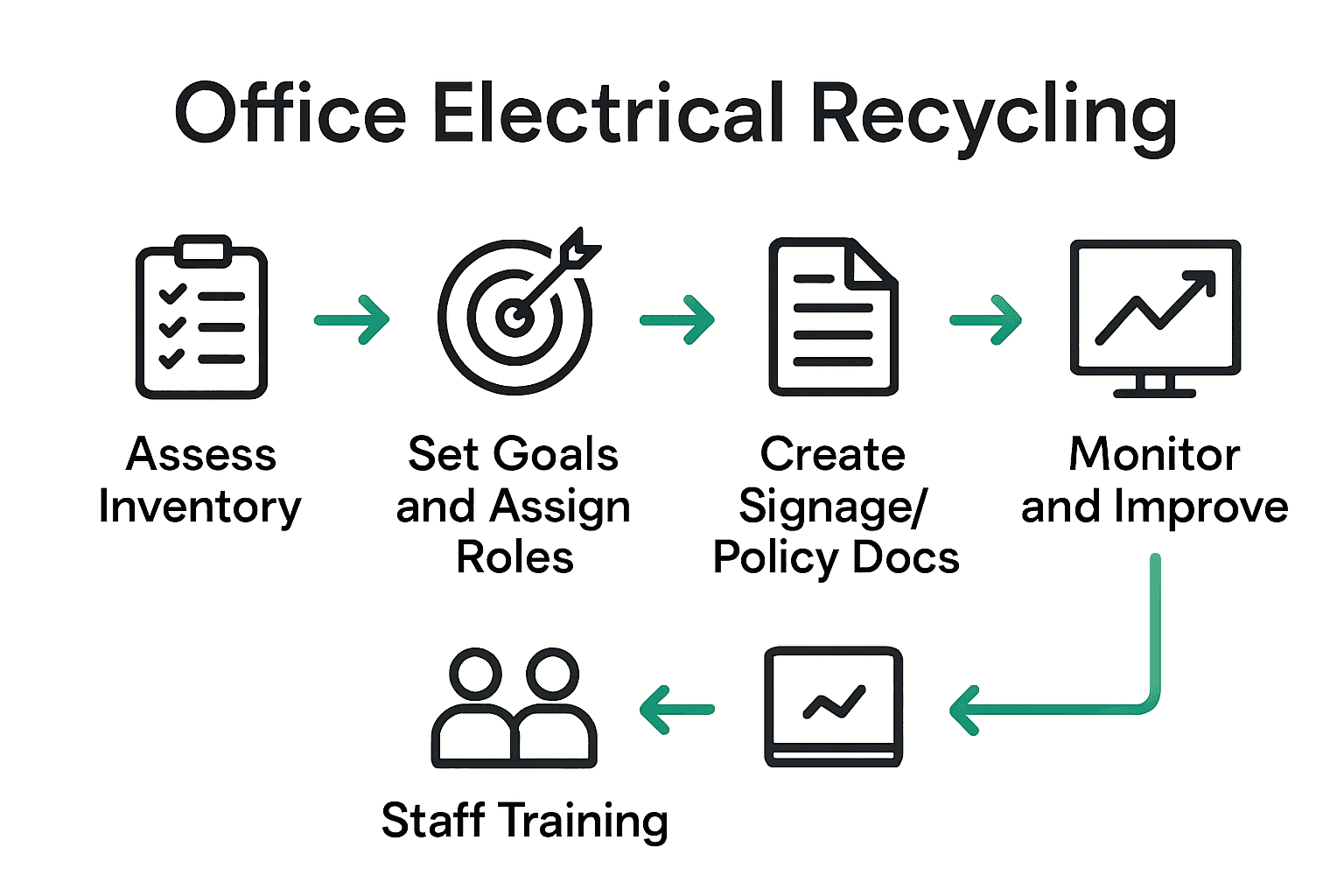
1. Assess current collection capabilities Evaluate existing electrical waste collection sites to identify gaps and opportunities for improvement in your local area.
2. Enhance public awareness and access Launch targeted campaigns and establish convenient drop-off points to educate and facilitate proper electrical waste disposal among residents.
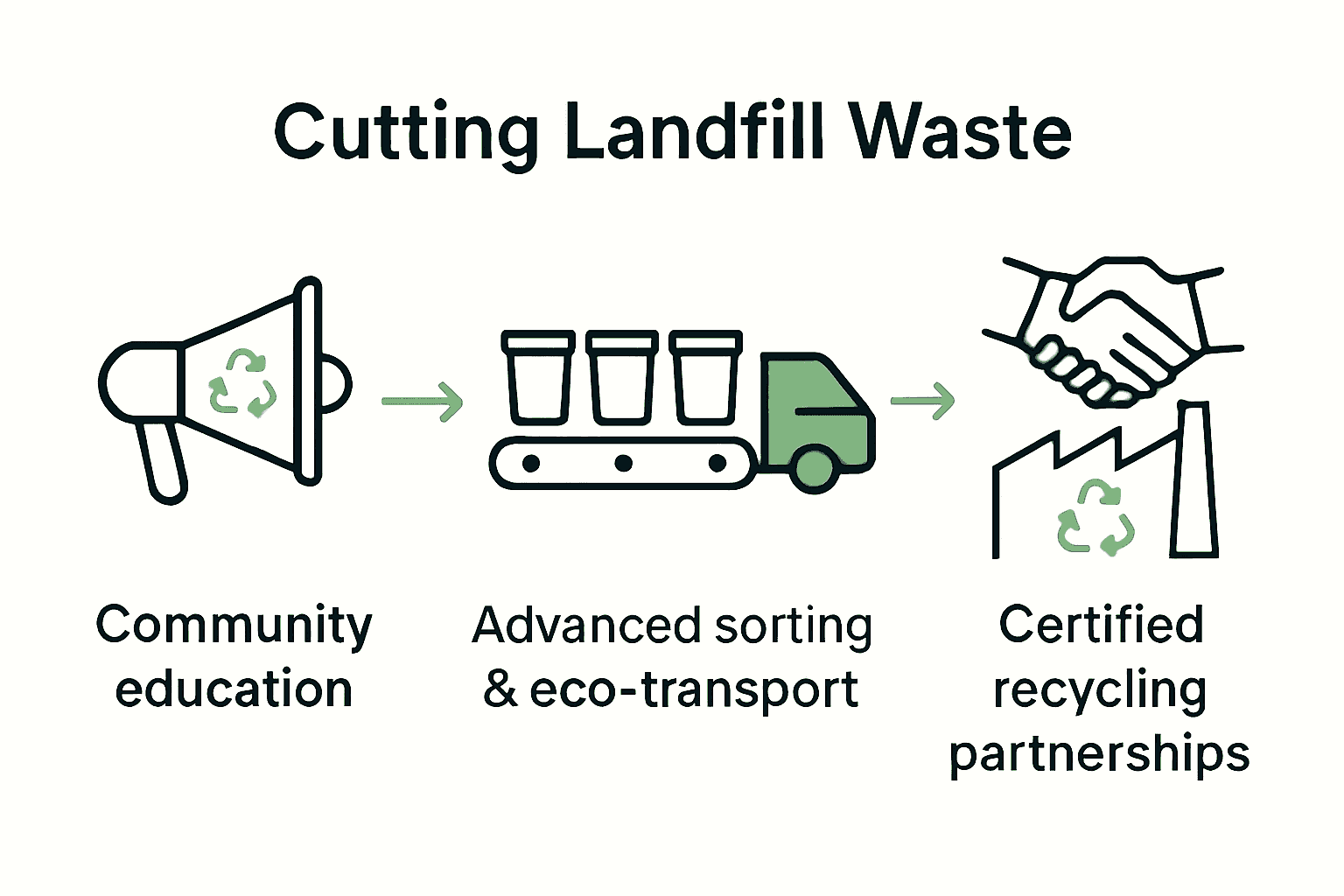
3. Improve sorting and transportation processes Implement systematic sorting and eco-friendly transportation methods to ensure efficient handling of various electrical waste types.
4. Partner with certified recycling facilities Select and collaborate with compliant recycling partners that adhere to environmental standards and can assure the sustainable processing of waste.
5. Continuously monitor and adapt strategies Develop a tracking system for performance metrics to refine collection strategies and improve sustainability outcomes over time.

Step 1: Assess Current Electrical Waste Collection Capabilities

Local authorities looking to reduce landfill must start by thoroughly evaluating their existing electrical waste collection infrastructure. According to Material Focus, implementing strategic kerbside collections could potentially capture up to 85,600 tonnes of waste electricals annually. This statistic underscores the critical importance of a comprehensive assessment.

Begin your assessment by mapping out all current designated collection facilities (DCFs) within your local authority area. The UK Government provides a comprehensive resource listing official collection points and their affiliations with producer compliance schemes. Key aspects to examine include the number of collection points, their geographical distribution, accessibility, and current waste electrical equipment volumes.

Carry out a detailed audit that tracks several critical metrics: total electrical waste collected per year, types of electronic equipment received, seasonal variations in collection volumes, and current recycling rates. Pay special attention to areas with low participation and identify potential barriers preventing residents from properly disposing of electrical waste. Look for opportunities to improve collection points locations, introduce more convenient drop off options, or launch targeted community education programmes about electrical waste recycling. Your next step will involve analysing this data to develop a strategic improvement plan for electrical waste management.

Step 2: Upgrade Public Awareness and Collection Infrastructure

Improving electrical waste collection requires a strategic approach to enhancing public awareness and modernising collection infrastructure. The UK Government has proposed nationwide reforms that emphasise financing household collections and making electrical item recycling more accessible to residents.

Develop a comprehensive community engagement strategy that includes multiple communication channels. Design targeted public awareness campaigns using local media platforms newspapers like the Newcastle Chronicle, community notice boards, and social media to educate residents about electrical waste recycling. Local Government Association recommendations suggest creating services that accommodate different community needs particularly supporting small businesses with flexible collection schedules.

Implement practical solutions such as establishing convenient drop off points at community centres local supermarkets and council offices. Consider introducing regular collection events where residents can easily dispose of electrical items. Partner with local schools businesses and community groups to spread information and create incentive programmes that encourage responsible electrical waste disposal. By making the process straightforward and accessible you can significantly improve participation rates and reduce electrical waste ending up in landfills.

Your next step will involve designing a robust monitoring system to track the effectiveness of these new infrastructure and awareness initiatives.

Step 3: Implement Efficient Sorting and Transportation Methods

Efficient sorting and transportation are critical components in reducing electrical waste sent to landfills. Health and Safety Executive emphasises the complexity of treating Waste Electrical and Electronic Equipment (WEEE), highlighting the critical need for systematic approaches that manage hazardous materials while ensuring safe recycling processes.

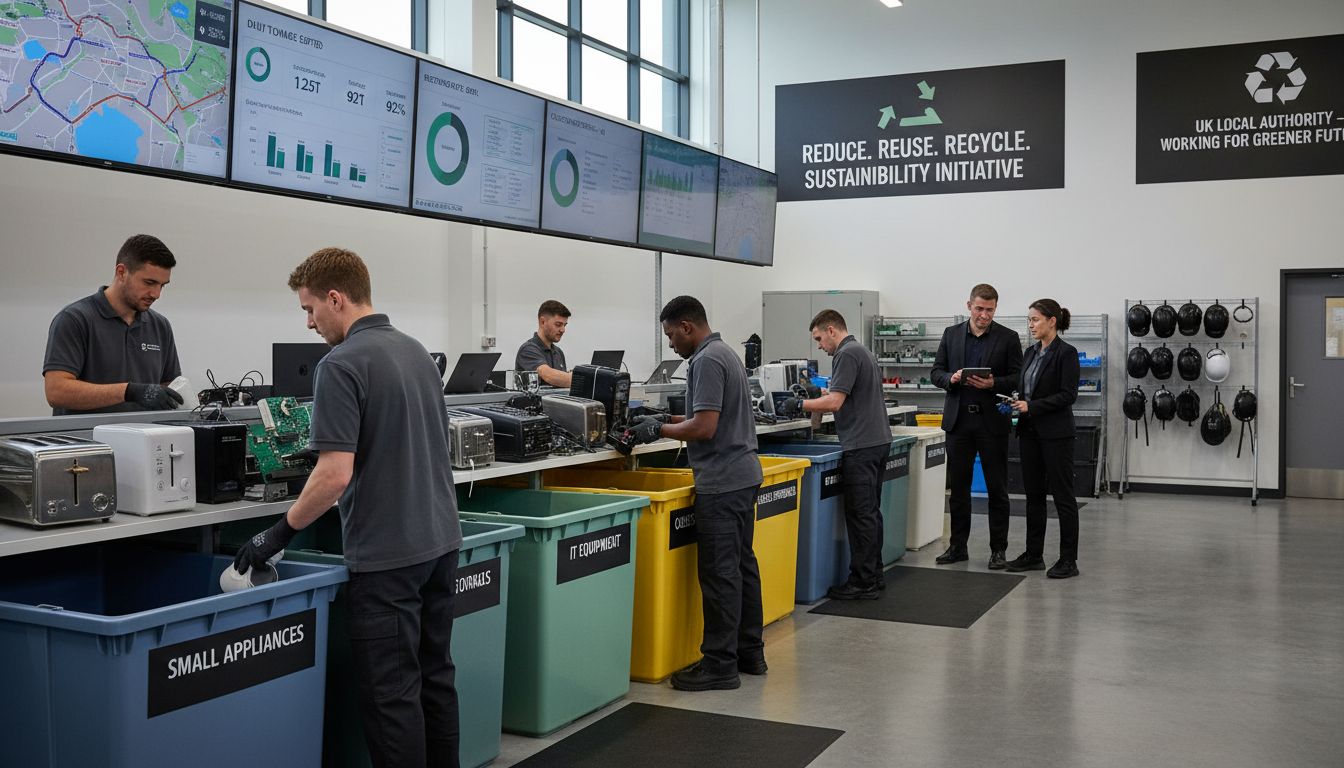
Establish a comprehensive sorting infrastructure that categorises electrical waste into distinct streams based on equipment type safety requirements and potential for reuse or recycling. Invest in specialised storage facilities with dedicated zones for different electrical items such as large appliances computer equipment batteries and electronic peripherals. Wiser Recycling demonstrates how strategic facility locations can minimise carbon footprint while optimising transportation methods.

Develop a robust transportation protocol that prioritises safety efficiency and environmental sustainability. This includes using low emission vehicles scheduling optimised collection routes and training staff in proper handling techniques for various electrical waste categories. Consider partnering with specialist recycling centres in the North East region that can process different types of electrical equipment securely. By implementing these strategic sorting and transportation methods you will significantly reduce waste going to landfill while creating a more sustainable electrical waste management system.

Infographic showing steps to reduce landfill through improved electrical waste collection Your next step involves establishing rigorous tracking and reporting mechanisms to monitor the effectiveness of these new processes.
Step 4: Partner with Certified Recycling Facilities

Reducing electrical waste in local authority landfills requires strategic partnerships with certified recycling facilities that prioritise environmental responsibility and compliance. Choosing a Compliant WEEE Waste Partner involves carefully evaluating potential recycling partners based on their technical capabilities safety standards and commitment to sustainable waste management practices.

Conduct comprehensive due diligence when selecting recycling facilities. Verify their environmental certifications such as ISO 14001 and their specific licensing for handling different categories of electrical waste. Focus on facilities in the North East region that demonstrate expertise in processing complex electrical equipment including sensitive items like computer hardware batteries and large domestic appliances. Prioritise partners who can provide transparent reporting mechanisms detailing the exact volumes of waste processed recycled and diverted from landfill.

Develop robust contractual agreements that outline clear expectations for waste processing environmental standards and reporting requirements. Implement regular audit processes to ensure ongoing compliance and performance monitoring. Consider Recycling Hazardous Materials guidelines to understand the complex regulatory landscape surrounding electrical waste management. By establishing strong partnerships with certified recycling facilities you will create a sustainable system that significantly reduces landfill waste while supporting local circular economy initiatives. Your next step involves developing a comprehensive tracking and performance evaluation framework for these new recycling partnerships.

Step 5: Monitor Results and Optimise Collection Strategies

Effective electrical waste reduction requires continuous monitoring and strategic optimization of collection processes. Local Government Association emphasises the critical financial implications of waste reforms highlighting the necessity for local authorities to track performance and manage costs effectively.

Establish a comprehensive monitoring framework that captures key performance indicators such as total electrical waste collected recycling rates carbon emissions reduction and cost efficiency. Implement digital tracking systems that provide real time data on waste streams collection volumes and recycling outcomes. Leverage Local Government Association’s Sustainability Routemap principles to redesign waste systems applying circular economy approaches that continuously improve resource efficiency. Focus on granular data analysis that reveals insights into collection patterns seasonal variations and potential improvement areas across different community segments in the North East region.

waste sorting facility

Conduct quarterly performance reviews with your recycling partners and internal teams to assess progress identify bottlenecks and develop targeted improvement strategies. Create visual dashboards that communicate key metrics transparently to stakeholders demonstrating the tangible environmental and economic benefits of your electrical waste reduction initiatives. By maintaining a dynamic and responsive monitoring approach you will ensure your electrical waste collection strategy remains adaptive innovative and aligned with emerging sustainability standards. Your final step involves developing a long term strategic plan that builds upon the insights gained from these monitoring and optimization efforts.

Transform Electrical Waste Challenges into Sustainable Solutions Today

Local authorities face the urgent challenge of reducing landfill by enhancing electrical waste collection systems. The article highlights key goals such as upgrading public awareness, optimising sorting and transportation, and partnering with certified recycling facilities. If inefficiencies or gaps in your waste management approach are causing mounting environmental and regulatory pressures, you are not alone. Addressing these concerns with reliable, compliant services is vital to protect communities and meet evolving sustainability standards.

Discover how Venture Waste Management can support your mission through tailored waste collection solutions designed for both commercial and domestic clients across the UK. Our expertise covers everything from hazardous waste handling to effective recycling processes. Learn more about innovative strategies by exploring our WEEE Waste Archives – Venture Waste and gain insights on the evolving How the Waste Collection Network in UK Serves Businesses in 2025 – Venture Waste.

https://venturewaste.co.uk

Empower your waste management framework with Venture Waste’s proven, easy-to-use services. Visit https://venturewaste.co.uk now to start your journey towards greener operations. Act today and transform your electrical waste challenges into lasting environmental successes.

Frequently Asked Questions

How can local authorities assess their current electrical waste collection capabilities?

Begin by mapping all designated collection facilities within your area, noting their number, location, and accessibility. Conduct a detailed audit of total electrical waste collected and identify barriers preventing resident participation.

What public awareness strategies should local authorities implement for electrical waste recycling?

Develop targeted campaigns using various channels such as local media, social media, and community events. Engage community groups and local businesses to spread information, aiming to increase participation within 30–60 days.

How can local authorities improve infrastructure for electrical waste collection?

Establish convenient drop-off points at community centers, supermarkets, and schedule regular collection events. This will create easier access for residents and is likely to improve disposal rates by making the process straightforward.

What sorting and transportation methods should be adopted for electrical waste?

Implement a sorting system that categorizes waste based on equipment type and recycling potential. Use environmentally friendly transportation methods to mitigate carbon emissions, ensuring efficiency in collection routes.

How should local authorities choose certified recycling facilities?

Conduct thorough assessments of recycling facilities, verifying their environmental certifications and compliance. Develop contracts that set clear expectations for processing standards and reporting, ensuring ongoing accountability.

What metrics should local authorities monitor to optimize electrical waste collection strategies?

Establish a framework that tracks key performance indicators such as recycling rates, collection volumes, and cost efficiency. Regularly review these metrics with partners, making adjustments to collection strategies as needed to enhance performance.

WEEE recycling office

7 Ways WEEE Recycling Can Save Your Organisation Money

Electronic waste is piling up at a record pace, with the UK generating over 1.5 million tonnes annually. Managing this surge goes far beyond environmental obligations—it directly impacts business costs, legal standing, and company image. From reducing disposal expenses to elevating brand reputation, making smarter choices with waste electrical and electronic equipment can deliver lasting advantages for organisations ready to tackle the challenge head on.

Table of Contents

Quick Summary

Takeaway Explanation
1. Implement segregated collection of WEEE Establish clear bins for different electronic waste categories to reduce disposal costs and improve recycling efficiency.
2. Reuse and refurbish electronics for value Assess used equipment for refurbishment potential to unlock financial benefits and reduce waste.
3. Ensure compliance with WEEE regulations Regularly audit your disposal practices and maintain documentation to avoid legal penalties and enhance environmental responsibility.
4. Utilize manufacturer take-back schemes Research and negotiate return options with manufacturers to simplify waste management and facilitate responsible recycling.
5. Conduct regular WEEE clearances Schedule routine reviews and disposal of end-of-life electronics to reclaim storage space and maintain operational efficiency.

1. Reduce Disposal Costs Through Segregated Collection

Reducing disposal costs for waste electrical and electronic equipment (WEEE) starts with implementing smart segregation strategies. By carefully separating different types of electronic waste, organisations can dramatically cut their waste management expenses and contribute to more sustainable business practices.

Segregated collection allows businesses to maximise the economic value of their electronic waste. When WEEE materials are sorted at source into distinct categories like computer equipment, office electronics, and electrical components, recycling facilities can process these materials more efficiently. This approach not only reduces processing costs but also increases the potential for material recovery and potential resale.

According to research from Let’s Recycle, a nationwide implementation of proper WEEE collection could save the UK approximately £6 billion over the next decade. These substantial savings stem primarily from preventing waste fires and improving recycling processes.

Practical implementation involves several key steps:

  • Establish clear segregation zones in your workplace
  • Train staff on proper WEEE sorting techniques
  • Use colour coded bins for different electronic waste categories
  • Partner with certified WEEE recycling providers

For businesses in regions like Newcastle, Durham, and Sunderland, local waste management services can provide tailored segregation guidance specific to regional recycling infrastructure. By adopting these strategies, your organisation can transform electronic waste from a cost centre into a potential revenue stream.

Moreover, Waste Segregation Guidelines for UK Businesses and Facilities offer comprehensive insights into creating an effective waste management system that minimises disposal costs while maximising environmental responsibility.

2. Recover Value from Reusable Electronics and Parts

Recovering value from electronic waste is not just an environmental strategy its a smart financial approach for modern businesses. By reimagining used electronics as potential resources rather than waste, organisations can unlock significant economic opportunities.

The concept of electronic asset recovery goes far beyond simple recycling. Comprehensive electronics recovery involves carefully assessing used equipment to determine its potential for refurbishment repair or component extraction. Laptops computers servers and other office electronics often contain valuable materials and components that can be remarketed or repurposed.

According to Circular Computing, remanufacturing processes can restore used laptops to a condition comparable to new equipment while significantly reducing environmental impact. This approach demonstrates how businesses can generate financial value from seemingly obsolete technology.

Practical strategies for recovering value include:

  • Conduct thorough inventory assessments of existing electronic equipment
  • Partner with certified electronics refurbishment specialists
  • Develop internal processes for identifying reusable components
  • Explore potential resale markets for restored electronics
  • Consider internal redeployment of refurbished equipment

Businesses in technology intensive regions like Newcastle and Durham can particularly benefit from these strategies. Local IT firms and educational institutions often have substantial electronic waste streams that represent untapped financial potential.

For more insights into responsible electronic equipment management checkout our guide on Why is recycling IT equipment so important for your business. By adopting a strategic approach to electronic asset recovery organisations can transform waste management from a cost centre into a potential revenue stream.

Navigating the complex landscape of waste electrical and electronic equipment (WEEE) regulations can be challenging for organisations. Understanding and implementing proper legal compliance standards is not just about avoiding penalties its about demonstrating responsible business practices.

Legal compliance in WEEE disposal involves comprehensive understanding of the regulatory framework governing electronic waste management. According to the UK Government, organisations must adhere to strict guidelines to prevent financial penalties and environmental harm.

The Waste Electrical and Electronic Equipment Regulations 2006 outline specific responsibilities for producers and businesses. These regulations are designed to ensure proper disposal tracking documentation and environmental protection. Non compliance can result in substantial financial penalties that could significantly impact your organisation’s bottom line.

Practical strategies for maintaining legal compliance include:

  • Conduct regular internal audits of electronic waste disposal practices
  • Maintain detailed documentation of all WEEE disposal activities
  • Train staff on current regulatory requirements
  • Work with certified waste management providers
  • Develop robust tracking systems for electronic equipment lifecycle

Businesses in regions like Newcastle Durham and Sunderland must be particularly vigilant about understanding local and national WEEE disposal regulations. Each municipality may have specific additional requirements beyond national standards.

For comprehensive guidance on waste disposal legal requirements check out our detailed Waste Disposal Legal Requirements UK 2025 guide. By proactively managing your electronic waste disposal processes you can protect your organisation from potential legal and financial risks while contributing to environmental sustainability.

4. Enhance Efficiency with Streamlined Waste Processes

Streamlining waste processes is more than just an environmental responsibility its a strategic approach to organisational efficiency. By implementing systematic waste management techniques businesses can simultaneously reduce costs improve operational performance and minimise environmental impact.

Efficient waste management requires a holistic approach that integrates technology process redesign and staff training. According to the Waste Management Plan for England, organisations can achieve significant operational improvements by adopting structured waste reduction strategies.

The key to streamlining waste processes lies in understanding your current waste streams and identifying opportunities for optimisation. This involves conducting comprehensive waste audits tracking waste generation patterns and implementing targeted reduction strategies. By mapping out exactly how and where waste is produced organisations can develop precise interventions that eliminate unnecessary steps and reduce overall waste generation.

Practical strategies for enhancing waste process efficiency include:

  • Implement digital tracking systems for waste management
  • Develop clear waste segregation protocols
  • Invest in staff training and awareness programmes
  • Utilise technology for real time waste monitoring
  • Create centralised waste management coordination

Businesses in industrial regions like Newcastle and Durham can particularly benefit from these approaches. Local manufacturing and technology sectors often generate complex waste streams that require sophisticated management techniques.

For deeper insights into waste reduction strategies check out our Reducing Business Waste in 2025 guide. By approaching waste management as a strategic business process organisations can transform what was once seen as an operational cost into an opportunity for efficiency and potential savings.

5. Benefit from Manufacturer Take-Back Schemes

Manufacturer take-back schemes represent a strategic opportunity for organisations to manage electronic waste more efficiently and cost-effectively. These innovative programmes enable businesses to return end-of-life electronic equipment directly to manufacturers for responsible recycling and disposal.

Take-back schemes are a cornerstone of sustainable electronic waste management. According to DEFRA’s WEEE Review, these programmes play a crucial role in improving national recycling rates and reducing environmental impact.

The mechanics of manufacturer take-back schemes are straightforward. When an organisation purchases electronic equipment they can often negotiate return conditions at the point of sale. This means when your laptops computers or other electronic devices reach end-of-life you can return them directly to the manufacturer for proper processing. Many manufacturers will either refurbish the equipment or responsibly extract and recycle valuable materials.

Practical steps for leveraging take-back schemes include:

  • Research take-back policies during initial equipment procurement
  • Maintain detailed records of electronic equipment purchases
  • Establish internal tracking systems for electronic asset lifecycles
  • Negotiate take-back terms during initial purchasing discussions
  • Collaborate with manufacturers who offer comprehensive recycling programmes

Businesses in technology intensive regions like Newcastle and Durham can particularly benefit from these schemes. Local companies with significant electronic infrastructure can dramatically reduce waste management costs by implementing strategic take-back approaches.

To explore more about managing electronic waste efficiently check out our guide on Understanding Battery Disposal. By proactively engaging with manufacturer take-back schemes organisations can transform electronic waste from a potential expense into a sustainable and potentially cost-neutral process.

6. Minimise Storage Needs with Regular WEEE Clearances

Regular waste electrical and electronic equipment (WEEE) clearances are a strategic approach to managing organisational storage requirements and reducing potential environmental and safety risks. By implementing systematic disposal processes businesses can transform electronic waste management from a logistical challenge into an efficient operational strategy.

Proactive waste clearance involves creating a structured approach to managing electronic equipment throughout its lifecycle. According to the Welsh Government’s workplace recycling guidelines, consistent disposal practices not only improve compliance but also help organisations manage their physical storage needs more effectively.

The accumulation of outdated electronic equipment can quickly consume valuable workspace creating potential safety hazards and reducing overall operational efficiency. Regular WEEE clearances prevent this buildup by establishing a routine process for identifying sorting and removing end-of-life electronic assets. This approach allows organisations to reclaim storage space maintain a clean working environment and ensure responsible disposal of electronic waste.

Practical strategies for implementing regular WEEE clearances include:

  • Develop a comprehensive electronic asset tracking system
  • Schedule quarterly or bi-annual WEEE disposal reviews
  • Create clear internal protocols for equipment retirement
  • Designate specific storage areas for end-of-life electronics
  • Partner with certified WEEE disposal providers

Businesses in technology intensive regions like Newcastle and Durham can particularly benefit from these strategies. Local companies with rapid technological turnover need robust systems for managing electronic waste and minimising storage requirements.

To understand more about secure disposal processes check out our WEEE Waste Collection guide for Secure Business Disposal. By adopting a proactive approach to WEEE clearances organisations can transform electronic waste management from a potential headache into a streamlined operational process.

7. Improve Company Reputation and Attract Clients

In today’s environmentally conscious business landscape responsible electronic waste management has become a powerful tool for enhancing corporate reputation and attracting forward thinking clients. By demonstrating genuine commitment to sustainable practices organisations can differentiate themselves and create meaningful connections with environmentally aware stakeholders.

Corporate sustainability is no longer a peripheral concern but a central strategy for business success. According to Circular Computing, organisations that adopt sustainable approaches to electronic waste management can significantly improve their market perception and attract clients who prioritise environmental responsibility.

Modern clients increasingly evaluate businesses not just on their products or services but on their environmental credentials. Proper WEEE recycling signals a companies commitment to reducing electronic waste minimising carbon footprint and supporting circular economy principles. This approach transforms waste management from a mundane operational task into a strategic communication and brand differentiation opportunity.

Practical strategies for leveraging WEEE recycling to enhance reputation include:

  • Publicly share your electronic waste management achievements
  • Create transparent reporting on sustainability metrics
  • Highlight your commitment to responsible electronic disposal
  • Develop marketing materials showcasing your environmental initiatives
  • Engage with local and industry sustainability networks

Businesses in technology intensive regions like Newcastle Durham and Sunderland can particularly benefit from these approaches. Local enterprises can position themselves as environmental leaders by implementing comprehensive WEEE recycling strategies.

To understand more about communicating your sustainability efforts explore our WEEE Waste and CSR guide. By transforming electronic waste management into a strategic brand narrative organisations can attract environmentally conscious clients and establish themselves as responsible corporate citizens.

Below is a comprehensive table summarising the strategies and steps discussed in the article for managing waste electrical and electronic equipment (WEEE) effectively.

Strategy/Step Key Actions Benefits/Outcomes
Segregated Collection Establish zones, train staff, use colour coded bins, partner with recyclers Reduced disposal costs, increased material recovery
Electronic Asset Recovery Inventory assessments, partner with refurbishment specialists, identify resale markets Unlocks economic opportunities, reduces environmental impact
Legal Compliance Conduct audits, maintain documentation, train staff, work with certified providers Avoids fines, demonstrates responsibility
Streamlined Waste Processes Implement digital tracking, train staff, utilise technology for monitoring Cost reduction, operational efficiency
Manufacturer Take-Back Schemes Research policies, maintain records, negotiate terms, collaborate with manufacturers Cost-effective waste management, reduces environmental impact
Regular WEEE Clearances Asset tracking, schedule reviews, create protocols Efficient storage use, prevents safety risks
Corporate Reputation Enhancement Share achievements, create sustainability reports, engage with networks Improved market perception, attracts environmentally conscious clients

Save Money and Stay Compliant with Expert WEEE Recycling Solutions

Managing your organisation’s electronic waste can feel overwhelming, especially when faced with challenges like legal compliance, disposal costs, and storage needs. The article highlights important concepts such as segregated collection, asset recovery, and manufacturer take-back schemes, all of which are vital to turning waste into savings and enhancing operational efficiency.

Don’t let electronic waste drain your budget or damage your reputation. At Venture Waste, we understand these pain points and offer tailored services to support your WEEE recycling journey. Discover practical solutions through our trusted WEEE Waste Archives – Venture Waste and benefit from our straightforward booking process at Venture Waste Management. Start transforming waste challenges into cost-saving opportunities today.

https://venturewaste.co.uk

Take control of your electronic waste management now. Visit Venture Waste Management and connect with our expert team to implement efficient, compliant, and money-saving WEEE recycling solutions designed for your business needs.

Frequently Asked Questions

How can segregating WEEE help reduce disposal costs?

By implementing smart segregation strategies, businesses can significantly reduce disposal costs by sorting electronic waste into distinct categories. Create clear segregation zones and train staff on proper sorting techniques to maximize efficiency and recycling potential.

What are some practical steps for recovering value from reusable electronic parts?

Conduct thorough inventory assessments to identify potentially reusable components in your electronic waste. Partner with refurbishment specialists to repurpose or resell these items, potentially saving money or generating revenue within a few months.

How do I ensure my organization meets WEEE compliance standards?

To meet legal compliance standards for WEEE disposal, maintain detailed documentation of all disposal activities and conduct regular internal audits. Train your staff on current regulations to minimize the risk of penalties and ensure responsible waste management practices.

What are the benefits of implementing manufacturer take-back schemes?

Manufacturer take-back schemes allow organizations to return end-of-life electronic equipment for proper recycling. Research these policies during equipment procurement to integrate them into your waste management strategy, potentially reducing disposal costs and environmental impact.

How often should my organization conduct WEEE clearances to optimize storage?

Regular WEEE clearances should be scheduled quarterly or bi-annually to prevent the buildup of outdated electronic equipment. Establish internal protocols for identifying and sorting end-of-life electronics to reclaim valuable storage space and maintain operational efficiency.

How can I improve my company’s reputation through WEEE recycling?

Showcasing your commitment to responsible electronic waste management can significantly enhance your company’s reputation. Publicize your recycling achievements and create transparent sustainability reports to attract environmentally conscious clients and differentiate your brand.

UK office electrical recycling

How to Create an Office Electrical Recycling Policy That Staff Actually Follow

UK businesses produce a staggering 1.45 million tonnes of electrical waste every year, yet many offices remain unsure how to handle this growing challenge. Outdated devices and broken electronics often pile up in storerooms or end up in landfill, putting sensitive data and the environment at risk. Taking simple, structured steps can help every organisation build a sustainable, compliant system that makes electrical recycling effortless for staff and safeguards valuable resources.

Table of Contents

Quick Summary

Key Point Explanation
1. Assess current electrical waste practices Conduct a thorough audit of your current electrical inventory to understand waste generation and identify recycling opportunities.
2. Set clear recycling goals Establish specific, measurable recycling targets and assign responsibilities to ensure accountability within your organization.
3. Create accessible policy documents Develop clear, concise recycling policies and signage that are easy to understand and follow for all employees.
4. Engage staff through training Implement interactive training programs to educate staff on proper recycling practices and encourage their active participation.
5. Monitor compliance and adapt Regularly track recycling progress and adjust procedures based on feedback and findings to continuously improve the recycling strategy.

Infographic showing five steps to office electrical recycling policy. |

Step 1: Assess existing electrical waste practices

Assessing your office electrical waste practices is the crucial first step towards creating an effective recycling policy that staff will actually follow. According to research from Lancaster University, UK businesses generate substantial volumes of electrical waste annually making comprehensive assessment vital.

Begin by conducting a comprehensive audit of your current electrical equipment inventory. This involves cataloguing all electronic devices across departments including computers, printers, servers, networking equipment, monitors, and peripheral devices. Document each item details such as age, condition, and replacement history. Create a standardised spreadsheet tracking device serial numbers, purchase dates, and current operational status. Pay special attention to identifying devices nearing end of life or those with high potential for responsible recycling.

office waste device audit

To enhance this assessment, schedule brief consultations with department heads to understand specific technological needs and challenges. During these discussions, explore current disposal practices and gather insights about equipment turnover. The goal is not just recording inventory but understanding workflow patterns that impact electrical waste generation. Irep Research highlights that understanding organisational barriers is key to developing effective electrical equipment reuse strategies.

A critical warning emerges from this assessment process protect sensitive data. Ensure any devices scheduled for recycling undergo thorough data destruction protocols. This prevents potential information security breaches and demonstrates your organisation’s commitment to comprehensive waste management.

Your next step will involve analysing the collected data to develop targeted recycling guidelines that align with your specific organisational needs.

Step 2: Define clear recycling goals and responsibilities

Defining clear recycling goals and responsibilities is pivotal for transforming your electrical waste management from a vague concept into a structured organisational strategy. Springer Research emphasises the critical importance of establishing precise objectives and accountability mechanisms in effective e-waste management.

Start by setting specific quantifiable recycling targets for your organisation. These goals should be realistic yet challenging measurable metrics such as reducing electrical waste volume by 25% within 12 months or ensuring 80% of end of life electronic equipment is responsibly recycled. Assign clear responsibilities to key personnel creating a dedicated waste management team or coordinator who will oversee implementation and track progress.

Create a comprehensive responsibility matrix that outlines specific roles for different departments. For instance the IT department might handle device inventory and assessment while facilities management oversees collection and storage. Finance could manage budgetary aspects of recycling initiatives and procurement teams could implement sustainable purchasing guidelines. Each role should have explicit expectations documented in writing to ensure accountability.

A strategic warning emerges organisations often fail when responsibilities are ambiguous. Ensure every team member understands their specific role in the electrical recycling process through clear communication training sessions and periodic review meetings.

With clear goals and responsibilities established your organisation is now prepared to develop detailed implementation strategies for your electrical waste recycling policy.

Step 3: Develop accessible policy documents and signage

Developing accessible policy documents and clear signage is crucial for ensuring your electrical recycling strategy becomes a practical reality within your workplace. According to Loughborough University, creating comprehensive yet understandable documentation is fundamental to successful sustainable equipment management.

Craft your policy document using clear concise language that avoids technical jargon. Structure the document with logical sections including purpose scope responsibilities and specific procedures for electrical waste handling. Use visual elements like infographics charts and colour coded diagrams to break down complex information. Ensure the document is formatted for easy reading with clear headings substantial white space and a readable font size that accommodates different visual abilities.

Design strategic signage that guides staff through the electrical recycling process. Place highly visible colour coded bins with explicit instructions near common areas like print stations server rooms and office workspaces. Include simple iconography that demonstrates correct disposal methods for different types of electrical equipment. Multilingual signage can be particularly helpful in diverse workplace environments ensuring inclusivity and comprehensive understanding.

A critical warning emerges documentation must be both comprehensive and digestible. Avoid overwhelming staff with excessive technical details or overly complex instructions. The goal is to create a policy that feels approachable and actionable rather than intimidating.

With accessible policy documents and clear signage in place your organisation is ready to move towards staff training and implementation of the electrical recycling strategy.

Step 4: Deliver staff training and engagement activities

Engaging staff effectively is the cornerstone of a successful electrical recycling policy. Irep Research highlights the critical importance of staff training in extending product lifetimes and supporting sustainable waste management initiatives.

Design a multi-faceted training programme that goes beyond traditional lecture formats. Implement interactive workshops where employees can physically practice electrical waste sorting and understand the environmental impact of their actions. Create engaging multimedia presentations that break down complex recycling processes into digestible segments. Consider developing short video tutorials gamified learning experiences and hands on demonstration sessions that make learning about electrical waste management both informative and enjoyable.

Establish ongoing engagement mechanisms to maintain momentum. This could include quarterly recycling challenges between departments quarterly sustainability newsletters recognising and rewarding teams or individuals who demonstrate exceptional commitment to electrical waste reduction. Introduce a system of environmental champions who receive additional training and can act as peer advocates within their respective teams spreading knowledge and motivating colleagues through direct interaction.

A strategic warning emerges training cannot be a one time event. Sustainability requires continuous learning and adaptation. Regular refresher sessions feedback mechanisms and updated training materials will ensure your electrical recycling policy remains dynamic and relevant.

With comprehensive staff training and engagement activities completed your organisation is now prepared to implement and monitor the electrical waste recycling strategy.

Step 5: Monitor compliance and adjust procedures

Effective electrical waste management requires continuous monitoring and strategic adaptation. Springer Research emphasises the critical importance of developing comprehensive monitoring mechanisms to achieve sustainable operational practices in electronic waste management.

Implement a robust tracking system that quantifies electrical waste generation disposal and recycling rates across different departments. Develop standardised monthly reporting templates that capture key metrics such as total waste volume recycled percentage equipment lifecycle data and departmental performance. Utilise digital dashboards and spreadsheet tools to visualise progress making compliance tracking transparent and accessible to all staff members.

Conduct quarterly compliance audits to assess the effectiveness of your electrical recycling policy. These audits should include random spot checks of waste sorting practices interviews with department representatives and comprehensive reviews of waste management documentation. Create feedback loops that allow staff to provide insights and suggestions for improving the recycling process. This approach transforms compliance monitoring from a top down enforcement mechanism into a collaborative continuous improvement initiative.

A critical warning emerges monitoring is not about punishment but progressive improvement. Approach compliance reviews as opportunities for organisational learning rather than disciplinary exercises. Provide constructive guidance support and additional training where gaps are identified.

With a comprehensive monitoring and adjustment framework in place your organisation can now focus on continuously refining and evolving its electrical waste management strategy.

Simplify Your Office Electrical Recycling with Venture Waste

Creating an office electrical recycling policy that staff actually follow takes clear strategy and ongoing commitment. The challenge lies in turning good intentions into practical actions that everyone can understand and engage with. If you are looking to overcome common obstacles like data security, departmental accountability, and consistent compliance, you are not alone. Effective solutions require more than just policy documents—they demand reliable waste collection and a partner who understands your evolving needs.

At Venture Waste Management, we specialise in delivering tailored recycling services for businesses across the UK. Whether you need secure disposal options to protect sensitive information or streamlined collection aligned with your recycling goals, we support you every step of the way. Discover how our expert teams operate within the Waste Collection Process in the UK for Businesses 2025 to ensure compliance and environmental responsibility. Our comprehensive network detailed in How the Waste Collection Network in UK Serves Businesses in 2025 guarantees efficient service wherever you are.

https://venturewaste.co.uk

Start transforming your office’s electrical waste strategy into action today with Venture Waste Management. Visit https://venturewaste.co.uk to learn more and book your tailored waste management solution. Take the first step towards a greener, hassle-free office environment now.

Frequently Asked Questions

How can I assess our current electrical waste practices?

Begin by conducting a comprehensive audit of your office’s electronic devices. Catalogue all items by tracking their serial numbers, purchase dates, and operational statuses to identify units nearing the end of life.

What goals should we set for our electrical recycling policy?

Set specific and measurable recycling targets, such as aiming to reduce electrical waste volume by 25% within the next 12 months. These goals should challenge your team while remaining realistic and achievable.

How can I ensure that all staff understand the recycling policy?

Develop clear policy documents using concise language and logical sections. Include visual aids and strategic signage in key areas around the office to simplify guidelines and ensure accessibility for all employees.

What kind of training activities will engage staff in our recycling policy?

Implement interactive training sessions like workshops or hands-on demonstrations that allow staff to practice sorting electrical waste. Create engaging multimedia presentations or gamified experiences to reinforce the importance of responsible disposal.

How do we monitor compliance with our recycling policy?

Establish a tracking system that collects data on electrical waste generation and recycling rates by department. Conduct regular compliance audits and create feedback loops to identify areas for improvement and collaborative learning.

How can we keep our recycling policy relevant over time?

Continuously adapt your policy by scheduling regular refresher training sessions and updating documentation. Encourage staff feedback to identify gaps and adjust procedures to enhance participation and effectiveness.

UK electrical waste facility

Electrical Waste Explained: UK’s Environmental Challenge

Each year, the UK generates over 1.5 million tonnes of electrical waste, much of it containing hidden hazards that threaten both our environment and health. From old laptops to broken toasters, these everyday items demand far more than a simple toss into the rubbish. Understanding the real risks—and the common myths—behind electrical waste helps businesses and individuals protect themselves, avoid legal trouble, and make smarter choices for a cleaner future.

Table of Contents

Key Takeaways

Point Details
Importance of WEEE Disposal Electrical waste must not be disposed of in regular trash; specialized disposal methods are necessary to prevent environmental harm.
Misconceptions about Electrical Waste Common beliefs about the disposal of electrical items lead to improper practices; all electronic waste requires proper handling.
Health and Environmental Risks Improper disposal can cause serious contamination, affecting soil, water, and air quality, posing risks to ecosystems and human health.
Legal Compliance Businesses must adhere to UK regulations regarding waste classification, segregation, and disposal, maintaining detailed records of their waste management practices.

Defining Electrical Waste And Misconceptions

Electrical waste, often referred to as WEEE waste (Waste Electrical and Electronic Equipment), represents a complex environmental challenge facing businesses and consumers across the United Kingdom. From outdated computer monitors to discarded mobile phones, these seemingly innocuous items contain hazardous materials that can cause significant ecological damage if not handled correctly.

According to gov.uk, all electrical products displaying the ‘Crossed out wheelie bin’ symbol should never be disposed of in standard household rubbish. This critical guidance highlights the importance of specialized disposal methods. These items must be taken to appropriate collection points to prevent environmental harm and recover valuable materials that can be recycled and reused.

Common misconceptions about electrical waste can lead to improper disposal practices. Many businesses and individuals mistakenly believe that:

  • All electronic items can be thrown away with regular trash
  • Small electronics like batteries don’t require special handling
  • Recycling electrical waste is too complicated or time-consuming

In reality, electrical waste contains complex components including:

  1. Metals like copper and gold
  2. Toxic substances such as lead and mercury
  3. Rare earth elements critical for manufacturing

By understanding these nuanced details, businesses can make more informed decisions about waste management.

IT electronics disposal For comprehensive guidance on electrical waste disposal, check out our guide on WEEE waste for UK businesses.
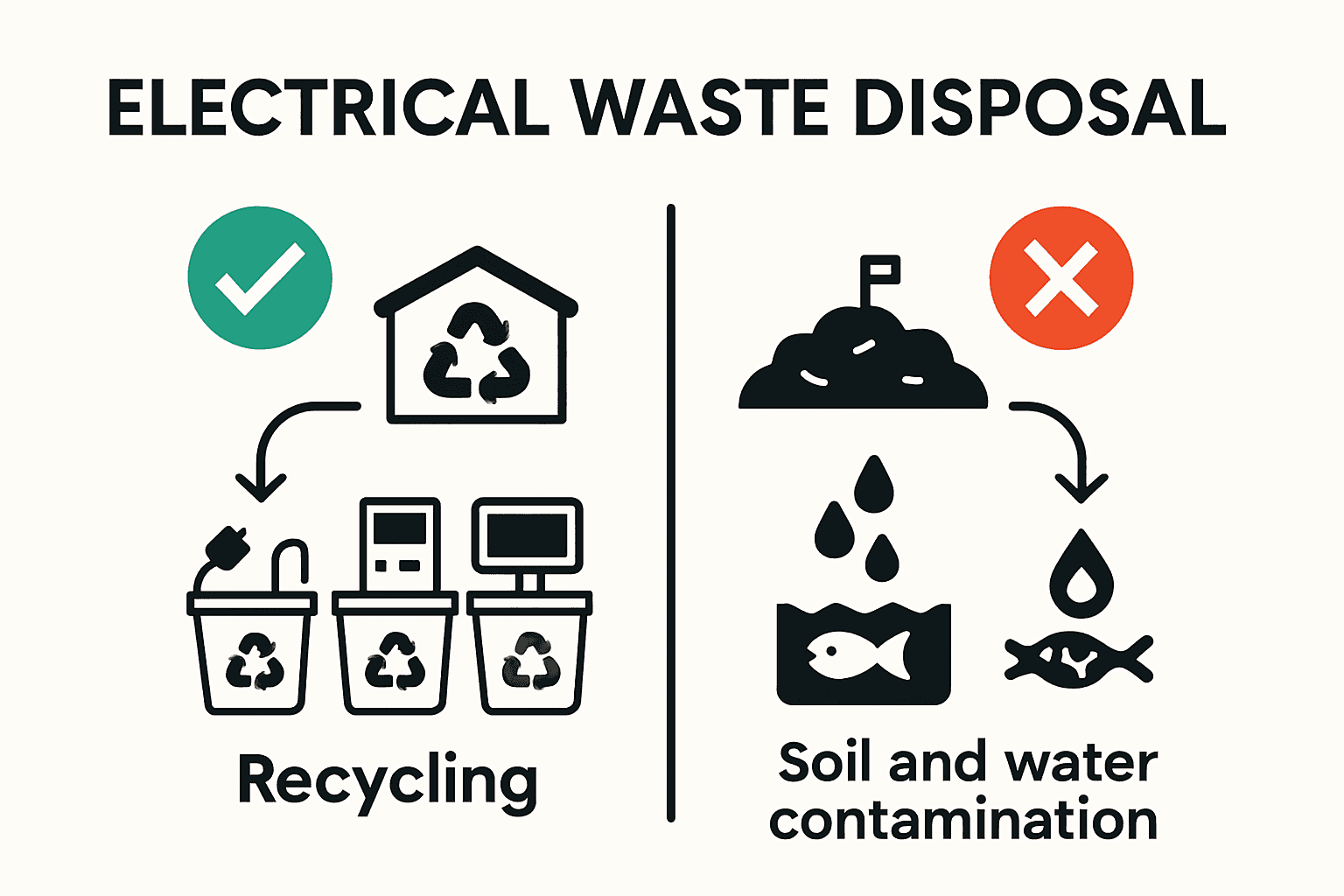
Proper electrical waste management isn’t just an environmental responsibility—it’s a legal requirement. Companies must develop systematic approaches to tracking, collecting, and responsibly disposing of their electronic equipment, ensuring they comply with UK regulations while minimizing their ecological footprint.

Types Of Electrical Waste In The UK

Electrical waste encompasses a broad spectrum of discarded electronic and electrical equipment, each presenting unique challenges for responsible disposal and environmental management. From household appliances to industrial machinery, these items require careful categorization and handling to mitigate potential ecological risks.

According to gov.uk, the UK government classifies electrical waste into several distinct categories, providing a comprehensive framework for understanding and managing these materials. The primary categories include:

  • Large Domestic Appliances: Refrigerators, washing machines, dishwashers
  • Small Mixed WEEE: Toasters, kettles, vacuum cleaners
  • Display Devices: Monitors, televisions, laptop screens
  • IT and Telecommunications Equipment: Computers, printers, mobile phones
  • Consumer Electronics: Audio and video equipment
  • Lighting Equipment: Fluorescent tubes, LED fixtures

Understanding the detailed classifications from gov.uk reveals that many of these items contain hazardous substances like persistent organic pollutants (POPs), making their proper disposal critically important. For instance, large domestic appliances often contain complex components that require specialized recycling processes to extract valuable materials and prevent environmental contamination.

Businesses and organizations must recognize that electrical waste isn’t just a single, uniform category. Each type of electronic equipment demands unique handling techniques, from data destruction for IT equipment to careful chemical management for devices containing toxic materials. Our comprehensive guide on WEEE waste can help organizations navigate these complex disposal requirements, ensuring both environmental responsibility and legal compliance.

Environmental And Human Health Impacts

Electrical waste represents a critical environmental challenge that extends far beyond simple disposal, presenting profound risks to both ecological systems and human health. The complex materials contained within electronic devices can create long-lasting environmental damage when not managed responsibly.

According to gov.uk, improper disposal of electrical products can lead to toxic chemicals leaking into the environment, creating serious contamination risks. These hazardous substances can penetrate soil, groundwater, and ultimately enter the food chain, posing significant threats to ecosystems and human populations.

The potential health and environmental impacts of electrical waste include:

  • Soil Contamination: Heavy metals like lead, mercury, and cadmium can render agricultural land unproductive
  • Water Pollution: Toxic chemicals can seep into groundwater, affecting drinking water sources
  • Air Quality Degradation: Burning electrical waste releases harmful chemical compounds
  • Biodiversity Disruption: Toxic substances can harm plant and animal life

The Health and Safety Executive highlights that components in WEEE, such as fluids in cooling appliances, contain hazardous substances like ozone-depleting chemicals. These substances require specialized removal and treatment to prevent environmental contamination and mitigate potential health hazards.

Businesses must recognize that responsible electrical waste management isn’t just an environmental obligation—it’s a critical public health imperative. By implementing proper recycling and disposal strategies, organizations can significantly reduce the potential for long-term ecological and health risks. Our guide on hazardous waste risks provides comprehensive insights into managing these complex waste streams effectively and safely.

UK Laws Governing Electrical Waste Disposal

The regulatory landscape surrounding electrical waste disposal in the United Kingdom is complex and multifaceted, designed to protect both environmental integrity and public health. Businesses must navigate a sophisticated framework of legal requirements that dictate every aspect of electrical waste management.

According to gov.uk, the UK government has established stringent regulations for classifying and disposing of Waste Electrical and Electronic Equipment (WEEE). These regulations mandate precise identification of hazardous components and demand meticulous adherence to proper disposal procedures.

Key legal obligations for businesses include:

  • Waste Classification: Accurately categorizing electrical waste based on its hazardous potential
  • Proper Segregation: Separating different types of electrical waste to prevent cross-contamination
  • Licensed Disposal: Using only authorized waste management facilities
  • Detailed Record-Keeping: Maintaining comprehensive documentation of waste streams

Government guidance on importing and exporting WEEE further emphasizes the legal complexities, particularly regarding international waste shipments. Businesses must notify authorities about hazardous waste movements and comply with strict restrictions on waste exportation, ensuring that disposal practices meet both domestic and international regulatory standards.

Navigating these legal requirements can be challenging, which is why understanding the nuanced regulations is crucial for organizational compliance. Our guide on waste disposal legal requirements offers comprehensive insights to help businesses effectively manage their electrical waste within the bounds of UK law.

Best Practices For Responsible Waste Management

Responsible electrical waste management goes beyond mere compliance—it represents a critical environmental and ethical commitment for businesses across the United Kingdom. By implementing strategic approaches, organizations can significantly reduce their ecological footprint while contributing to a more sustainable future.

According to the City of London, proper recycling practices are fundamental to supporting the circular economy and preventing environmental harm. This approach transforms waste from a liability into a valuable resource, encouraging businesses to view electrical waste not as trash, but as a potential opportunity for material recovery and environmental protection.

Key best practices for responsible electrical waste management include:

  • Comprehensive Inventory: Conduct regular audits of electrical equipment
  • Prioritize Reuse: Explore repair and refurbishment options before disposal
  • Segregate Waste: Separate different types of electrical waste to facilitate specialized recycling
  • Partner Strategically: Work with certified waste management providers
  • Employee Training: Develop internal protocols for proper waste handling
  • Documentation: Maintain detailed records of waste streams and disposal methods

Government guidance emphasizes the critical importance of utilizing local collection points and ensuring hazardous substances are safely managed. By recovering valuable materials and minimizing environmental impact, businesses can transform waste management from a regulatory requirement into a proactive sustainability strategy.

Infographic showing correct versus incorrect electrical waste disposal and their impacts.

Implementing these practices requires commitment and systematic approach. Our guide on recycling hazardous materials provides comprehensive insights to help businesses navigate the complexities of responsible electrical waste management, ensuring both environmental compliance and organizational excellence.

Take Control of Your Electrical Waste Today

The challenge of safely disposing of electrical waste in the UK is not just an environmental issue but a pressing legal and ethical responsibility. If you are concerned about hazardous substances, regulatory compliance, or the efficient recycling of WEEE waste, Venture Waste offers tailored solutions to ease this burden. Understand that improper handling can cause soil and water contamination and harm human health. Our expertise and services help you manage this complexity with confidence.

https://venturewaste.co.uk

Act now to turn your electrical waste challenges into opportunities for sustainability. Explore our dedicated WEEE Waste Archives for valuable insights and connect with trusted experts on https://venturewaste.co.uk to arrange responsible waste collection. Discover how our comprehensive waste management services secure your compliance and protect the environment in every step. Don’t wait—make your waste work for a greener future today.

Frequently Asked Questions

What is electrical waste and why is it a concern?

Electrical waste, or WEEE (Waste Electrical and Electronic Equipment), includes discarded electronic devices that can harm the environment due to hazardous materials like lead and mercury. Proper disposal is essential to prevent ecological damage.

How should I dispose of my electrical waste?

Electrical waste should never be thrown in regular household rubbish. Instead, you should take it to designated collection points or recycling centers that specialize in electronic waste disposal, ensuring compliance with legal requirements.

What types of items are classified as electrical waste?

Electrical waste encompasses a range of items, including large domestic appliances like refrigerators, small electronics such as toasters, IT equipment like computers, display devices such as televisions, and lighting equipment like fluorescent tubes.

What are the environmental impacts of improper electrical waste disposal?

Improper disposal of electrical waste can lead to soil and water contamination as toxic chemicals leak into the environment, harming ecosystems and human health. This includes risks like heavy metal contamination, air pollution from burning waste, and disruption of local biodiversity.

school electrical equipment inspection

How Schools Can Manage Broken Electrical Equipment Without Breaking the Rules

Nearly 45 percent of schools struggle to meet the latest safety standards when disposing of damaged electrical equipment. With stricter regulations and increased audits, one overlooked cord or forgotten laptop can put students and staff at risk. Learning how to assess, document, and properly dispose of faulty electronics is not just about compliance, it is about creating a safer environment and avoiding fines. Discover the steps needed to protect your school while handling electrical waste the right way.

Table of Contents

Quick Summary

Key Point Explanation
1. Conduct thorough inspections of equipment Regularly check for visible damages like frayed cords or cracks to maintain safety and compliance.
2. Maintain detailed documentation of waste Keep accurate records of damaged equipment for tracking and regulatory compliance, preserving them for at least seven years.
3. Engage licensed waste disposal services Partner with certified professionals for safe disposal of electrical equipment to ensure adherence to regulations.
4. Verify recycling procedures are followed Confirm that your waste management service complies with environmental regulations and provides proper documentation for audits.
5. Implement effective record-keeping systems Establish a systematic approach for organizing documents related to disposal, ensuring accessibility and protection against scrutiny.

Step 1: Assess Damaged Equipment for Compliance

In this crucial step, you will learn how to effectively evaluate electrical equipment for potential safety risks and regulatory compliance. As recommended by the Health and Safety Executive, a thorough initial assessment is critical for maintaining workplace safety.

Start by conducting a meticulous visual inspection of each piece of electrical equipment. Look for visible signs of damage such as frayed cords, cracked casings, exposed wiring, burn marks, or unusual discoloration. According to National Alliance of School Premises Management, annual Portable Appliance Testing (PAT) is considered best practice for identifying faulty electrical items like laptops, projectors, kettles, and extension leads.

Pay special attention to the overall condition and functionality of each item. If an electrical device shows any sign of potential malfunction or damage, immediately remove it from service. Document your findings thoroughly and flag items that require professional assessment or replacement. A systematic approach ensures you catch potential hazards before they become serious safety risks.

Pro Tip: When in doubt about an item’s safety, always consult a qualified electrical technician for a comprehensive evaluation.

The next step will involve properly documenting and categorizing your equipment assessment findings.

Step 2: Document and Segregate Electrical Waste Safely

In this critical stage, you will learn how to create systematic documentation and properly segregate electrical waste to ensure regulatory compliance and safety. As recommended by the Public Utilities Commission of Sri Lanka, maintaining detailed records of damaged equipment is essential for ongoing management and potential future inspections.

Begin by creating a comprehensive electrical waste register that includes specific details for each damaged item such as equipment type, date of identification, condition description, and recommended action. Organize your electrical waste into clear categories like repairable, recyclable, and non salvageable. Use separate designated containers or storage areas for different types of electrical equipment to prevent potential cross contamination or environmental hazards.

When documenting electrical waste, be meticulous and precise. Note the serial number, model, and specific damage for each item. According to regulatory guidelines, you should maintain hard copies of these records for at least seven years. This documentation not only helps with tracking but also provides a clear audit trail for potential future investigations or compliance checks.

school electrical waste sorting

Pro Tip: Colour code your waste containers and create clear labelling systems to make segregation more efficient and reduce the risk of mistakes.

The next step will involve preparing these documented items for proper disposal through approved waste management channels.

Step 3: Engage Licensed Waste Collection Services

In this crucial step, you will learn how to professionally and safely dispose of damaged electrical equipment by partnering with licensed waste management professionals. As recommended by the Health and Safety Executive, engaging competent professionals is essential when electrical equipment raises safety concerns.

Research and select a licensed waste collection service specializing in Waste Electrical and Electronic Equipment (WEEE) disposal. Look for providers with appropriate certifications and a proven track record in handling electrical waste responsibly. According to the National Alliance of School Premises Management, schools must act promptly and professionally when addressing electrical equipment maintenance and disposal.

Before scheduling collection, prepare a detailed inventory of the electrical items to be disposed of. This should include equipment type, quantity, and any specific handling requirements. Request a formal quote and ensure the waste collection service provides a certificate of disposal as proof of proper waste management.

This documentation is crucial for maintaining compliance with environmental regulations and demonstrating your commitment to responsible waste handling.

Pro Tip: Always verify the waste collection service’s licensing and environmental credentials before finalizing any disposal arrangements.

The final step will involve reviewing your waste management process and updating your school’s electrical safety protocols accordingly.

Step 4: Verify Proper Recycling and Disposal Procedures

In this crucial stage, you will learn how to systematically confirm that your electrical waste is being recycled and disposed of in full compliance with environmental regulations. As recommended by the Health and Safety Executive, verifying the safety and proper handling of electrical equipment extends beyond initial assessment to include responsible disposal.

Carefully review the waste collection service’s recycling processes and environmental credentials. Request detailed documentation that outlines their specific recycling methods for different types of electrical equipment. According to the National Alliance of School Premises Management, schools must take a proactive approach in ensuring that electrical systems and equipment are managed responsibly throughout their entire lifecycle.

Confirm that the waste management provider follows the Waste Electrical and Electronic Equipment (WEEE) Regulations. This includes verifying they have appropriate certification for handling different categories of electrical waste such as large household appliances, IT equipment, and electronic tools. Cross reference their disposal certificates with official environmental agency records and maintain copies of all disposal documentation for your own compliance records.

Pro Tip: Request a comprehensive waste transfer note that details the exact quantities and types of electrical equipment being recycled.

The final step will involve conducting a comprehensive review of your entire electrical waste management process to identify potential improvements for future procedures.

In this final stage, you will learn how to create and manage comprehensive documentation that ensures your school remains fully compliant with waste management regulations. As recommended by the Public Utilities Commission of Sri Lanka, maintaining meticulous records is crucial for potential legal and environmental audits.

Establish a systematic record keeping system that includes detailed documentation for every piece of electrical equipment disposed of. Your documentation should include specific details such as equipment type, serial number, date of disposal, waste collection service used, and certification of proper recycling. Create both digital and physical backup systems to ensure that you have multiple layers of record preservation. Each record should be comprehensive enough to withstand potential scrutiny during environmental compliance reviews.

Implement a robust filing protocol that organizes documents chronologically and categorically.

Infographic showing five steps for compliant electrical equipment disposal in schools. Ensure that all disposal certificates, waste transfer notes, and recycling verification documents are stored securely and remain easily accessible. According to best practices, maintain these records for a minimum of seven years to demonstrate ongoing commitment to responsible waste management and environmental stewardship.

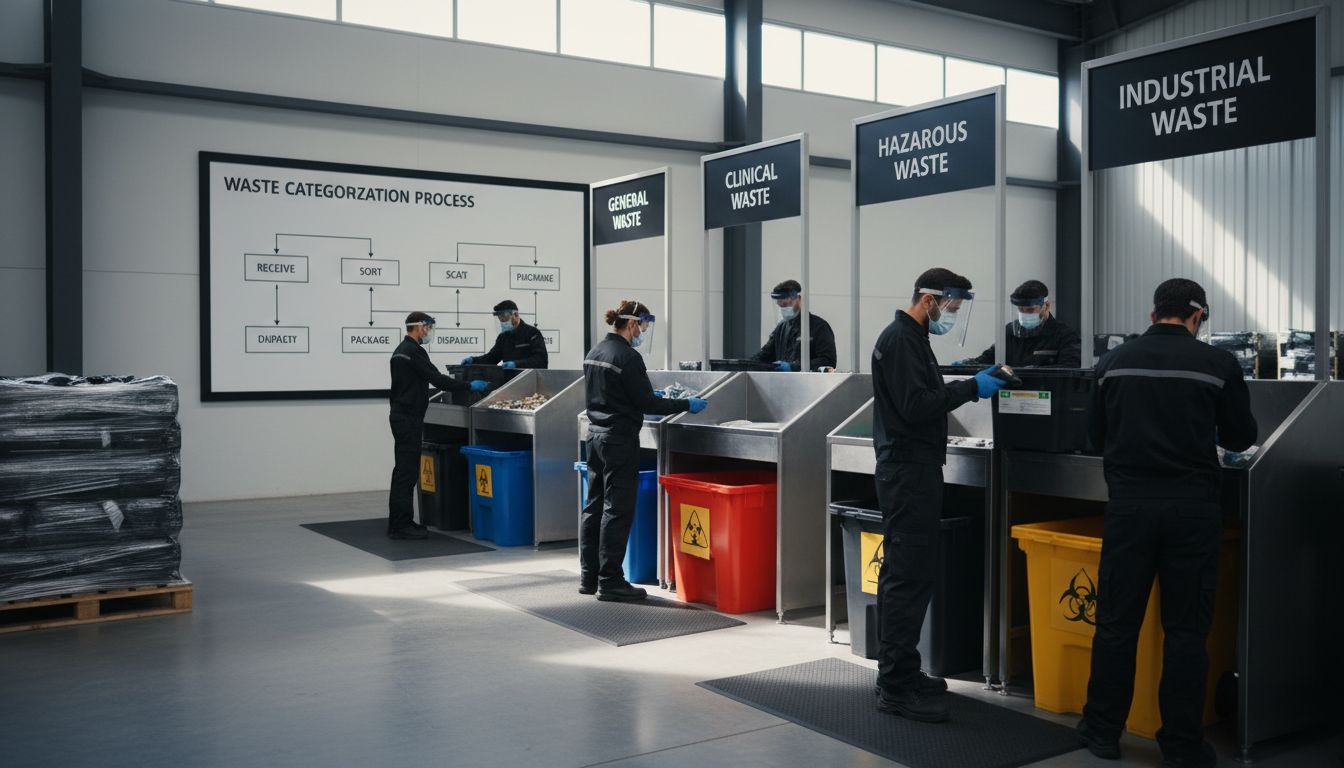
Pro Tip: Use a dedicated digital filing system with cloud backup to prevent accidental loss of critical documentation.

By following these record maintenance procedures, your school will be well prepared for any future environmental or legal assessments related to electrical waste disposal.

Simplify Your School’s Electrical Waste Management While Staying Compliant

Managing broken electrical equipment in schools can feel overwhelming. The worry about following strict regulations and ensuring environmental safety adds extra pressure on already busy staff. This article highlights the importance of assessing, documenting, and disposing of electrical waste responsibly to avoid risks and legal trouble.

At Venture Waste, we understand these challenges and provide tailored solutions to help schools manage their Waste Electrical and Electronic Equipment (WEEE) easily and in full compliance. Our licensed waste collection services ensure your damaged electrical items are handled safely, recycled properly, and documented thoroughly. Learn more about our specialised WEEE Waste services that align perfectly with the steps outlined in the article.

https://venturewaste.co.uk

Take control of your school’s electrical equipment disposal today. Visit Venture Waste to discover how simple it is to book professional, compliant waste management services that protect both your school community and the environment. Find peace of mind by partnering with experts committed to responsible recycling and legal adherence.

Explore our comprehensive solutions on WEEE Waste Archives – Venture Waste and learn how we support schools like yours every step of the way.

Frequently Asked Questions

How can schools assess damaged electrical equipment for safety compliance?

To assess damaged electrical equipment, conduct a thorough visual inspection for signs of damage such as frayed cords or burn marks. Remove any items showing potential safety risks from service immediately to ensure the safety of all users.

What steps should schools take to document broken electrical equipment?

Create a comprehensive electrical waste register that details each damaged item, including its type, condition, and recommended action. Organize this information clearly and maintain hard copies for at least seven years to comply with regulatory requirements.

How should schools properly segregate electrical waste?

Establish separate containers or storage areas for different types of electrical waste, categorizing them as repairable, recyclable, or non-salvageable. Use a color-coded labeling system to enhance clarity and efficiency in waste management procedures.

What qualifications should schools look for in waste collection services for electrical equipment?

When selecting a waste collection service, ensure they are licensed and have a proven track record in handling Waste Electrical and Electronic Equipment (WEEE). Request their certification details to confirm compliance with environmental regulations.

How can schools verify the recycling and disposal methods of waste collection services?

Review the waste collection service’s recycling processes and ask for documentation that outlines their methods for disposing of different types of electrical equipment. This verification helps ensure that the disposal meets environmental compliance standards.

Establish a detailed record-keeping system that includes disposal details for each piece of electrical equipment, such as the type, serial number, and certification of recycling. Keep these records organized and accessible for at least seven years to facilitate audits and compliance reviews.

waste transport compliance

Waste Transport Regulations: Complete UK Guide

Over one million tonnes of hazardous waste are transported every year under british regulations, yet only a small percentage of businesses fully understand the rules that keep people and the environment safe. The complex web of waste transport laws matters to every organisation handling byproducts, rubbish, or industrial materials. This guide explains the crucial details every business owner needs to know, from essential compliance steps to key risks that could lead to unlimited penalties.

Table of Contents

Key Takeaways

Point Details
Understanding Regulations Waste transport regulations are essential for ensuring safe and environmentally responsible waste management in the UK. Compliance with these regulations protects public health and the environment.
Licensing and Registration All businesses involved in waste transportation must register as carriers and obtain specific licenses to operate legally. Non-compliance can result in significant penalties.
Compliance Obligations Companies must classify, document, and track waste appropriately, ensuring it is transported to authorised facilities only. This fosters accountability in waste management practices.
Risks of Non-Compliance Improper waste transport can lead to environmental contamination, public health risks, and legal consequences, including unlimited fines for lack of registration. Businesses must proactively manage these risks.

What Are Waste Transport Regulations?

Waste transport regulations are comprehensive legal frameworks designed to ensure the safe, environmentally responsible movement of waste materials across the United Kingdom. According to the Health and Safety Executive, these regulations encompass critical aspects of waste management, including precise classification, appropriate packaging, safe loading procedures, comprehensive documentation, and specialized carriage requirements.

At their core, these regulations focus on managing potentially hazardous materials to protect public health, worker safety, and environmental integrity. The guidelines cover various waste categories, from industrial byproducts to household disposal materials, establishing strict protocols for transportation. Key elements include mandatory risk assessments, specific containment standards, and detailed tracking mechanisms to prevent potential environmental contamination.

Specifically for UK businesses, waste transport regulations mandate several critical compliance requirements. As outlined by UK Government guidance, organizations must demonstrate comprehensive understanding of waste classification, maintain accurate transportation records, and ensure all waste is transported by licensed carriers. These regulations apply to multiple sectors, including manufacturing, healthcare, construction, and retail, requiring businesses to implement robust waste management strategies.

Practically speaking, waste transport regulations address several crucial dimensions:

  • Precise waste categorization and hazard identification
  • Specialized packaging and containment requirements
  • Mandatory documentation and tracking procedures
  • Environmental protection protocols
  • Worker safety guidelines
  • Licensing and compliance verification processes

By establishing these comprehensive frameworks, waste transport regulations aim to create a systematic approach to waste management that prioritizes environmental sustainability, public safety, and responsible business practices.

Types of Waste and Transport Categories

Waste transport regulations in the United Kingdom categorize waste into distinct types, each requiring specific handling and transportation protocols. Government guidance emphasizes the critical importance of proper classification and documentation to ensure environmental safety and public health protection.

Waste Categories are typically divided into several key classifications:

  • General Waste: Non-hazardous materials from commercial and domestic sources
  • Hazardous Waste: Materials posing potential risks to human health or environment
  • Clinical/Medical Waste: Specialized waste from healthcare facilities
  • Industrial Waste: Byproducts from manufacturing and industrial processes
  • Special Waste: Materials requiring unique handling procedures

Particular attention must be given to hazardous waste transportation. As specified by UK Government regulations, certain waste types like international catering waste are classified as high-risk category 1 animal by-products, demanding stringent handling and disposal protocols. These regulations mandate specialized containment, tracking, and transportation methods to mitigate potential environmental and health risks.

Businesses transporting waste must comply with comprehensive requirements including:

  • Obtaining appropriate waste carrier licenses
  • Maintaining detailed transportation documentation
  • Using approved containment and packaging methods
  • Implementing robust tracking systems
  • Ensuring staff are trained in waste handling procedures
  • Following strict environmental protection guidelines

Understanding these waste transport categories is crucial for businesses across sectors, from manufacturing and healthcare to retail and construction, ensuring legal compliance and responsible waste management practices.

hazardous waste categorization

The legal framework governing waste transport in the United Kingdom is comprehensive and stringent, designed to ensure environmental protection and responsible waste management. UK Government regulations mandate that businesses involved in waste transportation, buying, selling, or disposing of waste must register as official waste carriers, brokers, or dealers. This registration process is not optional – failure to comply can result in unlimited financial penalties, underscoring the critical importance of legal adherence.

Key Licensing Requirements for waste transport businesses include:

  • Mandatory registration with environmental authorities
  • Obtaining specific waste carrier licenses
  • Demonstrating professional competence in waste management
  • Maintaining comprehensive waste transfer documentation
  • Proving financial stability and environmental responsibility
  • Regular renewal and updating of professional credentials

Environment Agency guidelines further specify that businesses engaged in waste activities such as recycling, treatment, storage, or disposal must secure specific environmental permits. These permits are legally binding and represent a crucial mechanism for ensuring that waste management practices meet rigorous national standards. Operating without the appropriate permit is not just a regulatory breach but can lead to significant legal enforcement actions, potentially including substantial fines and operational restrictions.

The licensing framework is designed to create multiple layers of accountability:

  • Preventing unauthorized waste transportation
  • Tracking waste movement and disposal
  • Protecting public health and environmental integrity
  • Ensuring professional standards in waste management
  • Providing a mechanism for regulatory oversight

For businesses in sectors ranging from construction and manufacturing to healthcare and retail, understanding and navigating these legal requirements is not just about compliance – it’s about demonstrating a commitment to responsible environmental stewardship and sustainable waste management practices.

Compliance Obligations for Waste Producers and Carriers

UK Government regulations establish comprehensive compliance obligations for waste producers and carriers, creating a robust framework to ensure responsible waste management. These regulations mandate that waste carriers must meticulously register, classify, and document waste, while also ensuring transportation only to authorized disposal sites. The requirements are designed to create a transparent and accountable waste management ecosystem.

Core Compliance Obligations include:

  • Mandatory registration as a waste carrier
  • Precise waste classification and documentation
  • Maintaining detailed transportation records
  • Transporting waste exclusively to authorized facilities
  • Implementing strict tracking mechanisms
  • Ensuring proper waste handling and containment protocols

Government guidance further emphasizes that waste operators must demonstrate technical competence by joining approved professional schemes. These schemes validate an organization’s capability to manage waste safely and in full compliance with environmental standards. Technical competence is not merely a bureaucratic requirement but a critical mechanism to ensure professional waste management practices that protect public health and environmental integrity.

The compliance framework creates multiple layers of accountability:

  • Comprehensive documentation of waste movement
  • Regular audits and verification processes
  • Mandatory record-keeping for specified periods
  • Transparent reporting mechanisms
  • Professional training and certification requirements

For businesses across various sectors, understanding and implementing these compliance obligations is fundamental. It’s not just about meeting legal requirements – it’s about contributing to a sustainable waste management ecosystem that protects our environment and public health.

Visual guide to legal waste transport compliance steps in the UK

Risks, Penalties, and Common Pitfalls

Health and Safety Executive guidelines highlight the significant risks associated with improper waste transport, emphasizing that non-compliance can lead to severe environmental and public health consequences. Businesses that fail to adhere to strict classification, packaging, and documentation requirements expose themselves to substantial legal and financial liabilities, making comprehensive understanding of waste transport regulations absolutely critical.

Primary Risks in Waste Transportation include:

  • Potential environmental contamination
  • Public health hazards
  • Legal prosecution
  • Substantial financial penalties
  • Reputational damage
  • Operational disruptions
  • Loss of waste carrier licenses

UK Government regulations underscore the severity of non-compliance by establishing that businesses can face unlimited fines for failing to register as waste carriers, brokers, or dealers. These penalties are not merely punitive but serve as a robust deterrent, compelling businesses to maintain rigorous waste management standards and legal accountability.

Common pitfalls that businesses must vigilantly avoid include:

  • Inadequate waste classification
  • Poor documentation practices
  • Insufficient staff training
  • Improper waste containment
  • Lack of tracking mechanisms
  • Failure to update carrier registrations
  • Transporting waste to unauthorized facilities

Navigating the complex landscape of waste transport regulations requires a proactive approach. Businesses must invest in comprehensive training, maintain meticulous records, and continuously update their waste management practices to mitigate risks and ensure full legal compliance.

Complying with the complex waste transport regulations in the UK can feel overwhelming. From precise waste classification to maintaining rigorous documentation and securing the correct licences, the risks of non-compliance are high and the penalties severe. Businesses face challenges such as ensuring proper waste containment, training staff thoroughly, and transporting waste only to authorised facilities. At Venture Waste Management, we understand these critical needs and provide tailored solutions that help you stay fully compliant while protecting your reputation and the environment.

https://venturewaste.co.uk

Discover how our expert team supports your waste management strategy through streamlined services like licensed hazardous waste handling and transparent documentation. Learn more about our efficient Waste Collection Process in the UK for Businesses 2025 – Venture Waste and explore the robustness of How the Waste Collection Network in UK Serves Businesses in 2025 – Venture Waste. Act now to secure compliant waste transport solutions that protect your business and the wider community. Visit us at Venture Waste Management to get started and experience waste services designed for your peace of mind.

Frequently Asked Questions

What are waste transport regulations?

Waste transport regulations are legal frameworks designed to ensure the safe and environmentally responsible transportation of waste materials. They cover classification, packaging, documentation, and handling of various waste types to protect public health and the environment.

What types of waste are regulated during transportation?

Waste transport regulations categorize waste into several types, including general waste, hazardous waste, clinical/medical waste, industrial waste, and special waste, each requiring specific handling and transportation protocols.

What are the licensing requirements for waste carriers?

Businesses involved in waste transportation must register as waste carriers and obtain specific licenses. This includes demonstrating professional competence, maintaining accurate transportation records, and securing environmental permits for certain waste activities.

What are the risks of non-compliance with waste transport regulations?

Non-compliance can lead to severe consequences, including environmental contamination, public health hazards, legal prosecution, substantial financial penalties, and reputational damage, highlighting the importance of strict adherence to regulations.