Cardboard recycling workers at UK facility

Cardboard Recycling North East: Business Solutions for 2025
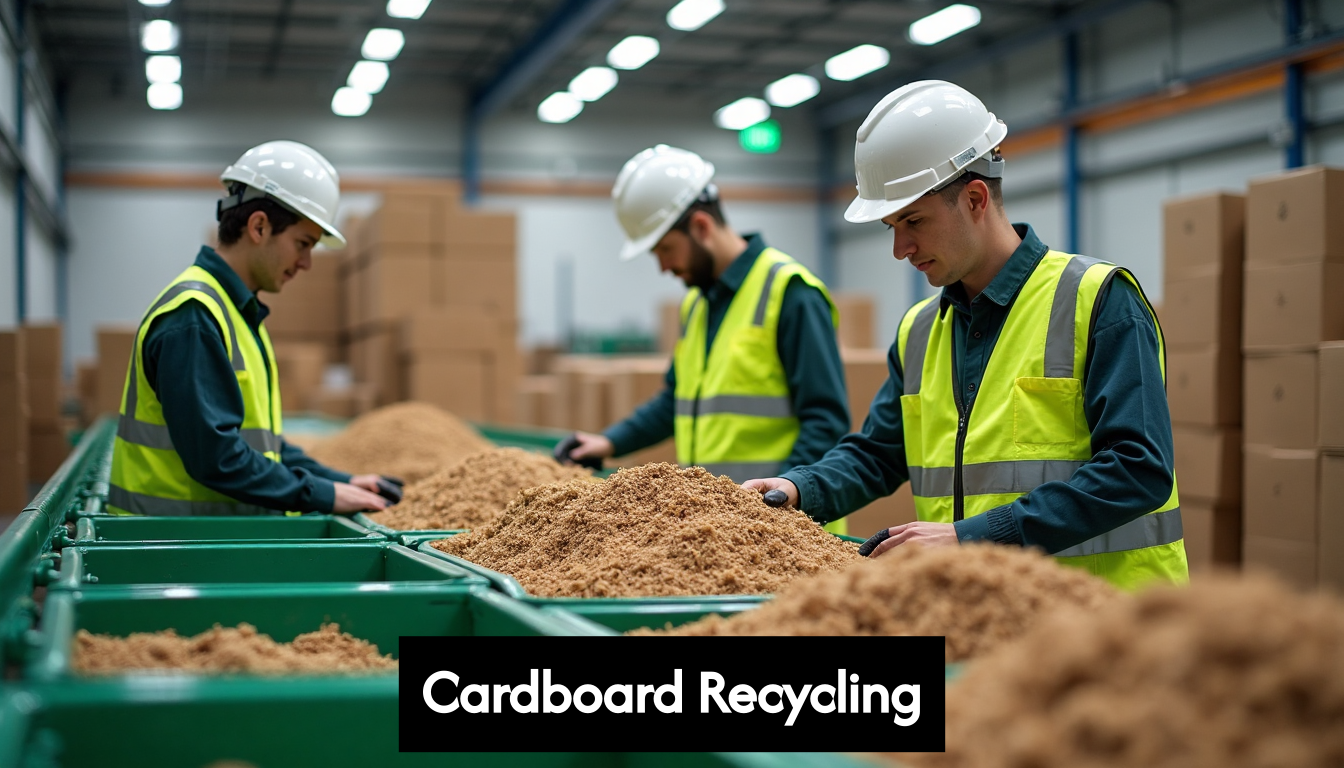
Cardboard recycling workers at UK facility

Cardboard recycling is about to shift dramatically for businesses in the North East. From March 2025, every company with ten or more staff must segregate cardboard and introduce dedicated collection systems. That is a legal obligation affecting thousands of firms. Many think this will mean extra hassle and rising costs. Here is the surprise: the right approach can slash expenses, unlock new revenue from your waste and give your business a stronger reputation for sustainability. Thin margins and tough regulations do not have to squeeze you. Smart recycling could be your advantage.

Table of Contents

Quick Summary

Takeaway Explanation
Separate Cardboard Recycling Required From 31 March 2025, businesses with ten or more employees must segregate cardboard from general waste and implement dedicated collection systems.
Invest in Waste Management Technology Businesses should adopt digital tracking systems and automated sorting technologies to streamline recycling processes and ensure compliance with new regulations.
Select a Compliant Recycling Partner Choosing a recycling partner with regulatory expertise, technological capabilities, and cost-effective solutions is vital for successful compliance with the 2025 Simpler Recycling mandate.
Capitalize on Financial Savings Implementing effective cardboard recycling strategies can lead to significant cost reductions in waste management and potential revenue from selling recycled materials.
Focus on Staff Training Comprehensive training for employees on new waste sorting protocols is essential to meet the regulations and improve overall recycling efficiency.

Cardboard Recycling Options for North East Businesses

Businesses across the North East face significant changes in cardboard recycling regulations for 2025. The upcoming Simpler Recycling mandate requires companies to transform their waste management strategies, particularly in cardboard disposal and recycling processes.

2025 cardboard recycling rules and compliance steps graphic

Understanding New Recycling Requirements

From 31 March 2025, businesses with ten or more full-time employees must implement separate collections for recyclable materials. According to government waste management guidelines, cardboard will need to be systematically segregated from other waste streams. This means traditional mixed waste approaches are no longer acceptable.

The new regulations demand a more structured approach to cardboard management. Businesses will need to:

  • Segregate cardboard: Remove all cardboard materials from general waste bins
  • Implement dedicated collection systems: Create specific containers for cardboard recycling
  • Train staff: Ensure employees understand new waste sorting protocols

Cost-Effective Cardboard Management Strategies

North East businesses can minimize compliance costs and environmental impact through strategic waste management. Waste reduction experts recommend investing in waste balers as a critical solution. These machines compact cardboard, significantly reducing the number of collection bins required and lowering overall waste management expenses.

Companies can achieve multiple benefits by adopting efficient cardboard recycling practices:

  • Reduce waste collection costs: Compact cardboard reduces bin volume
  • Minimize environmental footprint: Increase recycling efficiency
  • Demonstrate corporate responsibility: Show commitment to sustainable practices

Technology and Compliance Solutions

Technology plays a crucial role in modern cardboard recycling. Modern waste management systems allow businesses to track, measure, and optimize their recycling efforts. By implementing digital tracking and reporting mechanisms, companies can ensure they meet the UK government’s recycling guidelines.

Businesses should consider:

  • Digital waste tracking software
  • Automated sorting technologies
  • Comprehensive staff training programs

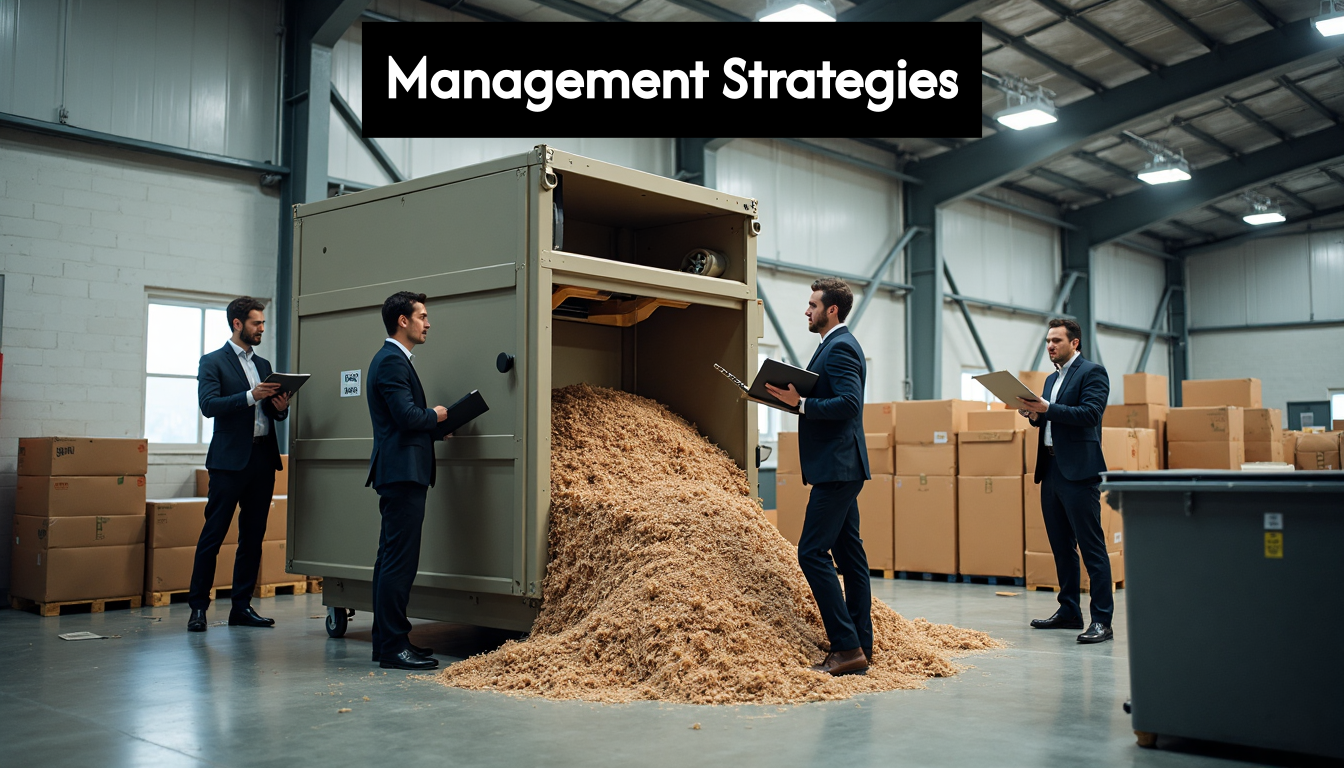
Staff operating cardboard baler in warehouse

The transition to more sophisticated cardboard recycling is not just a regulatory requirement but an opportunity for North East businesses to lead in sustainable waste management practices. By proactively adapting to these changes, companies can turn a compliance challenge into a competitive advantage.

How to Manage Confidential and Hazardous Waste

Navigating the complex landscape of confidential and hazardous waste management requires strategic planning and meticulous execution for North East businesses. The 2025 regulatory environment demands comprehensive approaches to waste disposal that protect both sensitive information and environmental safety.

Confidential Waste Disposal Protocols

Businesses must implement rigorous procedures for handling sensitive documents and materials. Our comprehensive guide to hazardous waste handling highlights the critical importance of secure destruction methods. According to waste management experts, proper confidential waste management involves several key steps:

  • Secure Collection: Use locked confidential waste bins
  • Verified Destruction: Implement certificated shredding processes
  • Comprehensive Documentation: Maintain detailed destruction logs

Particularly for sectors handling sensitive information like legal firms, healthcare providers, and financial institutions, these protocols are not just recommended but legally mandatory. The risk of data breaches can result in significant financial penalties and reputational damage.

Hazardous Waste Classification and Handling

Identifying and properly managing hazardous waste requires specialized knowledge. Different waste types demand unique disposal strategies. Research from environmental compliance experts indicates that businesses must categorize their waste carefully:

  • Chemical Waste: Requires specialized containment and neutralization
  • Electronic Waste: Needs specific recycling and breakdown procedures
  • Biological Materials: Demands stringent safety protocols

Micro-enterprises with fewer than ten full-time employees have until 31 March 2027 to fully implement these comprehensive waste management strategies, while most businesses must comply by 31 March 2025.

Technology and Training in Waste Management

Successful waste management extends beyond physical processes. Advanced technological solutions and comprehensive staff training are crucial. Digital tracking systems enable businesses to monitor waste streams, ensuring compliance and identifying potential improvement areas.

Key technological interventions include:

  • Waste Tracking Software: Real-time monitoring of disposal processes
  • Digital Certification Systems: Automated compliance documentation
  • Training Simulation Platforms: Interactive learning for staff

Businesses that proactively invest in these systems will not only meet regulatory requirements but also demonstrate corporate responsibility. The goal is transforming waste management from a compliance challenge into a strategic advantage that protects both informational integrity and environmental sustainability.

Benefits of Cardboard Recycling for Large Organisations

Large organisations across the North East face a transformative opportunity in cardboard recycling. The 2025 regulatory landscape demands more than mere compliance. Strategic cardboard recycling can become a powerful tool for organisational efficiency, financial savings, and environmental responsibility.

Financial and Operational Advantages

Efficient cardboard recycling represents a significant economic opportunity for businesses. Research from waste management experts suggests UK businesses could save an estimated £23 billion annually by implementing sophisticated recycling practices. These savings emerge through multiple channels:

  • Reduced Waste Management Costs: Lower disposal expenses
  • Resource Efficiency: Minimized raw material procurement
  • Potential Revenue Streams: Selling compacted cardboard materials

Large organisations can transform waste management from a cost centre into a potential revenue generator. By investing in advanced sorting and compaction technologies, companies can create more streamlined waste management processes.

Sustainability and Corporate Reputation

Modern consumers and stakeholders increasingly evaluate businesses through their environmental credentials. Industry compliance research indicates that sustainable practices directly influence corporate reputation and market positioning.

Companies implementing comprehensive cardboard recycling strategies can:

  • Demonstrate Environmental Leadership: Show commitment to sustainability
  • Attract Environmentally Conscious Customers: Enhance brand perception
  • Differentiate from Competitors: Create a distinctive market position

Technological Integration and Compliance

The most successful organisations view cardboard recycling not as a regulatory burden but as an opportunity for technological innovation. Advanced waste tracking systems, digital certification processes, and automated sorting technologies can transform recycling from a mundane task into a strategic business function.

Key technological interventions include:

  • Real-time Waste Tracking: Monitor recycling performance
  • Automated Sorting Systems: Improve efficiency
  • Digital Reporting Mechanisms: Ensure regulatory compliance

Businesses that proactively embrace these technological solutions will not only meet the March 2025 regulatory requirements but position themselves as industry leaders in sustainable waste management. The goal extends beyond mere compliance to creating a holistic approach that benefits the organisation, the community, and the environment.

Finding the Right Recycling Partner in the North East

Selecting an appropriate recycling partner is crucial for North East businesses preparing for the 2025 Simpler Recycling regulations. The right waste management partner can transform compliance from a challenging obligation into a strategic advantage.

Compliance and Regulatory Expertise

Businesses must prioritize recycling partners with comprehensive understanding of the latest waste management regulations. According to industry compliance experts, all businesses with 10 or more full-time employees must have compliant recycling services in place by 31 March 2025.

Key factors for selecting a recycling partner include:

  • Regulatory Knowledge: Demonstrates understanding of Simpler Recycling 2025
  • Certification: Holds current waste management accreditations
  • Local Expertise: Understands North East business landscape

A competent recycling partner should provide clear documentation and transparent processes that align with the new regulatory requirements. This includes separate collection mechanisms for different recyclable materials, ensuring businesses meet their legal obligations.

Technological Capabilities and Reporting

Research from waste management specialists indicates that modern recycling partners must offer advanced technological solutions. The ideal partner provides:

  • Digital Tracking Systems: Real-time waste stream monitoring
  • Comprehensive Reporting: Detailed documentation of recycling processes
  • Environmental Impact Analysis: Measurable sustainability metrics

Businesses should seek partners who can demonstrate how they will help organisations transition smoothly to the new recycling regulations. This includes providing clear guidance on waste segregation, offering tailored waste management strategies, and supporting ongoing compliance efforts.

Cost-Effectiveness and Environmental Impact

Beyond compliance, the right recycling partner should offer tangible economic and environmental benefits. Sustainable waste management experts emphasize the importance of viewing recycling as a strategic business opportunity.

Consider partners who can:

  • Reduce Waste Management Costs: Optimize recycling processes
  • Generate Potential Revenue: Create value from recyclable materials
  • Demonstrate Sustainable Practices: Enhance corporate environmental credentials

The selection process requires careful evaluation. North East businesses should conduct thorough due diligence, requesting comprehensive proposals, checking references, and understanding each potential partner’s approach to the 2025 recycling regulations.

Ultimately, the right recycling partner is more than a service provider. They become a strategic ally in navigating the complex landscape of waste management, helping businesses transform regulatory compliance into a competitive advantage that benefits both the bottom line and the environment.

Frequently Asked Questions

What are the new cardboard recycling regulations for businesses in the North East?

From 31 March 2025, all businesses with ten or more employees must implement separate collections for cardboard, ensuring it is not mixed with general waste.

How can businesses effectively manage cardboard disposal under these new regulations?

Companies can adopt cost-effective strategies such as using waste balers to compact cardboard, reducing collection frequency and costs, while also training staff on proper waste sorting methods.

What technology solutions are available for cardboard recycling compliance?

Businesses should consider digital waste tracking software and automated sorting technologies to streamline their recycling efforts and ensure compliance with government regulations.

How can I find a compliant recycling partner for cardboard in the North East?

Look for recycling partners with expertise in regulatory compliance, advanced technological capabilities, and a proven track record of reducing costs and enhancing sustainability in waste management.

Make Cardboard Recycling Easy for Your North East Business

Feeling the pressure of the 2025 recycling regulations and worried about cardboard segregation, compliance, or hidden costs? The article highlights the new requirements to separate cardboard, the need for staff training, and the stress of new legal obligations. These changes can be overwhelming, especially with the threat of penalties and costs stacking up. However, you do not have to face these changes alone.

https://venturewaste.co.uk

Let Venture Waste show you a smarter, simpler way to stay ahead. From cardboard and confidential waste management to hassle-free pickups and compliance guarantees, we deliver tailored solutions so you can focus on running your business. Discover how our expert recycling services and easy three-step booking process can help you meet all legal requirements before the March 2025 deadline. Visit Venture Waste Management now or explore our confidential waste services for total peace of mind. Book today so your business can save money, boost reputation, and stay compliant before time runs out.

Hazardous waste bins outside UK workplace

Hazardous Waste Disposal for UK Businesses: A 2025 Guide

Hazardous waste bins outside UK workplace

Hazardous waste is about to take centre stage for UK businesses. From 31st March 2025, strict new waste separation rules will transform how companies handle even the smallest battery or can of paint. Most business owners are bracing for piles of paperwork and costly red tape. The real surprise is just how straightforward compliance can be if you grasp a few key moves from the start.

Table of Contents

Quick Summary

Takeaway Explanation
Understanding Hazardous Waste Businesses must accurately identify and classify hazardous waste, which can include chemicals, e-waste, medical waste, and industrial byproducts to ensure proper management and legal compliance.
New Waste Separation Regulations From 31st March 2025, England will enforce new regulations requiring businesses to implement specific waste separation and handling procedures, including storing hazardous waste separately and maintaining detailed documentation.
Robust Disposal Methods Compliance in hazardous waste disposal requires accurate segregation, licensed transportation, and the use of advanced recycling and treatment techniques to mitigate environmental impact.
Safe Handling of Materials Effective management of chemicals, batteries, and WEEE involves strict safety protocols, including proper storage, employee training, and using certified recycling services.
Choosing a Disposal Service Select a waste disposal provider based on compliance certifications, proven expertise, and commitment to environmental responsibility to ensure legal adherence and mitigate organizational risks.

Understanding Hazardous Waste in the Workplace

Hazardous waste represents a significant challenge for UK businesses across multiple sectors. These materials pose potential risks to human health and the environment, requiring careful management and precise disposal protocols. Understanding what constitutes hazardous waste and how to handle it safely is crucial for legal compliance and workplace safety.

Infographic showing types of hazardous waste in business

Defining Hazardous Waste in Business Contexts

Hazardous waste includes materials that are dangerous or potentially harmful to human health or the environment. These substances typically exhibit one or more characteristics such as toxicity, reactivity, corrosiveness, or ignitability. According to UK Environment Agency regulations, businesses must carefully identify and classify their waste streams to ensure proper management.

Common examples of hazardous waste in workplace settings include:

  • Chemical Waste: Solvents, acids, pesticides, and industrial chemicals
  • Electronic Waste: Computers, batteries, and electrical equipment containing toxic materials
  • Medical Waste: Contaminated materials from healthcare facilities
  • Industrial Byproducts: Oils, paint residues, and manufacturing waste

From 31st March 2025, businesses in England will face new waste separation regulations that mandate specific waste handling procedures. The Hazardous Waste (England and Wales) Regulations 2005 establish clear guidelines for waste disposal. Businesses must:

  1. Correctly classify all hazardous waste materials
  2. Store hazardous waste separately from other waste streams
  3. Ensure collection by licensed waste carriers
  4. Maintain detailed consignment documentation for each waste collection
  5. Prevent environmental contamination during storage and disposal

Workplace Safety and Environmental Responsibility

Effective hazardous waste management goes beyond legal compliance. It represents a critical aspect of corporate social responsibility and workplace safety. Our guide on responsible waste disposal provides comprehensive insights into best practices.

Businesses must implement robust training programmes to educate employees about hazardous waste identification, handling, and disposal. This includes providing appropriate personal protective equipment, establishing clear emergency protocols, and maintaining detailed record-keeping systems.

The environmental implications of improper hazardous waste disposal are significant. Incorrect handling can lead to soil contamination, water pollution, and potential health risks for workers and surrounding communities. By adopting a proactive approach to waste management, businesses can mitigate these risks and demonstrate their commitment to sustainable practices.

Understanding and managing hazardous waste is not just a regulatory requirement but a fundamental responsibility for modern businesses. Comprehensive knowledge, careful planning, and a commitment to safety are essential in navigating the complex landscape of hazardous waste disposal.

Compliant Hazardous Waste Disposal Methods

Complex and stringent regulations govern hazardous waste disposal for UK businesses. Compliance requires a comprehensive approach that balances legal requirements, environmental protection, and operational efficiency. Proper disposal methods are not merely recommendations but critical legal obligations that protect public health and the environment.

Waste Segregation and Classification Protocols

Accurate waste segregation forms the foundation of compliant hazardous waste management. According to UK Waste Regulations 2011, businesses must meticulously separate different types of hazardous waste to ensure appropriate treatment. This process involves:

  • Chemical Waste Sorting: Separating different chemical compositions to prevent dangerous interactions
  • Physical State Categorisation: Distinguishing between solid, liquid, and gaseous hazardous materials
  • Toxicity Level Assessment: Identifying and isolating materials based on their potential environmental and health risks

Businesses must develop robust internal systems that train employees in precise waste identification and segregation techniques. Our comprehensive waste management guide provides detailed insights into effective sorting strategies.

Transportation and Treatment Standards

Hazardous waste transportation requires strict adherence to legal frameworks established by the Environment Agency. According to regulatory guidelines, businesses must:

  1. Use licensed waste carriers certified for hazardous material transportation
  2. Maintain comprehensive documentation for each waste shipment
  3. Ensure proper packaging that prevents leakage or contamination
  4. Use specialized containers designed for specific types of hazardous waste
  5. Follow precise route planning to minimise potential environmental risks

The Duty of Care regulations mandate that businesses remain responsible for their waste from generation to final disposal, requiring meticulous tracking and verification of disposal processes.

Advanced Disposal and Recycling Techniques

Modern hazardous waste disposal extends beyond traditional disposal methods. Emerging technologies and regulatory changes are driving more sophisticated approaches to waste management. From 31st March 2025, new waste separation regulations will require businesses to implement advanced recycling and treatment techniques.

Technicians handle hazardous waste at facility

These advanced methods include:

  • Thermal treatment processes for chemical waste
  • Specialized recycling techniques for electronic and industrial waste
  • Conversion of hazardous materials into less harmful substances
  • Energy recovery from certain types of hazardous waste streams

Businesses must invest in continuous training and technological upgrades to remain compliant with evolving waste management standards. The goal is not just legal adherence but creating sustainable waste management practices that minimise environmental impact.

Successful hazardous waste disposal requires a holistic approach combining legal knowledge, technological innovation, and a commitment to environmental responsibility. By understanding and implementing these comprehensive disposal methods, UK businesses can effectively manage their hazardous waste while protecting public health and the environment.

Safe Handling of Chemicals, Batteries, and WEEE

Safe handling of hazardous materials represents a critical responsibility for UK businesses. Chemicals, batteries, and Waste Electrical and Electronic Equipment (WEEE) require specialized management to protect workplace safety, human health, and environmental integrity. Understanding the unique risks and precise handling protocols for these materials is essential for legal compliance and responsible waste management.

Chemical Waste Management Protocols

Chemical waste demands meticulous handling and disposal strategies. According to UK Government Guidelines, businesses must implement comprehensive safety measures that prevent potential environmental contamination and workplace risks.

Key considerations for chemical waste management include:

  • Storage Requirements: Use chemically resistant containers with secure sealing
  • Segregation Protocols: Separate incompatible chemical substances to prevent dangerous reactions
  • Personal Protective Equipment: Mandate appropriate protective gear during handling
  • Detailed Inventory Management: Maintain accurate records of chemical waste types and quantities

Battery and Electronic Waste Disposal

Batteries and electronic waste pose unique disposal challenges. Our specialized battery disposal guide highlights the critical steps businesses must take to ensure safe and compliant disposal.

Battery and electronic waste handling requires specific attention:

  1. Separate different battery chemistries (lithium, lead-acid, alkaline)
  2. Use designated collection containers for electronic equipment
  3. Prevent potential fire risks through proper storage
  4. Engage certified recycling partners for processing
  5. Document all disposal activities for regulatory compliance

WEEE Management and Sustainability

Waste Electrical and Electronic Equipment (WEEE) represents a growing environmental concern. Research from the Environment Agency indicates that businesses must adopt increasingly sophisticated approaches to electronic waste management.

Effective WEEE management involves:

  • Comprehensive asset tracking for electronic equipment
  • Secure data destruction for devices containing sensitive information
  • Identifying opportunities for equipment refurbishment and reuse
  • Partnering with certified electronic waste recycling providers
  • Implementing circular economy principles in technology procurement

Businesses must recognize that safe handling of hazardous materials extends beyond immediate disposal. It requires a holistic approach that integrates risk management, environmental stewardship, and continuous staff training.

The evolving regulatory landscape demands proactive management strategies. By investing in robust handling protocols, businesses can mitigate risks, ensure legal compliance, and contribute to broader environmental sustainability objectives. Careful management of chemicals, batteries, and electronic waste is not just a regulatory requirement but a fundamental aspect of responsible corporate citizenship.

Choosing a Reliable Hazardous Waste Disposal Service

Selecting an appropriate hazardous waste disposal service is a critical decision for UK businesses, requiring careful evaluation of multiple factors beyond simple cost considerations. The right waste management partner ensures legal compliance, environmental protection, and minimises potential organisational risks associated with hazardous material disposal.

Essential Compliance and Certification Criteria

Businesses must thoroughly assess potential waste disposal services against rigorous compliance standards. According to UK Government Guidelines, several key certifications and credentials are non-negotiable when selecting a hazardous waste disposal provider.

Critical certification requirements include:

  • Environment Agency Registration: Verify the waste carrier’s official registration number
  • Waste Management Licence: Confirm current and valid waste management licensing
  • Professional Accreditations: Look for ISO 14001 environmental management certification
  • Insurance Coverage: Ensure comprehensive liability insurance for waste transportation and disposal

Comprehensive Service Evaluation Methodology

Beyond basic compliance, businesses should conduct a comprehensive evaluation of potential waste disposal partners. Our comprehensive waste collection guide recommends a systematic approach to service selection.

Key evaluation criteria include:

  1. Demonstrated expertise in handling specific types of hazardous waste
  2. Transparent reporting and documentation processes
  3. Proven track record of environmental responsibility
  4. Flexible collection and disposal scheduling
  5. Advanced technological capabilities for waste processing
  6. Competitive pricing with demonstrated value

Risk Management and Environmental Responsibility

Choosing a hazardous waste disposal service extends far beyond transactional considerations. Research from the Environment Agency emphasises the critical role of waste management partners in organisational risk mitigation and environmental stewardship.

Strategic considerations for risk management include:

  • Comprehensive waste stream analysis capabilities
  • Detailed documentation and traceability protocols
  • Commitment to circular economy principles
  • Innovative recycling and waste reduction strategies
  • Transparent reporting on environmental impact

Businesses must recognise that their waste disposal partner becomes an extension of their corporate environmental responsibility. The selection process should prioritise providers who demonstrate a holistic approach to waste management, combining regulatory compliance with innovative environmental solutions.

The 2025 regulatory landscape demands unprecedented levels of accountability. By carefully selecting a waste disposal service that aligns with rigorous compliance standards, technological innovation, and environmental consciousness, businesses can transform waste management from a regulatory obligation into a strategic organisational advantage.

Ultimately, the right hazardous waste disposal service is not just a service provider but a critical partner in achieving sustainable, responsible business operations.

Frequently Asked Questions

What constitutes hazardous waste in a business context?

Hazardous waste includes materials harmful to human health or the environment, such as chemicals, e-waste, medical waste, and industrial byproducts. Businesses must accurately identify and classify these materials to ensure proper management.

What are the new hazardous waste regulations coming into effect in 2025?

From 31st March 2025, new waste separation regulations will require UK businesses to implement specific procedures, including storing hazardous waste separately, maintaining detailed documentation, and using licensed waste carriers for collection.

How should UK businesses properly handle and dispose of hazardous waste?

Businesses must implement waste segregation protocols, ensure licensed transportation, and utilise advanced disposal and recycling techniques. Training staff in safe handling procedures and maintaining accurate records are also essential.

How can I choose a reliable hazardous waste disposal service?

When selecting a waste disposal provider, assess their compliance certifications, expertise in hazardous waste management, transparent documentation processes, and commitment to environmental responsibility. Look for registered carriers and accredited services.

Ready to Make Hazardous Waste Compliance Effortless in 2025?

The new 2025 regulations mean mismanaging hazardous waste can quickly lead to fines, confusion and unnecessary stress for your team. Many businesses are anxious about complicated waste segregation rules, stricter documentation and the risk of missing compliance with batteries, chemicals and electronic equipment. Instead of worrying about complex requirements or accidental non-compliance, you can bring in the experts behind the scenes.

https://venturewaste.co.uk

Discover how Venture Waste Management turns strict hazardous waste disposal into a simple, smooth process for every UK workplace. Whether you need safe handling of WEEE or battery waste, our WEEE Waste services cover advanced recycling and traceability so nothing gets missed. Cut through the paperwork and let our team manage your waste so you can focus on your business. Book your compliant hazardous waste collection today and turn upcoming regulations into real peace of mind.

How would the UK government’s planned resources and waste strategy affect your business?

How would the UK government’s planned resources and waste strategy affect your business?

The UK government has ambitious plans to change the way England deals with business waste, moving towards a circular economy.

Its proposed Resources and Waste Strategy for England aims to bring the country into line with what’s already been happening in Scotland and Northern Ireland.

If this strategy is implemented, businesses and households will need to reduce the amount of resources used, recycle more, and re-use them wherever possible. The amount of business waste must be reduced, and innovative, creative methods need to be employed to achieve that.

Alongside that, there is the principle that the ‘polluter pays’. In other words, manufacturers and producers will bear more of the burden for dealing with waste they create.

The strategy also puts forward legal and financial incentives for businesses to do the right thing, and it says there will be better information about waste reduction and better recycling infrastructure.


What are the aims of the government’s strategy?

The government’s proposed strategy aims to eliminate avoidable waste by 2050 and work towards a doubling of productivity when using resources. 

It looks at eight areas:

  • How resources are managed and recovered
  • Changing consumer behaviour
  • Dealing with waste crime
  • Cutting out food waste
  • Making production sustainable
  • Promoting research and innovation
  • Measuring progress
  • What Britain’s role will be globally


What will you need to do about your business waste?

The proposed strategy is out for consultation. If the plan is adopted, you will need to review your business’s current waste and recycling arrangements to see if they match the strategy.

Simply having general business waste collections won’t be enough to comply with it. As a minimum requirement, you’ll need to make sure you have a food waste recycling service and a dry mixed recycling service in place.

You’ll also need to separate difficult to recycle waste from the other recycling so that loads are not spoiled by it.

The drinks industry would see a deposit return scheme for containers of drinks on the go such as bottled water and coffee. The government says its studies have shown this could boost recycling rates in this sector by 20%.

For retailers, this means looking at how you would deal with deposits in till operations. For manufacturers, there are the issues of storing returned bottles and cups and processing them.

The strategy aims to increase the packaging waste recycling rate to 70% by making packaging producers financially responsible for dealing with it, giving local authorities a useful new source of funding.

Businesses would also be encouraged to ensure their plastics were recyclable thanks to a tax on plastic packaging which is composed of less than 30% recyclable materials, the strategy says.


Will your business need help to get ready for the new plans? Call our experienced business waste consultants on 0333 3600265