

Benefits of Skip Hire for Sustainable Waste Disposal
A single missed skip hire mistake can lead to costly fines for british facilities managers responsible for commercial sites. Modern waste disposal in the United Kingdom demands strict compliance with environmental rules while handling large volumes generated by offices and retail properties. Discover how strategic skip hire not only supports regulatory standards but also enhances sustainability and tidiness across your site, helping you avoid common pitfalls and minimise unnecessary costs.
Table of Contents
- What Is Skip Hire and When Is It Used?
- Types of Skips and Waste Accepted
- How Skip Hire Streamlines Waste Management
- Legal Compliance and Environmental Responsibility
- Cost Efficiency and Common Mistakes to Avoid
Key Takeaways
| Point | Details |
|---|---|
| Importance of Skip Hire | Skip hire is essential for effective waste management in construction and renovation projects, enabling efficient collection and disposal of substantial waste volumes. |
| Types and Sizes of Skips | Different skip sizes are available, catering to various waste types, from small domestic projects to large commercial clearances, ensuring appropriate waste handling. |
| Legal and Environmental Compliance | Understanding legal obligations and waste segregation is crucial for avoiding penalties and promoting sustainable waste disposal practices. |
| Cost Efficiency Strategies | Careful planning, including selecting the right skip size and understanding local regulations, can significantly reduce costs associated with skip hire services. |
What Is Skip Hire and When Is It Used?
Skip hire is a professional waste management service that provides large containerised solutions for collecting and disposing of significant quantities of waste across various industries and settings. These robust metal containers, commonly known as skips, are strategically designed to handle substantial waste volumes efficiently.
On construction sites and during renovation projects, skip hire becomes an essential waste management strategy. Construction waste management requires systematic approaches to safely collect and transport debris, materials, and unwanted items. Skips come in multiple sizes ranging from small 2-yard containers suitable for domestic clearances to large 40-yard rollonoff skips capable of handling extensive commercial or industrial waste streams.
Typical scenarios where skip hire proves invaluable include:
- Building and renovation projects
- Home and garden clearances
- Commercial site demolitions
- Landscaping and groundworks
- Office refurbishments
- Industrial site clean-ups
The strategic use of skips supports responsible waste disposal by enabling proper segregation and facilitating recycling efforts. Waste segregation through colour-coded skips allows different waste types to be collected separately, enhancing environmental sustainability and regulatory compliance.
Top Tip: Always assess your precise waste volume and type before selecting a skip size to optimise cost-effectiveness and ensure efficient waste management.
Types of Skips and Waste Accepted
Skip hire services offer a diverse range of container sizes and types designed to accommodate different waste management requirements. Colour-coded waste categories help businesses and contractors efficiently segregate and dispose of various waste streams while maintaining environmental compliance.
Skip containers are typically categorised by size, ranging from compact mini skips suitable for small domestic projects to large industrial roll-on/roll-off containers capable of handling substantial commercial waste volumes. Common skip sizes include:
To aid in choosing the most suitable skip, here is a comparison of skip sizes and their common uses:
| Skip Size | Typical Application | Max. Waste Capacity |
|---|---|---|
| 2-yard mini skip | Small home projects | 20-30 rubbish bags |
| 4-yard midi skip | Bathroom or kitchen remodels | 30-40 rubbish bags |
| 6-yard standard | Medium construction jobs | 50-60 rubbish bags |
| 8-yard builders’ | Heavy renovation or clear-outs | 60-80 rubbish bags |
| 12-40 yard roll-on | Large commercial clearances | 100+ rubbish bags |
- 2-yard mini skips (ideal for small home improvements)
- 4-yard midi skips (perfect for kitchen or bathroom renovations)
- 6-yard standard skips (suitable for medium-sized construction projects)
- 8-yard builders’ skips (accommodating larger construction and demolition waste)
- 12-yard and 40-yard roll-on/roll-off skips (for extensive industrial and commercial clearances)
When considering waste disposal, understanding waste acceptance regulations is crucial. Different skips are designed to handle specific waste types, with strict guidelines preventing the mixing of hazardous and non-hazardous materials. Typical waste categories include:
- Inert waste (rubble, soil, concrete)
- Construction and demolition debris
- Green waste from landscaping
- General mixed waste
- Recyclable materials
However, certain materials are universally prohibited across all skip types, including:
- Asbestos
- Batteries
- Electrical equipment
- Toxic chemicals
- Liquid waste
- Medical waste
- Tyres
Pro Tip: Always consult with your skip hire provider about specific waste restrictions and consider segregating materials before disposal to maximise recycling potential.
How Skip Hire Streamlines Waste Management
Waste management efficiency is crucial for businesses seeking to optimise their environmental responsibilities and operational costs. Improving waste management strategies through professional skip hire enables organisations to transform their approach to waste disposal, reducing complexity and environmental impact.
Skip hire services provide a systematic approach to waste collection and segregation, allowing businesses to manage different waste streams more effectively. By providing designated containers for various waste types, companies can significantly reduce the time and resources traditionally spent on waste handling. This streamlined approach offers several key advantages:
- Centralised waste collection
- Reduced transportation costs
- Simplified waste tracking
- Enhanced recycling opportunities
- Improved site organisation and cleanliness
Comprehensive waste management solutions help organisations track waste quantities precisely, plan efficient disposal routes, and ensure strict compliance with environmental regulations. The process involves strategic placement of skip containers, enabling businesses to segregate materials at source and minimise landfill contributions.
The environmental benefits extend beyond immediate operational improvements. By implementing professional skip hire, businesses can demonstrate their commitment to sustainable practices, potentially reducing their carbon footprint and supporting broader waste reduction objectives across various industries.
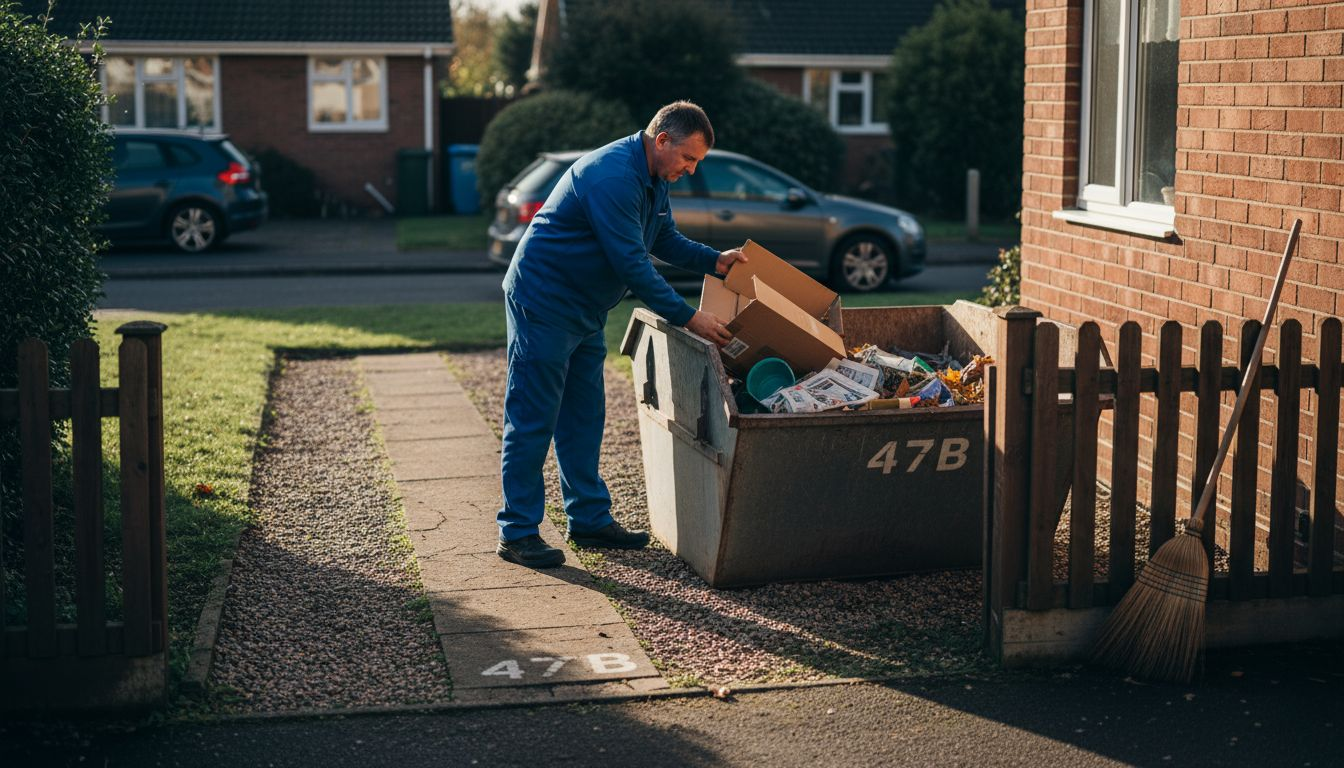
Here is a summary of how skip hire impacts business operations:
| Efficiency Feature | Business Impact | Environmental Benefit |
|---|---|---|
| Centralised collection | Saves staff time on waste handling | Supports safe material sorting |
| Waste segregation | Prevents regulatory breaches | Reduces contamination risks |
| Route planning | Lowers transport and disposal costs | Minimises landfill dependency |
| Documentation | Facilitates legal compliance | Enables accurate recycling data |
Pro Tip: Develop a comprehensive waste management plan that integrates skip hire services, focusing on material segregation and maximum recycling potential.
Legal Compliance and Environmental Responsibility
Environmental regulations represent a critical consideration for businesses managing waste disposal. Avoiding illegal waste dumping requires comprehensive understanding of legal obligations under the Environmental Protection Act 1990, which mandates responsible waste management practices.
The Duty of Care legislation places significant responsibilities on waste producers, requiring meticulous documentation and proper waste handling. Key legal requirements include:
- Registering as a waste carrier
- Maintaining accurate Waste Transfer Notes
- Ensuring proper waste storage and transportation
- Preventing unauthorized waste disposal
- Demonstrating responsible waste management practices
Waste segregation strategies support environmental responsibility by enabling businesses to reduce contamination and facilitate sustainable disposal methods. Colour-coded skip systems help organisations comply with waste legislation such as the Waste Regulations 2011, promoting efficient recycling and minimising environmental impact.
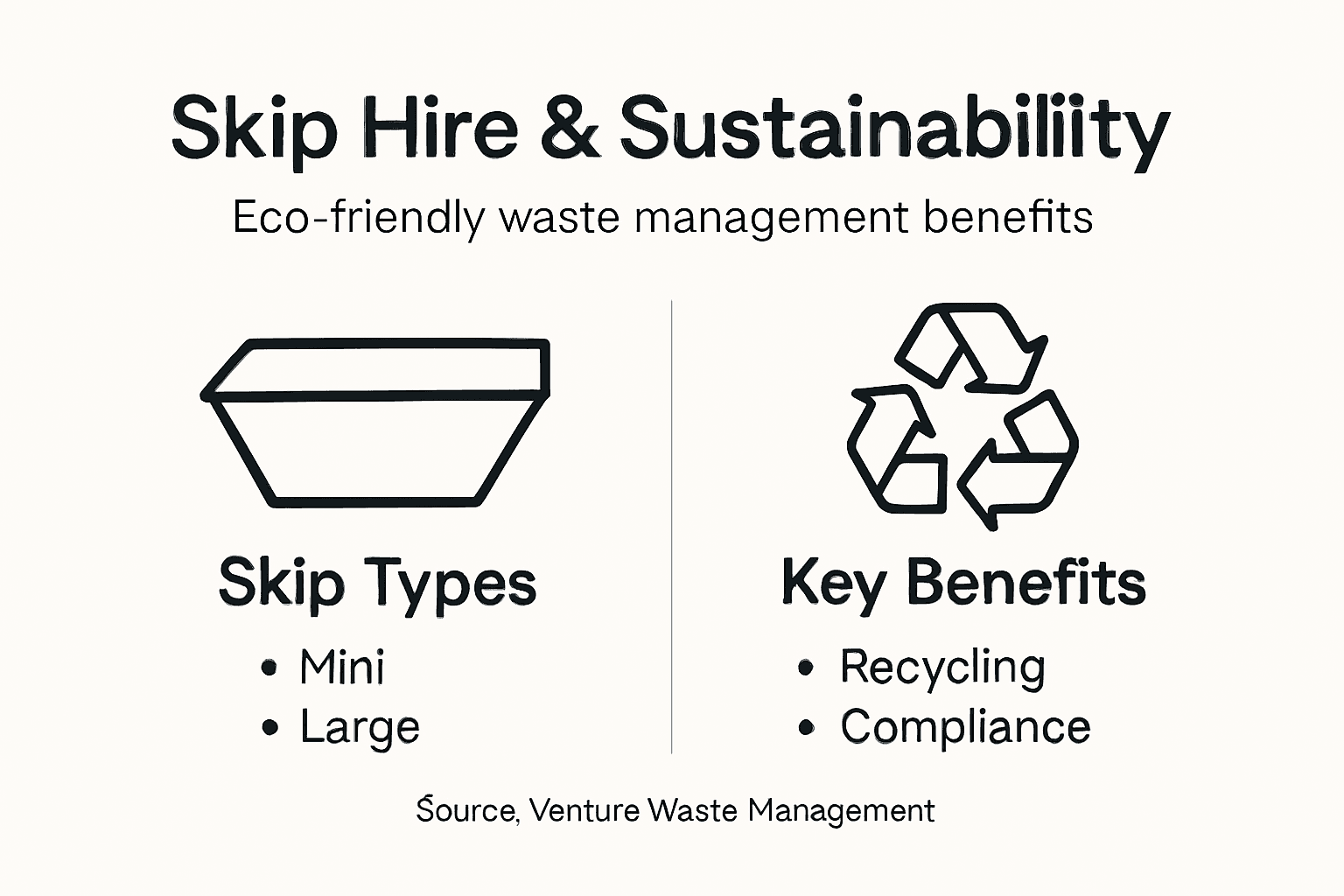
Non-compliance can result in substantial financial penalties, potential prosecution, and reputational damage. Businesses must therefore adopt proactive waste management approaches that prioritise legal adherence and environmental stewardship, transforming waste disposal from a regulatory requirement into a strategic opportunity for sustainability.
Pro Tip: Develop a comprehensive waste management policy that explicitly addresses legal requirements, documenting each stage of waste handling to demonstrate regulatory compliance.
Cost Efficiency and Common Mistakes to Avoid
Cost management is crucial when utilising skip hire services, with strategic planning enabling businesses to minimise expenses and maximise waste disposal efficiency. Efficient waste sorting strategies can significantly reduce disposal costs by improving recycling rates and avoiding unnecessary landfill charges.
Common mistakes that can escalate skip hire expenses include:
- Selecting an inappropriate skip size
- Overfilling containers beyond legal weight limits
- Mixing prohibited waste types
- Placing skips in unauthorised locations
- Failing to obtain necessary permits
- Neglecting proper waste segregation
Skip hire best practices recommend careful planning to prevent unexpected charges. Businesses should conduct thorough waste volume assessments, understand local regulations, and collaborate closely with waste management providers to optimise cost efficiency.
Potential financial risks associated with improper skip hire can include additional collection fees, contamination penalties, and potential legal sanctions. By implementing a systematic approach to waste management, organisations can transform skip hire from a potential expense into a strategic cost-saving mechanism.
Pro Tip: Request a detailed quote upfront and clarify all potential additional charges to prevent unexpected expenses during skip hire.
Boost Your Sustainable Waste Disposal with Expert Skip Hire Solutions
Managing substantial waste volumes during construction or renovation projects can feel overwhelming. The article highlights challenges such as choosing the right skip size, segregating waste correctly, and adhering to environmental regulations. These pain points make efficient waste disposal seem complicated and costly. With terms like “colour-coded waste segregation” and “legal compliance” emphasised, it is clear that businesses require reliable support to minimise contamination risks and maximise recycling potential.
Venture Waste Management offers professional skip hire services designed to simplify these challenges. Whether you need a small mini skip for domestic clearances or a larger builders’ skip for industrial waste, our solutions promote responsible disposal and compliance with UK regulations. Discover how our streamlined waste collection process can save you time and reduce environmental impact. Explore our general waste collection options and see how skip hire blends seamlessly with complete waste management strategies. For specialised waste streams, check our food waste management solutions that complement sustainable disposal efforts.

Take control of your waste disposal today by partnering with Venture Waste. Visit our website at Venture Waste to book your skip hire service easily and benefit from expert guidance every step of the way. Make your next project greener and more efficient now.
Frequently Asked Questions
What are the primary benefits of using skip hire for waste disposal?
Skip hire provides centralised waste collection, improves recycling opportunities, reduces transportation costs, and helps businesses comply with environmental regulations.
How do I choose the right skip size for my waste disposal needs?
Assess your waste volume and type before selecting a skip size. A 2-yard mini skip is ideal for small home projects, while larger projects may require an 8-yard or even a 40-yard roll-on/roll-off skip.
What types of waste can be disposed of using skips?
Common waste categories accepted in skips include inert waste (rubble, soil), construction and demolition debris, green waste, general mixed waste, and recyclables. However, materials like asbestos, batteries, and medical waste are prohibited.
How does skip hire contribute to sustainable waste management?
Skip hire supports sustainable waste management by enabling proper waste segregation, promoting recycling, and ensuring compliance with environmental regulations, which reduces landfill contributions and helps manage waste more efficiently.


Leave a Reply
Want to join the discussion?Feel free to contribute!