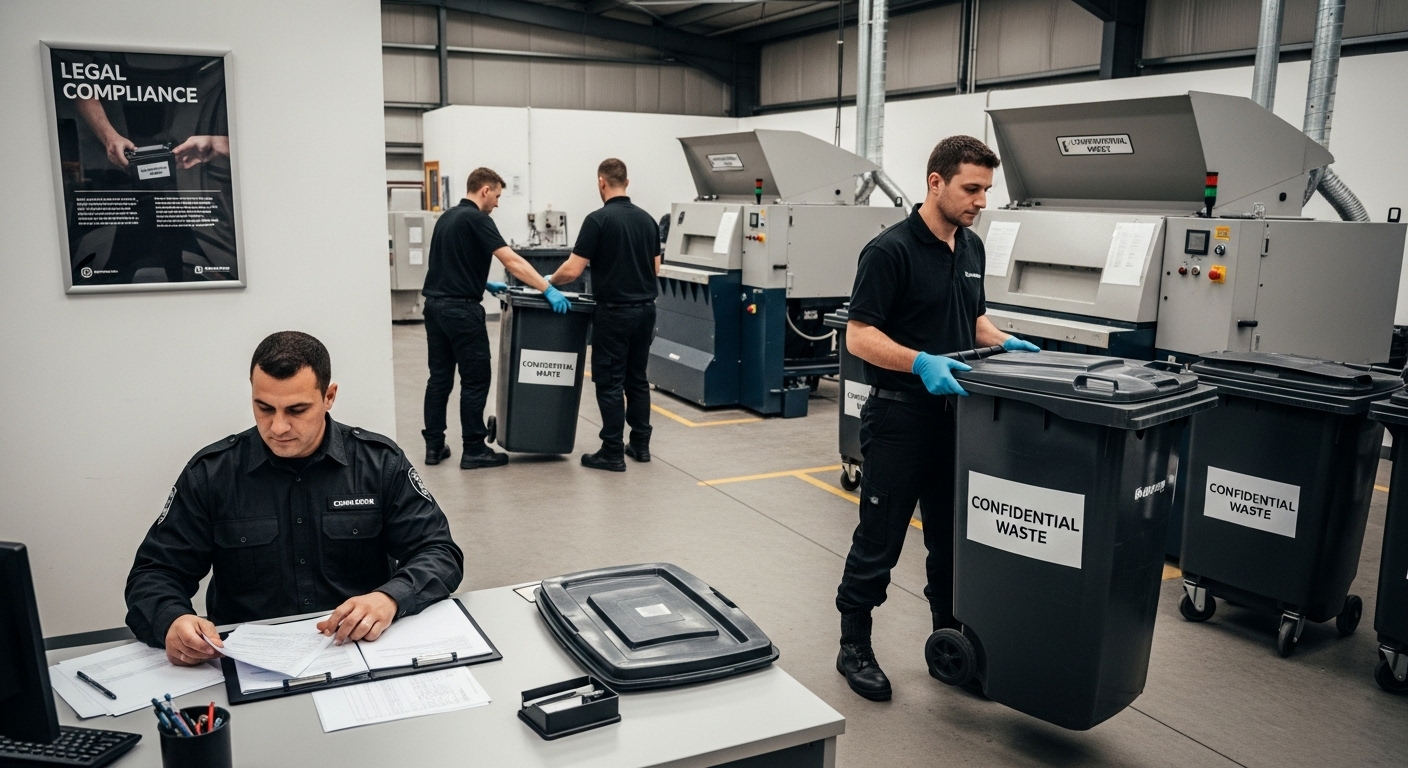
hazardous waste identification

Managing Hazardous Waste Safely in County Durham: A Guide for Businesses

Handling hazardous waste might seem straightforward but in County Durham the reality is anything but simple. Every year, hundreds of businesses in the North East generate over 50,000 tonnes of dangerous waste requiring specialist care. Most think sorting and binning is enough. Actually, missing just one regulatory step can land a company with hefty fines or worse harm the environment and put people at risk. So the routine bin round is riskier and more involved than most imagine.

Table of Contents

Quick Summary

Key Point Explanation
1. Identify hazardous waste accurately Thoroughly assess business operations to classify waste types, distinguishing hazardous from non-hazardous materials.
2. Implement comprehensive safety protocols Develop tailored procedures and risk assessments, ensuring worker protection and regulatory compliance for hazardous waste management.
3. Engage licensed waste disposal services Always use Environment Agency-registered carriers for safe and legal disposal, verifying their credentials and waste handling expertise.
4. Train staff effectively on waste handling Create hands-on training programmes to equip employees with skills for identifying and managing hazardous materials safely.
5. Conduct regular monitoring and reviews Establish a robust tracking system for waste management, utilizing audits and performance reports to identify improvement areas.

Step 1: Identify and Categorise Hazardous Waste

Identifying and categorising hazardous waste is the foundational step for safe waste management across County Durham. Businesses must understand precisely what constitutes hazardous waste to prevent potential environmental and legal risks. Hazardous waste contains substances that could harm human health or the environment, requiring specialised handling and disposal protocols.

To begin this critical process, examine your business operations thoroughly. Look for materials containing chemicals, heavy metals, solvents, batteries, electronic equipment, medical waste, or potentially contaminated substances. Businesses in areas like Durham, Newcastle, and Sunderland often generate complex waste streams that demand careful assessment. Learn more about hazardous waste identification to ensure comprehensive understanding.

Classification involves carefully reviewing each waste stream’s composition and potential environmental impact.
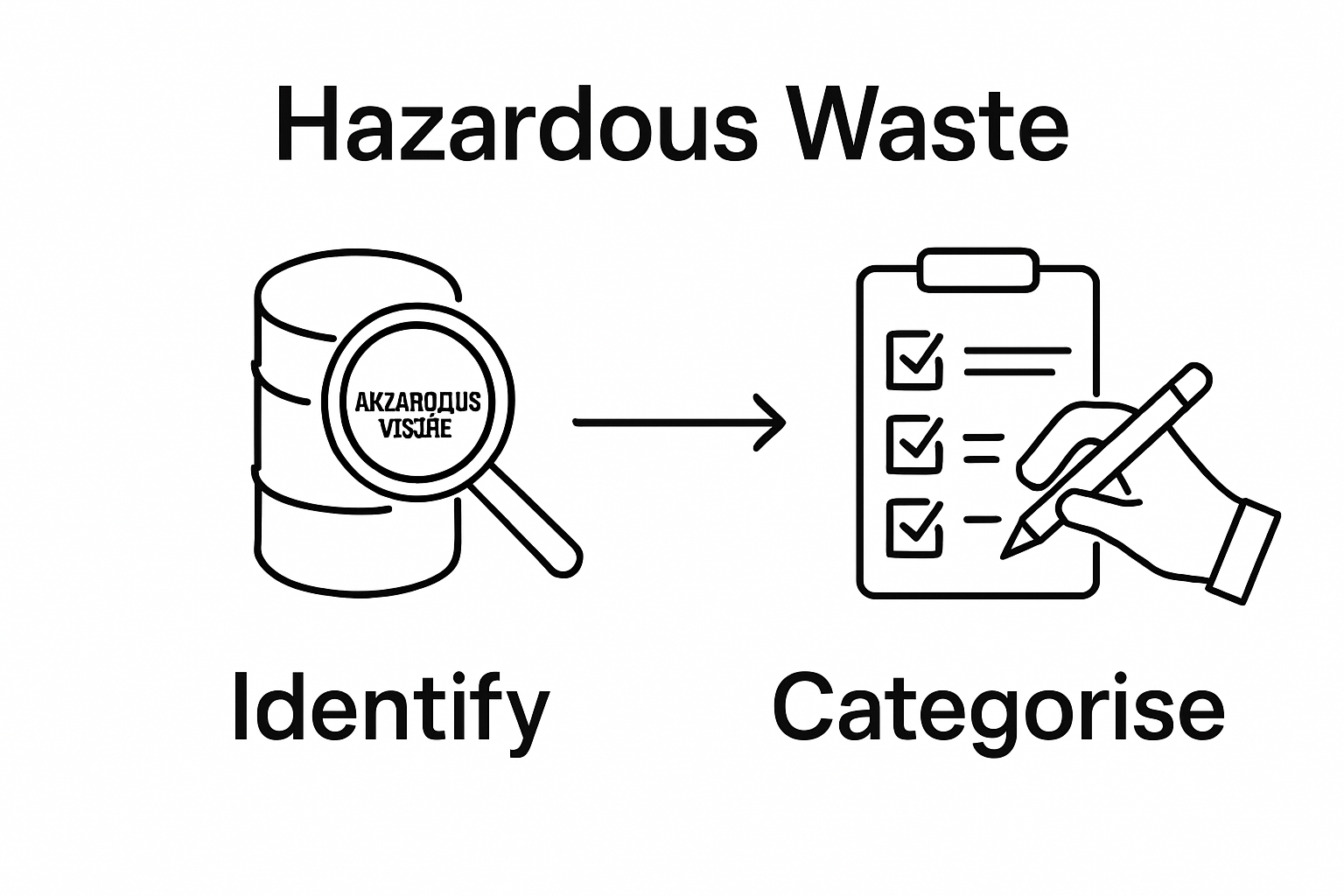
Two-step hazardous waste identification and categorisation process visual The UK government requires businesses to determine if waste is hazardous by checking its properties against specific criteria. Key characteristics include toxicity, flammability, corrosiveness, and potential for environmental contamination. For instance, waste containing substances like lead, mercury, asbestos, or industrial chemicals automatically qualifies as hazardous.

Documentation plays a crucial role in this identification process. Maintain detailed records of waste origins, chemical compositions, and potential risks. This documentation not only ensures regulatory compliance but also helps waste management professionals determine the most appropriate disposal methods. Professional waste audits can provide additional support in accurately categorising complex waste streams, particularly for businesses with multiple waste types.

Below is a summary table comparing the key types of hazardous waste mentioned in the guide, along with their identifying characteristics and required documentation focus.

Waste Type Common Substances Identifying Characteristics Documentation Focus
Chemical Solvents, industrial chemicals Toxicity, flammability Chemical composition records
Electronic Batteries, electronic equipment Contains heavy metals, circuitry Source and handling logs
Medical Medical waste Contamination risk, infection hazard Waste origin and risk assessment
Heavy Metals Lead, mercury Toxicity, environmental threat Hazardous waste codes and audits
Asbestos-Containing Asbestos Fibrous, carcinogenic Specialist categorisation and tracking
Other Hazardous Contaminated substances Potential for chemical reaction Cross-referenced with EA guidelines

Verify your categorisation by cross-referencing waste types with the Environment Agency’s hazardous waste guidelines. Businesses should look for specific waste codes that precisely match their materials. If uncertainty remains, consulting with professional waste management experts can provide definitive guidance on proper waste classification and handling procedures.

Step 2: Implement Safety Protocols and Procedures

Implementing robust safety protocols is a critical next step in managing hazardous waste across County Durham. Businesses must develop comprehensive procedures that protect workers, the environment, and the wider community from potential risks associated with hazardous materials. Effective safety protocols are not just a legal requirement but a fundamental responsibility for any organisation handling dangerous waste streams.

Begin by conducting a thorough risk assessment specific to your business’s unique waste management challenges. This involves identifying potential hazards, evaluating the likelihood of incidents, and designing targeted prevention strategies. For businesses in industrial areas like Teesside or Durham’s manufacturing zones, this might include specialised containment methods for chemical waste, protective equipment requirements, and emergency response plans. Explore our comprehensive guide to hazardous waste regulations to ensure full compliance.

Personal protective equipment (PPE) forms a crucial component of safety protocols. Workers handling hazardous waste must be equipped with appropriate gear tailored to specific waste types. This typically includes chemical-resistant gloves, safety goggles, protective suits, and respiratory protection. Training becomes paramount – every employee involved in waste handling must understand how to use PPE correctly, recognise potential risks, and respond to potential contamination scenarios.

Establish clear segregation and storage procedures for different hazardous waste types. Different materials require specific containment strategies to prevent chemical reactions, leakage, or environmental contamination.

Implement a colour-coded storage system, use appropriate sealed containers, and create designated storage areas with proper ventilation and spill containment mechanisms. Businesses should maintain detailed logs tracking waste movements, quantities, and potential interactions between different waste streams.

Develop a comprehensive emergency response plan that outlines precise actions for potential incidents. This plan should include immediate containment procedures, evacuation protocols, communication strategies, and contact information for local environmental agencies and emergency services. Regular drills and training sessions will ensure that staff remain prepared and confident in managing unexpected hazardous waste scenarios. Verification of your safety protocols involves regular internal audits, comprehensive documentation, and staying updated with the latest health and safety guidelines from regulatory bodies.

This table provides an overview of suggested safety protocols, their purposes, and key verification steps to assist businesses in implementing effective hazardous waste handling procedures.

Safety Protocol Purpose Key Verification Step
Risk Assessment Identify hazards and prevention measures Maintain assessment records and updates
Personal Protective Equipment Protect workers from exposure Regular checks and staff training logs
Segregation and Storage Prevent chemical reactions, leaks Detailed storage logs and inspections
Emergency Response Plan Ensure preparedness for incidents Documentation of drills and revisions
Internal Audits Continuous improvement and compliance Audit reports and action plans

Step 3: Choose Approved Disposal Methods and Services

Selecting appropriate disposal methods and services represents a critical phase in responsible hazardous waste management across County Durham. Businesses must prioritise legally compliant, environmentally safe disposal strategies that protect both organisational interests and broader ecological systems. The right disposal approach minimises potential environmental risks while ensuring full regulatory adherence.

Navigating the complex landscape of hazardous waste disposal requires careful consideration of multiple factors. Businesses should exclusively engage with licensed waste carriers registered with the Environment Agency. These approved providers possess the necessary certifications and expertise to handle different waste streams safely and legally. Learn more about waste compliance steps to understand the intricate requirements for proper disposal.

Comprehensive due diligence becomes paramount when selecting disposal services. Request and verify waste carrier licenses, review environmental certifications, and examine the provider’s track record in handling similar waste types. Businesses operating in industrial zones around Durham, Newcastle, and Teesside should pay particular attention to specialised disposal requirements for chemical, electronic, and medical waste streams. Each waste type demands specific treatment protocols to prevent potential environmental contamination.

Documentation represents another crucial aspect of the disposal process. Maintain meticulous records of waste transfer, including detailed consignment notes that track the entire disposal journey. These documents not only ensure legal compliance but also provide a transparent audit trail demonstrating your business’s commitment to responsible waste management. Some disposal services offer comprehensive tracking systems that allow real-time monitoring of waste movements from collection through final processing.

Establish clear evaluation criteria for selecting disposal services. Key considerations should include the provider’s environmental credentials, disposal technologies, recycling capabilities, and commitment to sustainable practices. Businesses should prioritise providers offering transparent reporting, advanced treatment technologies, and demonstrable environmental stewardship. Regular performance reviews and ongoing communication with your chosen waste disposal partner will help maintain high standards of waste management and adapt to evolving regulatory requirements.

Step 4: Train Staff on Hazardous Waste Handling

Training staff on hazardous waste handling is a critical investment in workplace safety and regulatory compliance for businesses across County Durham. Effective training transforms theoretical knowledge into practical skills that protect workers, the environment, and the organisation’s reputation. This comprehensive approach goes beyond simple instruction, creating a culture of safety and environmental responsibility.

Developing a robust training programme requires a multifaceted approach tailored to your specific workplace environment. Begin by conducting a thorough assessment of the unique hazardous waste streams encountered in your business. Companies in industrial areas like Teesside and Durham will need specialised training that addresses the specific chemical, electronic, or medical waste types they manage. Explore our comprehensive hazardous waste disposal guide to understand the depth of training required.

Training should encompass several critical components. Employees must learn precise identification techniques for different hazardous waste types, understanding their potential risks and appropriate handling procedures. This includes recognising warning labels, understanding chemical properties, and knowing the correct personal protective equipment for each waste stream. Practical demonstrations and hands-on training sessions are far more effective than theoretical lectures, allowing staff to develop muscle memory and confidence in managing hazardous materials.

Establish a comprehensive documentation and verification process for your training programme. This involves creating detailed training records, conducting regular competency assessments, and implementing a system of periodic refresher courses. Businesses should develop written training materials, maintain signed acknowledgement forms, and conduct practical assessments that demonstrate staff understanding. Key verification methods include written examinations, practical handling tests, and scenario-based training that simulates real-world hazardous waste management challenges.

Continuous learning remains paramount in hazardous waste management. Implement a dynamic training approach that adapts to changing regulations, new waste management technologies, and emerging environmental guidelines. Regular external training, subscription to industry updates, and engagement with local environmental agencies will ensure your staff remain at the forefront of safe waste handling practices. By treating staff training as an ongoing process rather than a one-time event, businesses can create a proactive safety culture that minimises risks and demonstrates environmental responsibility.

Step 5: Monitor and Review Waste Management Practices

Monitoring and reviewing waste management practices represents the critical final stage in ensuring comprehensive hazardous waste safety across County Durham’s business landscape. Systematic evaluation transforms compliance from a static requirement into a dynamic, continuously improving process. This step allows businesses to identify potential inefficiencies, reduce environmental risks, and demonstrate ongoing commitment to responsible waste management.

Establishing a robust monitoring framework requires developing comprehensive tracking mechanisms for all hazardous waste streams. Businesses should create detailed logs documenting waste generation volumes, disposal methods, transportation records, and associated environmental impacts. Companies operating in industrial zones around Durham, Newcastle, and Teesside must pay particular attention to capturing granular data that provides insights into waste production patterns. Discover strategies for optimising waste management costs to understand how effective monitoring can drive financial efficiency.

Regular internal audits form the cornerstone of an effective monitoring programme. Schedule quarterly reviews that comprehensively examine waste management documentation, assess staff training effectiveness, and evaluate compliance with current environmental regulations. These audits should involve cross-departmental collaboration, ensuring that perspectives from operations, health and safety, and environmental management teams are integrated into the review process. Utilise standardised checklists and assessment tools to maintain consistency and objectivity during these evaluations.

Develop a proactive reporting mechanism that transforms monitoring data into actionable insights. Create visual dashboards and performance reports that track key metrics such as waste reduction percentages, disposal efficiency, and compliance status. These reports should not only document current performance but also highlight potential areas for improvement, emerging risks, and opportunities for more sustainable waste management practices. Engage external environmental consultants periodically to provide independent assessments and benchmark your practices against industry best standards.

Implement a continuous improvement cycle that treats waste management as an evolving discipline. Establish clear feedback loops where monitoring insights directly inform training programmes, safety protocols, and disposal strategies. Annual strategic reviews should reassess waste management objectives, incorporating technological advancements, regulatory changes, and lessons learned from the previous year’s monitoring activities. By treating waste management as a dynamic process of ongoing refinement, businesses can transform compliance from a mandatory requirement into a strategic competitive advantage.

The following table summarises important documentation and verification practices required at each main stage of hazardous waste management, supporting compliance and ongoing improvements.

Stage Main Documentation Required Verification Method
Identification Waste records, chemical compositions Cross-check with EA code/guides
Safety Protocols Training logs, PPE checklists Internal audits
Disposal Consignment notes, carrier licences Audit trail, service reviews
Staff Training Training registers, signed forms Written exams, practical tests
Monitoring & Review Waste logs, audit results Reports, external consultancy

hazardous waste monitoring

Take the Risk Out of Hazardous Waste Management in County Durham

Struggling to keep up with complex hazardous waste regulations and safety requirements? Many businesses in County Durham face the real risk of legal penalties and environmental harm when waste streams are not handled the right way. Our article explained how vital it is to identify, categorise, and dispose of hazardous waste using strict procedures. But even with this knowledge, putting best practice into action often means managing documentation, staff training, compliance and disposal partners all at once.

If you feel overwhelmed by the rules and want true peace of mind, visit our regulation resource hub to stay updated on legal requirements and practical solutions.
https://venturewaste.co.uk

With Venture Waste, you receive more than just guidance. We offer a proven three-step service to streamline hazardous waste collections and ensure your processes are up to standard from start to finish. Our licensed experts ensure your staff are protected, documentation is complete, and your business stays compliant. Let us handle the risks so you can focus on your core operations. Act now to protect your company—learn more or book your tailored waste solution at https://venturewaste.co.uk.

Frequently Asked Questions

What constitutes hazardous waste for businesses?

Hazardous waste includes substances that can harm human health or the environment, such as chemicals, heavy metals, solvents, electronic equipment, batteries, and medical waste. It requires specialised handling and disposal protocols.

How can businesses identify hazardous waste?

Businesses can identify hazardous waste by thoroughly examining their operations for materials containing harmful substances. Consulting the Environment Agency’s hazardous waste guidelines and waste codes is essential for accurate classification.

What safety protocols should be implemented for hazardous waste handling?

Robust safety protocols should include risk assessments, proper personal protective equipment (PPE), clear segregation and storage procedures, and a comprehensive emergency response plan to mitigate potential risks associated with hazardous materials.

How can businesses ensure compliance with hazardous waste disposal regulations?

To ensure compliance, businesses should engage with licensed waste carriers registered with the Environment Agency, maintain meticulous records of waste transfer, and regularly review disposal practices against current environmental regulations.

cardboard rebates warehouse teamwork

Understanding Cardboard Rebates: Maximising Value from Waste

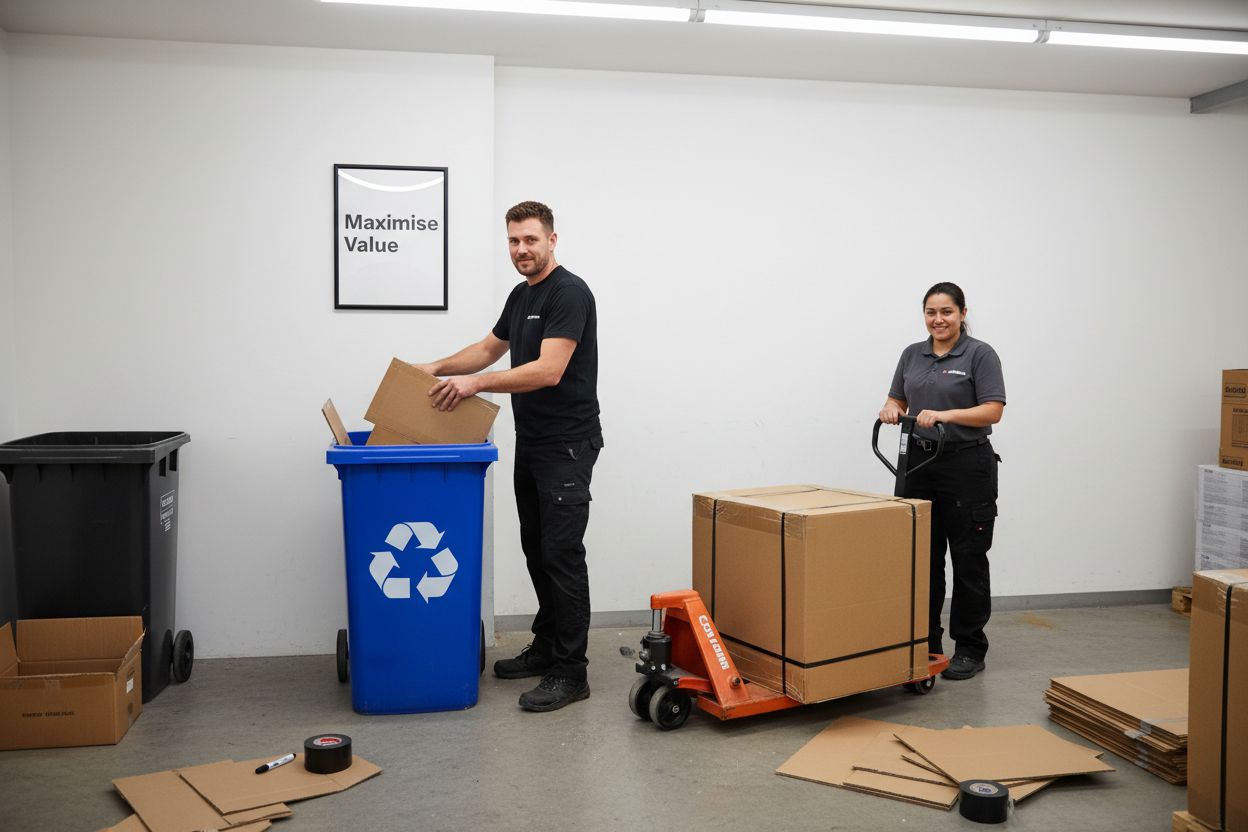
Cardboard waste used to pile up in the corners of warehouses and shops, dismissed as nothing but rubbish. Yet there’s a surprising fact hiding in those scraps. UK businesses handle nearly 5 million tonnes of cardboard every year and what seems like extra clutter could actually earn them thousands in rebates. The clever bit is that turning cardboard into cash is far simpler than most companies realise.

Table of Contents

Quick Summary

Takeaway Explanation
Cardboard rebates boost revenue. Businesses can convert cardboard waste into income through recycling rebates.
Focus on material quality. Higher quality cardboard results in better rebate values, incentivising careful handling.
Implement proper waste segregation. Segregating cardboard ensures cleanliness, maximising its value in recycling markets.
Regularly monitor recycling rates. Staying updated on market conditions allows businesses to optimise their cardboard recycling strategies.
Invest in waste management systems. Dedicated collection and training can transform waste disposal costs into revenue streams.

What are Cardboard Rebates and How Do They Function?

Cardboard rebates represent a strategic financial mechanism within waste management that allows businesses to generate revenue from their cardboard waste stream. These rebates function as an economic incentive for companies to systematically collect, segregate, and sell their used cardboard materials to recycling processors. Cardboard recycling rates in the North East have demonstrated significant potential for businesses seeking sustainable waste management strategies.

Understanding Cardboard Rebate Economics

The fundamental principle behind cardboard rebates is straightforward: businesses are compensated based on the volume and quality of cardboard waste they can provide to recycling markets. The value of these rebates fluctuates according to several critical factors:

  • Global demand for recycled cardboard materials
  • Current market prices for recovered paper fibres
  • Cleanliness and preparation of cardboard waste
  • Quantity of material being processed

According to Let’s Recycle market data, cardboard rebate values can range significantly, typically between £40 to £120 per tonne, depending on current market conditions and material quality.

Maximising Cardboard Rebate Potential

To optimise cardboard rebate earnings, businesses must focus on strategic waste management practices. This involves implementing robust waste segregation processes, ensuring cardboard is clean, dry, and free from contaminants like food residue, plastic packaging, or metal staples. Companies that invest in proper waste handling infrastructure can transform their cardboard waste from a disposal cost into a potential revenue stream.

Key considerations for maximising cardboard rebate value include:

  • Investing in dedicated cardboard collection and storage systems
  • Training staff on proper waste segregation techniques
  • Partnering with reputable waste management providers
  • Regularly monitoring market rates for recycled cardboard

By understanding and strategically approaching cardboard rebates, businesses can simultaneously reduce waste management costs and generate additional revenue through responsible recycling practices.

The Importance of Cardboard Waste Management in Businesses

Cardboard waste management represents a critical environmental and economic strategy for modern businesses across various sectors. By implementing comprehensive waste management approaches, organisations can simultaneously reduce environmental impact, generate potential revenue, and demonstrate corporate social responsibility. Cardboard recycling solutions play a pivotal role in transforming waste streams into sustainable business practices.

Environmental Impact and Corporate Responsibility

Businesses generate substantial volumes of cardboard waste through packaging, shipping materials, and internal operations. According to WRAP UK research, approximately 5 million tonnes of cardboard are used annually in the United Kingdom, with significant potential for recycling and waste reduction. Effective cardboard waste management directly contributes to:

  • Reducing landfill contribution
  • Conserving natural resources
  • Minimising carbon emissions
  • Supporting circular economy principles

Economic Benefits of Strategic Waste Management

Beyond environmental considerations, cardboard waste management offers tangible economic advantages for businesses. Proper waste segregation and recycling can transform waste disposal from a cost centre into a potential revenue stream. Companies that invest in systematic waste management strategies can:

  • Reduce waste disposal costs
  • Generate income through cardboard rebates
  • Improve overall operational efficiency
  • Enhance corporate reputation and sustainability credentials

Moreover, businesses in regions like Newcastle, Durham, and other North East industrial centres are increasingly recognising the financial and environmental benefits of comprehensive cardboard waste management. By partnering with professional waste management providers, organisations can develop tailored solutions that meet their specific operational requirements while contributing to broader sustainability goals.

Financial Benefits: Why Cardboard Rebates Matter

Cardboard rebates represent a significant financial opportunity for businesses seeking to transform their waste management approach from a cost centre to a potential revenue stream. By understanding the economic mechanics of cardboard recycling, organisations can unlock substantial financial benefits that extend beyond traditional waste disposal strategies. Cardboard baler rental solutions can play a crucial role in maximising these economic advantages.

Understanding Revenue Potential

The financial mechanics of cardboard rebates are grounded in the principles of supply and demand within recycling markets. Businesses that systematically collect, segregate, and process their cardboard waste can generate income based on the quantity and quality of materials they provide. According to Resource Trading Intelligence, current market rates for recycled cardboard can fluctuate between £40 to £120 per tonne, presenting a tangible financial incentive for comprehensive waste management.

Key factors influencing cardboard rebate values include:

  • Volume of cardboard collected
  • Cleanliness and contamination levels
  • Current global recycling market conditions
  • Local and regional demand for recycled materials

Strategic Financial Planning

For businesses in industrial sectors such as manufacturing, retail, logistics, and distribution across the North East, cardboard rebates offer more than just monetary compensation. They represent a strategic approach to waste management that can:

  • Offset waste disposal costs
  • Create an additional revenue stream
  • Demonstrate corporate environmental responsibility
  • Improve overall operational efficiency

Small to medium enterprises can particularly benefit from implementing systematic cardboard waste management strategies. By investing in proper segregation infrastructure and partnering with professional waste management providers, businesses can transform their approach from viewing cardboard as waste to recognising it as a valuable resource with potential financial returns.

Key Concepts in Cardboard Recycling and Rebates

Cardboard recycling represents a complex ecosystem of material transformation, economic incentives, and environmental sustainability. Understanding the fundamental principles behind this process enables businesses to make informed decisions about waste management strategies. Cardboard recycling in the North East offers unique insights into regional waste management approaches and opportunities.

Material Quality and Classification

The value of cardboard in recycling markets is intrinsically linked to its material quality and classification. According to WRAP UK recycling guidelines, cardboard is categorised into distinct grades based on its condition, composition, and potential for reprocessing. These classifications directly impact the potential rebate value businesses can expect:

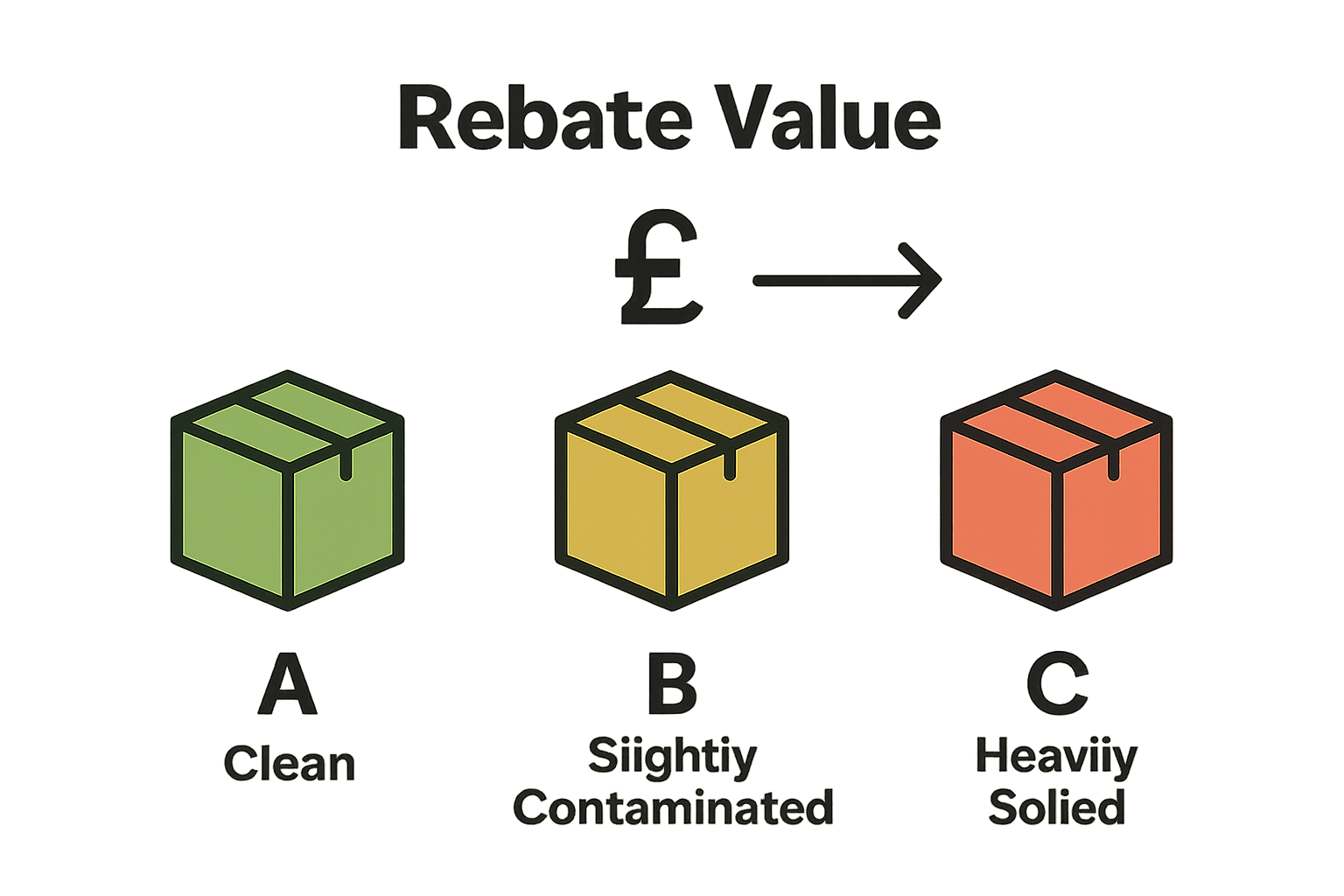
  • Grade A: Clean, uncontaminated corrugated cardboard
  • Grade B: Slightly contaminated or mixed cardboard materials
  • Grade C: Heavily soiled or mixed packaging materials

Higher-grade materials command premium prices in recycling markets, incentivising businesses to implement rigorous waste segregation and cleaning protocols.

Below is a table summarising the different grades of cardboard as discussed, alongside their characteristics and typical rebate value ranges.

Cardboard Grade Description Typical Rebate Value (per tonne)
Grade A Clean, uncontaminated corrugated cardboard £80 – £120
Grade B Slightly contaminated or mixed materials £60 – £80
Grade C Heavily soiled or mixed packaging materials £40 – £60

Infographic comparing rebate values for clean, mixed, and soiled cardboard grades

Processing and Value Chain Dynamics

The journey of cardboard from waste material to recyclable resource involves multiple stages of processing. Each stage contributes to the material’s economic and environmental value. Businesses that understand these dynamics can optimise their waste management strategies to maximise potential rebates.

Key stages in the cardboard recycling value chain include:

  • Collection and initial sorting
  • Cleaning and decontamination
  • Shredding and pulping
  • Reconstitution into new paper or packaging products
  • Market distribution of recycled materials

By comprehending these intricate processes, organisations can develop more strategic approaches to cardboard waste management, transforming what was previously considered a disposal cost into a potential revenue stream.

Real-world Examples of Effective Cardboard Waste Strategies

Businesses across various industries are demonstrating innovative approaches to cardboard waste management, transforming potential environmental challenges into strategic opportunities. By implementing comprehensive waste management strategies, organisations can significantly reduce their environmental footprint while generating economic value. Cardboard recycling solutions for local businesses provide insights into practical implementation techniques.

Manufacturing Sector Innovations

Manufacturing businesses, particularly in the North East regions like Newcastle and Durham, have pioneered advanced cardboard waste management techniques. According to Manufacturing Insights UK, companies are increasingly adopting integrated waste management approaches that go beyond traditional disposal methods.

Successful strategies in the manufacturing sector typically include:

  • Implementing on-site cardboard compaction equipment
  • Developing comprehensive waste segregation protocols
  • Creating dedicated recycling infrastructure
  • Training employees in sustainable waste practices
  • Establishing direct relationships with recycling processors

Retail and Logistics Sector Approaches

Retail and logistics organisations generate substantial cardboard waste through packaging and shipping materials. Forward-thinking companies have developed sophisticated strategies to manage this waste stream effectively. These strategies not only reduce environmental impact but also create potential revenue streams through cardboard rebates.

Key implementation techniques include:

  • Standardising packaging design for easier recycling
  • Investing in advanced sorting and processing technologies
  • Creating closed-loop recycling systems
  • Tracking and measuring waste management performance
  • Collaborating with specialised waste management providers

By adopting these strategic approaches, businesses can transform cardboard waste from a potential environmental liability into a valuable resource, demonstrating both economic and environmental responsibility.

The following table compares waste management strategies implemented by manufacturing and retail/logistics sectors, highlighting their respective approaches to effective cardboard recycling.

Sector Key Strategies & Approaches
Manufacturing On-site compaction, comprehensive segregation, dedicated recycling infrastructure, training, direct partnerships
Retail & Logistics Standardised packaging design, advanced sorting, closed-loop recycling, performance measurement, specialised providers

retail cardboard recycling staff

Turn Cardboard Waste into Real Value with Venture Waste

Struggling to make the most out of your cardboard recycling efforts? If you find yourself facing mounting disposal costs or missed rebate opportunities, you are not alone. As this article explains, the key to maximising cardboard rebates lies in efficient segregation, quality control, and the right collection infrastructure. Many businesses overlook how the right equipment, such as cardboard balers, can transform their waste into a profitable resource and allow them to capitalise on market rebate rates.

Explore our cardboard baler solutions

https://venturewaste.co.uk

Take action today and start converting your waste stream into revenue for your business. With Venture Waste, it is simple to arrange reliable collection, benefit from expert advice, and ensure your recycling process aligns with the latest industry best practices. Visit Venture Waste Management now to book an efficient collection or to get advice on the best solutions for your cardboard waste. Making a positive change is easier than ever when you work with a trusted UK waste management partner.

Frequently Asked Questions

What are cardboard rebates?

Cardboard rebates are financial incentives offered to businesses for collecting, segregating, and selling their used cardboard materials to recycling processors. They enable companies to generate revenue from their cardboard waste stream.

How do I maximise my cardboard rebate value?

To maximise cardboard rebate value, focus on proper waste segregation, ensure materials are clean and free from contaminants, invest in dedicated collection systems, and partner with reliable waste management providers.

What factors affect the value of cardboard rebates?

The value of cardboard rebates is influenced by the global demand for recycled materials, current market prices for recovered fibres, the cleanliness of the cardboard, and the quantity of material processed.

How can effective cardboard waste management benefit my business?

Proper cardboard waste management can reduce disposal costs, generate income through rebates, improve operational efficiency, and enhance corporate sustainability credentials.

waste audit business hands-on

Waste Rebates: Identify Valuable Waste Streams for Recyclers

Waste can seem like just an unavoidable cost for any business. Yet plenty of Newcastle and Durham companies have been surprised to discover that metals, electronic waste, and industrial plastics are often the most lucrative waste streams for rebates. What most people miss is that with the right steps, your rubbish could be generating real income and slashing your costs at the same time.

Table of Contents

Quick Summary

Key Point Explanation
1. Conduct a thorough waste audit Track and document all waste types and volumes generated to uncover potential rebate opportunities and inefficiencies.
2. Identify high-value recyclable materials Focus on metals, electronic waste, and industrial plastics as they often yield the highest financial returns in recycling.
3. Research recycling market rates Investigate current prices for recyclable materials and build relationships with buyers to maximise potential profits.
4. Engage multiple recyclers for quotes Solicit competitive quotes from various recycling partners to ensure you secure the best pricing and service conditions.
5. Implement and track waste management changes Establish a robust tracking system to monitor waste streams and assess the impact of new waste management strategies effectively.

Step 1: Assess Your Current Waste Management Practices

Assessing your current waste management practices is a critical foundation for identifying valuable waste rebates and optimising your recycling potential. This step involves a comprehensive review of how your business currently handles and disposes of different waste streams. By understanding your existing waste generation patterns, you can uncover hidden opportunities for financial recovery and environmental sustainability.

Begin by conducting a thorough waste audit across all departments and operational areas. This means meticulously tracking and documenting the types and volumes of waste your organisation produces. Newcastle and Durham businesses often discover significant waste management inefficiencies during this initial assessment phase. Start by gathering historical waste disposal records, invoices from waste management companies, and internal waste generation logs.

Your audit should categorise waste streams precisely, distinguishing between general waste, recyclable materials, electronic waste, hazardous materials, and potential high-value waste streams. Pay special attention to materials like metals, electronic equipment, industrial plastics, and specialized industrial byproducts. These categories often represent the most lucrative opportunities for waste rebates. Learn more about reducing waste management costs and implementing strategic waste reduction strategies.

To ensure accuracy, consider engaging a professional waste management consultant or using digital tracking tools that can help quantify and analyse your waste generation patterns.

Some businesses in the North East have successfully implemented digital waste tracking systems that provide real-time insights into waste composition and potential rebate opportunities. The goal is not just to measure waste but to understand its economic and environmental value.

Verify the success of your waste assessment by confirming you have:

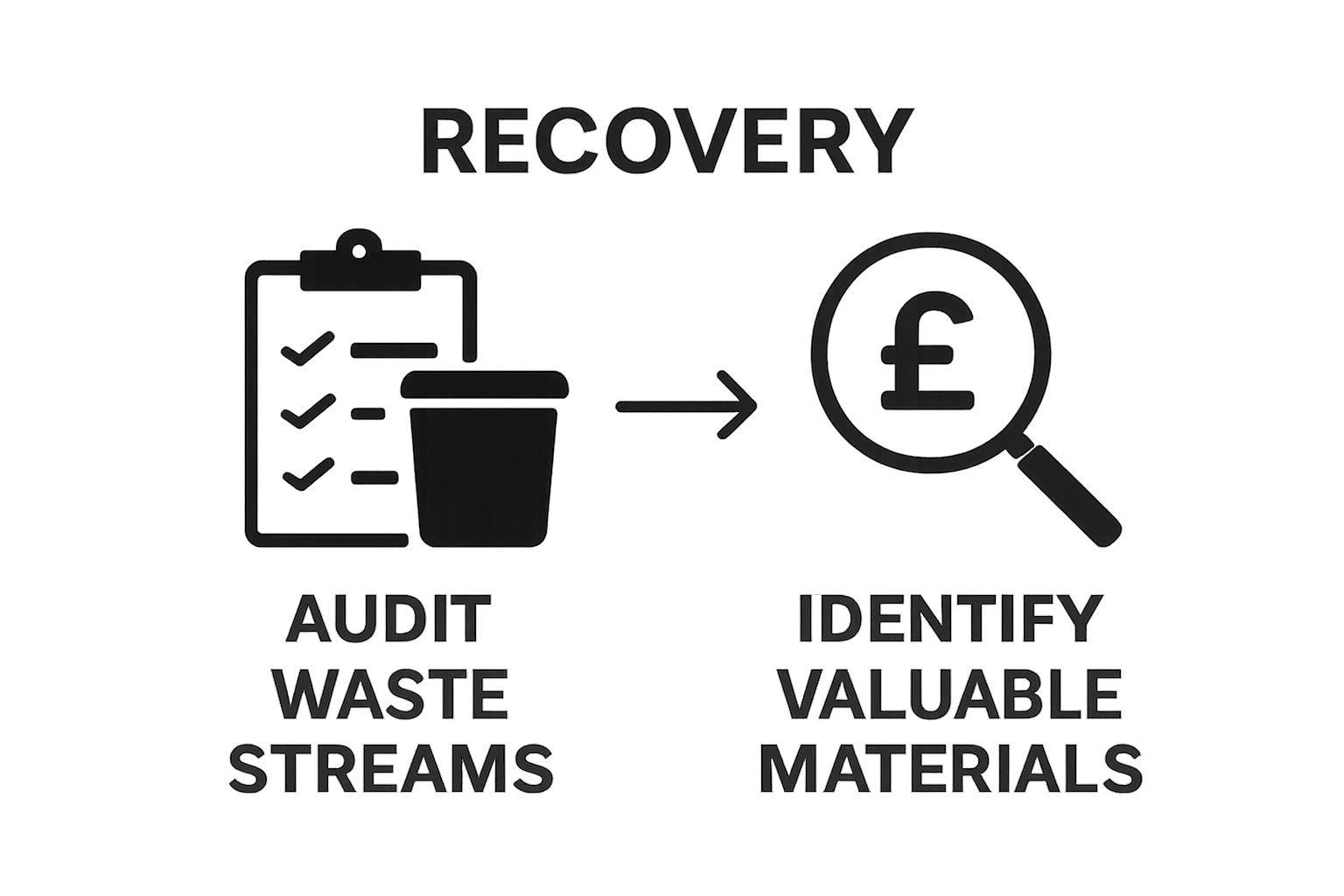
Workflow: audit waste streams, identify valuable recyclables

  • A comprehensive document detailing all waste streams generated
  • Precise measurements of waste volumes for each category
  • Identification of potential high-value waste materials
  • Initial calculations of potential rebate opportunities

This foundational step sets the stage for strategic waste management and financial optimization, preparing your business to maximize potential rebates and improve overall sustainability practices.

The following checklist table summarises key verification steps to ensure your waste audit is comprehensive and effective.

Verification Step Description
Document all waste streams Ensure a record exists for every type of waste generated across all departments or operational areas.
Measure volumes precisely Record accurate measurements for each category of waste to understand scale and potential value.
Identify high-value materials Highlight materials such as metals, electronic waste, and industrial plastics for their rebate potential.
Calculate rebate opportunities Perform initial calculations to estimate possible income from recyclable materials.
Gather historical records Collect previous waste disposal records and invoices to compare past trends and discover inefficiencies.
Use digital tracking tools Implement digital tools or consult professionals to quantify and analyse waste data more accurately.

Step 2: Identify Key Waste Streams in Your Operations

Identifying key waste streams represents a crucial stage in maximising potential rebate opportunities for your business. This step transforms your general waste audit into a strategic analysis focused on uncovering financially and environmentally valuable materials generated through your operational processes.

Start by categorising your waste streams with precision. Metals, electronic waste, industrial plastics, and specialized manufacturing byproducts often represent the most lucrative recycling opportunities. Manufacturing businesses in Newcastle and Durham frequently discover significant revenue potential in waste materials they previously considered disposable. Explore strategies for waste management efficiency to enhance your understanding of waste stream potential.

Develop a comprehensive waste characterisation matrix that details not just the type of waste, but its potential market value, recycling potential, and current disposal method. This requires collaborative input from operational managers, procurement teams, and sustainability experts within your organisation. Look beyond traditional waste categories and examine each waste stream through the lens of potential economic recovery.

Consider employing specialized waste stream analysis tools or consulting with waste management professionals who can provide expert insights into market rates for different recyclable materials. Some businesses have discovered unexpected value in seemingly mundane waste streams, such as specific grades of industrial cardboard, mixed metal alloys, or electronic component remnants.

Verify the success of your waste stream identification by confirming you have:

  • A detailed waste stream inventory with market value estimations
  • Identified potential high-value recyclable materials
  • Preliminary contact information for potential recycling buyers
  • Initial cost-benefit analysis of waste stream processing

This strategic identification process transforms waste from a cost centre into a potential revenue stream, setting the foundation for more sophisticated waste management and rebate optimization strategies.

Step 3: Research Market Value of Waste Streams

Researching the market value of waste streams transforms your waste management approach from a cost centre to a potential revenue generator. This critical step involves deep investigation into current recycling market rates, commodity prices, and potential buyers for your identified waste materials.

Metals, electronic waste, and specialized industrial materials often represent the most financially attractive waste streams. Industrial businesses in Newcastle and Durham have discovered significant economic opportunities by understanding the nuanced pricing dynamics of different recyclable materials. Explore detailed insights into waste disposal cost factors to refine your market research strategy.

Establish connections with local and regional recycling brokers, waste commodity traders, and specialized recycling centres who can provide current market rates. These professionals can offer real-time insights into fluctuating material values and emerging market trends. Consider attending waste management conferences, joining industry networking groups, and subscribing to specialized publications that track recycling commodity markets.

Utilize online resources and digital platforms that track waste commodity prices. Some specialized websites and industry databases provide current pricing information for various recyclable materials. Create a comprehensive spreadsheet tracking market rates for different waste streams, including historical price trends and projected future valuations. This digital tracking allows you to make informed decisions about when and how to sell your recyclable waste materials.

Develop relationships with multiple potential buyers to maximize your negotiation power and ensure competitive pricing.

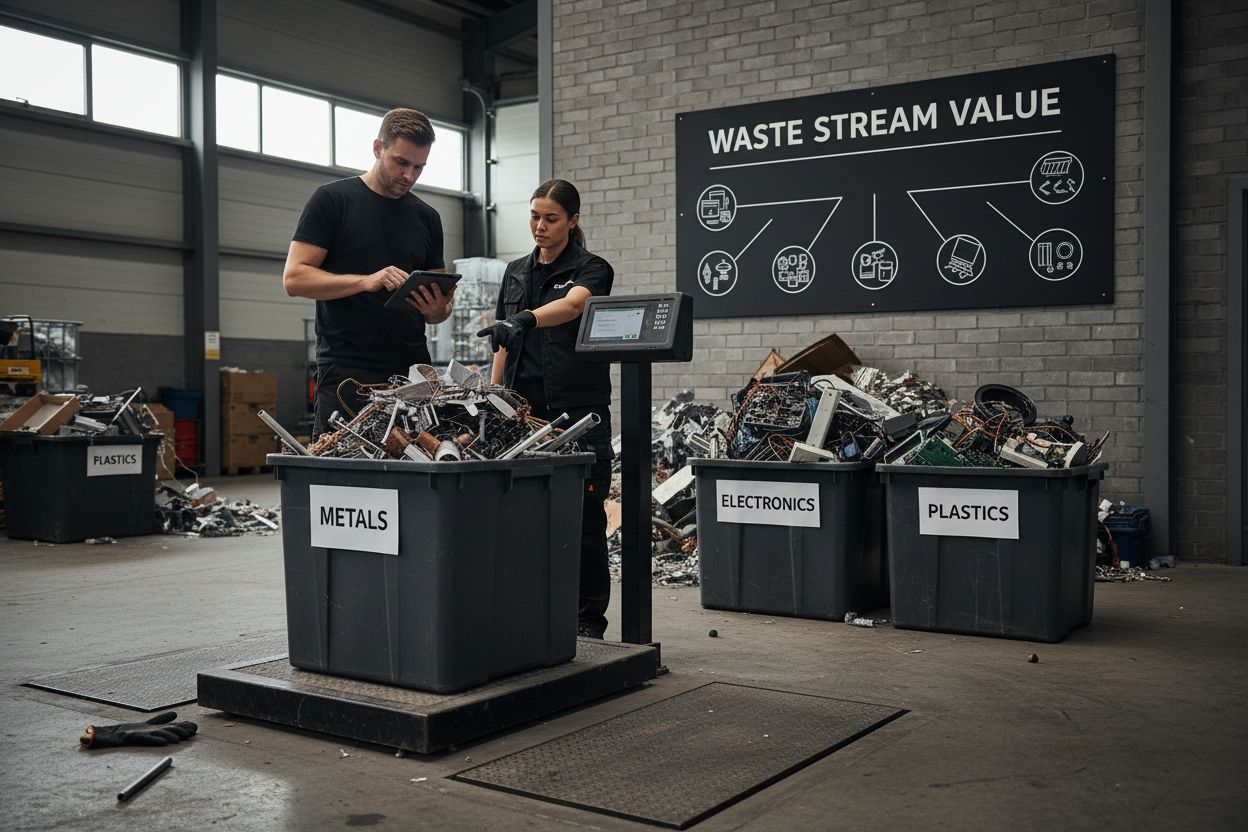
track waste value workflow Some businesses find success by creating a competitive bidding environment among recycling partners, which can drive up the value of their waste streams.


Verify the success of your market value research by confirming you have:

  • A detailed pricing database for different waste streams
  • Contact information for multiple recycling buyers
  • Current market rate information for your specific waste materials
  • Preliminary pricing strategies for waste stream sales

This strategic approach transforms waste from an operational expense into a potential revenue stream, positioning your business at the forefront of sustainable and economically smart waste management practices.

Step 4: Engage with Recyclers for Quotes and Services

Engaging with recyclers represents a pivotal moment in transforming your waste streams from operational expenses to potential revenue sources. This step involves strategic communication and negotiation with specialized recycling partners who can provide competitive quotes and tailored waste management services.

Preparation is key when approaching potential recycling partners. Compile a comprehensive presentation of your waste stream characteristics, including precise volume measurements, material composition, and current waste management practices. Explore our dry mixed recycling services to understand the range of potential recycling solutions available for your business.

Begin by creating a targeted list of recycling companies that specialize in your specific waste streams. Industrial businesses in Newcastle and Durham have found success by seeking out recyclers with expertise in their particular industry sector. Contact multiple recyclers to create a competitive bidding environment that maximizes your potential rebate value. Prepare a standardized information package that includes detailed waste stream characteristics, estimated volumes, and your specific recycling requirements.

During initial consultations, request comprehensive quotes that break down potential rebate values, processing fees, and additional services. Some recyclers offer additional value through waste collection, sorting, and documentation services that can streamline your waste management processes. Be prepared to negotiate terms and understand that pricing can fluctuate based on market conditions, material quality, and volume.

Develop a systematic approach to evaluating recycling partners, considering factors beyond just financial compensation. Look for partners with robust environmental credentials, transparent reporting mechanisms, and proven track records in responsible waste management. Consider requesting site visits or detailed case studies from potential recycling partners to validate their capabilities.

Verify the success of your recycler engagement by confirming you have:

  • Collected multiple competitive quotes from recycling partners
  • Documented potential rebate values for different waste streams
  • Identified preferred recycling partners
  • Established initial communication channels for future waste management collaboration

This strategic engagement transforms waste management from a routine operational task into a potential revenue generation opportunity, positioning your business at the forefront of sustainable and economically smart waste practices.

Step 5: Implement Changes and Track Waste Streams

Implementing changes and establishing robust tracking mechanisms transforms your waste management strategy from theoretical planning to practical execution. This critical step ensures that your identified waste streams generate maximum value while maintaining operational efficiency.

Develop a comprehensive waste tracking system that captures real-time data on waste generation, segregation, and potential rebate opportunities. Explore our steps to waste compliance to understand the regulatory framework supporting effective waste management. Industrial businesses in Newcastle and Durham have found success by integrating digital tracking technologies that provide granular insights into waste stream performance.

Begin by redesigning your internal waste collection and segregation processes. This might involve implementing colour-coded waste containers, training staff on precise waste categorization, and establishing clear protocols for waste handling. Invest in digital tracking tools that can log waste volumes, material types, and potential market values in real-time. Consider implementing barcode or RFID tracking systems that can provide precise documentation for each waste stream.

Create a dedicated waste management team or assign specific responsibilities within existing departments. This team will be responsible for monitoring waste streams, maintaining relationships with recycling partners, and continuously identifying opportunities for optimization. Regular monthly or quarterly reviews can help identify trends, track rebate performance, and make data-driven adjustments to your waste management strategy.

Establish clear key performance indicators (KPIs) that measure the financial and environmental impact of your new waste management approach. These might include total waste rebate revenue, reduction in landfill waste, percentage of recyclable materials recovered, and overall cost savings. Developing a transparent reporting mechanism will help demonstrate the tangible benefits of your waste stream optimization efforts.

Verify the success of your implementation by confirming you have:

  • A functional digital waste tracking system
  • Clear waste segregation protocols
  • Trained staff in new waste management procedures
  • Established reporting mechanisms for waste stream performance
  • Initial baseline measurements for future comparative analysis

This systematic approach transforms waste management from a passive operational function into a strategic business opportunity, driving both financial returns and environmental sustainability.

Step 6: Review and Optimize Your Waste Management Strategy

Reviewing and optimizing your waste management strategy is a continuous process that transforms initial efforts into a sophisticated, revenue-generating approach. This final step ensures that your waste stream identification and recycling initiatives remain dynamic, responsive, and financially beneficial.

Quarterly comprehensive reviews are crucial for maintaining the effectiveness of your waste management strategy. Explore our step-by-step waste management guide to understand the broader context of strategic waste optimization. Industrial businesses in Newcastle and Durham have discovered that regular, data-driven reviews can uncover hidden opportunities for improvement and financial gain.

Conduct a detailed performance analysis that examines multiple dimensions of your waste management approach. This includes financial metrics such as total rebate revenue, cost savings from reduced waste disposal, and return on investment in new waste tracking technologies. Additionally, evaluate environmental impact metrics like reduced landfill waste, increased recycling rates, and overall carbon footprint reduction. These comprehensive reviews provide a holistic view of your waste management strategy’s effectiveness.

Establish a cross-functional optimization team that brings together perspectives from operations, finance, sustainability, and procurement departments. This collaborative approach ensures that waste management strategies are not developed in isolation but are integrated into broader business objectives. Regular brainstorming sessions can help identify innovative approaches to waste stream management, potential new recycling partnerships, and emerging technologies that could further enhance your waste management efficiency.

Remain adaptable and open to technological innovations in waste management. The recycling and waste management landscape is continuously evolving, with new technologies and market opportunities emerging regularly. Consider attending industry conferences, subscribing to waste management publications, and maintaining open communication channels with recycling partners to stay informed about the latest developments.

Verify the success of your review and optimization process by confirming you have:

  • Completed a comprehensive quarterly performance review
  • Documented improvements and identified areas for further optimization
  • Updated waste management protocols based on review findings
  • Maintained ongoing communication with recycling partners
  • Developed a forward-looking strategy for continuous improvement

This systematic approach ensures that your waste management strategy remains a dynamic, value-generating component of your business operations, driving both financial returns and environmental sustainability.

The following table provides an overview of each main step in the waste rebate identification process, with their key objective and outcome.

Step Key Objective Main Outcome
1. Assess Current Practices Review and document waste handling processes Pinpoint inefficiencies and potential rebate streams
2. Identify Key Waste Streams Categorise waste by type and potential value List high-value recyclable materials
3. Research Market Value Investigate prices and connect with buyers Establish market value database and contacts
4. Engage with Recyclers Solicit quotes and evaluate recycling partners Obtain competitive offers for waste streams
5. Implement & Track Changes Apply new processes and monitor progress Set up tracking and staff training
6. Review & Optimise Strategy Regularly analyse results and improve approach Continuous improvement and increased rebates

Unlock New Value from Your Business Waste Streams

Are you struggling to identify the true value hidden in your business waste? Maximising rebates and identifying high-value waste streams can feel overwhelming, especially with new market complexities and changing regulations in the UK. Your efforts at comprehensive audits and market research may still fall short if you do not have a reliable partner to help manage waste efficiently and compliantly. Every missed opportunity for waste rebates means lost revenue and unnecessary costs. This is where our expertise becomes invaluable. If you want to dig deeper into how industry networks optimise recycling for business success, look into our guide on How the Waste Collection Network in UK Serves Businesses in 2025.

https://venturewaste.co.uk

Now is the time to turn waste into profit and shift your approach from reactive disposal to strategic recovery. Discover practical, proven support through Venture Waste Management. Our simple booking process and industry-leading solutions help you streamline waste flow, secure higher rebates, and stay compliant. Take control of your waste strategy today and set your business ahead in environmental and commercial performance. Visit our home page or learn about our industry-wide waste collection process to get started now.

Frequently Asked Questions

What are waste rebates?

Waste rebates are financial incentives or payments that businesses receive for recycling specific waste materials. They encourage companies to identify and recycle valuable waste streams instead of sending them to landfills.

How can I identify valuable waste streams for recycling?

To identify valuable waste streams, conduct a comprehensive waste audit that categorises waste into types like metals, industrial plastics, and electronic waste. Assess the market value of these materials to uncover potential rebate opportunities.

What steps should I take to research the market value of my waste streams?

Start by gathering information on current recycling market rates, contacting local recyclers for quotes, and using online resources to track the pricing of recyclable materials. Maintain a detailed database of market values to make informed decisions.

How do I engage with recyclers to maximise rebates for my waste materials?

Create a list of potential recyclers, prepare a detailed presentation of your waste characteristics, and request multiple quotes. Engage in negotiations to ensure you receive competitive pricing and explore additional recycling services they may offer.

Newcastle confidential shredding

Understanding Confidential Waste Shredding Services in Newcastle: Keeping Data Secure

Confidential waste shredding has become a crucial strategy for businesses across Newcastle and the North East who must protect sensitive information in a world where data breaches can dismantle reputations overnight. Yet surprisingly, this process does far more than just tear up old paperwork. Instead, the real safeguard comes from the secure destruction of both physical and digital materials, where industrial-grade shredders reduce documents to microscopic particles, leaving zero chance of recovery. Curious what really goes on behind those locked containers? You might be amazed at how much effort goes into protecting your data from the wrong hands.

Table of Contents

Quick Summary

Takeaway Explanation
Total destruction is essential Confidential waste shredding ensures complete and irreversible destruction of sensitive materials to prevent data breaches.
Regulatory compliance is critical Proper disposal aligns with laws like the Data Protection Act 2018, protecting businesses from significant penalties.
Secure transport is vital Using locked containers for collection prevents unauthorized access and maintains a secure chain of custody during transit.
Advanced shredding technology is necessary Industrial-grade shredders reduce documents to microscopic particles, eliminating the risk of reconstruction for sensitive data.
Environmental responsibility matters Businesses should integrate sustainable practices in waste management to demonstrate corporate responsibility and protect the ecosystem.

What are Confidential Waste Shredding Services?

Confidential waste shredding services represent a critical security mechanism designed to protect sensitive information from potential data breaches and unauthorized access. For businesses and organisations across Newcastle and the North East region, these specialised services provide a comprehensive solution for securely destroying confidential documents, digital media, and other potentially sensitive materials.

Understanding the Core Purpose

The fundamental objective of confidential waste shredding is to completely and irreversibly destroy documents and materials that contain sensitive information. This process goes far beyond simple paper disposal, encompassing a systematic approach to information protection. Whether dealing with financial records, personnel files, client details, or proprietary business documents, professional shredding services ensure that no recoverable information remains.

Key aspects of confidential waste shredding include:

  • Total destruction of physical and digital media
  • Compliance with data protection regulations
  • Secure chain of custody from collection to destruction
  • Certified destruction processes
  • Environmental recycling of destroyed materials

How Professional Shredding Works

Professional confidential waste shredding involves multiple sophisticated stages. Trained professionals collect sensitive materials using secure, locked containers, which prevent unauthorized access during transit. Industrial-grade shredders then reduce documents to microscopic particles, making reconstruction virtually impossible. Many services in Newcastle also provide digital media destruction, which includes securely wiping or physically destroying hard drives, USB drives, and other electronic storage devices.

Businesses can access comprehensive confidential waste solutions that not only protect sensitive information but also provide detailed certification of destruction, crucial for regulatory compliance and maintaining organisational integrity.

Why Confidential Waste Disposal is Crucial for Businesses

Confidential waste disposal represents a critical business strategy that goes far beyond simple document management. In an era of increasing digital threats and stringent data protection regulations, businesses across Newcastle and the North East must prioritise secure information destruction to protect their organisational integrity, client trust, and legal compliance.

Businesses face significant legal obligations regarding data protection and secure information management. The UK’s Data Protection Act 2018 and GDPR regulations mandate strict protocols for handling sensitive information. Failing to properly dispose of confidential documents can result in substantial financial penalties, with potential fines reaching up to £20 million or 4% of annual global turnover.

Key legal considerations for confidential waste disposal include:

  • Protecting personal and corporate data from unauthorized access
  • Maintaining comprehensive audit trails of document destruction
  • Demonstrating proactive data protection measures
  • Preventing potential identity theft and corporate espionage
  • Ensuring compliance with industry-specific regulatory requirements

confidential waste compliance Newcastle

Protecting Business Reputation and Client Trust

Beyond legal requirements, confidential waste disposal directly impacts an organisation’s reputation. A single data breach can destroy years of built trust and potentially cause irreparable damage to business relationships. Clients and partners expect businesses to handle their sensitive information with the utmost care and professionalism.

Modern businesses can explore comprehensive confidential waste solutions that not only mitigate risk but also demonstrate a commitment to robust information security practices. By implementing professional confidential waste disposal strategies, organisations in Newcastle can protect their competitive advantage and maintain the highest standards of data protection.

The Process Behind Secure Waste Shredding

Secure waste shredding is a meticulously designed process that transforms potentially sensitive documents and digital media into unrecoverable fragments. For businesses across Newcastle and the North East, understanding this sophisticated procedure is crucial to maintaining robust data protection strategies and ensuring complete information security.

Collection and Secure Transportation

The secure waste shredding process begins with carefully controlled collection and transportation. Professional waste management services provide secure, locked containers specifically designed to prevent unauthorized access. These containers are strategically placed within businesses, allowing staff to dispose of confidential materials safely and systematically.

Key features of secure collection include:

  • Tamper proof containers with unique locking mechanisms
  • Chain of custody documentation tracking
  • Regular collection schedules tailored to business needs
  • Secure transportation vehicles with GPS tracking
  • Comprehensive staff training on confidential waste protocols

Advanced Destruction Technologies

Once collected, confidential materials undergo industrial grade destruction processes that go far beyond traditional shredding. Advanced shredders reduce documents to microscopic particles, rendering reconstruction impossible. Digital media undergoes specialized wiping or physical destruction techniques that completely eliminate any potential data recovery.

Businesses can explore professional on site shredding solutions that provide immediate, verifiable destruction of sensitive materials directly at their premises, offering an additional layer of security and peace of mind.

Modern secure waste shredding services integrate cutting edge technology with stringent security protocols, ensuring that businesses can confidently manage their most sensitive information with absolute discretion and protection.

Below is a table summarising the principal stages and security features of the professional confidential waste shredding process, helping readers understand each element’s role in ensuring secure and compliant destruction of sensitive data.

Stage Key Security Features Description
Secure Collection Locked, tamper-proof containers Materials are deposited in secure containers within business premises, restricting unauthorised access.
Chain of Custody Documentation Detailed tracking and records Every movement is documented to ensure a transparent, auditable process from collection to destruction.
Secure Transportation GPS-tracked vehicles, trained personnel Materials are transported in monitored vehicles by security-cleared staff to the shredding facility.
Industrial-Grade Shredding Microscopic particle reduction Documents and media are destroyed using advanced shredders, making reconstruction effectively impossible.
Certification of Destruction Formal compliance documentation Clients receive a certificate confirming compliant and complete destruction of all materials processed.
Recycling of Shredded Materials Environmentally responsible handling Residue is recycled where feasible, supporting environmental and corporate responsibility objectives.

Key Concepts in Data Protection and Confidentiality

In the digital age, data protection and confidentiality have become paramount concerns for businesses across Newcastle and the North East. Understanding the fundamental principles that govern information security is crucial for organisations seeking to safeguard their most sensitive assets and maintain client trust.

Principles of Data Classification

Data classification represents a systematic approach to categorising information based on its sensitivity and potential impact if compromised. Businesses must develop robust frameworks that distinguish between different levels of confidential information, ensuring appropriate protection mechanisms are applied to each category.

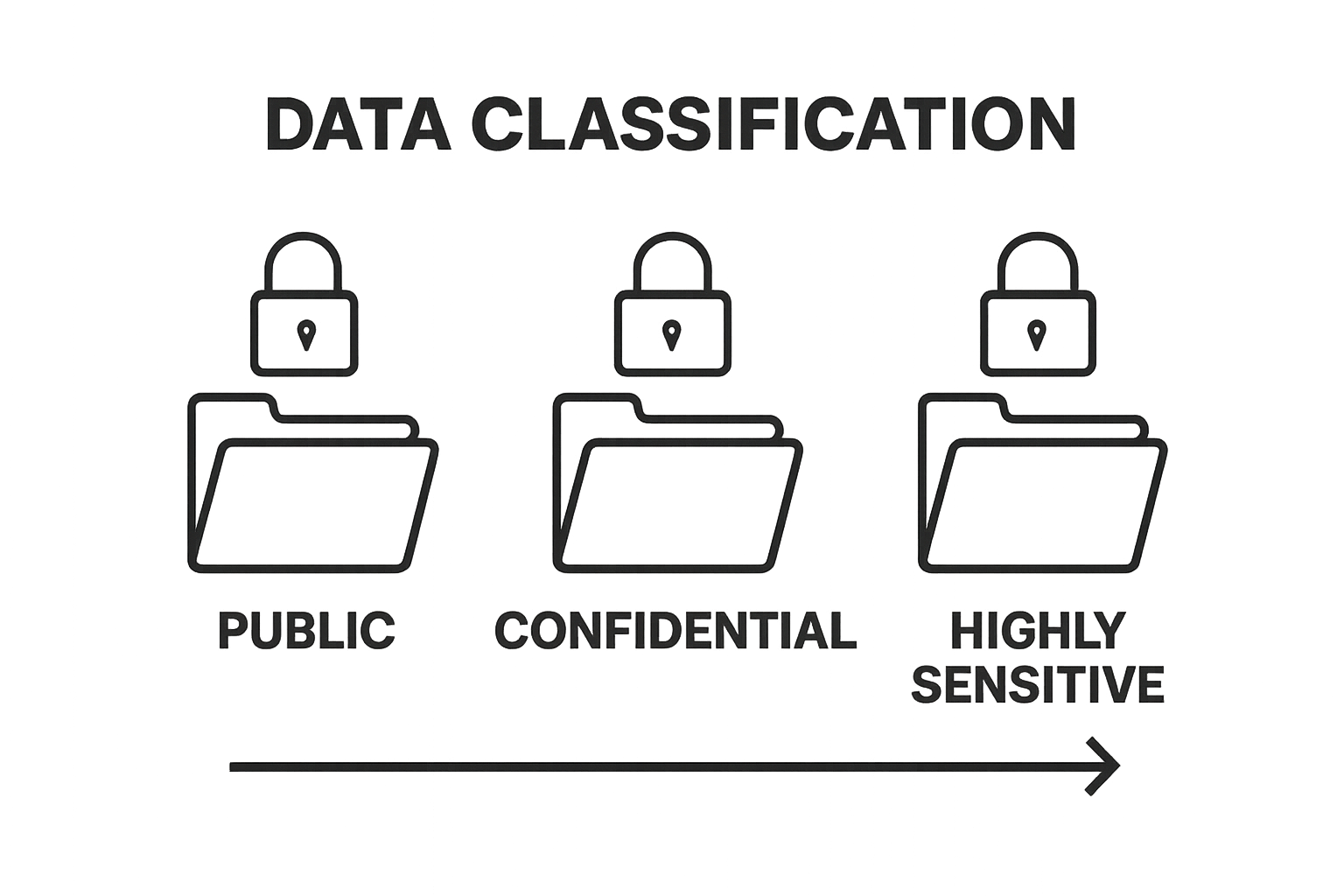
**Key data classification levels typically include:

Visual showing data classification levels with lock icons**

  • Public information with no sensitive content
  • Internal information with restricted access
  • Confidential data requiring strict protection
  • Highly sensitive information with maximum security protocols
  • Personal and legally protected data with stringent handling requirements

Confidentiality extends beyond mere technical protection. Organisations have profound legal and ethical responsibilities to protect personal and corporate information. This involves implementing comprehensive data management strategies that align with UK data protection regulations, including GDPR requirements and the Data Protection Act 2018.

Businesses can discover detailed guidance on confidential waste management to ensure they meet the highest standards of information security. Understanding these key concepts enables organisations to develop proactive approaches to data protection, mitigating risks and demonstrating commitment to responsible information handling.

Ultimately, effective confidentiality management requires a holistic approach that combines technological solutions, employee training, and rigorous procedural frameworks. By embracing these principles, businesses can create a culture of data protection that safeguards their most valuable informational assets.

The following table offers a concise overview of typical data classification levels used by businesses, clarifying their definitions and required protection measures as described within the article.

Data Classification Level Definition Required Protection Measures
Public Information Non-sensitive, accessible to anyone No special protection required
Internal Information Intended for internal use only, restricted distribution Controlled access within the organisation
Confidential Data Sensitive, could cause harm if disclosed Strict access controls, secure handling and destruction procedures
Highly Sensitive Information Critical, maximum impact if compromised Maximum security protocols, regular audits, enhanced destruction methods
Personal/Protected Data Legally regulated, includes personal identifiers Stringent regulatory compliance, secure storage, detailed audit trail

Waste disposal regulations represent a complex landscape of legal requirements that businesses across Newcastle and the North East must navigate carefully. Compliance is not merely a bureaucratic exercise but a critical responsibility that protects businesses, individuals, and the broader environmental ecosystem.

Regulatory Framework and Statutory Requirements

The UK’s waste management legal framework is comprehensive, encompassing multiple layers of legislation designed to ensure responsible waste handling. Businesses are legally obligated to demonstrate due diligence in their waste disposal practices, which means maintaining detailed records, selecting certified waste management partners, and following strict disposal protocols.

Critical legal obligations for businesses include:

  • Obtaining appropriate waste carrier licenses
  • Maintaining accurate waste transfer documentation
  • Ensuring waste is transported and disposed of legally
  • Preventing environmental contamination
  • Protecting sensitive information during disposal processes

Environmental and Corporate Responsibility

Beyond immediate legal compliance, waste disposal regulations reflect broader environmental and corporate responsibility principles. Organisations must view waste management as an integral part of their corporate governance, demonstrating commitment to sustainable practices and ethical information handling.

Businesses looking to fully understand their obligations can explore comprehensive waste compliance guidelines that provide detailed insights into navigating complex regulatory requirements. These guidelines help organisations develop robust waste management strategies that protect both their operational interests and societal responsibilities.

Ultimately, effective waste disposal compliance requires a proactive, integrated approach that combines legal knowledge, technological solutions, and a genuine commitment to responsible business practices.

Protect Your Newcastle Business with Trusted Confidential Waste Shredding

Are you worried about the security risks that come with handling and disposing of sensitive documents? As highlighted throughout this article, the stakes for proper information destruction have never been higher. From strict data protection laws to the risk of severe reputational damage, Newcastle businesses cannot afford any gaps in their confidential waste management. If staying compliant and safeguarding client trust matter to you, now is the time to work with a reputable specialist.

Discover our expertise in handling sensitive data and compliance at scale by visiting our confidential waste services hub.

https://venturewaste.co.uk

Take control of your data security today. Join hundreds of UK organisations who choose Venture Waste Management for reliable confidential shredding solutions that put compliance and peace of mind first. Explore our information security resources now or book your secure collection process with just a few clicks on our site. Protect your future by acting now.

Frequently Asked Questions

What is confidential waste shredding?

Confidential waste shredding is the process of securely destroying sensitive information contained in documents and digital media to prevent data breaches and unauthorized access.

Why is confidential waste shredding important for businesses?

It ensures compliance with data protection regulations, protects sensitive information from unauthorized access, and maintains client trust while safeguarding a company’s reputation.

How does the confidential waste shredding process work?

The process involves secure collection of sensitive materials in locked containers, followed by destruction using industrial-grade shredders to ensure that no recoverable information remains.

What certifications do professional shredding services provide?

Professional shredding services provide certification of destruction, which is essential for demonstrating compliance with legal obligations and maintaining an audit trail for sensitive information disposal.

confidential waste shredding business

Understanding The Importance of Confidential Waste Shredding for Businesses in Darlington

Every scrap of paper or old hard drive in your office could be a ticking time bomb for your business and over £500,000 in fines can hit if confidential information is mismanaged. It sounds extreme but everyday oversights have left companies ruined in minutes. Most people believe a simple office shredder is enough but the real danger comes from not knowing how easily sensitive information can slip through the cracks.

Table of Contents

Quick Summary

Takeaway Explanation
Confidential waste shredding is essential for data security. This process ensures sensitive information is completely destroyed, preventing unauthorized access and data breaches.
Legal compliance is mandatory for businesses. Under the GDPR and related laws, businesses must securely manage and dispose of confidential waste to avoid severe penalties.
Professional shredding services offer superior security. These services use advanced equipment that ensures complete destruction of data, significantly reducing risks compared to in-house solutions.
Ignoring proper disposal can damage reputation. A breach due to improper disposal can lead to financial losses and long-term trust erosion among clients and partners.
Choose certified shredding providers for compliance. Selecting providers with proper certifications ensures adherence to legal standards and effective waste management practices.

What is Confidential Waste Shredding and Why Does It Matter?

Confidential waste shredding represents a critical security practice for businesses in Darlington and across the United Kingdom, designed to protect sensitive information from potential misuse or unauthorized access. At its core, this process involves systematically destroying documents, electronic media, and other materials containing confidential or personal data through mechanical shredding techniques that render the original information completely unrecoverable.

Understanding Confidential Waste

Confidential waste encompasses a wide range of materials that could potentially compromise an organisation’s security if not properly disposed of. These materials typically include:

  • Financial documents with sensitive monetary information
  • Employee personnel records
  • Client personal data
  • Medical or healthcare documentation
  • Legal contracts and agreements
  • Obsolete electronic storage devices

For businesses in the North East region, particularly those operating in Darlington, secure document destruction is not just a recommended practice but a legal requirement under data protection regulations. The comprehensive guide to confidential waste management provides deeper insights into these regulatory requirements.

The Importance of Professional Shredding Services

While some organisations might attempt in-house document destruction, professional shredding services offer significantly superior security and compliance. According to the UK Department of Health and Social Care’s Records Management Code of Practice, professional shredding ensures complete destruction that minimises risks of data breaches, identity theft, and potential regulatory penalties.

Professional shredding services utilise industrial-grade equipment capable of reducing documents and electronic media into microscopic particles, making information reconstruction virtually impossible. This level of destruction goes far beyond basic office shredders, providing businesses with a comprehensive solution to protecting sensitive information throughout its disposal lifecycle.

The Risks of Ignoring Confidential Waste Disposal

Businesses in Darlington and across the United Kingdom face substantial risks when they neglect proper confidential waste disposal. The consequences of inadequate waste management extend far beyond simple administrative oversight and can potentially devastate an organisation’s reputation, financial stability, and legal standing.

Failure to implement secure confidential waste disposal practices can result in severe legal ramifications. The UK’s data protection regulations, including the General Data Protection Regulation (GDPR), impose stringent requirements on businesses handling sensitive information. Learn more about confidential disposal protocols to understand the full scope of these legal obligations.

Potential legal risks include:

  • Substantial financial penalties up to £500,000 for serious data protection breaches
  • Mandatory reporting of data incidents to regulatory authorities
  • Potential criminal prosecution for repeated or deliberate non-compliance
  • Long-term reputational damage affecting business credibility

Financial and Reputational Impact

Data breaches resulting from improper waste disposal can trigger catastrophic financial consequences. According to the UK government’s waste duty of care code of practice, organisations are legally responsible for ensuring their waste does not cause harm or environmental damage.

Potential financial losses can manifest through multiple channels:

  • Direct regulatory fines
  • Costly legal settlements
  • Loss of customer trust
  • Potential business contract terminations
  • Expenses related to forensic investigations and damage control

Moreover, in an era of increasing digital transparency, a single confidential waste mismanagement incident can rapidly erode years of carefully built organisational reputation. Clients, partners, and stakeholders expect robust data protection measures, and any perceived negligence can lead to immediate and long-lasting trust erosion.

This table outlines the main risks businesses face when confidential waste disposal is ignored, providing a clear view of both legal and financial implications.

Risk Type Description
Legal Penalties Substantial fines up to £500,000, mandatory reporting, potential prosecutions
Financial Losses Legal settlements, contract terminations, investigation expenses
Reputational Damage Loss of customer trust, long-term damage to business credibility
Regulatory Scrutiny Increased oversight by authorities, potential for future restrictions

Comparison of secure vs. insecure confidential waste disposal risks

Businesses in Darlington and across the United Kingdom must navigate a complex landscape of legal obligations surrounding confidential waste disposal. These regulations are designed to protect sensitive information, prevent potential data breaches, and ensure responsible waste management practices that safeguard both organisational and individual interests.

Below is a table summarising the legal and regulatory obligations UK businesses must meet when disposing of confidential waste, helping clarify which requirements apply under different legal frameworks.

Regulatory Framework Key Requirements
General Data Protection Regulation (GDPR) Secure destruction of personal data, prevention of unauthorised access
Data Protection Act 2018 Maintenance of comprehensive records, adherence to data protection protocols
Environmental Protection Act 1990 Use of certified waste service providers, correct categorisation and disposal
Waste Duty of Care Code of Practice Accurate waste transfer documentation, minimum three-year record retention
Environment Agency Guidelines Compliance with permits and environmental protection standards

Regulatory Framework and Compliance Standards

The legal requirements for confidential waste disposal are primarily governed by multiple legislative frameworks, including the General Data Protection Regulation (GDPR), Data Protection Act 2018, and the Environmental Protection Act 1990. Our comprehensive guide on confidential disposal provides deeper insights into these complex regulatory environments.

Key legislative requirements for businesses include:

  • Ensuring complete and secure destruction of sensitive documents
  • Maintaining comprehensive records of waste disposal processes
  • Implementing robust data protection protocols
  • Using certified waste disposal providers
  • Preventing unauthorized access to confidential materials

Specific Compliance Obligations

According to the UK government’s Waste Duty of Care Code of Practice, businesses must demonstrate responsible waste management through several critical actions. This includes proving that waste is transferred only to authorized waste management companies and maintaining detailed documentation of the entire disposal process.

Businesses must also classify their waste correctly, particularly when dealing with hazardous or confidential materials. Non-compliance can result in significant financial penalties, potential legal prosecution, and reputational damage.

secure waste destruction compliance The Environment Agency has strict guidelines that mandate businesses to:

  • Accurately categorize different types of confidential waste
  • Use appropriate containment and disposal methods
  • Maintain verifiable disposal records for a minimum of three years
  • Obtain necessary environmental permits when required
  • Ensure all waste disposal activities meet environmental protection standards

How Confidential Waste Shredding Protects Your Business

Confidential waste shredding serves as a critical shield for businesses in Darlington, providing comprehensive protection against potential data breaches, information theft, and regulatory non-compliance. By implementing systematic destruction processes, organisations can effectively safeguard their most sensitive information and maintain robust security protocols.

Information Security Mechanisms

Shredding goes beyond simple document destruction. Modern confidential waste shredding involves sophisticated techniques that render sensitive materials completely unrecoverable. Learn more about advanced waste protection strategies to understand the intricate security measures employed by professional waste management services.

Key protective mechanisms include:

  • Cross-cutting shredding techniques that fragment documents into microscopic pieces
  • Secure chain of custody documentation tracking waste from collection to destruction
  • Comprehensive audit trails demonstrating complete information elimination
  • Industrial-grade equipment preventing potential data reconstruction
  • Certified destruction processes meeting stringent legal standards

Comprehensive Risk Mitigation

According to the Information Commissioner’s Office guidance, professional confidential waste shredding provides multi-layered protection against potential security threats.

Businesses benefit from risk mitigation through:

  • Prevention of corporate espionage and information theft
  • Compliance with data protection regulations
  • Protection of client and employee personal information
  • Reduction of potential legal and financial liabilities
  • Demonstration of commitment to professional information management

By implementing rigorous confidential waste shredding protocols, businesses in Darlington can create a robust defensive strategy that protects their most valuable asset: information.

Choosing the Right Confidential Waste Shredding Services in Darlington

Selecting an appropriate confidential waste shredding service is a critical decision for businesses in Darlington. The right provider can significantly enhance information security, ensure regulatory compliance, and protect an organisation’s most sensitive data from potential breaches or unauthorized access.

Key Selection Criteria

When evaluating confidential waste shredding services, businesses must consider multiple comprehensive factors. Explore top confidential waste management solutions for local providers that meet stringent professional standards.

Critical selection criteria include:

  • Certification and compliance with BS EN 15713:2023 standards
  • Proven track record of secure information destruction
  • Comprehensive documentation and chain of custody processes
  • Ability to handle multiple waste formats (paper, digital, electronic media)
  • Transparent reporting and destruction verification mechanisms

Evaluating Service Reliability

According to the UK Environment Agency’s Regulatory Position Statement, businesses must ensure their chosen waste management provider meets rigorous environmental and security standards.

Businesses should thoroughly assess potential providers by:

  • Requesting detailed security protocols and destruction methodologies
  • Checking professional accreditations and industry certifications
  • Reviewing independent customer testimonials and case studies
  • Understanding their specific destruction and disposal processes
  • Confirming compliance with Data Protection Act 2018 requirements

By meticulously evaluating these factors, Darlington businesses can select a confidential waste shredding service that provides maximum security, regulatory compliance, and peace of mind.

Take Control of Confidential Waste and Safeguard Your Business Today

Are you concerned about the risks your business in Darlington faces from improper confidential waste disposal? The article highlighted just how critical it is to protect sensitive information such as client data, financial documents and employee records. Delayed action can leave your company vulnerable to data breaches, regulatory fines and damaged trust. Your next steps are crucial for ensuring full compliance and peace of mind, and our confidential waste solutions are designed to support you at every stage.

https://venturewaste.co.uk

Stop worrying about legal obligations or the possibility of sensitive data exposure. Take action today by booking a secure and reliable collection with Venture Waste Management. Visit Venture Waste Management to get started, or explore our hard drive destruction services for complete digital security. Your information protection journey begins with a single click.

Frequently Asked Questions

What is confidential waste shredding?

Confidential waste shredding is the process of securely destroying documents and materials that contain sensitive information to prevent unauthorized access or data breaches.

Why is confidential waste shredding important for businesses?

Confidential waste shredding is crucial to protect sensitive data, comply with legal regulations, prevent identity theft, and safeguard a business’s reputation by avoiding data breaches.

What materials are considered confidential waste?

Confidential waste typically includes financial documents, employee records, client personal data, healthcare documentation, and obsolete electronic storage devices that can contain sensitive information.

Businesses can ensure compliance by using professional shredding services, maintaining records of disposal processes, categorising their waste accurately, and following guidelines set by regulatory bodies for secure document destruction.